

Commentary
Thomas de Waal
{
  "authors": [
    "Thomas de Waal"
  ],
  "type": "legacyinthemedia",
  "centerAffiliationAll": "dc",
  "centers": [
    "Carnegie Endowment for International Peace",
    "Carnegie Europe"
  ],
  "collections": [],
  "englishNewsletterAll": "ctw",
  "nonEnglishNewsletterAll": "",
  "primaryCenter": "Carnegie Europe",
  "programAffiliation": "russia",
  "programs": [
    "Russia and Eurasia"
  ],
  "projects": [],
  "regions": [
    "Caucasus",
    "Russia",
    "Eastern Europe"
  ],
  "topics": [
    "Political Reform"
  ]
}
Source: Getty
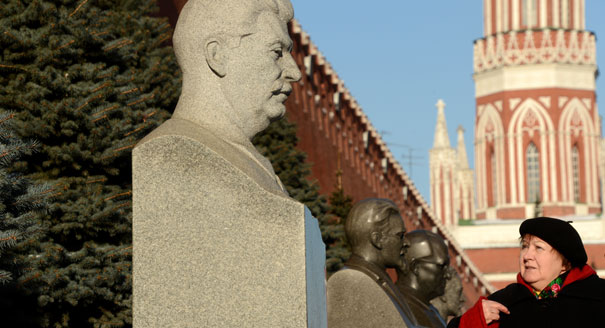
Stalin is a figure not just of the past, but of the present.
Source: PRI’s The World
Speaking on PRI’s The World, Carnegie’s Thomas de Waal said Stalin is a figure not just of the past, but of the present.
“He’s very much there in the heads of the people all across what’s the former Soviet Union,” de Waal explained, adding that this presence is why the Carnegie Endowment commissioned its recently released survey on attitudes toward Stalin. He explained that support for Stalin has increased since hte end of the Soviet Union, based on the perception that he saved the Soviet Union from Nazi Germany.
Senior Fellow, Carnegie Europe
Thomas de Waal is a senior fellow at Carnegie Europe, specializing in Eastern Europe and the Caucasus.
Recent Work
Thomas de Waal
Thomas de Waal
Carnegie does not take institutional positions on public policy issues; the views represented herein are those of the author(s) and do not necessarily reflect the views of Carnegie, its staff, or its trustees.
The war does threaten Putin’s existence. That is why he does not negotiate.
René Nyberg
Democrats now have the gavel and the purse, but the executive branch still pulls the levers on the U.S. role in the world.


James M. Acton, Dan Baer, Mark Baldassare, …
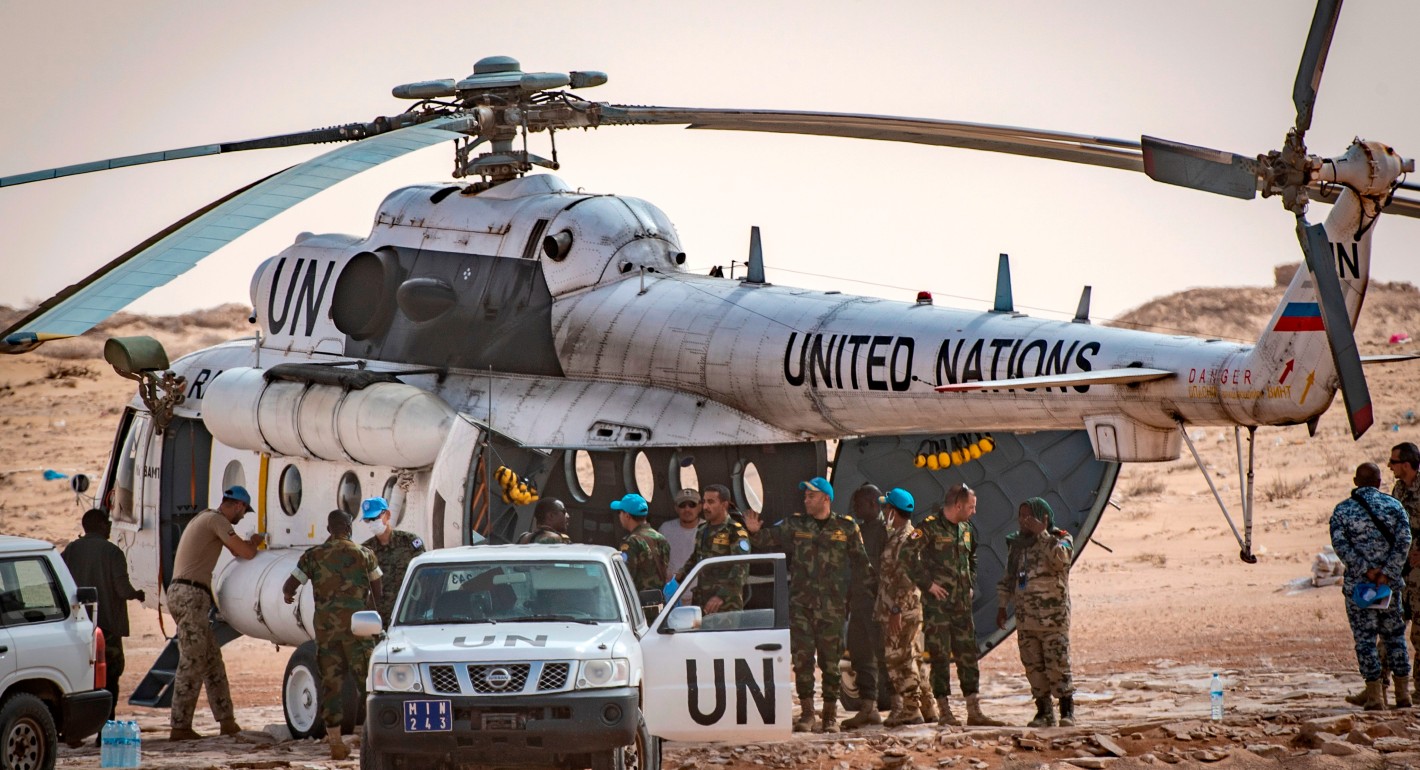
MINURSO’s renewal by the Security Council became highly politicized. Its expiration brings concerns about renewed violence and the future of demining efforts.
Sarah Yerkes
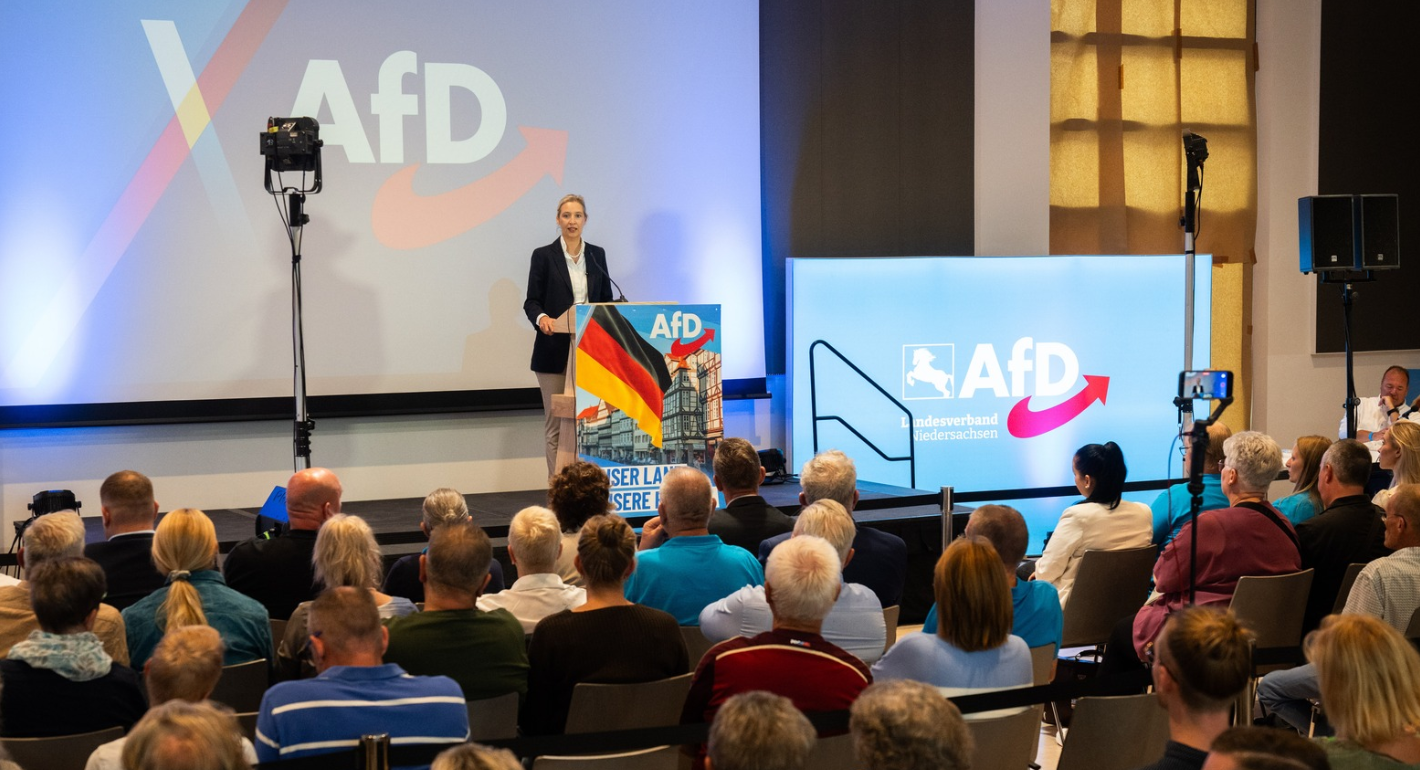
In Germany, competing perceptions of Russia are highlighting a tension between public opinion and government policy. In the country’s east, where division is widespread, populist parties are taking advantage.

Gwendolyn Sasse
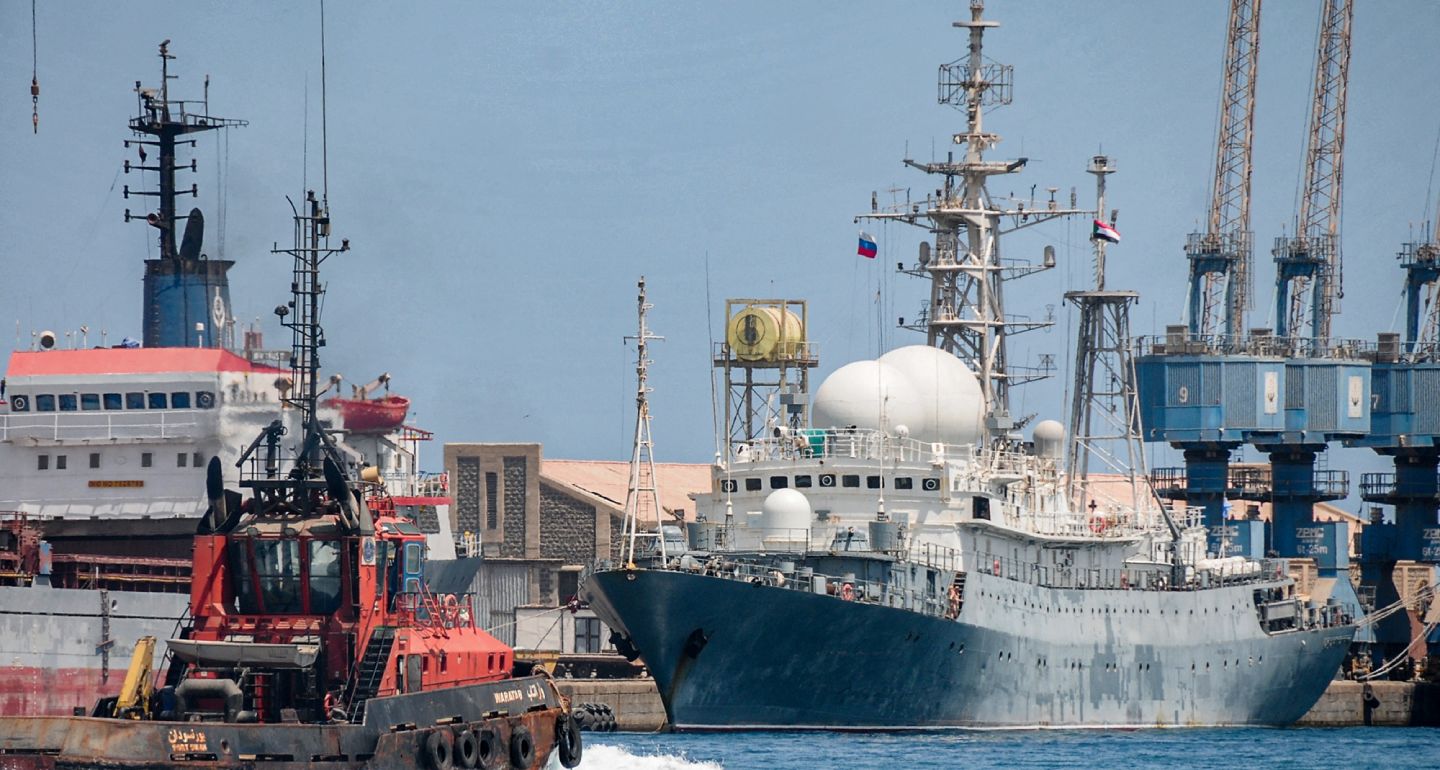
Russia’s coveted Red Sea naval base has fallen victim to its erratic foreign policy.
Sergey Konyashin