

Other
François Godement, Ashley J. Tellis
{
  "authors": [
    "François Godement"
  ],
  "type": "legacyinthemedia",
  "centerAffiliationAll": "dc",
  "centers": [
    "Carnegie Endowment for International Peace"
  ],
  "collections": [],
  "englishNewsletterAll": "ctw",
  "nonEnglishNewsletterAll": "",
  "primaryCenter": "Carnegie Endowment for International Peace",
  "programAffiliation": "russia",
  "programs": [
    "Russia and Eurasia"
  ],
  "projects": [],
  "regions": [
    "Middle East",
    "Türkiye",
    "Russia"
  ],
  "topics": [
    "Security",
    "Foreign Policy"
  ]
}
Source: Getty
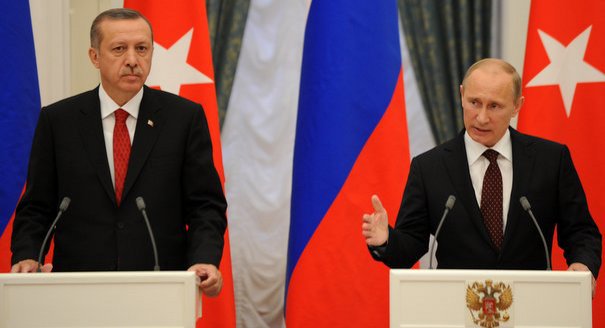
Recent events in Turkey and Ukraine have exposed serious miscalculations in the West’s handling of Russia.
Source: European Council on Foreign Relations
It appears that, within 24 hours, two events have taken place that are a direct challenge to Russia.
One is the sabotage of Ukraine’s energy link with Crimea. Although this act might not be considered the direct responsibility of the Ukrainian government, what followed is not: Ukraine is now blockading some exports to Crimea.
The second event is the downing by Turkey – reportedly by the direct order of Turkish PM Davutoğlu – of a Russian jet inside Turkish airspace. Russia denies that the plane entered Turkish airspace, and since one of the pilots was killed by Syrian rebels, and NATO sources indicate that the overflight into Turkish airspace lasted 17 seconds, it relativises this transgression.These two events take place while Russia’s foreign policy has taken two significant turns. The first, the decline in incidents at the border with Ukraine and in Donbass, is slow and designed in such a way as to avoid Russia losing face.
The second is Russia’s military surge in Syria, and the thrust of Russia’s air raids directed at Islamic State (IS) – and even more specifically at the oil depots and truck lines that allow IS to finance itself, essentially through contraband sales of oil to Turkey. This trade is a key strategy for Turkey which has tried to neutralise IS while Turkey mainly fights the Kurds. By hitting oil trucks as Russia does - without the advance warning the French and Americans give - Russia has signalled that Turkey’s game is up. It also supports the Kurds, who happen to be our only reliable ally on the ground.
These two events underline the risk of a tragic policy mistake by the West – urged on by two interested parties.
It seems the Ukrainian government, thinking that Mr. Putin is now busy elsewhere, is rekindling tension with Russia in a calculation that the odds are now lower for a major clash, but that any kind of Russian response will ensure the continuation of Western sanctions.
It is a dangerous game, and an inept one in the long term. It directly clashes with the European interest of a gradual settlement with Russia – and a strategic priority of bringing Russia into a political coalition in the Middle East.
As for Turkey, its double play is now laid threadbare.
Unspoken compromise with IS – paid for with the indirect financing from the Islamic State oil trade – is now impossible. The first obstacle was Islamic State’s cold calculation that the terror bombing of Kurdish demonstrators in Ankara would break the cease fire between Turkey and the Kurds and therefore ensure the Kurds fight on two fronts. This was followed by Islamic State’s bombing of a Russian civilian airliner and the attacks in Paris.
The West’s half-baked offensive against IS, where everyone was waiting for somebody else to take the lead - and the risks - has now turned into something more resolute: a desire to strangle IS, if not to eradicate it altogether. And Russia is forcing itself into contention for a place in that coalition.
Turkey’s game – even if it turns out that the Russian fighter did skirt or violate Turkish airspace – is an irresponsible one. And so is Ukraine’s.
Europe has supported Ukraine with a tough sanction policy of which it has borne the brunt, much more than the United States. Europe has been taken hostage by Turkey over the refugee issue – Chancellor Merkel’s hasty trip to Ankara last month and her sudden promise of a fast-track negotiation for entry into the European Union attests to that.
Ukraine has now to be told it will have to live with its neighbour, not to rekindle conflict. And any show of support from NATO to Turkey over what is an ill-advised and provocative move will scuttle any hope of a political and diplomatic settlement over Syria. It will also confirm the view of Russian public opinion that Putin and Russian hardliners were always right – that the West and its allies are out to get Russia.
In both situations, it should also be said that the ambiguous positions of the US administration seem designed to put Europe in an impossible position – locked in several simultaneous conflicts without the possibility to solve them. Turkey may be trying to put the US in a hard spot while it now deals directly with Russia on Syria, and Ukraine may be tempted with tying Washington further in the same circumstances. Washington must come clear and state what its real priorities are.
This piece was originally published by the European Council on Foreign Relations.

Former Nonresident Senior Fellow, Asia Program
Godement, an expert on Chinese and East Asian strategic and international affairs, was a nonresident senior fellow in the Asia Program at the Carnegie Endowment for International Peace.
Recent Work
François Godement, Ashley J. Tellis

François Godement, Abigaël Vasselier
Carnegie does not take institutional positions on public policy issues; the views represented herein are those of the author(s) and do not necessarily reflect the views of Carnegie, its staff, or its trustees.
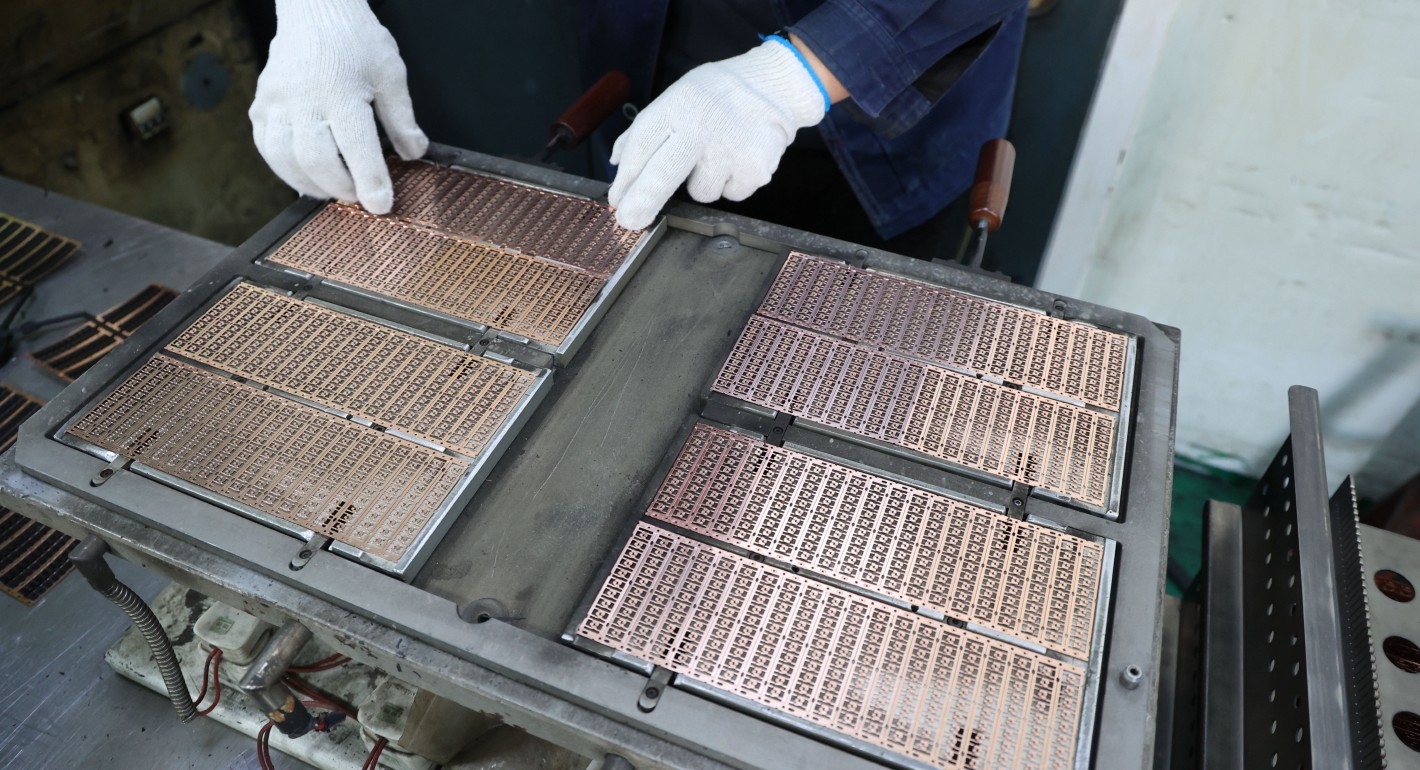
The Bureau of Industry and Security needs to adjust its focus and practices to maintain its position as the U.S. government’s primary champion of international technological competition.
Geoffrey Irving
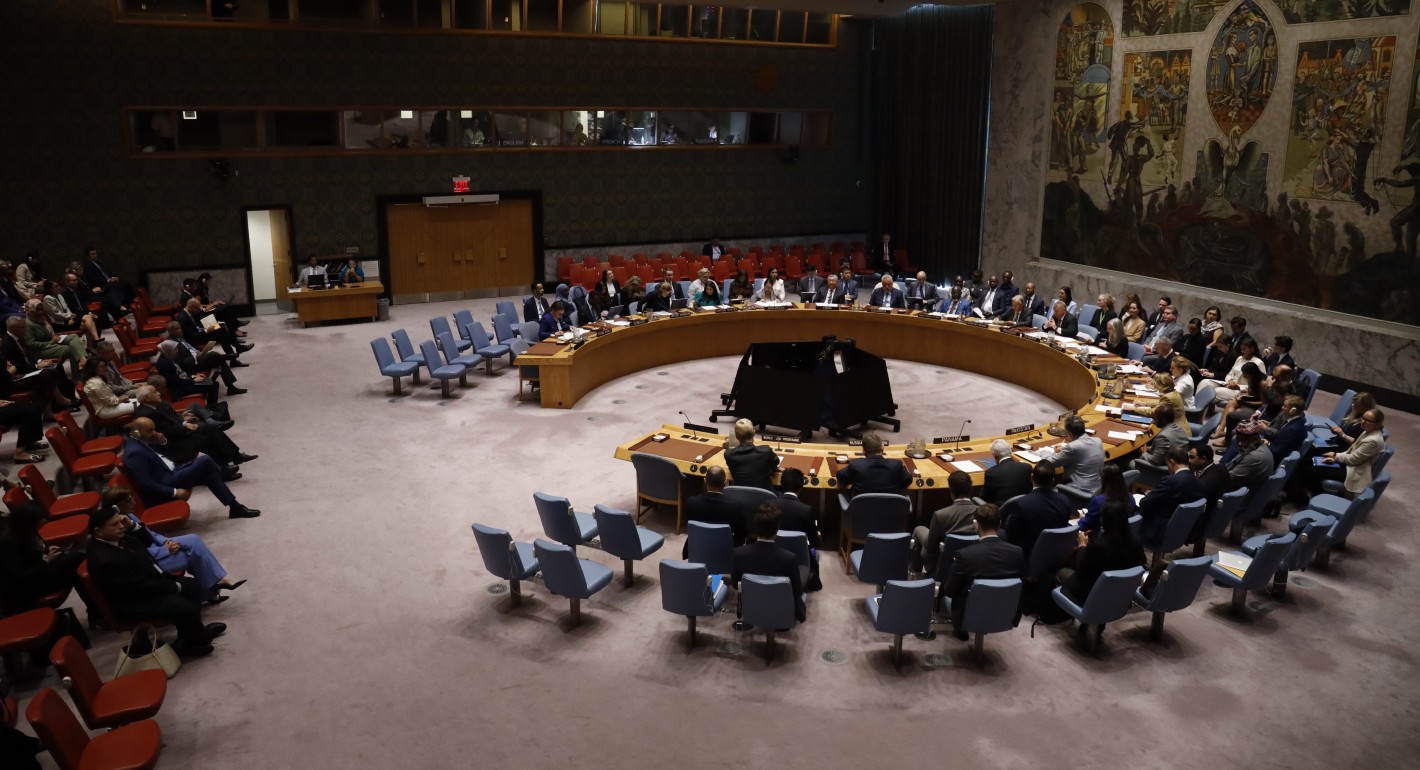
They face an uphill climb, but they could draw on a strategy that other diplomats have used in the past.


Shana Tabak, Alejandro Martin Rodriguez

European Commission President Ursula von der Leyen is about to give her annual address on the state of the EU. Here’s what she won’t—but should—say.

Rym Momtaz

Depleted financial reserves and a shrinking tax base mean it is no longer possible to simultaneously deliver high defense spending, price stability, and economic growth.

Alexandra Prokopenko
Understanding the climatic pain points is necessary for policymakers hoping to minimize the war’s negative environmental consequences.


Alejandro Martin Rodriguez, Joy Arkeh, Sarah Yerkes