• Research
  • Emissary
  • About
  • Experts
Carnegie Global logoCarnegie lettermark logo
DemocracyIran
  • Donate
{
  "authors": [
    "Joseph Cirincione"
  ],
  "type": "legacyinthemedia",
  "centerAffiliationAll": "dc",
  "centers": [
    "Carnegie Endowment for International Peace"
  ],
  "collections": [],
  "englishNewsletterAll": "ctw",
  "nonEnglishNewsletterAll": "",
  "primaryCenter": "Carnegie Endowment for International Peace",
  "programAffiliation": "NPP",
  "programs": [
    "Nuclear Policy"
  ],
  "projects": [],
  "regions": [],
  "topics": [
    "Military",
    "Foreign Policy",
    "Nuclear Policy"
  ]
}
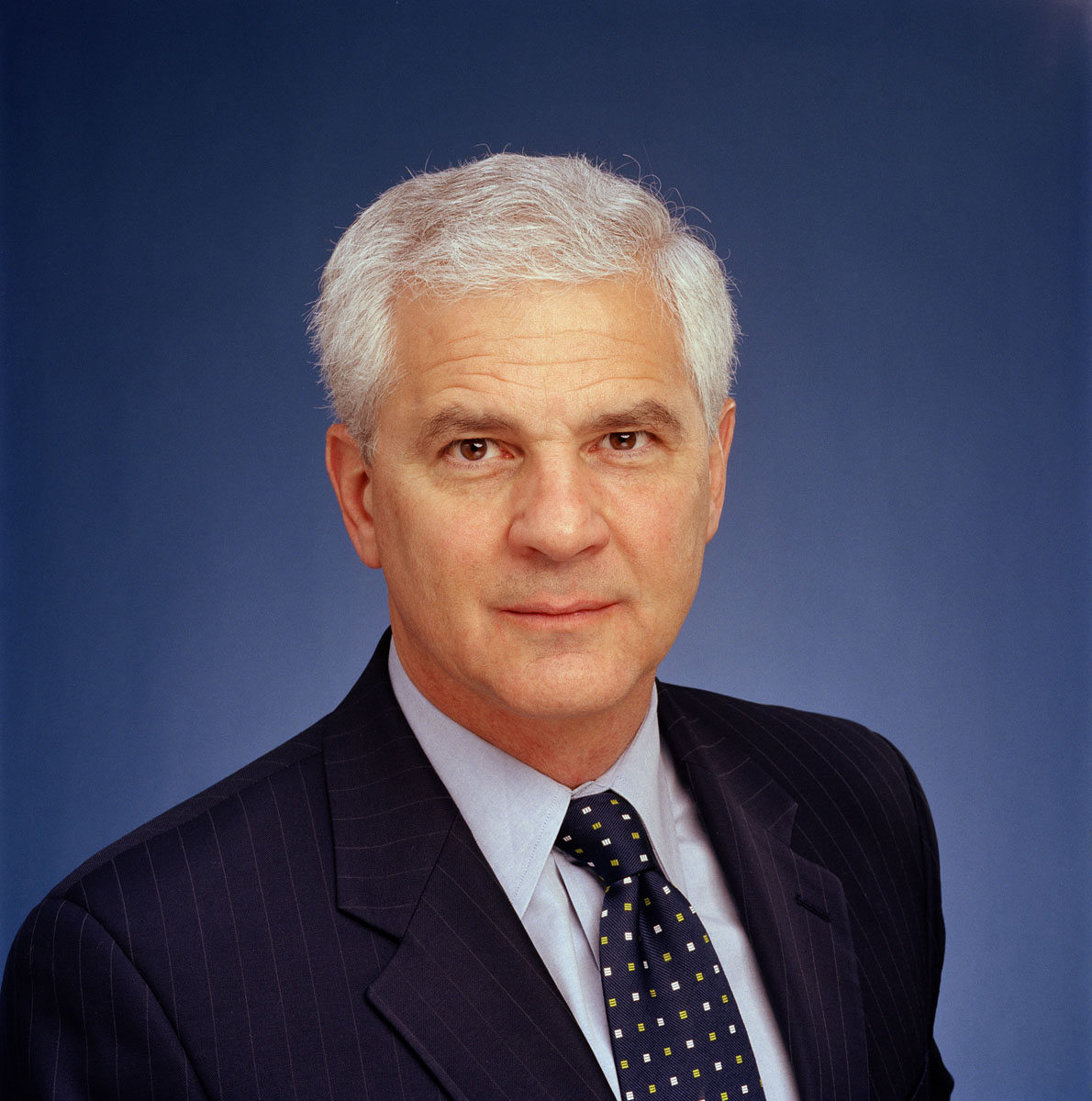
REQUIRED IMAGE

REQUIRED IMAGE

In The Media

Why Lott's Attempt to Relaunch Star Wars in Going to be Shut Down

Link Copied
By Joseph Cirincione
Published on Mar 20, 1997
Program mobile hero image

Program

Nuclear Policy

The Nuclear Policy Program works to reduce the risk of nuclear catastrophe. Our experts identify and analyze dangers, and then use our global network to advance concrete and pragmatic risk-reduction policies relating to deterrence and international security, arms control, nonproliferation, and nuclear energy.

Learn More

Source: Carnegie

About the Author

Joseph Cirincione

Former Senior Associate, Director for NonProliferation

    Recent Work

  • Report
    Universal Compliance: A Strategy for Nuclear Security<br>With 2007 Report Card on Progress
      • +2

      George Perkovich, Jessica Tuchman Mathews, Joseph Cirincione, …

  • Article
    The End of Neoconservatism

      Joseph Cirincione

Joseph Cirincione
Former Senior Associate, Director for NonProliferation
Joseph Cirincione
MilitaryForeign PolicyNuclear Policy

Carnegie does not take institutional positions on public policy issues; the views represented herein are those of the author(s) and do not necessarily reflect the views of Carnegie, its staff, or its trustees.
More Work from Carnegie Endowment for International Peace

  • Commentary
    Strategic Europe
    How Realistic Is Peace in Ukraine?

    Russia’s maximalist demands are preventing any serious attempt at ending the war in Ukraine. To make peace a realistic prospect, Putin must recognize that diplomacy is a two-way street.
      Kadri Liik
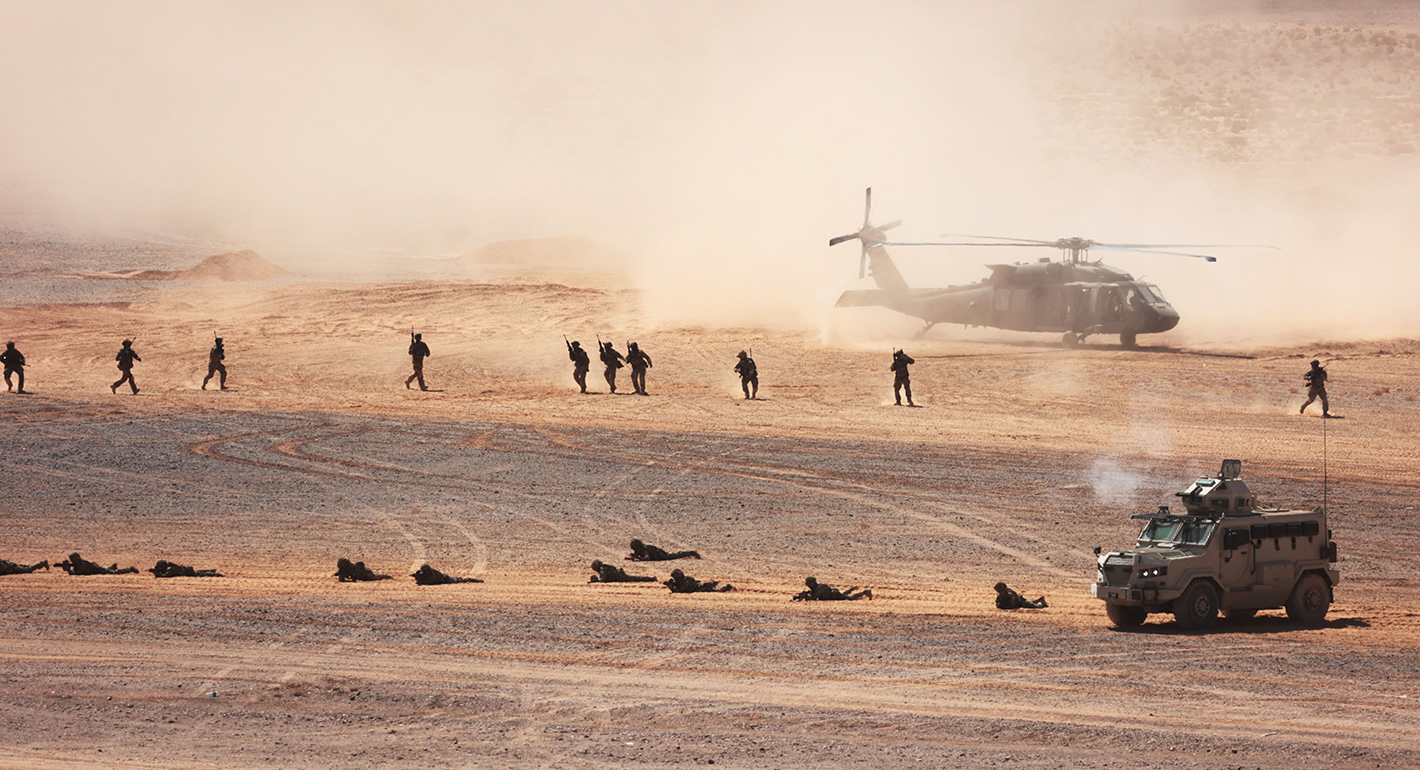
  • Jordanian Armed Forces, U.S. Army and U.S. Marine Corps forces and other international forces conduct a combined Arms Live Fire Exercise that practices the synchronization of tactical maneuvers, fire support assets and air power, during the Eager Lion 2024 exercise on May 23, 2024 in the desert near Azraq, Jordan
    Paper
    American Power in MENA: Depleted and Adrift

    An overreliance on coercive military action has moved the United States further from its goals in the Middle East and North Africa.
      Amr Hamzawy, Kathryn Selfe
  • Commentary
    Carnegie Politika
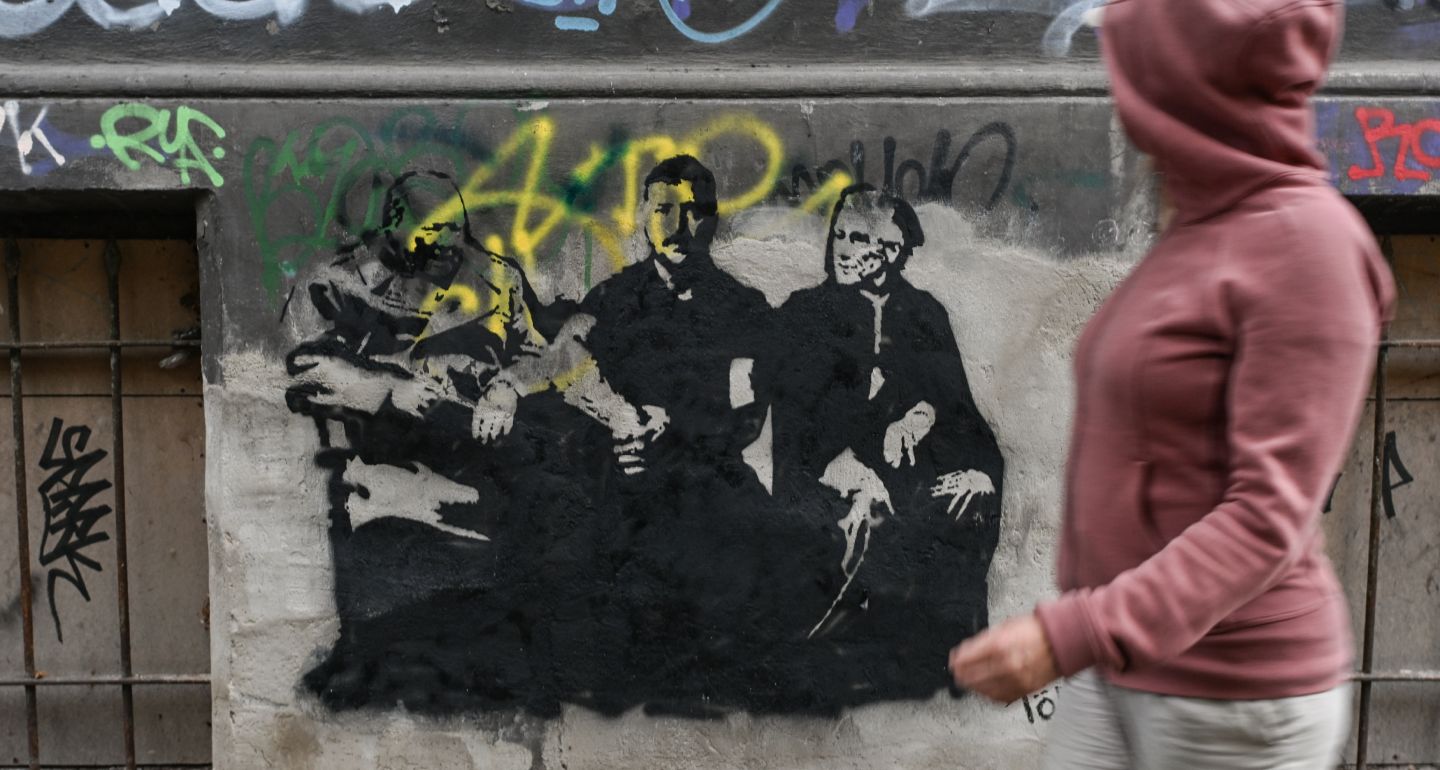
    Putin Is Using the Ukraine Peace Talks to Reshape Europe

    The concrete goal of an end to the hostilities in Ukraine has been replaced by a host of vague Russian demands concerning a range of issues and regions.
      Alexander Baunov
  • Commentary
    Diwan
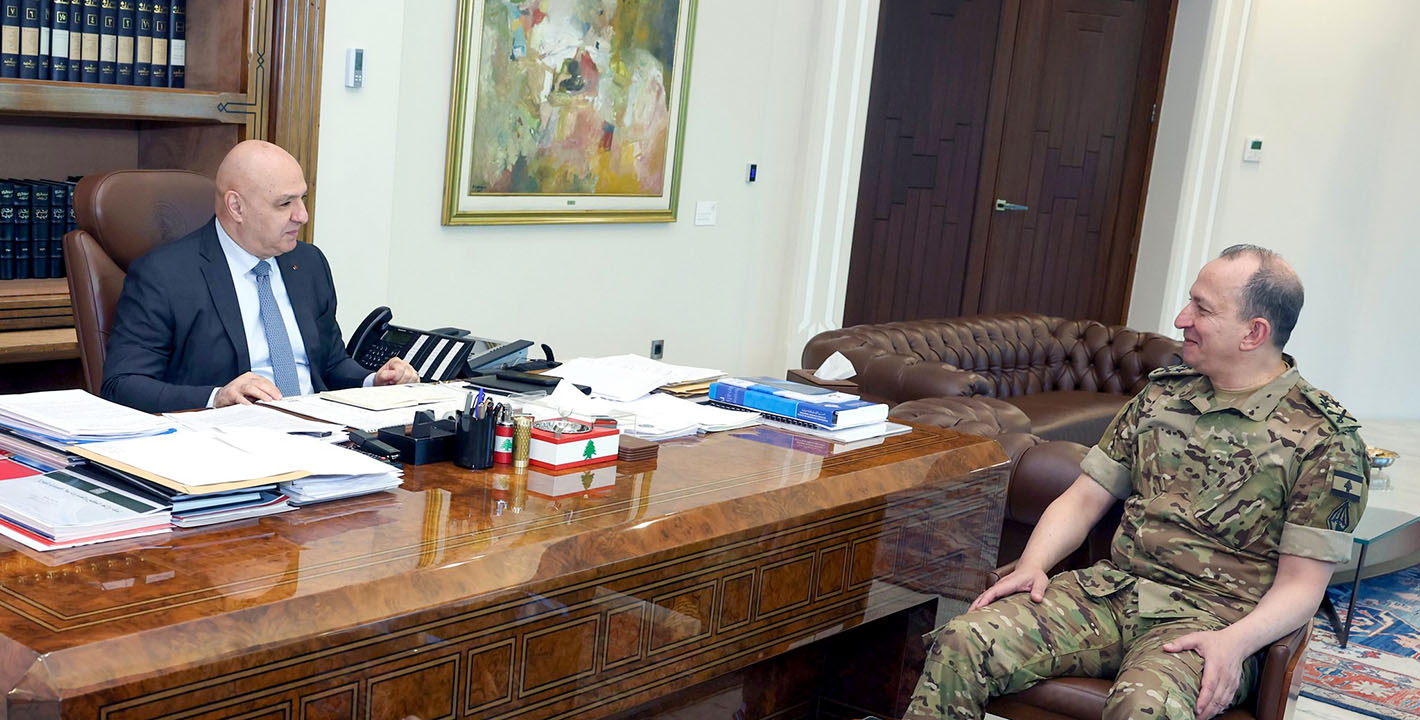
    When the Soldiers Say Stop

    A recent dispute in Lebanon between a politician and the army commander over Hezbollah’s weapons has deeper roots.
      Michael Young

  • Robotic arms at an EV manufacturing plant working on a battery assembly
    Commentary
    Emissary
    To Keep Its Second Place in the Global Battery Race, Seoul Needs More Teammates

    In an increasingly competitive landscape, Seoul should expand its current partnership with Washington and deepen ties with Brussels and New Delhi.

      • Milo McBride

      Darcie Draudt-Véjares, Milo McBride

Get more news and analysis from
Carnegie This Week
Carnegie global logo, stacked
1779 Massachusetts Avenue NWWashington, DC, 20036-2103Phone: 202 483 7600
  • Research
  • Emissary
  • About
  • Experts
  • Donate
  • Programs
  • Events
  • Blogs
  • Podcasts
  • Contact
  • Annual Reports
  • Careers
  • Privacy
  • For Media
  • Government Resources
Get more news and analysis from
Carnegie This Week
© 2026 Carnegie Endowment for International Peace. All rights reserved.