• Research
  • Emissary
  • About
  • Experts
Carnegie Global logoCarnegie lettermark logo
Democracy
  • Donate
REQUIRED IMAGE

REQUIRED IMAGE

Paper

Turkey’s Middle East Policies: Between Neo-Ottomanism and Kemalism

Turkey’s increased engagement in the Middle East reflects its desire to become a self-confident regional superpower. Yet, Ankara’s fraught handling of the Kurdish issue has been reactive, alarmist, and insecure. Unless Turkey learns to balance its opposing priorities, the country will witness an increase in ultra-nationalism and isolationism.

Link Copied
By Omer Taspinar
Published on Oct 7, 2008

Additional Links

Full Text in English (PDF)
Program mobile hero image

Program

Middle East

The Middle East Program in Washington combines in-depth regional knowledge with incisive comparative analysis to provide deeply informed recommendations. With expertise in the Gulf, North Africa, Iran, and Israel/Palestine, we examine crosscutting themes of political, economic, and social change in both English and Arabic.

Learn More

Turkey’s increased engagement in the Middle East reflects its desire to become a self-confident regional superpower. Yet, Ankara’s fraught handling of the Kurdish issue has been reactive, alarmist, and insecure. Unless Turkey learns to balance its opposing priorities, the country will witness an increase in ultra-nationalism and isolationism, concludes a new paper from the Carnegie Endowment.

Ömer Taspinar explains the two conflicting drivers of Turkey’s new activism in the Middle East: “Neo-Ottomanism,” which encourages engagement and projection of influence recalling Turkey’s multicultural, Muslim, and imperial past, and “Kemalism,” which aims to eliminate the perceived threat of Kurdish nationalism and protect Turkey’s secular, nationalist identity. He examines the impact of recent political developments, the re-emergence of the Kurdish challenge for Turkey’s foreign policy, and explores Ankara’s relations with the West and the Middle East, including its close ties with Syria and Iran. 
 
Key conclusions
  • Neo-Ottomanism motivates the foreign policy of Turkey’s ruling party, the AKP. Critics of the AKP, including the military and national security establishment, view neo-Ottomanism and its use of soft power in the Middle East as a threat to Turkey’s Kemalist secular identity.  
  • Turkey’s secular, nationalist establishment resents the West for supporting the Kurds and “moderate Islam” in Turkey, while the AKP’s neo-Ottomanism favors good relations with Washington and Brussels—an important realignment of Turkish foreign policy.
  • Both groups favor improved relations between Ankara, Tehran, and Damascus. Neo-Ottomans view engagement with Iran and Syria as part of Turkey’s growing regional influence, while Kemalists see a shared interest in containing Kurdish nationalism and preventing the emergence of an independent Kurdish nation on their borders.
  • Should a military or judicial coup overthrow the AKP—as almost happened in April 2007 and July 2008—a radical form of Kemalism could dominate Turkey’s domestic and foreign policy, leading to a more confrontational position on the Kurdish challenge, notably in Iraq.

Taspinar concludes:

“The stakes for Turkey and the future of the Middle East are high. Home to more than 70 million Muslims, Turkey is the most advanced democracy in the Islamic world. A stable, western-oriented, liberal Turkey on a clear path toward the EU would serve as a growing market for western goods, a contributor to the labor force Europe will desperately need in the coming decades, a democratic example for the rest of the Muslim world, a stabilizing influence on Iraq, and a partner in Afghanistan.
 
An authoritarian, resentful, and isolated Turkey, on the other hand, would be the opposite in every case. If its domestic politics were to go wrong, Turkey would not only cease being a democratic success story but also could become a destabilizing factor in the Middle East.”
 
Click on icon above for the full text of this Carnegie Paper.
 
A limites number of print copies of this Carnegie Paper (in English) are available.
Request a copy.
 
About the Author
Ömer Taspinar is professor of National Security Strategy at the U.S. National War College and the director of the Turkey Program at the Brookings Institution. Taspinar was previously assistant professor in the European Studies Department of the Johns Hopkins University, School of Advanced International Studies (SAIS), where he remains an adjunct professor. He has held consulting positions at the Robert F. Kennedy Center for Human Rights in Washington, and at the Strategic Planning Department of TOFAS–FIAT in Istanbul.
Omer Taspinar
Middle EastIranTürkiyeSyriaPolitical ReformSecurity

Carnegie does not take institutional positions on public policy issues; the views represented herein are those of the author(s) and do not necessarily reflect the views of Carnegie, its staff, or its trustees.

More Work from Carnegie Endowment for International Peace

  • Trump speaking
    Commentary
    Emissary
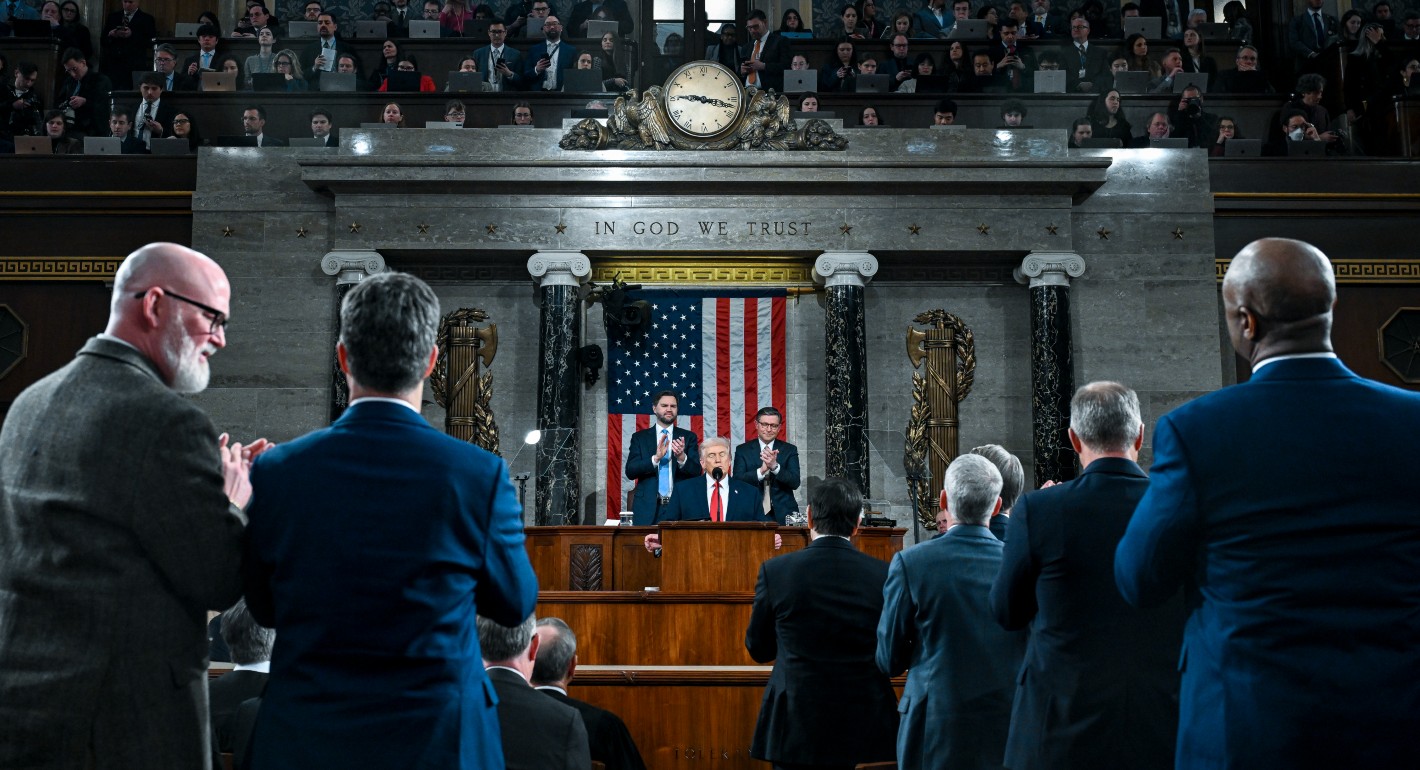
    Trump’s State of the Union Was as Light on Foreign Policy as He Is on Strategy

    The speech addressed Iran but said little about Ukraine, China, Gaza, or other global sources of tension.

      Aaron David Miller

  • GCC foreign minister meeting in Kuwait City on June 2, 2025
    Article
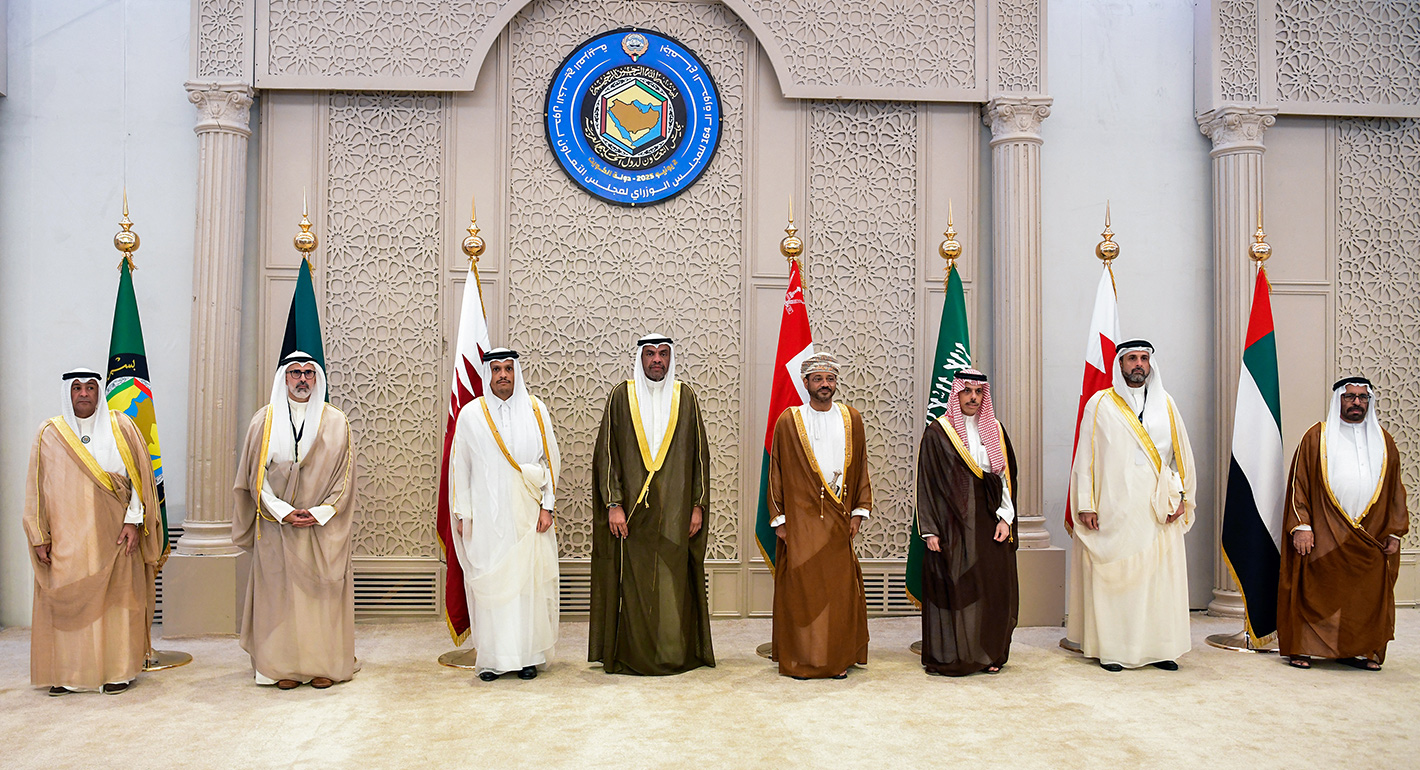
    Can the Gulf Cooperation Council Transcend Its Divisions?

    Without structural reform, the organization, which is racked by internal rivalries, risks sliding into irrelevance.

      Hesham Alghannam
  • Commentary
    Diwan
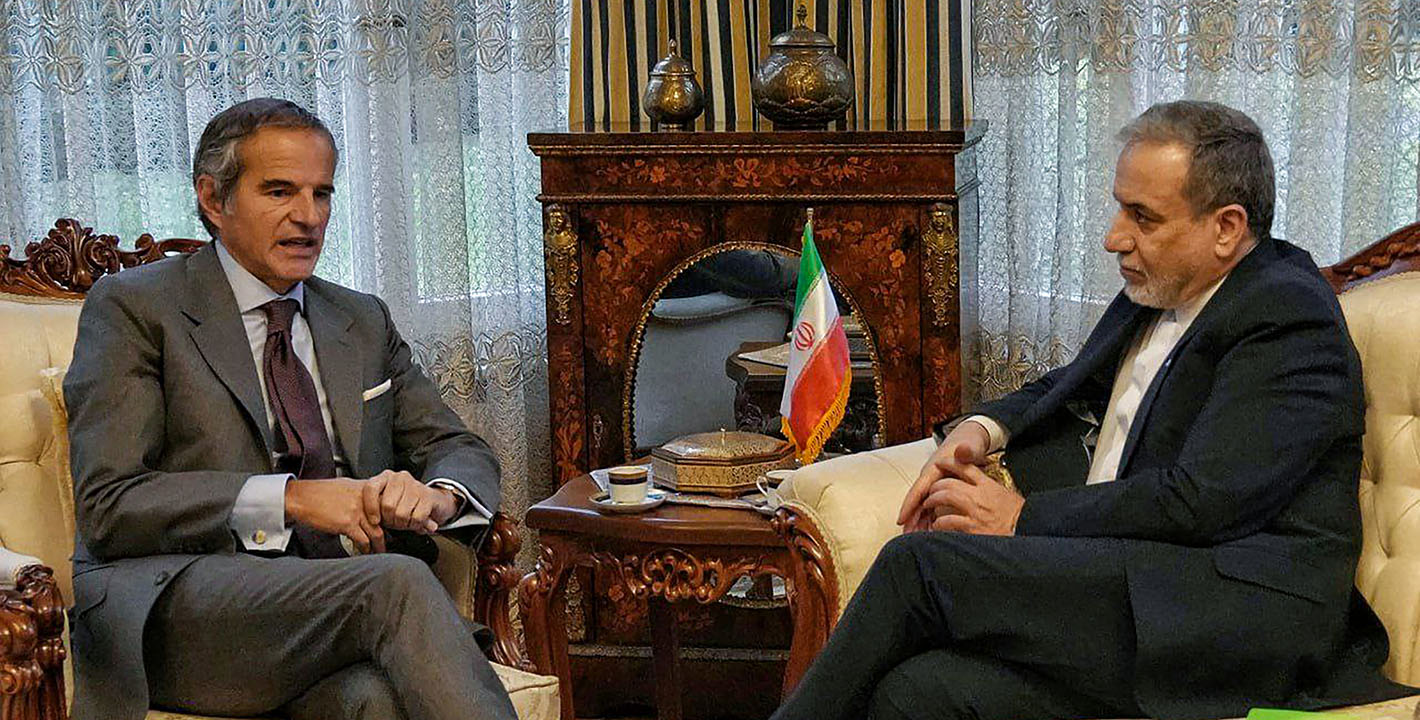
    U.S. Aims in Iran Extend Beyond Nuclear Issues

    Because of this, the costs and risks of an attack merit far more public scrutiny than they are receiving.

      • Nicole Grajewski Profile Picture

      Nicole Grajewski

  • Commentary
    Carnegie Politika
    Notes From Kyiv: Is Ukraine Preparing for Elections?

    As discussions about settlement and elections move from speculation to preparation, Kyiv will have to manage not only the battlefield, but also the terms of political transition. The thaw will not resolve underlying tensions; it will only expose them more clearly.

      Balázs Jarábik
  • Commentary
    Strategic Europe
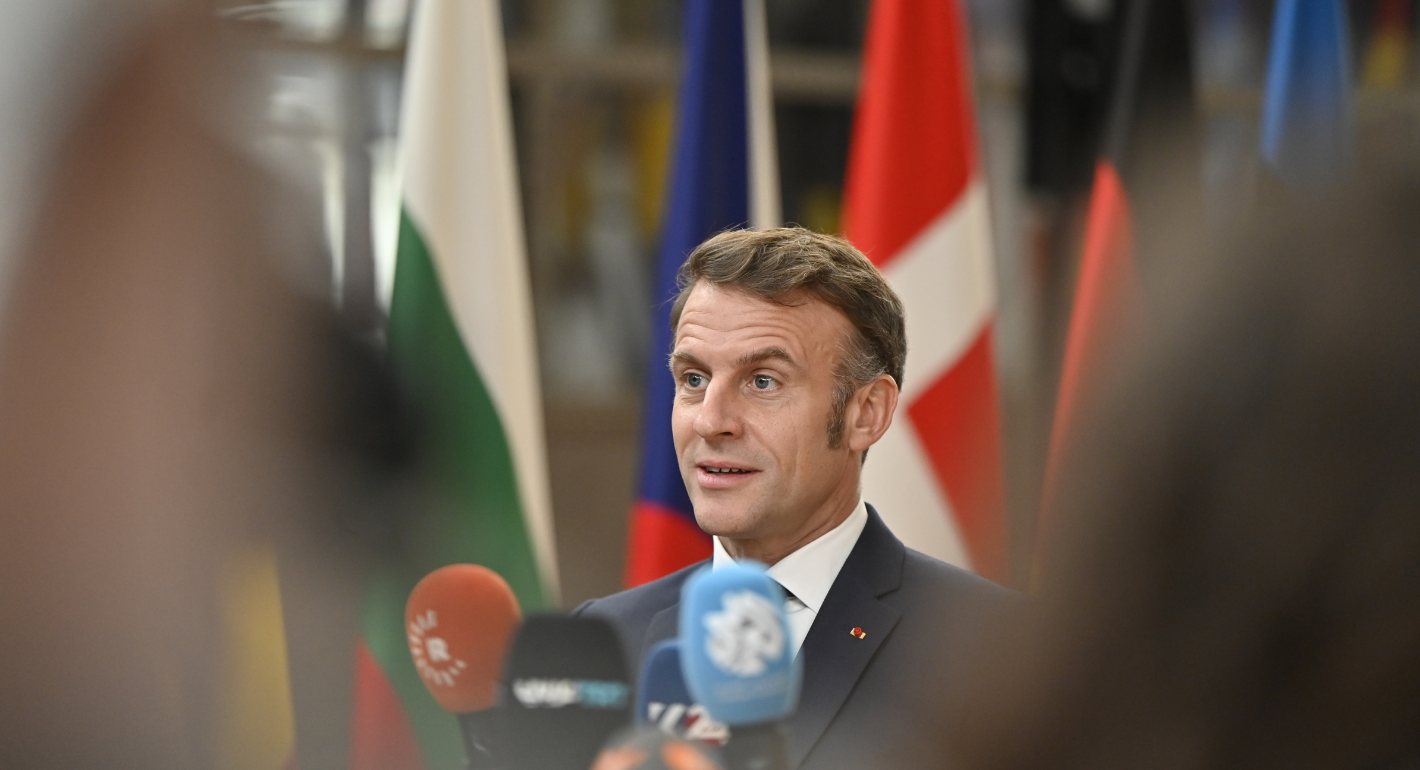
    Macron Makes France a Great Middle Power

    France has stopped clinging to notions of being a great power and is embracing the middle power moment. But Emmanuel Macron has his work cut out if he is to secure his country’s global standing before his term in office ends.

      • Rym Momtaz

      Rym Momtaz

Get more news and analysis from
Carnegie Endowment for International Peace
Carnegie global logo, stacked
1779 Massachusetts Avenue NWWashington, DC, 20036-2103Phone: 202 483 7600Fax: 202 483 1840
  • Research
  • Emissary
  • About
  • Experts
  • Donate
  • Programs
  • Events
  • Blogs
  • Podcasts
  • Contact
  • Annual Reports
  • Careers
  • Privacy
  • For Media
  • Government Resources
Get more news and analysis from
Carnegie Endowment for International Peace
© 2026 Carnegie Endowment for International Peace. All rights reserved.