

Commentary
In an interview, Ian Lustick and Eli Clifton discuss their new book on why a prominent ally has so much influence in America.
Michael Young
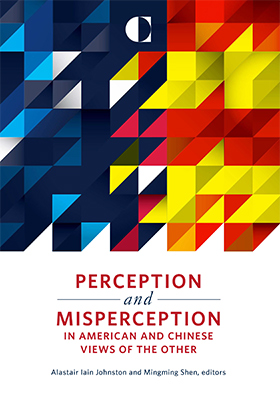
The underlying beliefs that people in the United States and China hold toward each other in the security realm are likely to influence, directly or indirectly, each side’s foreign policy with regard to the bilateral relationship.
The underlying beliefs that people in the United States and China hold toward each other in the security realm are likely to influence, directly or indirectly, each side’s foreign policy with regard to the bilateral relationship. In-depth analyses of elite and public opinion survey data from the United States and China on a wide range of security issues provide nuanced and far-reaching insights into the potential effects of these attitudes on the U.S.-China relationship.
Carnegie does not take institutional positions on public policy issues; the views represented herein are those of the author(s) and do not necessarily reflect the views of Carnegie, its staff, or its trustees.

In an interview, Ian Lustick and Eli Clifton discuss their new book on why a prominent ally has so much influence in America.

Michael Young

The Plaza Accord was not an externally imposed punishment of Japan but part of a broader restructuring that Japanese economists and policymakers themselves recognized was necessary. Its effects were undermined, however, when Tokyo responded to the resulting slowdown with policies that exacerbated investment, credit expansion, and the very imbalances the adjustment was intended to resolve.

Michael Pettis

Trump has promised Belarus a massive potash deal. But Minsk is seeking something greater: restored Western transit and greater room for maneuver from Russia.

Balázs Jarábik

The real test may come after the leaders leave the room.



Sheena Chestnut Greitens, Oriana Skylar Mastro, Yukon Huang, …

The Horn of Africa countries are among those facing a new security calculus.


Andrew Leber, Lesley Anne Warner