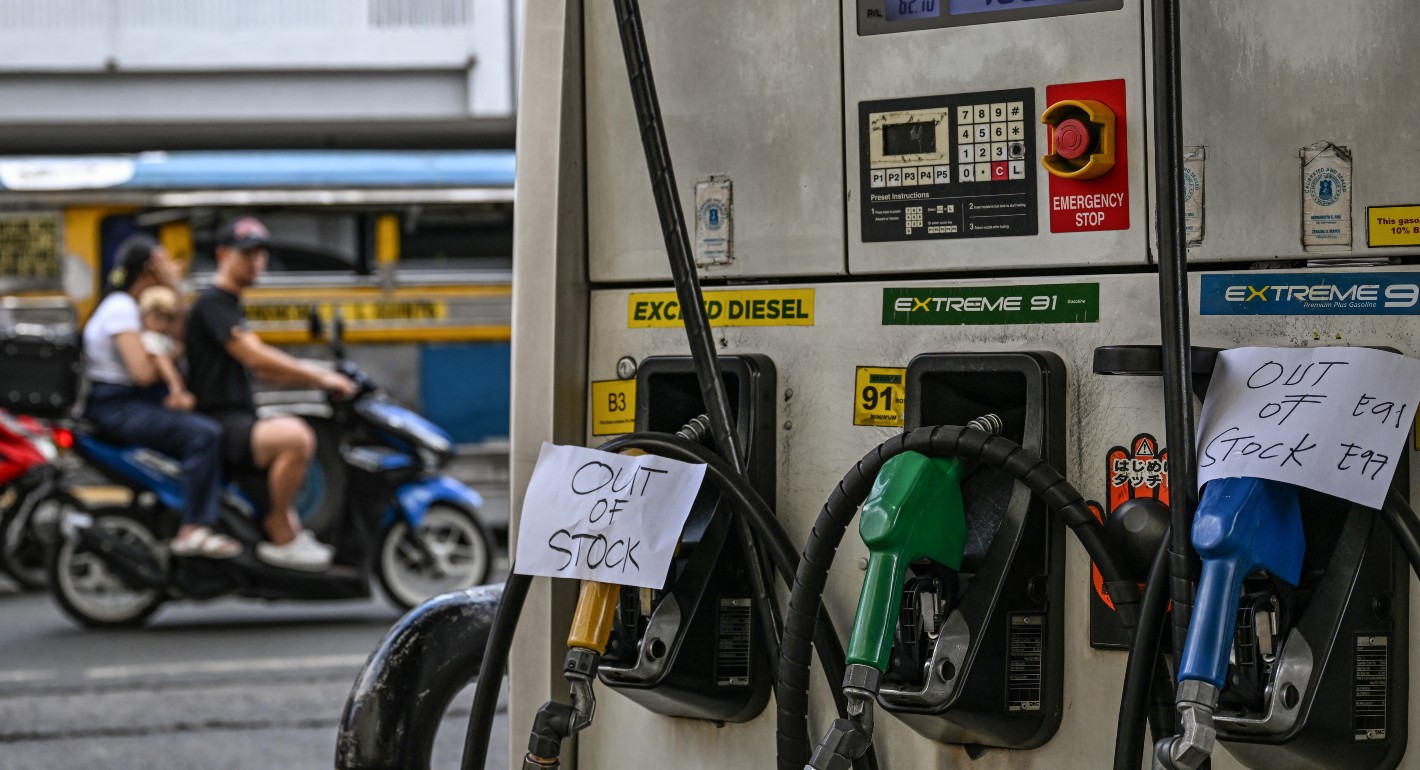
Commentary
Climate mobility interventions can vary, but they all present opportunities to unlock transformative results that mitigate costs associated with inaction.
Alejandro Martin Rodriguez
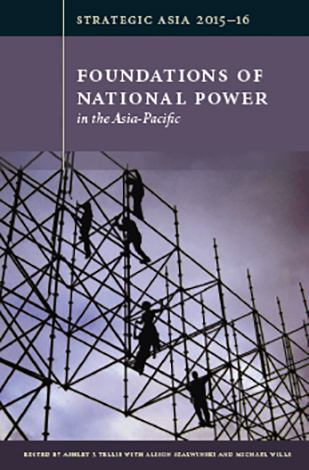
This book examines how the region’s major powers are building their national power as geopolitical competition intensifies.
Source: National Bureau of Asian Research
Co-edited and introduced by Ashley J. Tellis, Strategic Asia 2015-16: Foundations of National Power in the Asia-Pacific examines how the region’s major powers are building their national power as geopolitical competition intensifies. In each chapter, a leading expert analyzes a country’s economic, technological, human, and natural resources and assesses how well its political system translates those capabilities into military and diplomatic power.
Order this book, or read the introduction by Ashley J. Tellis for free.
Ashley J. Tellis is a senior associate at the Carnegie Endowment for International Peace and research director of the Strategic Asia Program at the National Bureau of Asian Research (NBR), served in the U.S. Department of State as senior adviser to the Undersecretary of State of Public Affairs, and previously as senior adviser to the Ambassador at the U.S. Embassy in India. He also served on the National Security Council Staff as special assistant to the President and senior director for Strategic Planning and Southwest Asia. He is the author of India’s Emerging Nuclear Posture (2001) and co-author of Interpreting China’s Grand Strategy: Past, Present, and Future (2000), as well as the co-editor of the eleven most recent volumes of Strategic Asia, published by NBR.
Alison Szalwinski is a project manager at NBR.
Michael Wills is senior vice president of research and operations at NBR.
Former Senior Fellow
Ashley J. Tellis was a senior fellow at the Carnegie Endowment for International Peace.
Alison Szalwinski
National Bureau of Asian Research
Alison Szalwinski is assistant director for political and security affairs at NBR.
Michael Wills
National Bureau of Asian Research
Michael Wills is senior vice president for strategy and finance at NBR.
Carnegie does not take institutional positions on public policy issues; the views represented herein are those of the author(s) and do not necessarily reflect the views of Carnegie, its staff, or its trustees.
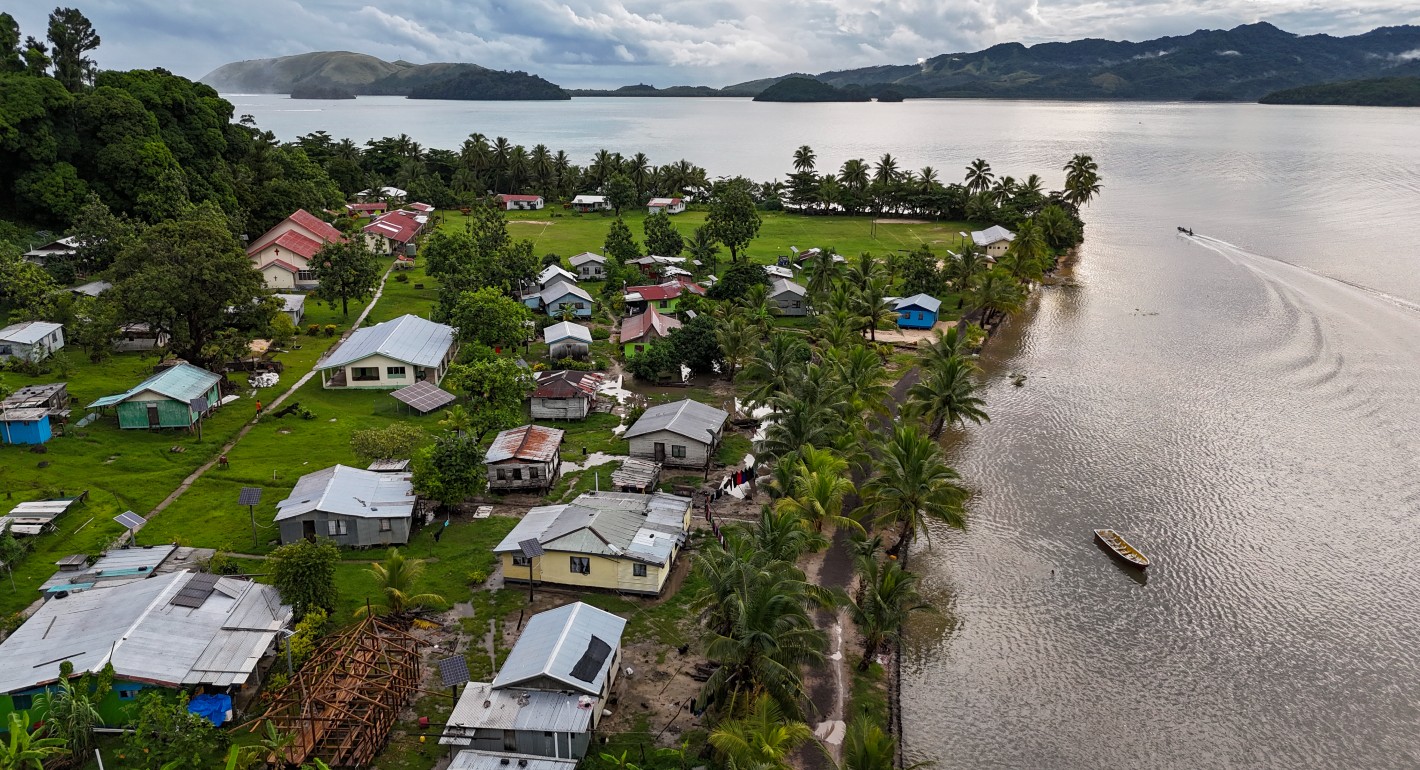
Climate mobility interventions can vary, but they all present opportunities to unlock transformative results that mitigate costs associated with inaction.

Alejandro Martin Rodriguez
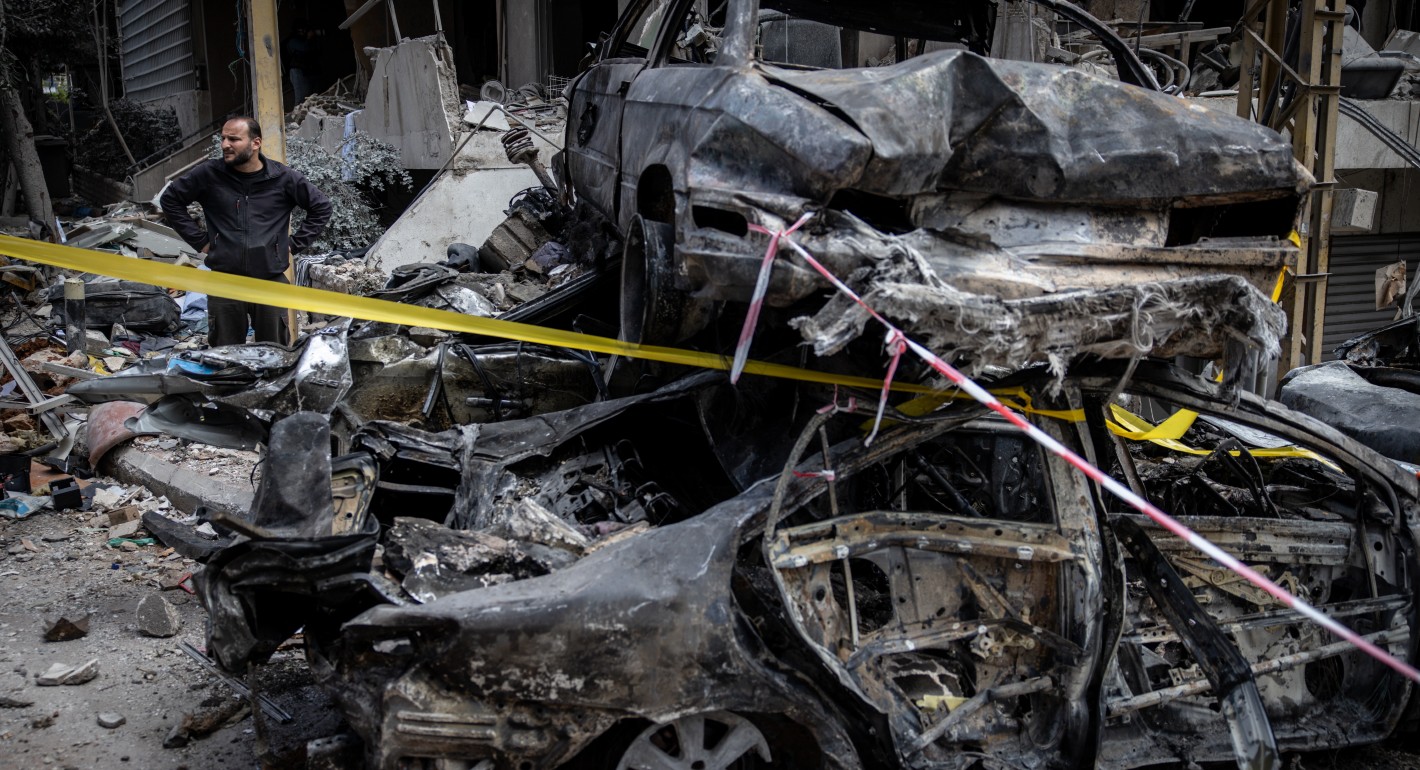
Four Middle East experts analyze the region’s reactions and next steps.



Amr Hamzawy, Andrew Leber, Eric Lob, …
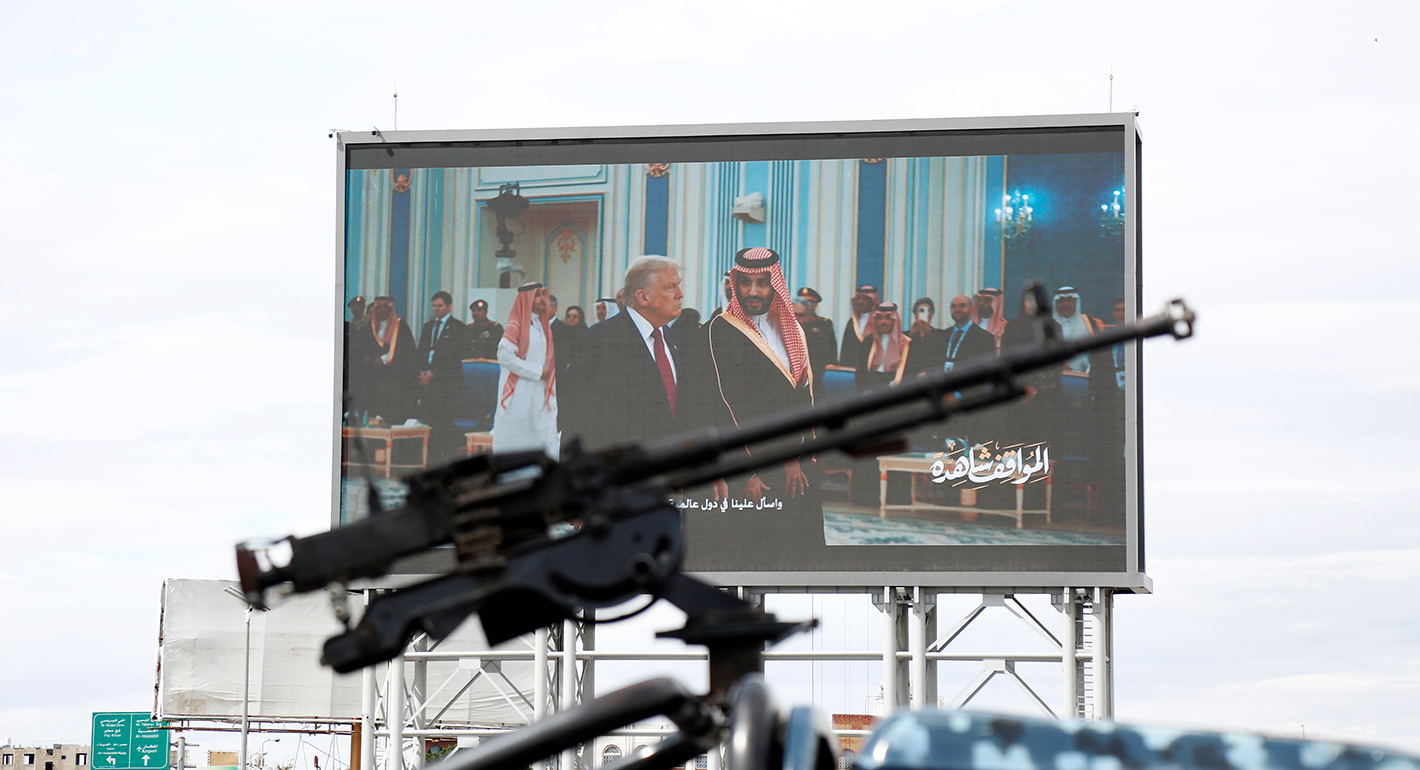
As the war between the United States, Israel, and Iran continues, Carnegie scholars contribute cutting-edge analysis on the events of the war and their wide-reaching implications. From the impact on Iran and its immediate neighbors to the responses from Gulf states to fuel and fertilizer shortages caused by the effective shutdown of the Strait of Hormuz, the war is reshaping Middle East alliances and creating shockwaves around the world. Carnegie experts analyze it all.
The return of war as the organizing factor in Middle Eastern politics has predictable consequences: governments are prioritizing regime stability and becoming averse to political and social reform.

Sarah Yerkes, Amr Hamzawy

Central Asia’s digital ambitions are achievable, but only if policy is aligned with the region’s physical constraints.

Aruzhan Meirkhanova