• Research
  • About
  • Experts
Carnegie India logoCarnegie lettermark logo
Technology
{
  "authors": [
    "Deborah Gordon"
  ],
  "type": "other",
  "centerAffiliationAll": "",
  "centers": [
    "Carnegie Endowment for International Peace"
  ],
  "collections": [],
  "englishNewsletterAll": "",
  "nonEnglishNewsletterAll": "",
  "primaryCenter": "Carnegie Endowment for International Peace",
  "programAffiliation": "",
  "programs": [
    "Sustainability, Climate, and Geopolitics"
  ],
  "projects": [
    "Carnegie Oil Initiative"
  ],
  "regions": [
    "North America",
    "United States"
  ],
  "topics": [
    "Climate Change"
  ]
}
Other

Future Surprises That Could Shock the World

Taxing climate pollution instead of productivity will be a societal breakthrough.

Link Copied
By Deborah Gordon
Published on Sep 14, 2016
Project hero Image

Project

Carnegie Oil Initiative

The Carnegie Oil Initiative analyzed global oils, assessing their differences from climate, environmental, economic, and geopolitical perspectives. This knowledge provides strategic guidance and policy frameworks for decision making.

Learn More

Source: International Economy

First it was the 2008 global financial crisis. Then the Arab Spring. Then Brexit. International conventional wisdom always seems unaware of the big changes about to unfold. There are in the present few facts about the future. Ten years ago, for example, who would have predicted surprise developments such as negative interest rates, the potential breakup of the European Union, the Donald Trump/Bernie Sanders effect, drones, the use of driverless cars, the rise of ISIS, the myriad uses of artificial intelligence and big data, U.S. energy independence, the emergence of the Zika virus, or the rate at which robots are taking away jobs. TIE asked more than fifty top thinkers to look ahead ten years at what outside-the-box developments could shock the world.

Taxing climate pollution instead of productivity will be a societal breakthrough.

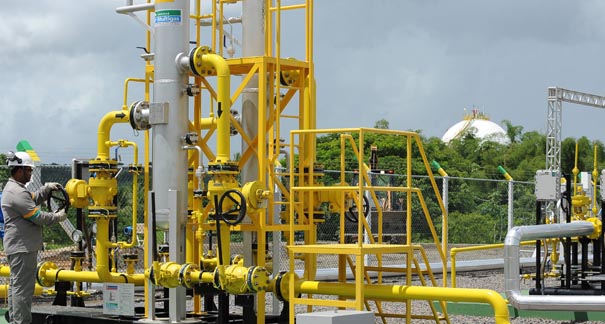
Carbon will be taxed on a global scale. This policy transformation will start in the United States, despite current hurdles from both political parties. Canada and Mexico will follow the United States. This makes sense since 80 percent of oil consumed in the United States is now sourced from within North America and the vast majority of petroleum products refined in the United States are consumed on this continent.

But it won’t stop here. The United States and Canada will lead the way for other nations to establish carbon markets. Taxing climate pollution instead of productivity will be a societal breakthrough.

The burning question remains: Will the United States design a smart tax that prices fossil fuels individually based on carbon emissions, or issue a blunt tax on fossil fuels? Pricing fossil fuels—especially oil—for a safe climate is most effective if the tax differentiates among the very different chemical entities that today all go by the name “a barrel of oil.” It must also account for greenhouse gas emissions along the entire oil supply chain: production, refining, transport, and end product use. And it must apply to ancillary byproducts, like petroleum coke and residual oils, that do not fuel the transport sector.

A grand bargain that ultimately makes a U.S. carbon tax politically attractive will include: (1) eliminating the need for the increasingly unpopular and perennially thwarted gas tax before it hits its 2032 centennial mark; (2) spreading climate responsibility fairly to the myriad of oil supply chain stakeholders—from producers to refiners and truckers to airlines and motorists to manufacturers; (3) spending a portion of its proceeds to fund rebates to lower- and middle-class Americans; and (4) cutting the corporate income tax. While this policy will start with oil, it will eventually spread to other fossil fuels, leading to sought-after regulatory relief for gas and coal.

This article was originally published in the International Economy.

Deborah Gordon
Former Director and Senior Fellow, Energy and Climate Program
Deborah Gordon
Climate ChangeNorth AmericaUnited States

Carnegie India does not take institutional positions on public policy issues; the views represented herein are those of the author(s) and do not necessarily reflect the views of Carnegie, its staff, or its trustees.

More Work from Carnegie India

  • Commentary
    The Impact of U.S. Sanctions and Tariffs on India’s Russian Oil Imports

    This piece examines India’s response to U.S. sanctions and tariffs, specifically assessing the immediate market consequences, such as alterations in import costs, and the broader strategic implications for India’s energy security and foreign policy orientation.

      Vrinda Sahai

  • Commentary
    NISAR Soars While India-U.S. Tariff Tensions Simmer

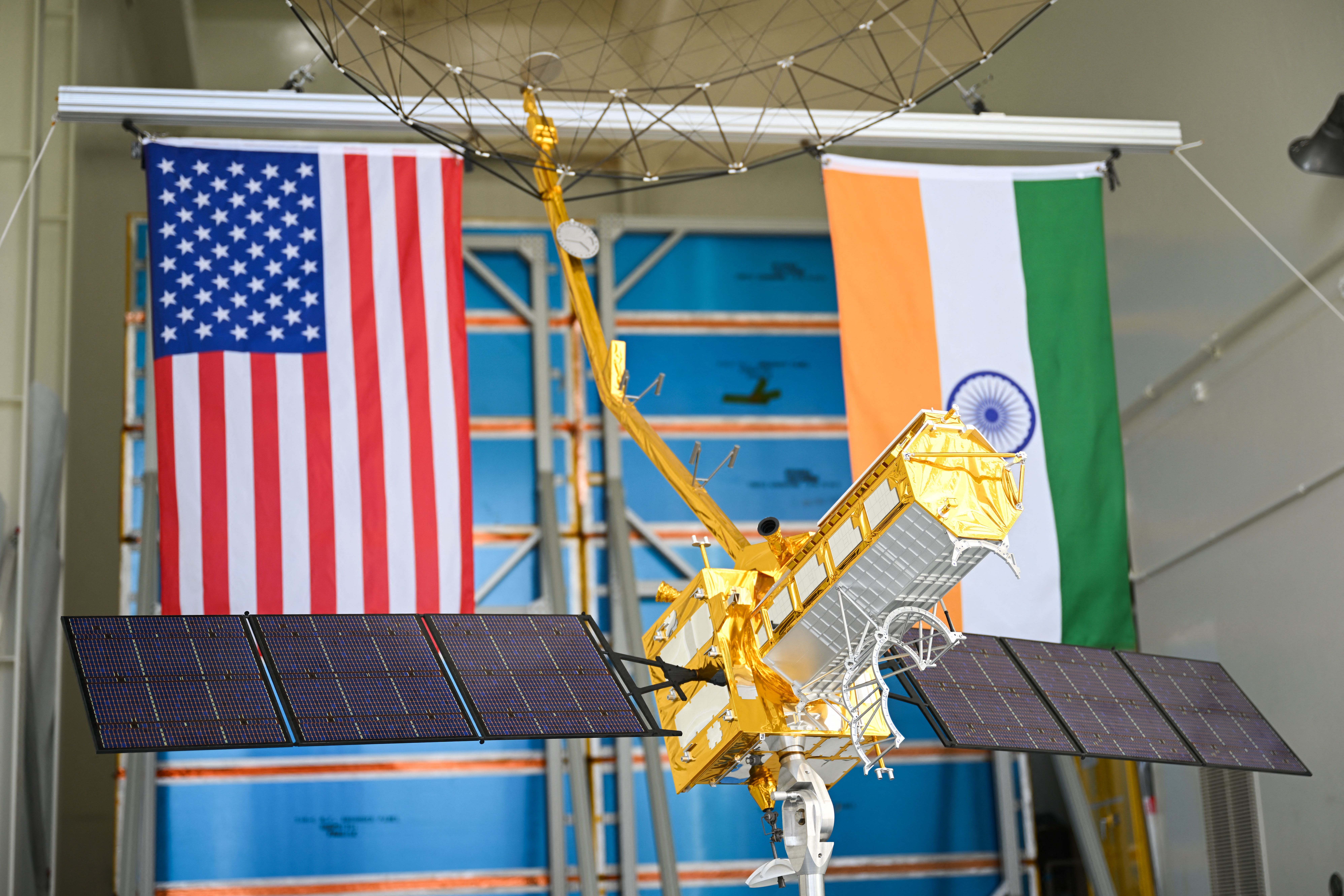
    On July 30, 2025, the United States announced 25 percent tariffs on Indian goods. While diplomatic tensions simmered on the trade front, a cosmic calm prevailed at the Sriharikota launch range. Officials from NASA and ISRO were preparing to launch an engineering marvel into space—the NASA-ISRO Synthetic Aperture Radar (NISAR), marking a significant milestone in the India-U.S. bilateral partnership.

      Tejas Bharadwaj

  • Commentary
    TRUST and Tariffs

    The India-U.S. relationship currently appears buffeted between three “Ts”—TRUST, Tariffs, and Trump.

      Arun K. Singh

  • Commentary
    The India-U.S. TRUST Initiative: Advancing Semiconductor Supply Chain Cooperation

    As part of the TRUST initiative, leaders of the two countries committed to building trusted and resilient supply chains, including for semiconductors and critical minerals. India and the United States have made steady progress in this area over the years. This essay explores the takeaways from discussions on semiconductor supply chains that took place at Carnegie India’s 9th Global Technology Summit.

      Konark Bhandari

  • Commentary
    The India-U.S. TRUST Initiative: A Resilient Pharma Supply Chain

    This essay takes stock of the early momentum generated by the joint leaders’ commitment to catalyze public and private investments in building Indian manufacturing capacity—both domestically and in the United States—for active pharmaceutical ingredients (APIs) for critical medicines.

      Shruti Sharma

Get more news and analysis from
Carnegie India
Carnegie India logo, white
Unit C-4, 5, 6, EdenparkShaheed Jeet Singh MargNew Delhi – 110016, IndiaPhone: 011-40078687
  • Research
  • About
  • Experts
  • Projects
  • Events
  • Contact
  • Careers
  • Privacy
  • For Media
Get more news and analysis from
Carnegie India
© 2026 Carnegie Endowment for International Peace. All rights reserved.