

Article
Fonteh Akum




Ian Klaus, Stewart Patrick
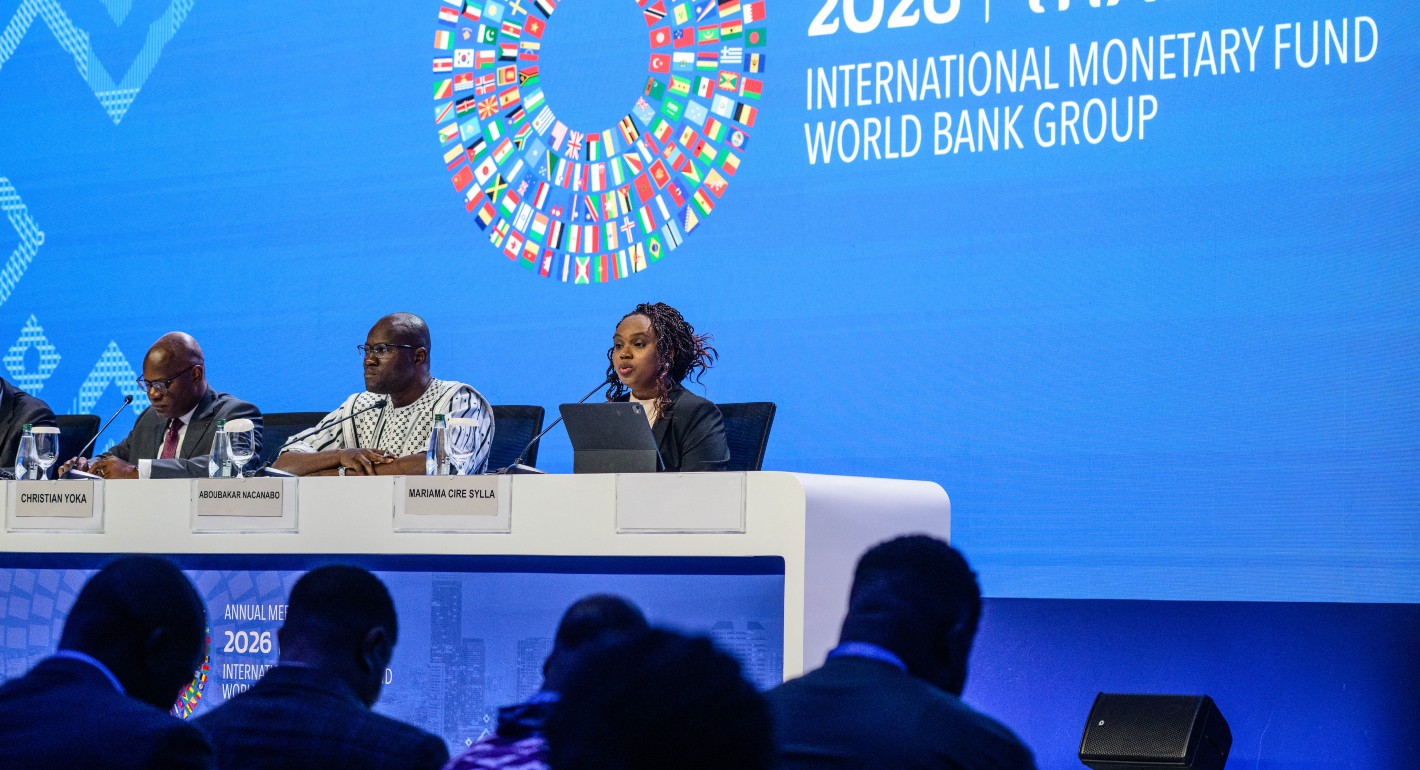

Jennifer B. Murtazashvili


Alper Coşkun, Amr Hamzawy

Damien Ma

Sergey Vakulenko
About the Carnegie Endowment
The Carnegie Endowment for International Peace generates strategic ideas and independent analysis, supports diplomacy, and trains the next generation of scholar-practitioners to help countries and institutions take on the most difficult global problems and advance peace.
Trending Topics and Regions

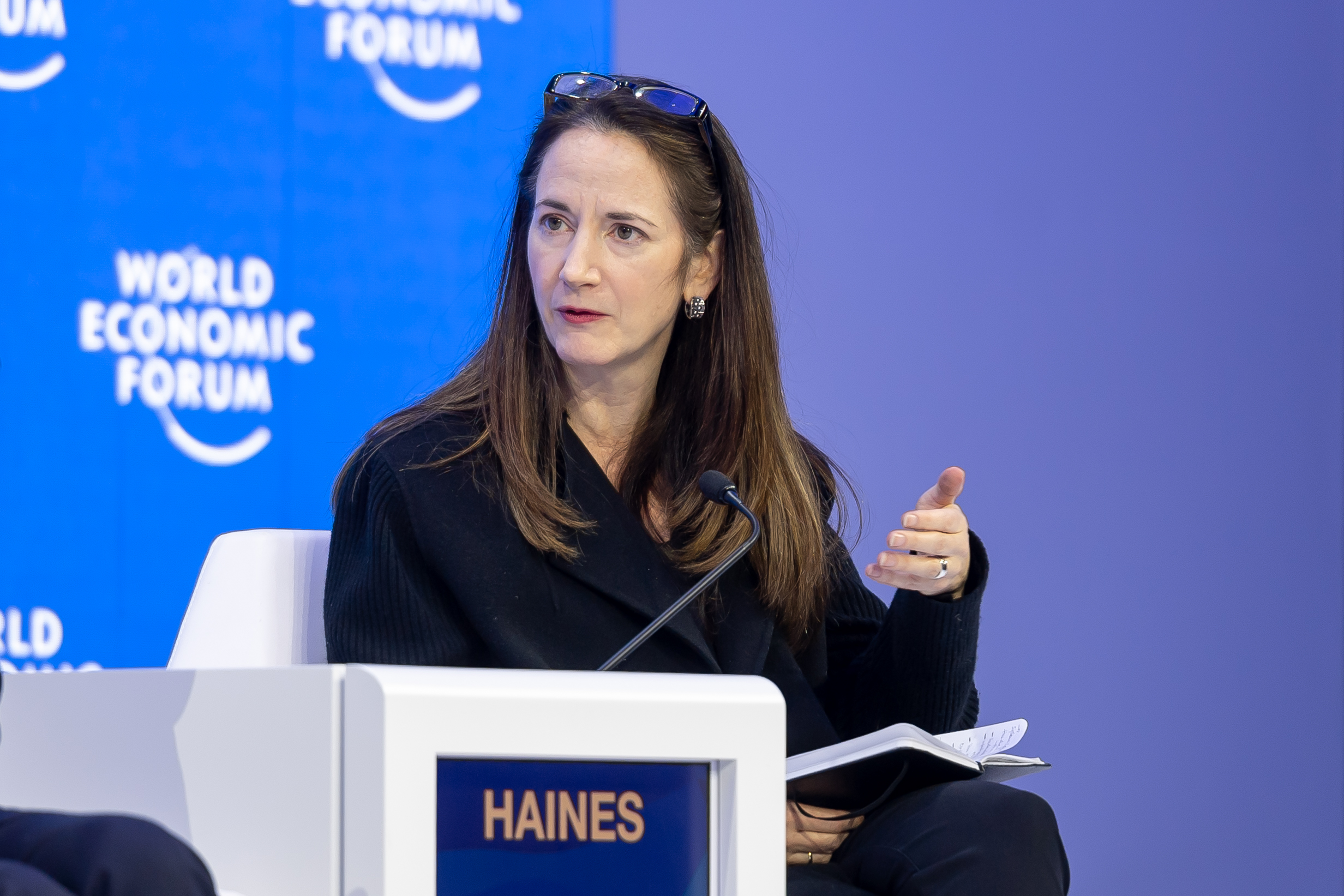
World Economic Forum, source: Sandra Blaser
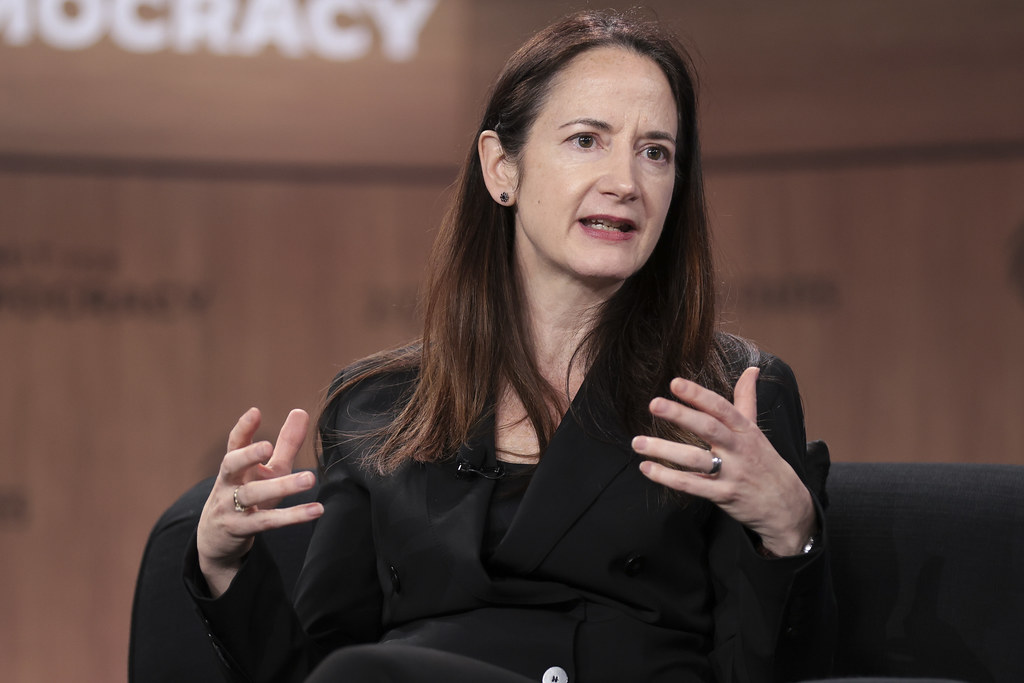
LBJ Library photo, source: Laura Skelding
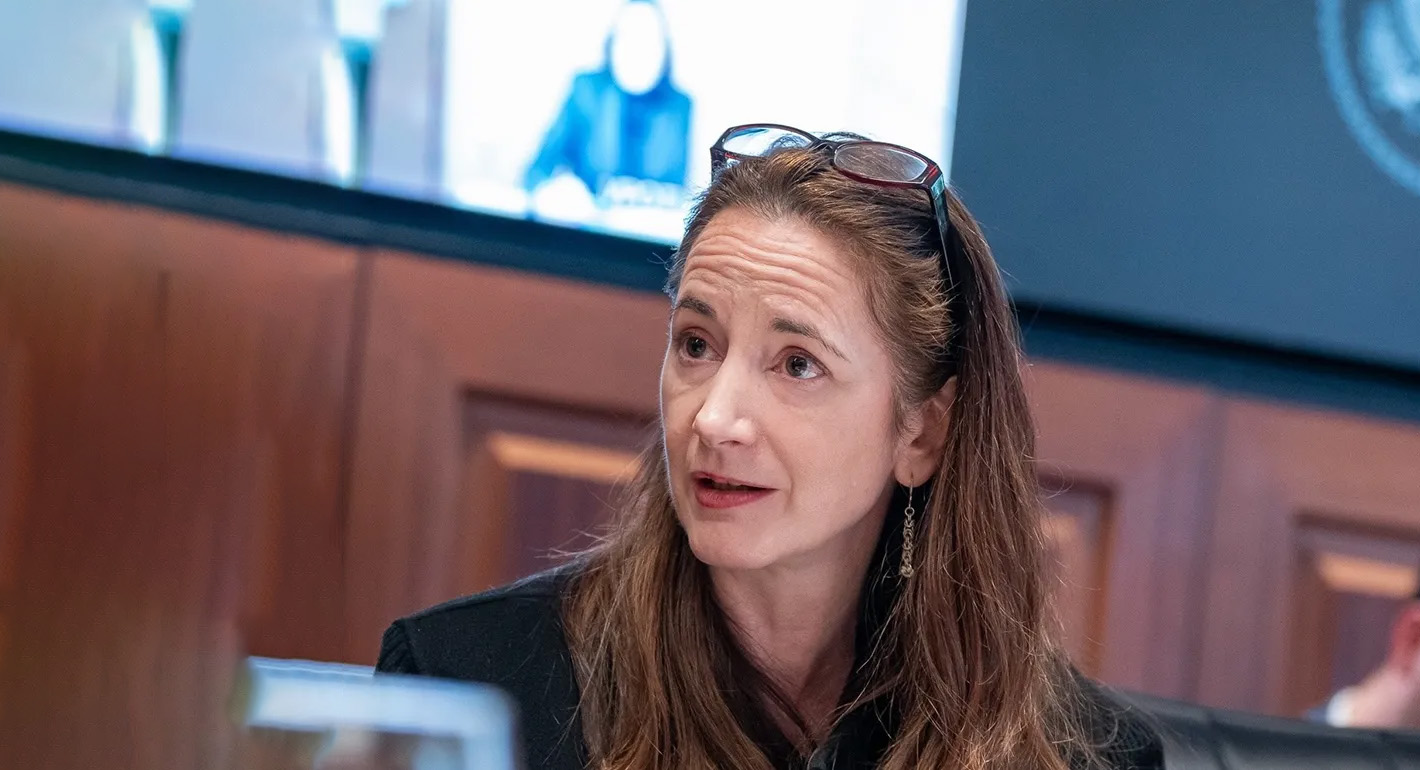
Avril Haines is the eleventh president of the Carnegie Endowment for International Peace, effective September 28.
Our scholars generate strategic ideas and independent analysis to help inform countries, institutions, and leaders as they take on the most difficult global problems.
Noah Gordon, Liana Schmitter-Emerson
Teddy Tawil
Our scholars from around the world provide decisionmakers with pragmatic recommendations to support viable long-term solutions to global challenges.
Alasdair Phillips-Robins, Teddy Tawil, Sam Winter-Levy

Zaha Hassan, Charles H. Johnson
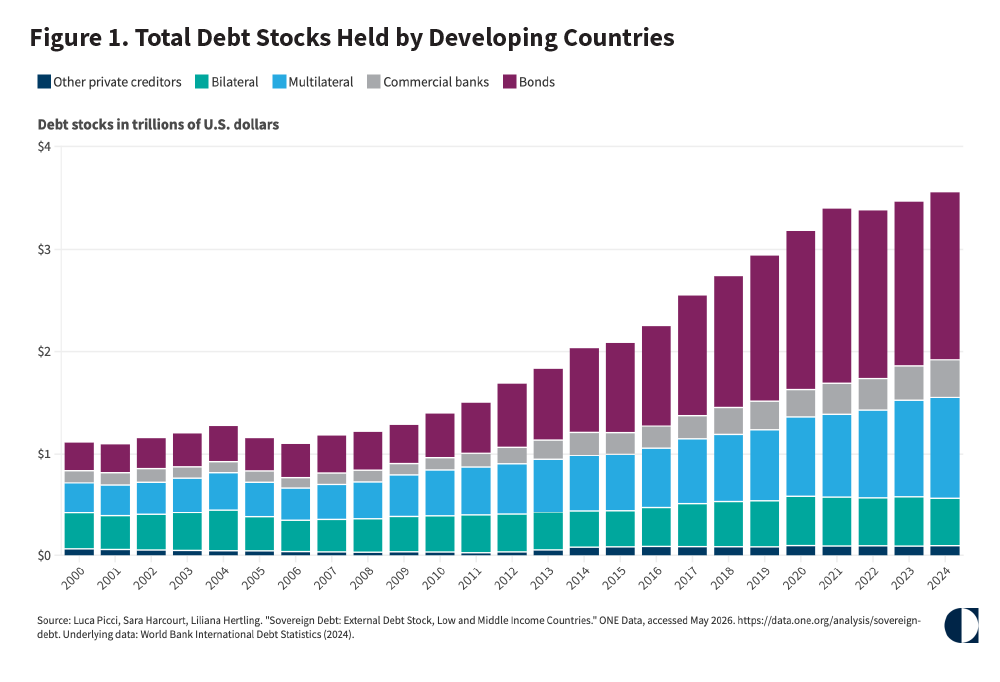
Chart of the week
Carnegie leverages data to understand the threats and opportunities affecting global security and well-being.
Explore David McNair's paper “The Debt Toll Booth: A Modular Solution to Addressing Sovereign Debt Crises.”
Carnegie scholars provide topical analysis on democracy, technology, climate, and other issues within the regional context in Asia, Africa, Europe, East and South Asia, the Middle East, Russia and Eurasia, the United States, and Latin America.
Carnegie’s regular series of global public events, both virtual and in person, bring together top experts to discuss and debate pressing threats to global security and provide solutions.


Dana El Kurd, Mai El-Sadany, Sarah Yerkes, …


Aaron David Miller, Natan Sachs


Gert Jan Koopman, Rosa Balfour, Stefan Lehne, …
Discover what’s driving today’s hottest global issues with Carnegie Explainers.
With expert insights and rich visuals, our scholars bring clarity to complex foreign policy issues, providing a deeper understanding of critical geopolitical challenges.
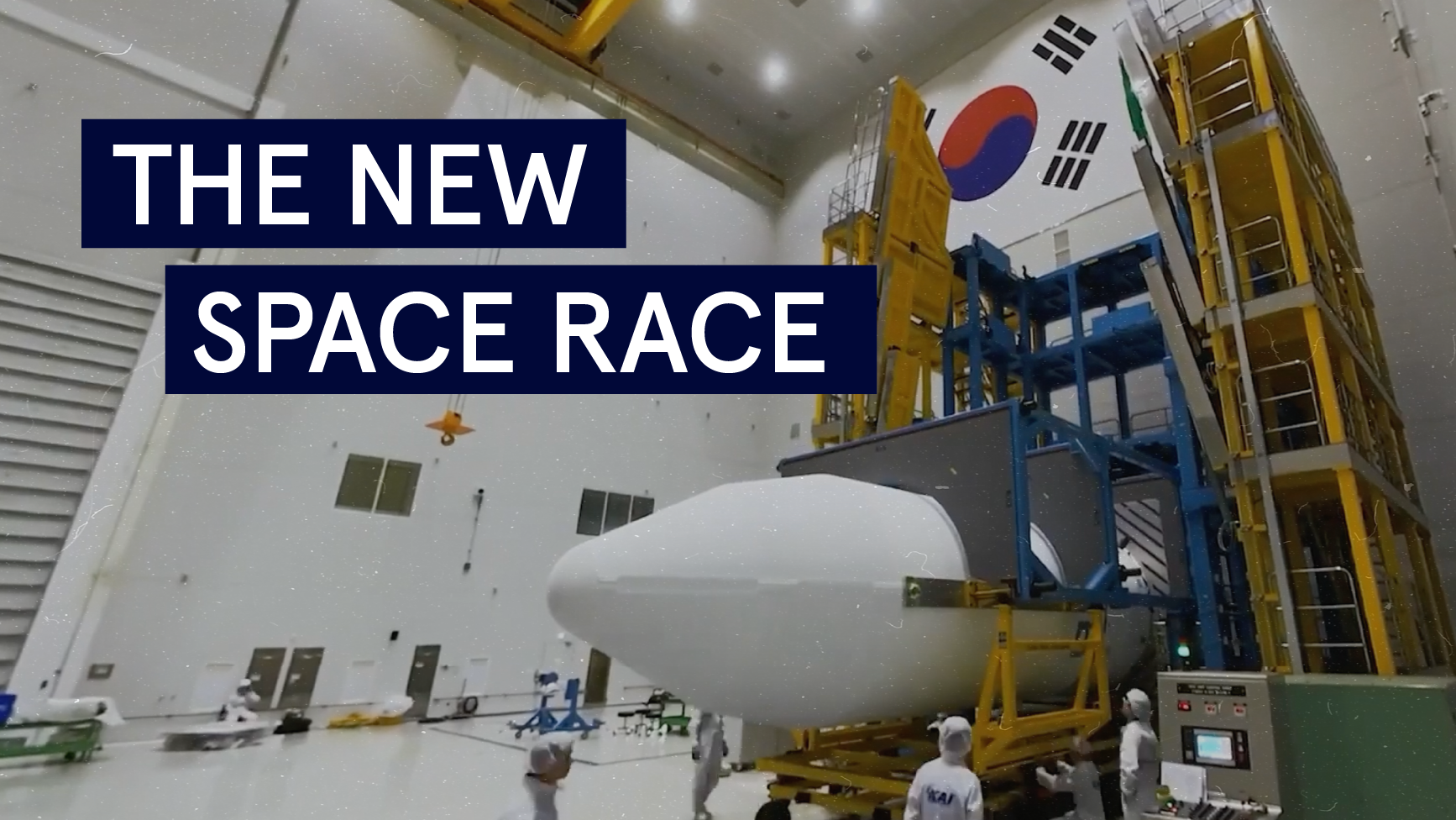
Today’s space race is shaped by national ecosystems, from launch infrastructure and industrial policy to education, financing, and international partnerships.

Darcie Draudt-Véjares
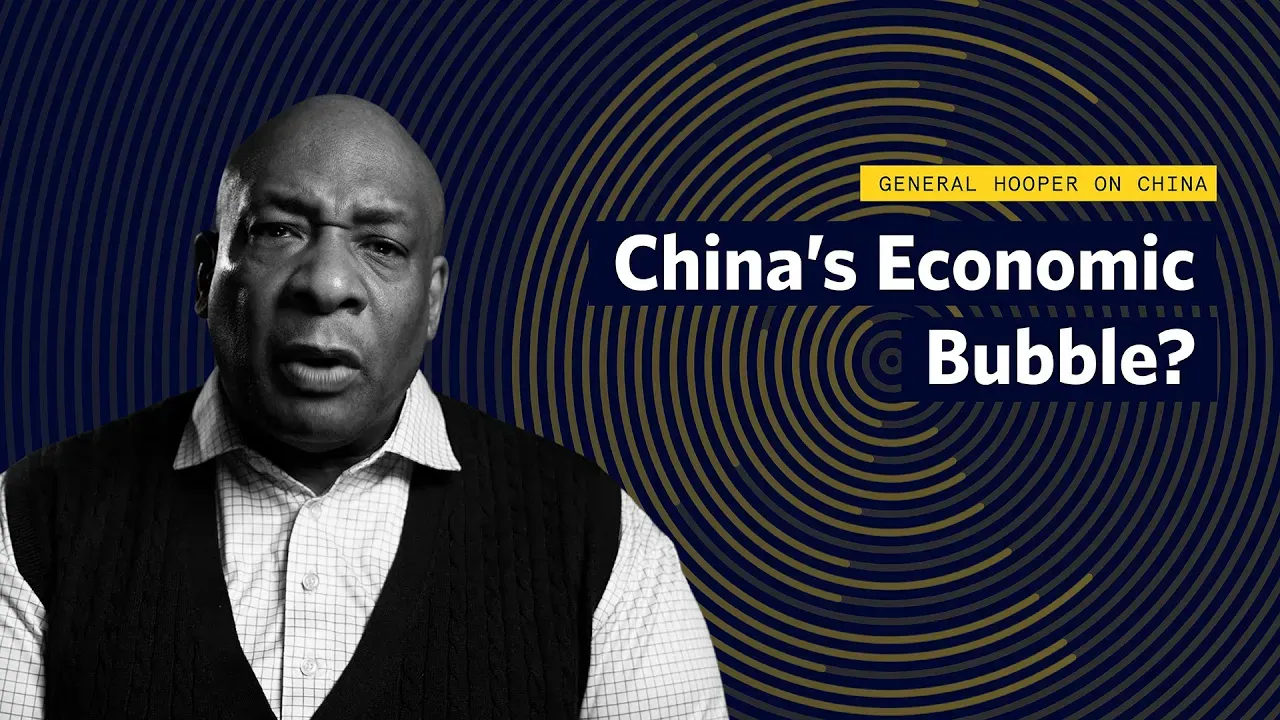
Lt. General Hooper explains China’s serious economic challenges, including a slowing economy, a fragile real estate sector, underemployment, and an aging population.
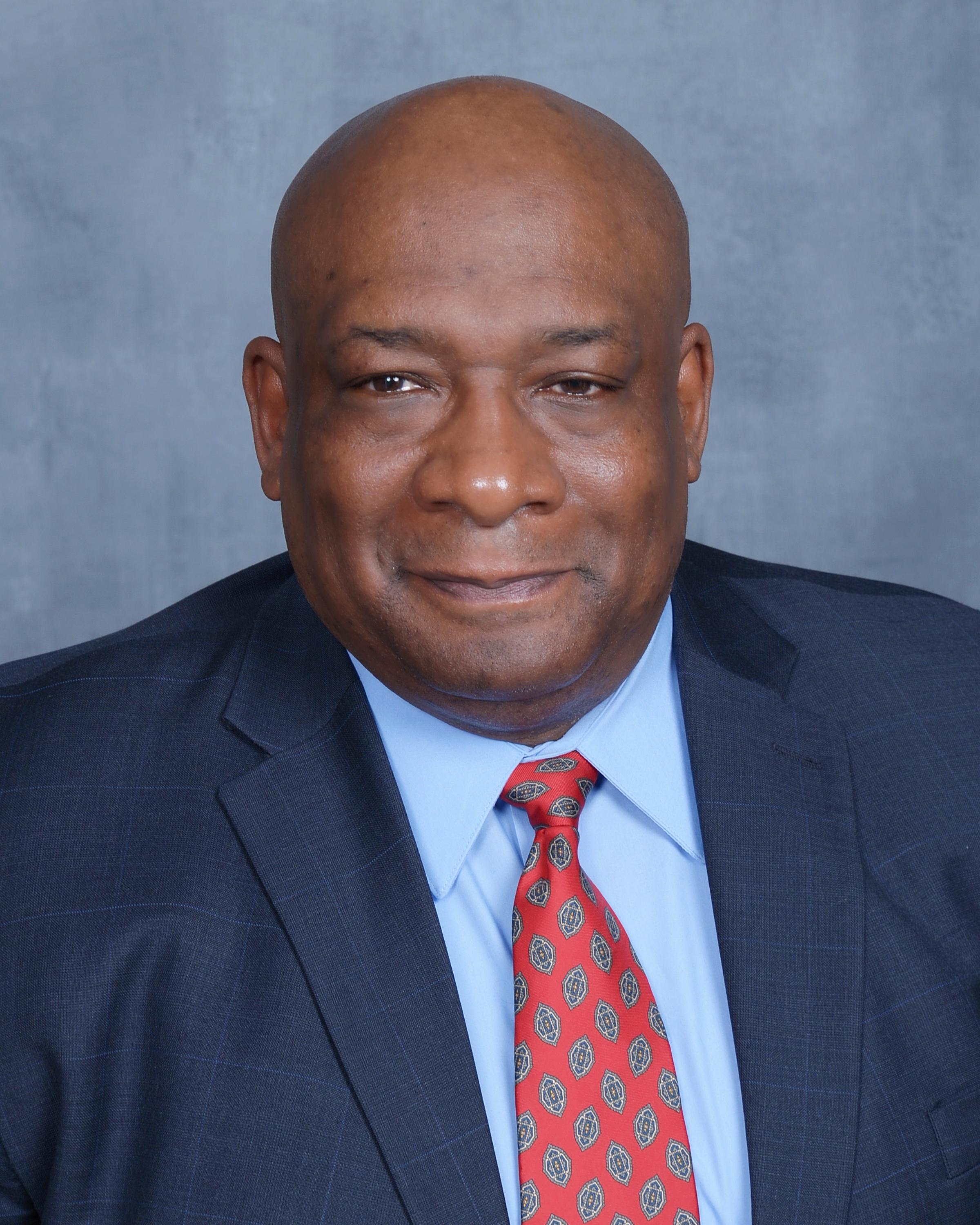
Charles Hooper

Are the United States and China on a path toward war?
Charles Hooper