
• Research
  • About
  • Experts
Carnegie India logoCarnegie lettermark logo
Technology
{
  "authors": [
    "Erik Brattberg",
    "James L. Schoff"
  ],
  "type": "commentary",
  "centerAffiliationAll": "",
  "centers": [
    "Carnegie Endowment for International Peace",
    "Carnegie Europe",
    "Carnegie Russia Eurasia Center"
  ],
  "collections": [],
  "englishNewsletterAll": "",
  "nonEnglishNewsletterAll": "",
  "primaryCenter": "Carnegie Endowment for International Peace",
  "programAffiliation": "",
  "programs": [
    "Asia",
    "Europe"
  ],
  "projects": [],
  "regions": [
    "North America",
    "United States",
    "East Asia",
    "Japan",
    "Western Europe",
    "Asia",
    "Europe",
    "Iran"
  ],
  "topics": [
    "Economy",
    "Trade",
    "Foreign Policy",
    "EU"
  ]
}
Commentary

Can the EU-Japan Deal Prompt a U.S. Recalibration on Trade?

Brussels and Tokyo are stepping up at a time when Washington is retrenching from its traditional leadership role on global trade issues.

Link Copied
By Erik Brattberg and James L. Schoff
Published on Jul 12, 2017

Source: Diplomat

Nowhere is U.S. President Donald Trump’s antipathy for multilateral trade liberalization hitting harder than in Europe and Japan. Both have the U.S.-led international rules-based order to thank for enabling their present-day security and prosperity. And as major export-oriented economies, they share a huge stake in shaping the future global economic order. It is not surprising, therefore, to see Brussels and Tokyo stepping up at a time when Washington is retrenching from its traditional leadership role on global trade issues. Their agreement on a free-trade pact timed with the G20 meeting in Germany can be as substantive as it is symbolic, raising the key question of whether it might serve as a turning point for the United States as the Trump administration decides on its future trade agenda.

Both the EU and Japan have for years had their eyes on separate trade agreements involving the United States — for Japan, the 12-nation Trans-Pacific Partnership (TPP), and for the EU, the Transatlantic Trade and Investment Partnership (TTIP). The prospect of deepened trade integration with the United States served both economic and geostrategic rationales.

The EU and Japan viewed their prospective trade deals with the United States as a way to uphold the international rules-based order by setting high joint standards (in such areas as labor, safety, digital trade, and environmental and consumer protection) underpinned by shared norms and values that would force emerging powers like China to accommodate. Moreover, TPP and TTIP would, respectively, serve to complement and deepen Japan and the EU’s security partnerships with Washington at a time of growing pressure from China in Asia and Russia in Europe.

Trump’s early decision to withdraw the United States from TPP and de facto freeze the TTIP negotiations was accordingly a major setback to Tokyo and European capitals, and it intensified Japan and Europe’s desire to strike their own trade deal with each other. While the bilateral EU-Japan trade negotiations date back to 2013, the Trump administration’s economic nationalism and protectionist rhetoric incentivized both sides to announce their “agreement in principle” on the Japan-EU Economic Partnership Agreement (JEEPA) ahead of the G20 meeting in Hamburg in early July....

Read Full Text

This article was originally published in the Diplomat.

Authors

Erik Brattberg
Former Director, Europe Program, Fellow
Erik Brattberg
James L. Schoff
Former Senior Fellow, Asia Program
James L. Schoff
EconomyTradeForeign PolicyEUNorth AmericaUnited StatesEast AsiaJapanWestern EuropeAsiaEuropeIran

Carnegie India does not take institutional positions on public policy issues; the views represented herein are those of the author(s) and do not necessarily reflect the views of Carnegie, its staff, or its trustees.

More Work from Carnegie India

  • Commentary
    The Impact of U.S. Sanctions and Tariffs on India’s Russian Oil Imports

    This piece examines India’s response to U.S. sanctions and tariffs, specifically assessing the immediate market consequences, such as alterations in import costs, and the broader strategic implications for India’s energy security and foreign policy orientation.

      Vrinda Sahai

  • Paper
    India-China Economic Ties: Determinants and Possibilities

    This paper examines the evolution of India-China economic ties from 2005 to 2025. It explores the impact of global events, bilateral political ties, and domestic policies on distinct spheres of the economic relationship.

      Santosh Pai

  • Commentary
    NISAR Soars While India-U.S. Tariff Tensions Simmer

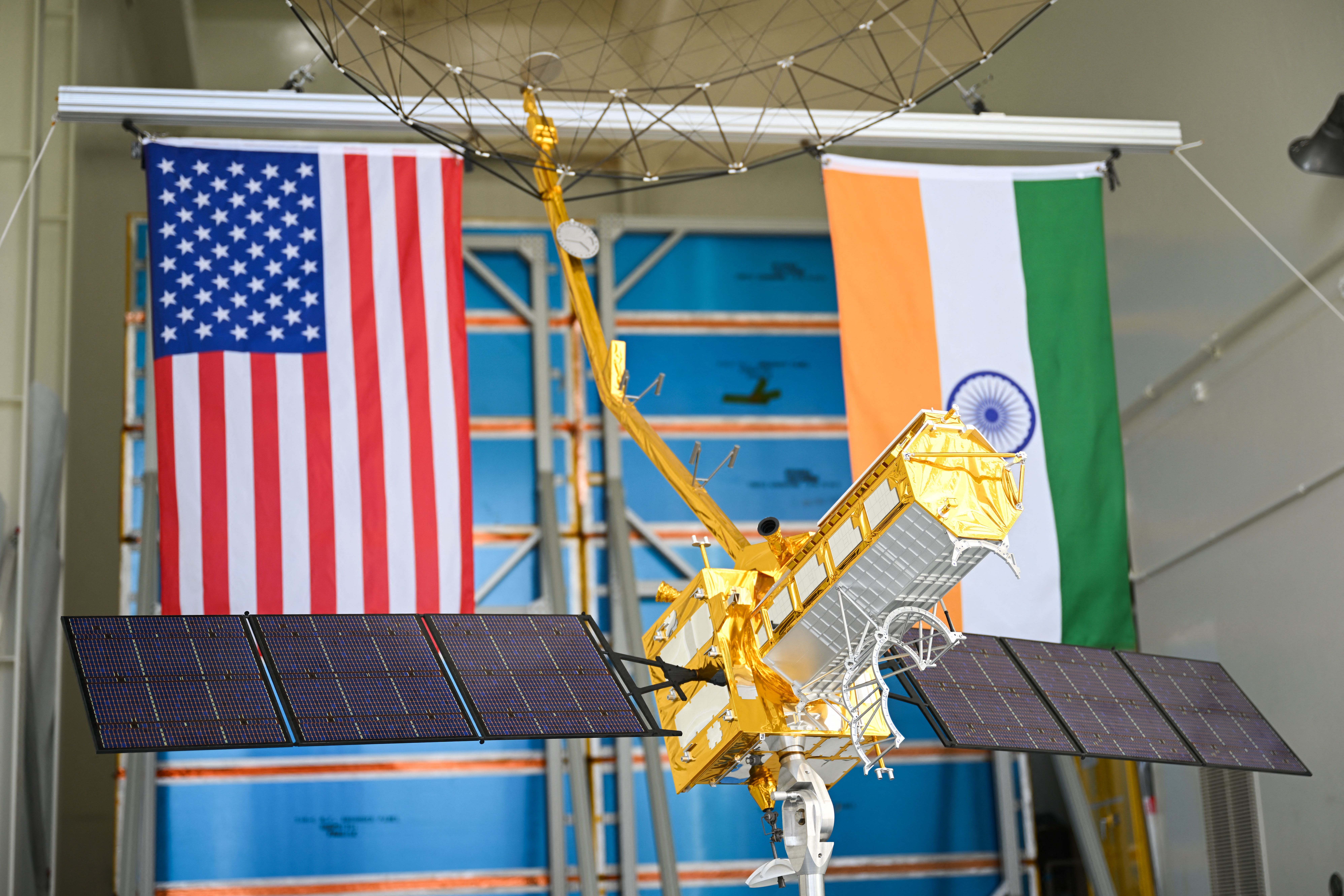
    On July 30, 2025, the United States announced 25 percent tariffs on Indian goods. While diplomatic tensions simmered on the trade front, a cosmic calm prevailed at the Sriharikota launch range. Officials from NASA and ISRO were preparing to launch an engineering marvel into space—the NASA-ISRO Synthetic Aperture Radar (NISAR), marking a significant milestone in the India-U.S. bilateral partnership.

      Tejas Bharadwaj

  • Commentary
    TRUST and Tariffs

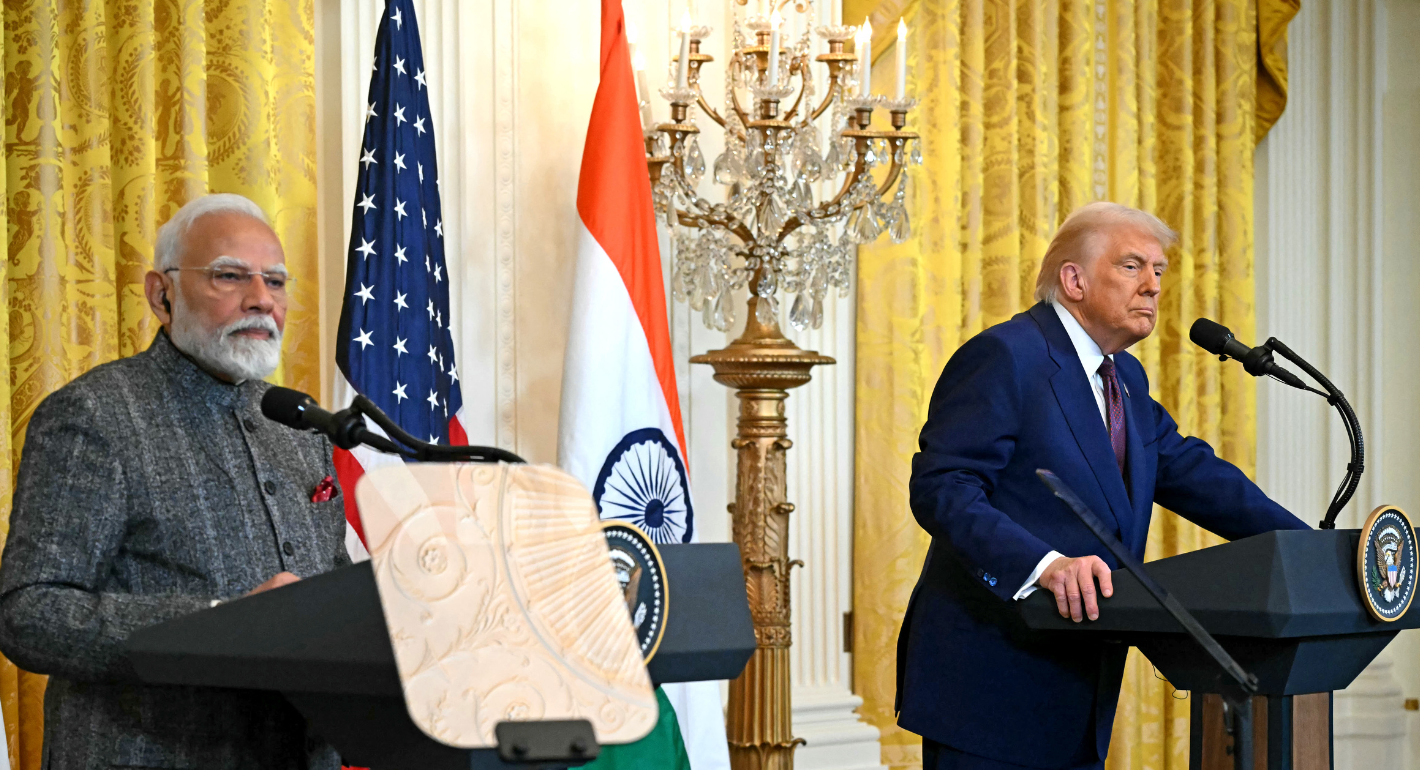
    The India-U.S. relationship currently appears buffeted between three “Ts”—TRUST, Tariffs, and Trump.

      Arun K. Singh

  • Commentary
    Indian Airstrikes in Pakistan: May 7, 2025

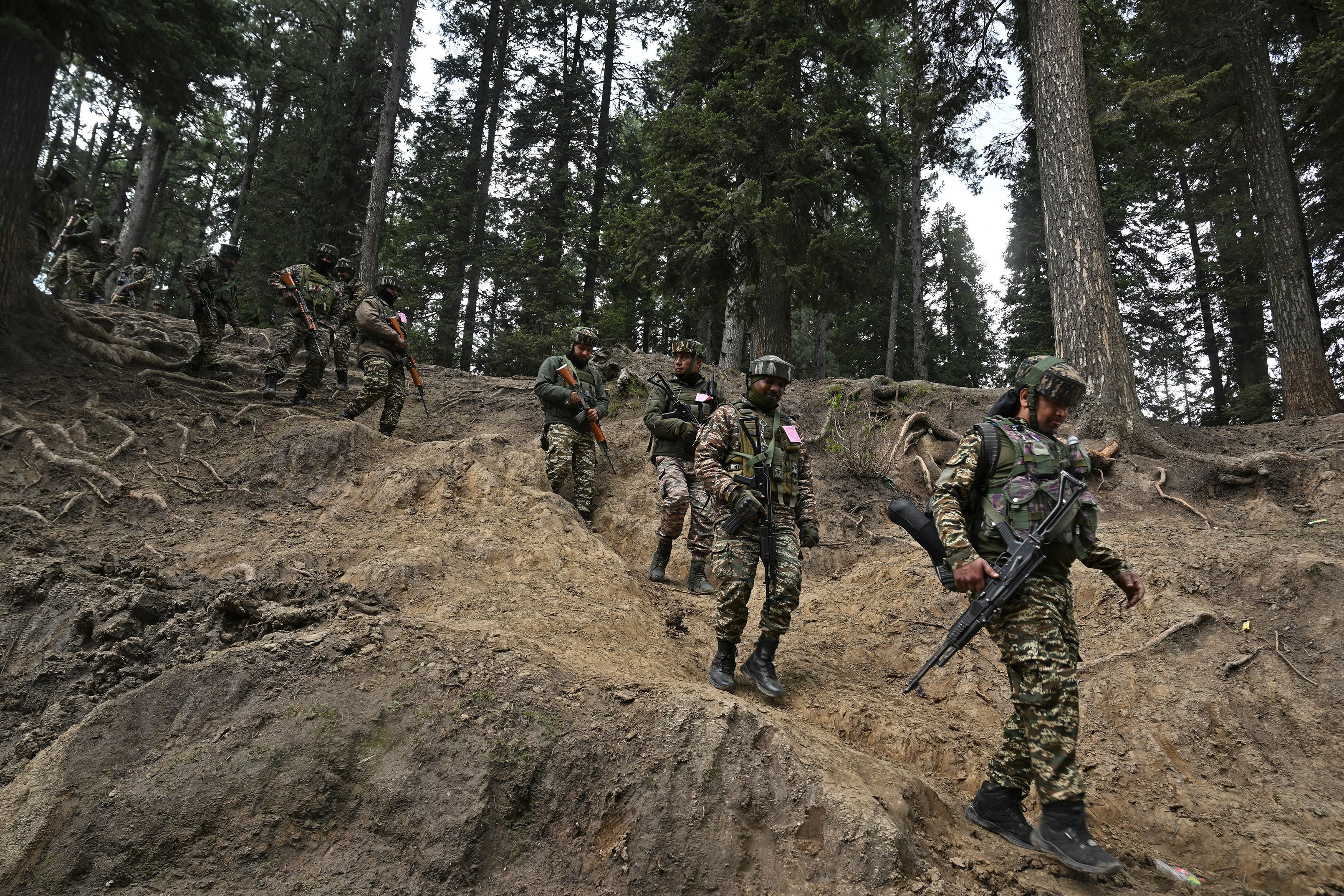
    On May 7, 2025, between 1:05 and 1:30 a.m. (IST), airstrikes carried out by the Indian Air Force hit nine locations inside Pakistan and Pakistan occupied Kashmir (PoK). It was codenamed Operation Sindoor.

      Rudra Chaudhuri

Get more news and analysis from
Carnegie India
Carnegie India logo, white
Unit C-4, 5, 6, EdenparkShaheed Jeet Singh MargNew Delhi – 110016, IndiaPhone: 011-40078687
  • Research
  • About
  • Experts
  • Projects
  • Events
  • Contact
  • Careers
  • Privacy
  • For Media
Get more news and analysis from
Carnegie India
© 2026 Carnegie Endowment for International Peace. All rights reserved.