Source: Washington Post
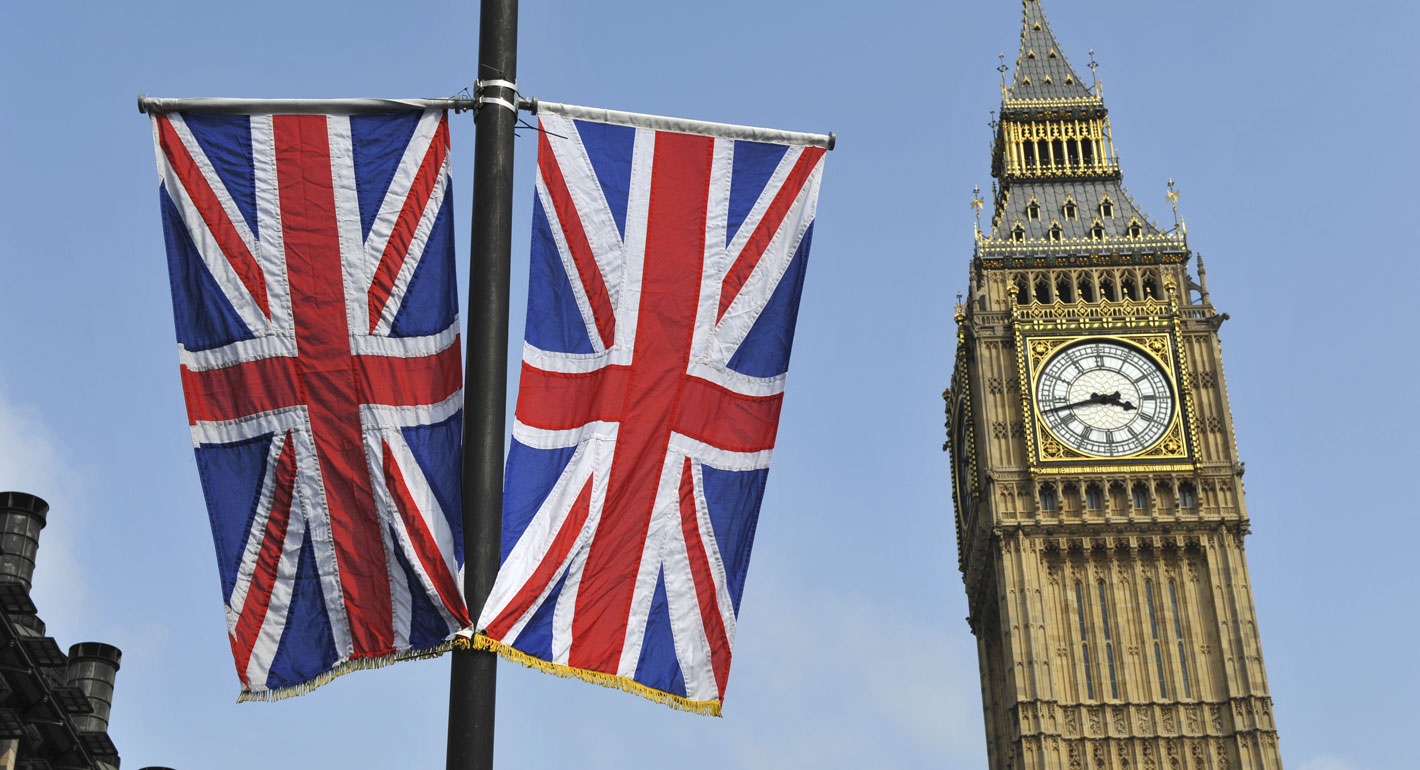
It is time for Britain to leave the European Union — with or without a deal. The prospect, as least rhetorically, horrifies the rest of the 27 E.U. member states. Hardly a day goes by without leaders or ministers pleading with the British government to spell out if it wants to leave (or indeed stay).
It got worse on Tuesday. The British Parliament opposed a “no-deal Brexit.” Prime Minister Theresa May now wants to go back to Brussels to renegotiate the original deal that she signed onto over the status of the border between Northern Ireland and the Republic of Ireland.
The truth is that E.U. diplomats and leaders are now thoroughly fed up with the staggering incompetence of the British government, the opposition and the Brexit and Remainer camps. They all know that Brexit has been a distraction at a time when Europe is trying to deal with its changing geopolitical position toward the United States and China. They want the whole Brexit saga to end.
Britain has always had an ambiguous relationship with the E.U. since it joined in 1973. It is time to end this ambiguity. Continuing British membership in the E.U., prompted by another referendum or whatever messy compromise, would be poisonous.
The divides between Brexiteers and Remainers are so deep that any British E.U. delegation would be paralyzed. The United Kingdom’s hapless diplomats, whose foreign ministry back in London has been drained of talent because of inept leadership, would be constantly looking over their shoulders. They would fear making any statement about further reform of the European institutions. They would block any attempts to give Europe’s defense, security and foreign policy real teeth.
Also, a continuing British presence in the E.U. could not claim an unqualified mandate from the British people. British policy toward the E.U. would be schizophrenic, even destructive. This is not what the E.U. needs, especially given the rise of populist movements — one of many uncertainties currently facing Europe.
The other uncertainty is NATO. More member states are slowly coming around to the idea that the U.S. commitment to NATO is waning. They know the Europeans will have to spend more on their own defense, to take the security of their continent seriously and to reassure the United States that they are not piggy-backing on their big ally.
Yet it was Britain that blocked the E.U. from establishing a common military headquarters when Barack Obama was proclaiming his “pivot” to Asia. It was Britain, egged on by the anti-E.U. British tabloids, that accused the European Commission (the E.U.’s executive branch) of wanting a more integrated defense policy, even a European army — something that is highly unlikely to come about within the foreseeable future.
The E.U. as a collective has no common strategic outlook and hates the idea of hard power, while most individual member states oppose ceding sovereignty to Brussels over defense. British objections to a common European defense and security policy exacerbated and exploited these differences.
A Europe without Britain, however, would find it much easier to set up coalitions of the willing on specific issues while bypassing the E.U., something that France wants because E.U. defense is going nowhere.
This suits Britain. It could join such coalitions. As for Germany, it has used Britain’s opposition to more defense integration as an alibi for inaction. Brexit could therefore help the E.U. to clarify what it wants to become.
The Irish rightly dread a no-deal Brexit. It could lead to the introduction of border controls between Northern Ireland and the Republic of Ireland. Such controls disappeared thanks to the Good Friday Agreement that ended decades of sectarian violence in the province. The astonishing ignorance shown by Brexit supporters about the impact of a no-deal Brexit on the sustainability of the peace accord exposes the arrogance and shortsightedness of the governing elites, whether they belong to the ruling Tories or the opposition Labour Party.
There’s going to more than resentment in Ireland if Britain leaves. A peace process is at stake. It’s time for the Commission and the member states to bring Brexit to its logical conclusion. Get an exemption for Northern Ireland.
There is a precedent of sorts. The Russian exclave of Kaliningrad, which is sandwiched between E.U. members Poland and Lithuania, obtained a special exemption from the Commission in 2012. It allowed Kaliningraders to enter Poland visa-free as long as they remain within 30 kilometers (19 miles) of the border. It was a hugely successful decision.
That deal is now dead. The Polish government failed to appreciate the benefits of the exemption and canceled it — to great dissatisfaction on both sides of the border, since so many had benefited from it. Yet that innovation offers a possible model for a future post-Brexit Irish-Northern Ireland border.
The bottom line is that the E.U., freed from British ambivalence, would force European leaders to decide their own destiny. No more excuses.
This article was originally published by the Washington Post.