
• Research
  • About
  • Experts
Carnegie India logoCarnegie lettermark logo
Technology
China-U.S.: Google Is Just the Beginning

Source: Getty

Article

China-U.S.: Google Is Just the Beginning

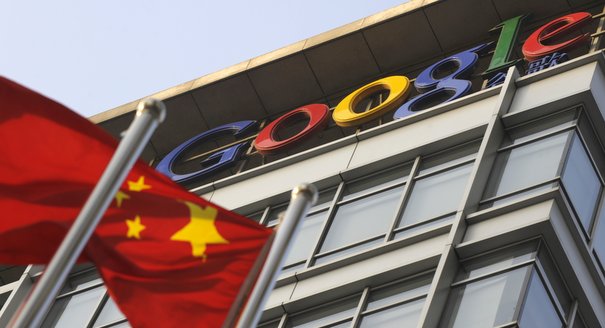
Google’s public dispute with China is likely just the beginning of a challenging year for U.S.-China relations, as ongoing tensions over Taiwan arms sales, trade disputes, and UN sanctions will continue to hamper bilateral cooperation.

Link Copied
By Douglas H. Paal
Published on Jan 21, 2010

Google’s executives deserve praise for finally standing up to Chinese hacking of its customers and demand for self-censorship.  Moreover, Google’s share of the world’s largest internet market was stagnating.  So if it leaves China, Google will repair its tarnished reputation for censorship while losing relatively little.  Conceivably, China might compromise eventually and Google would be a double winner, remaining in the market on better terms and fixing its brand name.  But don’t count on it.

This is going to be a hard year for U.S. relations with China.  Just last week, China openly announced a successful shot by its anti-missile system, something that starkly contradicts China’s “principled position” of opposing anti-missile systems and weapons in space.   Now, Google has pointed unambiguously to China as the source of a massive hacking operation against many corporations, individuals, and human rights activists in particular.

Over the next two months, President Obama can be expected to meet with His Holiness the Dalai Lama in the White House and to announce a sizeable if not terribly controversial package of arms sales to Taiwan. And Beijing’s diplomats are openly warning that there will be a strong Chinese reaction to these events.  Most likely, China’s President Hu Jintao will at the very least refuse to attend next April’s Nuclear Security Summit to be hosted by Obama.

And the downbeat news won’t stop there.  The U.S. is preparing a resolution toughening sanctions on Iran for a vote by the UN Security Council.  The U.S. wants China’s vote, but the Chinese UN envoy says it is premature.  Increasingly, Beijing rather than Moscow is the principal impediment to squeezing the Iranian nuclear weapons program.  China has prepared to invest heavily in Iran’s energy sector, and one suspects that foreign ministry worries are heavily outweighed by domestic economic interests at Chinese leadership councils.

On top of this, despite China’s sizeable increase in imports from the U.S., as its exports have declined, bilateral trade disputes appear likely to proliferate as we approach the November mid-term elections.

President Obama used his first year to build a positive relationship with Beijing seeking cooperation on the financial crisis, climate change and non-proliferation.  So far, Beijing has done more good than harm on the global economy.  The climate change outcome is a muddle, but somewhat more than nothing.  And reining in the nukes in North Korea and Iran remains a work in progress, or at least lots of work.

Too much has been made of the “G-2” concept, where the U.S. and China can be imagined to make the major decisions in the world together.  Neither capital is ready for that.  But on almost every major issue, from arms control to humanitarian assistance to peace keeping, there will not be progress if the U.S. and China cannot cooperate.

The challenge in the year ahead is for the two countries’ political elites to strengthen their capacity to handle both disputes and cooperation at the same time, and not have the former cancel out the latter.  China’s millennia of complex governance and America’s dynamism suggest this is possible, but it will require looking beyond this year’s mounting troubles and demands.

Given the hardening of China’s internal controls over the past two years, the prospects for an enlightened compromise with Google and the other items on the agenda seem problematic.  But if China stays hunkered down in grumpy resistance to the free flow of information, this will damage its ambitions to expand high value information technology industries.  Secretary of State Hillary Clinton’s call today for adding internet freedom to the diplomatic agenda will accentuate this reality.  The competing risks of turning a cold shoulder to the world’s concerns or relaxing its stance and freeing the flow of information into China should promote a lively debate in Beijing.

Douglas H. Paal
Distinguished Fellow, Asia Program
Douglas H. Paal
North AmericaUnited StatesEast AsiaChinaForeign Policy

Carnegie India does not take institutional positions on public policy issues; the views represented herein are those of the author(s) and do not necessarily reflect the views of Carnegie, its staff, or its trustees.

More Work from Carnegie India

  • Commentary
    The Impact of U.S. Sanctions and Tariffs on India’s Russian Oil Imports

    This piece examines India’s response to U.S. sanctions and tariffs, specifically assessing the immediate market consequences, such as alterations in import costs, and the broader strategic implications for India’s energy security and foreign policy orientation.

      Vrinda Sahai

  • Paper
    India-China Economic Ties: Determinants and Possibilities

    This paper examines the evolution of India-China economic ties from 2005 to 2025. It explores the impact of global events, bilateral political ties, and domestic policies on distinct spheres of the economic relationship.

      Santosh Pai

  • Commentary
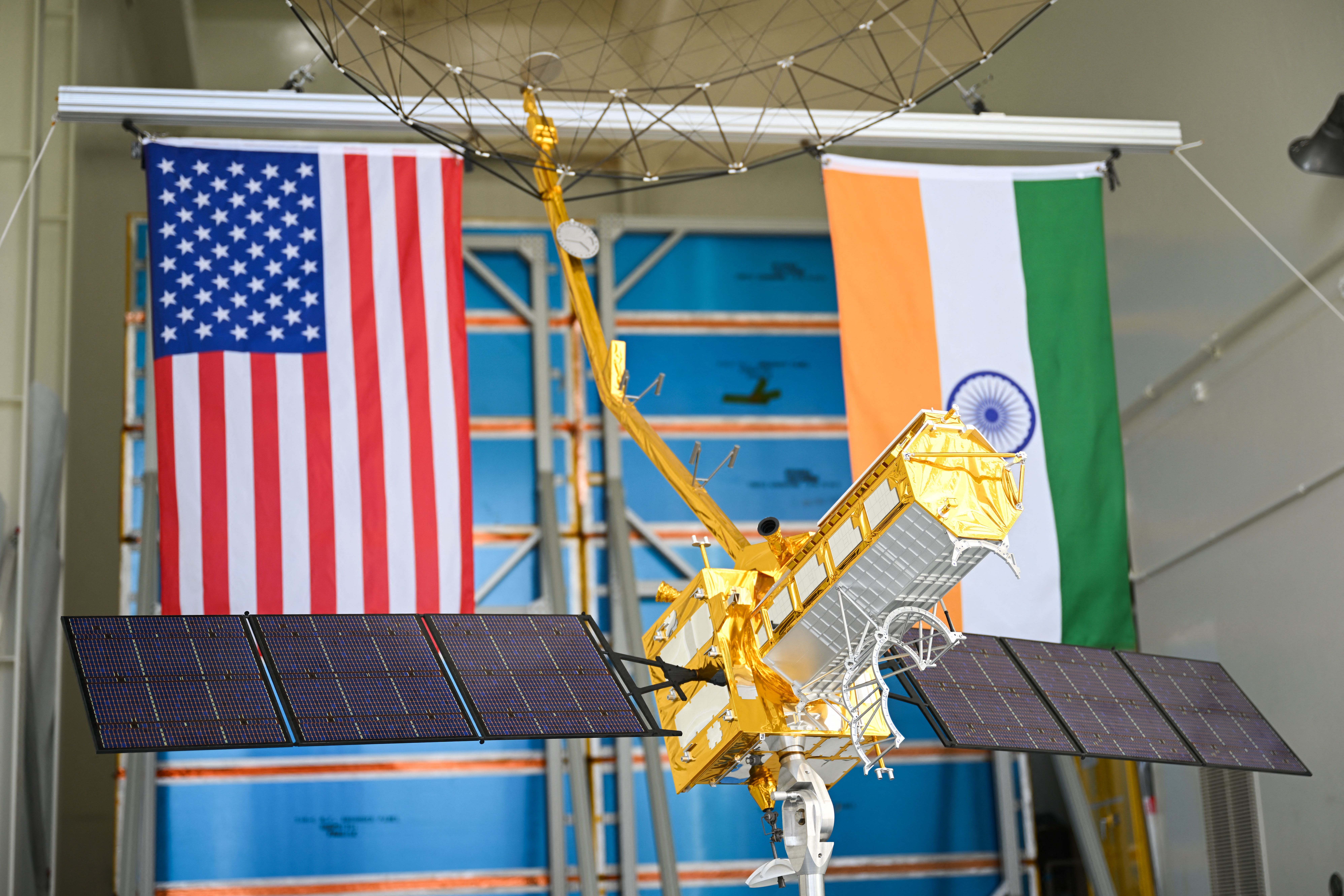
    NISAR Soars While India-U.S. Tariff Tensions Simmer

    On July 30, 2025, the United States announced 25 percent tariffs on Indian goods. While diplomatic tensions simmered on the trade front, a cosmic calm prevailed at the Sriharikota launch range. Officials from NASA and ISRO were preparing to launch an engineering marvel into space—the NASA-ISRO Synthetic Aperture Radar (NISAR), marking a significant milestone in the India-U.S. bilateral partnership.

      Tejas Bharadwaj

  • Article
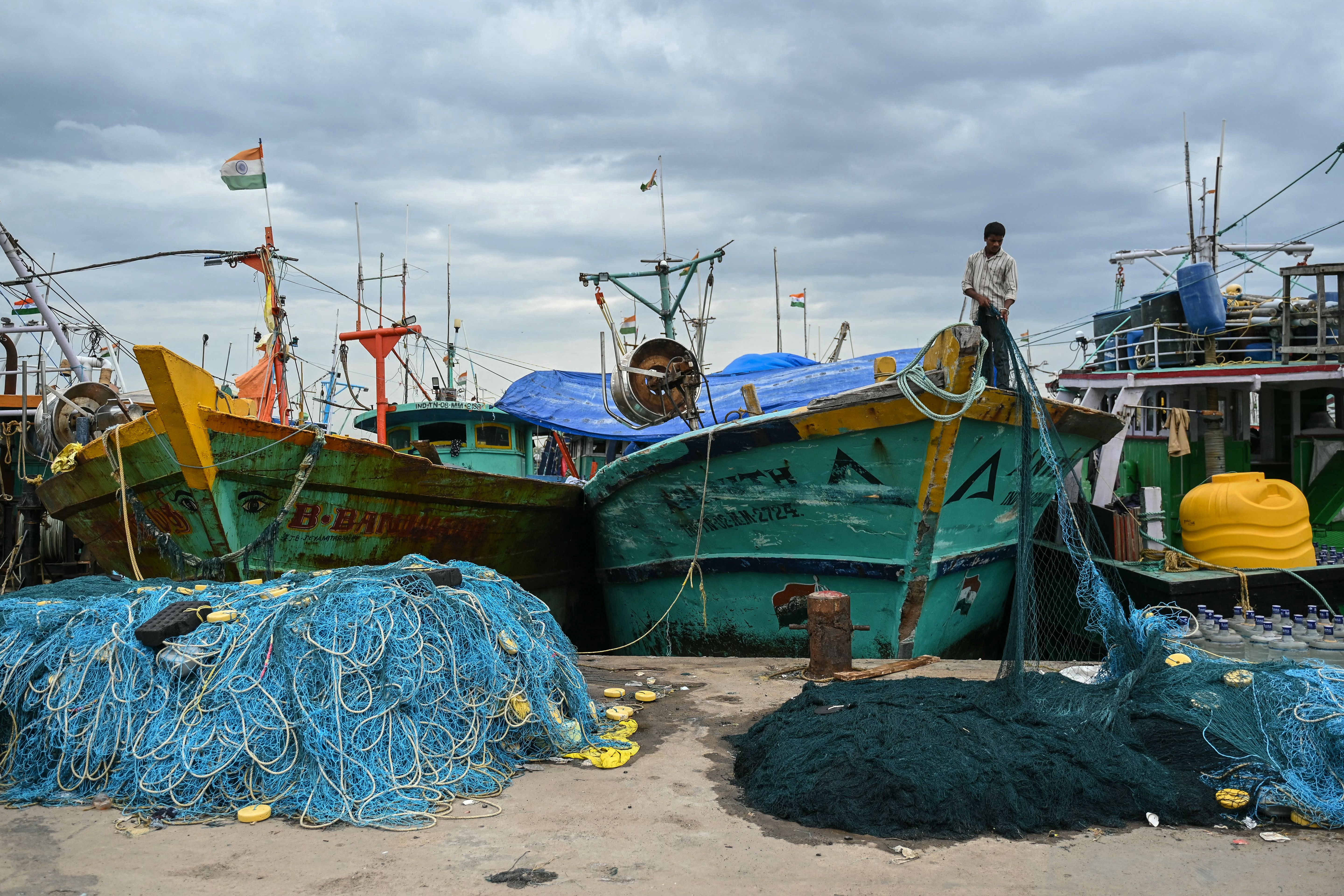
    Hidden Tides: IUU Fishing and Regional Security Dynamics for India

    This article examines the scale and impact of Chinese IUU fishing operations globally and identifies the nature of the challenge posed by IUU fishing in the Indian Ocean Region (IOR). It also investigates why existing maritime law and international frameworks have struggled to address this growing threat.

      Ajay Kumar, Charukeshi Bhatt

  • Commentary
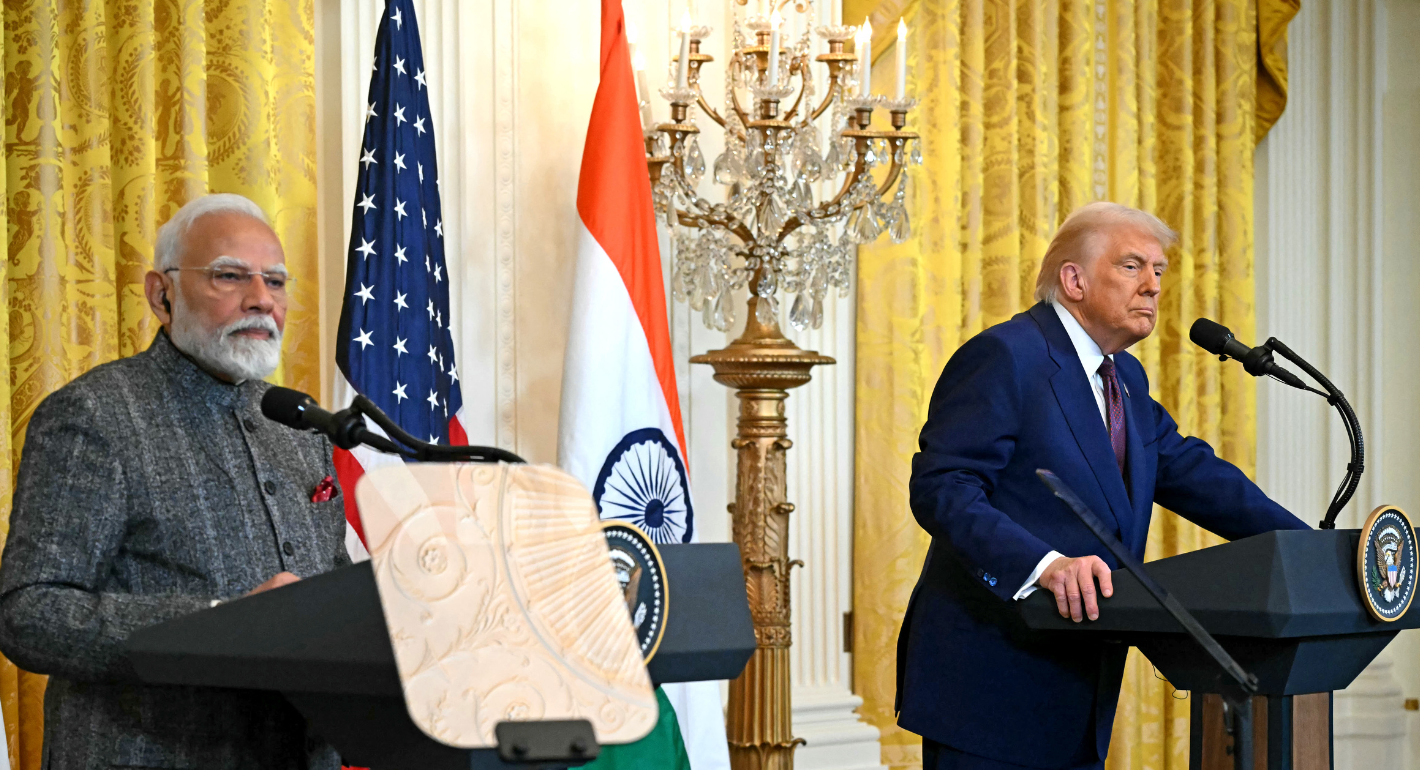
    TRUST and Tariffs

    The India-U.S. relationship currently appears buffeted between three “Ts”—TRUST, Tariffs, and Trump.

      Arun K. Singh

Get more news and analysis from
Carnegie India
Carnegie India logo, white
Unit C-4, 5, 6, EdenparkShaheed Jeet Singh MargNew Delhi – 110016, IndiaPhone: 011-40078687
  • Research
  • About
  • Experts
  • Projects
  • Events
  • Contact
  • Careers
  • Privacy
  • For Media
Get more news and analysis from
Carnegie India
© 2026 Carnegie Endowment for International Peace. All rights reserved.