

{
  "authors": [
    "Sufyan Alissa",
    "Paul Salem",
    "Reem Badran",
    "Ibrahim Saif",
    "Jamal Al-Jabiri",
    "Mustafa Hamarneh"
  ],
  "type": "event",
  "centerAffiliationAll": "dc",
  "centers": [
    "Carnegie Endowment for International Peace"
  ],
  "collections": [],
  "englishNewsletterAll": "democracy",
  "nonEnglishNewsletterAll": "",
  "primaryCenter": "Carnegie Endowment for International Peace",
  "programAffiliation": "DCG",
  "programs": [
    "Democracy, Conflict, and Governance",
    "Middle East"
  ],
  "projects": [],
  "regions": [
    "Middle East",
    "Jordan"
  ],
  "topics": [
    "Economy",
    "Trade"
  ]
}
REQUIRED IMAGE
Economic Reform in Jordan: Where To?
Mon, April 30th, 2007
Amman, Jordan
Speakers
Sufyan Alissa, Carnegie Endowment’s Middle East Center
Reem Badran, Kuwait Jordanian Holding Company
Ibrahim Saif, Center for Strategic Studies, University of Jordan
Jamal Al-Jabiri, U.S Agency for International Development
Welcoming Remarks:
Paul Salem, Carnegie Endowment’s Middle East Center
Mustafa Hamarneh, Center for Strategic Studies, University of Jordan
Marking the launch of its events series outside Lebanon and Washington D.C, the Carnegie Middle East Center in Beirut organized a workshop on ECONOMIC REFORM IN JORDAN: WHERE TO? on Monday, April, 30, 2007. The workshop was held in Amman in association with the Center for Strategic Studies, University of Jordan
The goal of the workshop was to provide analysis and perspectives regarding key questions, including: To what extent has economic reform been advanced in Jordan? What is needed to accelerate the pace of economic reform? Have state institutions been able to implement economic reform and handle its consequences? What has been the interplay between economic and political reform—have they proceeded independently or is there a direct connection?
Sufyan Alissa pointed out that economic reform in Jordan initiated under severe economic crisis conditions; has been slow, selective, and uncoordinated. Thus far Jordan has succeeded in stabilizing its economy and engaging in a process of trade and financial liberalization and privatization; but it has failed to find long-lasting solutions to major social and economic challenges.
Sufyan Alissa stressed that Jordan needs to confront poverty, unemployment, public debt, budget deficit and high dependency on foreign aid. Such challenges in addition to political frustration derived from unresolved problems in the region such as the Arab-Israeli conflict and the occupation of Iraq are conducive to more extremism and fundamentalism in Jordan. Failure to address such social and economic challenges may pose a real threat to stability in the country, especially if major changes take place in the flow of foreign aid and/or remittances from abroad.
Reem Badran argued that Jordan has made a lot of progress in creating an enabling business and investment environment, less in easing regulations and improving the bureaucracy to attract more foreign investment and to increase trust in the Jordanian economy.
Ibrahim Saif outlined changes in the role of the state as a result of economic reform initiated since 1989. Economic reform programs have resulted in changes in the social contract between the state and society, but little progress has been made to reform public administration and introduce merit-based recruitment and payment, which would disregard tribal and family affiliations or deny long-established privileges to top ranking civil servants and politicians.
Jamal Al-Jabiri spoke about the role of U.S Agency for International Development in promoting economic reform in Jordan. The U.S government is supporting many interlinked projects aiming at increasing economic opportunities and empowering poor and marginalized communities. Much work is still needed to help Jordan fight poverty, unemployment, public debt and budget deficit.
The discussion centered on the nature of reform programs implemented since 1989, the type of social and economic challenges currently facing Jordan, the factors behind the failure to sustain deep reform, the main actors that influence reform, and on steps that could be taken by the donor community to further reform.
Carnegie India does not take institutional positions on public policy issues; the views represented herein are those of the author(s) and do not necessarily reflect the views of Carnegie, its staff, or its trustees.
Event Speakers
Sufyan Alissa
Former Associate, Middle East Center
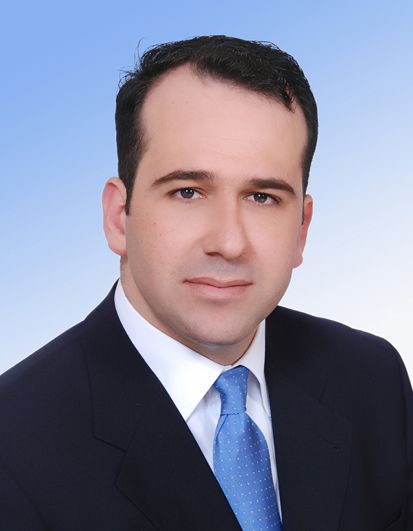
Paul Salem
Senior Fellow at the Middle East Institute
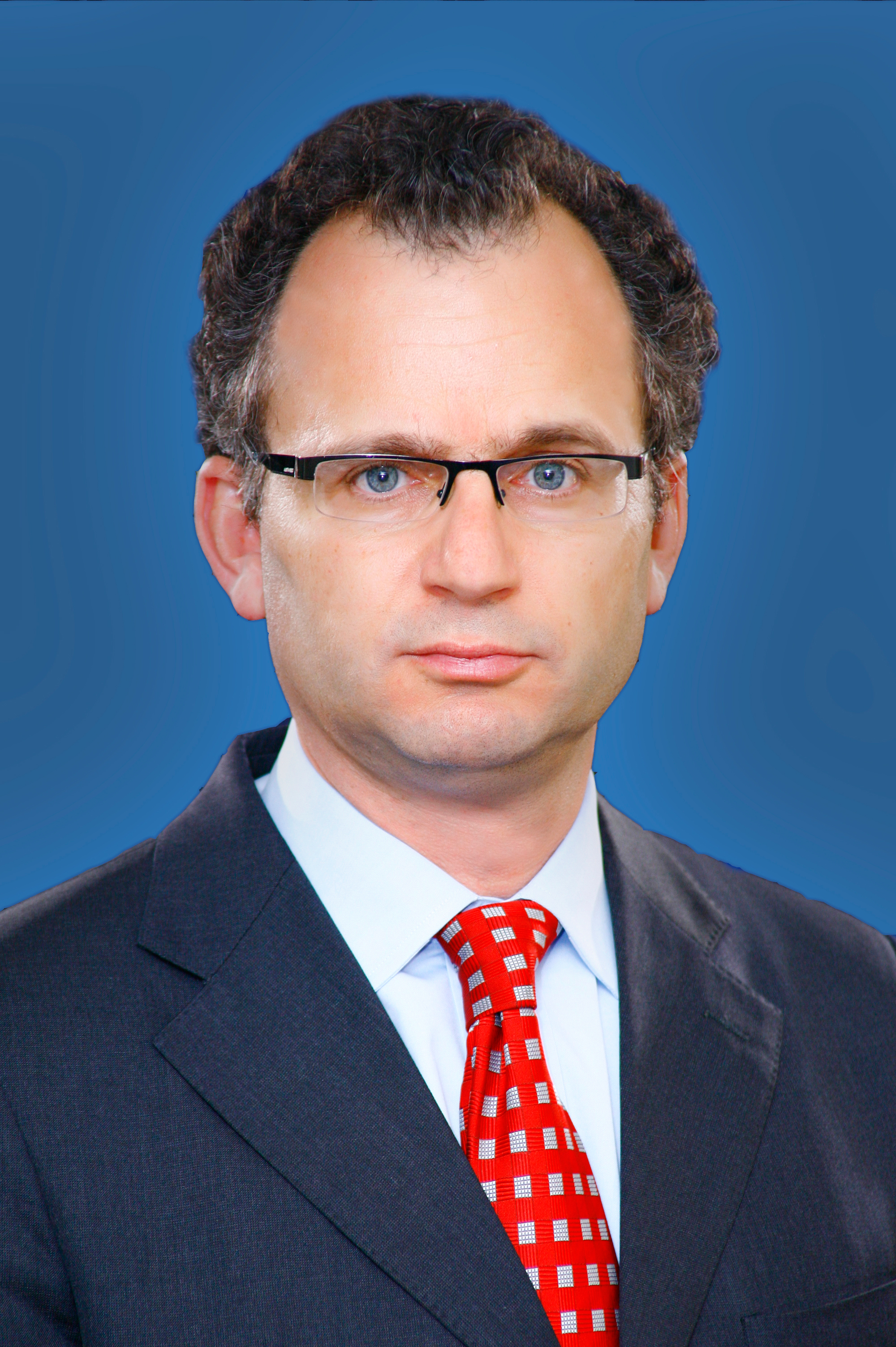
Paul Salem is a senior fellow at the Middle East Institute.
Reem Badran
Ibrahim Saif
Former Senior Associate, Middle East Center
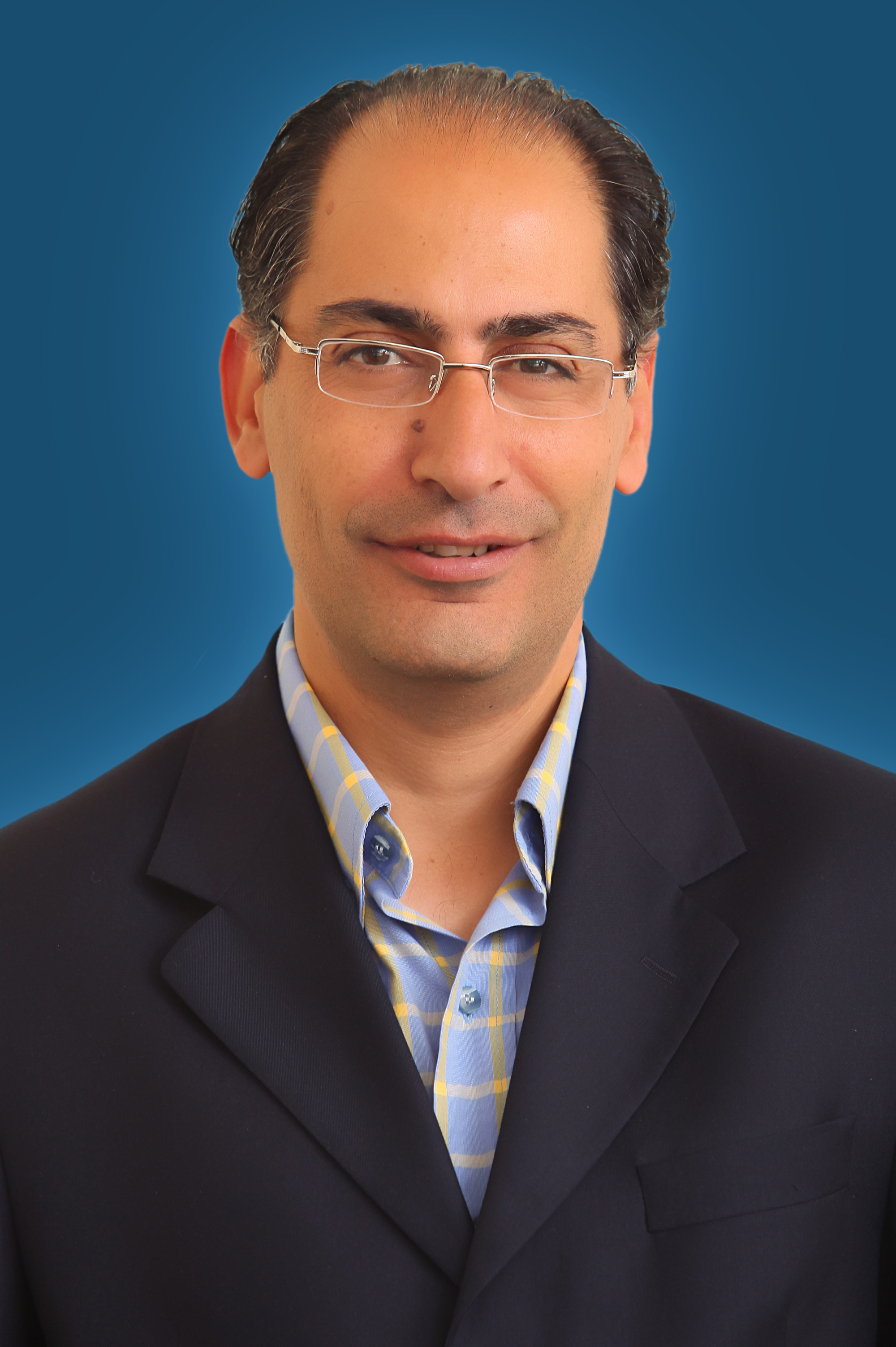
Saif is an economist specializing in the political economy of the Middle East. His research focuses on international trade and structural adjustment programs in developing countries, with emphasis on Jordan and the Middle East.
Jamal Al-Jabiri
Mustafa Hamarneh