

{
  "authors": [
    "Kevin Jianjun Tu",
    "David Burwell"
  ],
  "type": "event",
  "centerAffiliationAll": "dc",
  "centers": [
    "Carnegie Endowment for International Peace"
  ],
  "collections": [],
  "englishNewsletterAll": "ctw",
  "nonEnglishNewsletterAll": "",
  "primaryCenter": "Carnegie Endowment for International Peace",
  "programAffiliation": "SCP",
  "programs": [
    "Sustainability, Climate, and Geopolitics"
  ],
  "projects": [],
  "regions": [
    "North America",
    "United States",
    "East Asia",
    "China"
  ],
  "topics": [
    "Climate Change"
  ]
}
U.S.-China Coal Value Chain Exchange Conference
Thu, March 7th, 2013
Washington, DC
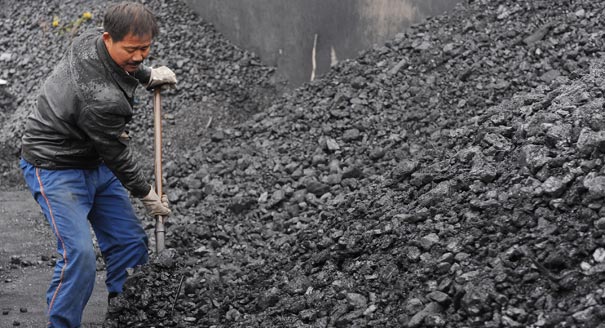
China and the United States are the world’s two largest coal producing economies and account together for more than 60 percent of global coal consumption. Rising coal consumption and imports in China, especially, pose important energy, environmental, and climate challenges not only domestically, but also for the rest of the world.
Carnegie’s Energy and Climate Program hosted the U.S.-China Coal Value Chain Exchange Conference. A full-day exchange examined how to clean the Chinese coal value chain, the management of coal in the United States, barriers and opportunities to U.S.-China coal collaboration, and how to move the coal agenda forward.
Carnegie India does not take institutional positions on public policy issues; the views represented herein are those of the author(s) and do not necessarily reflect the views of Carnegie, its staff, or its trustees.
Event Speakers
Former Senior Associate , Energy and Climate Program
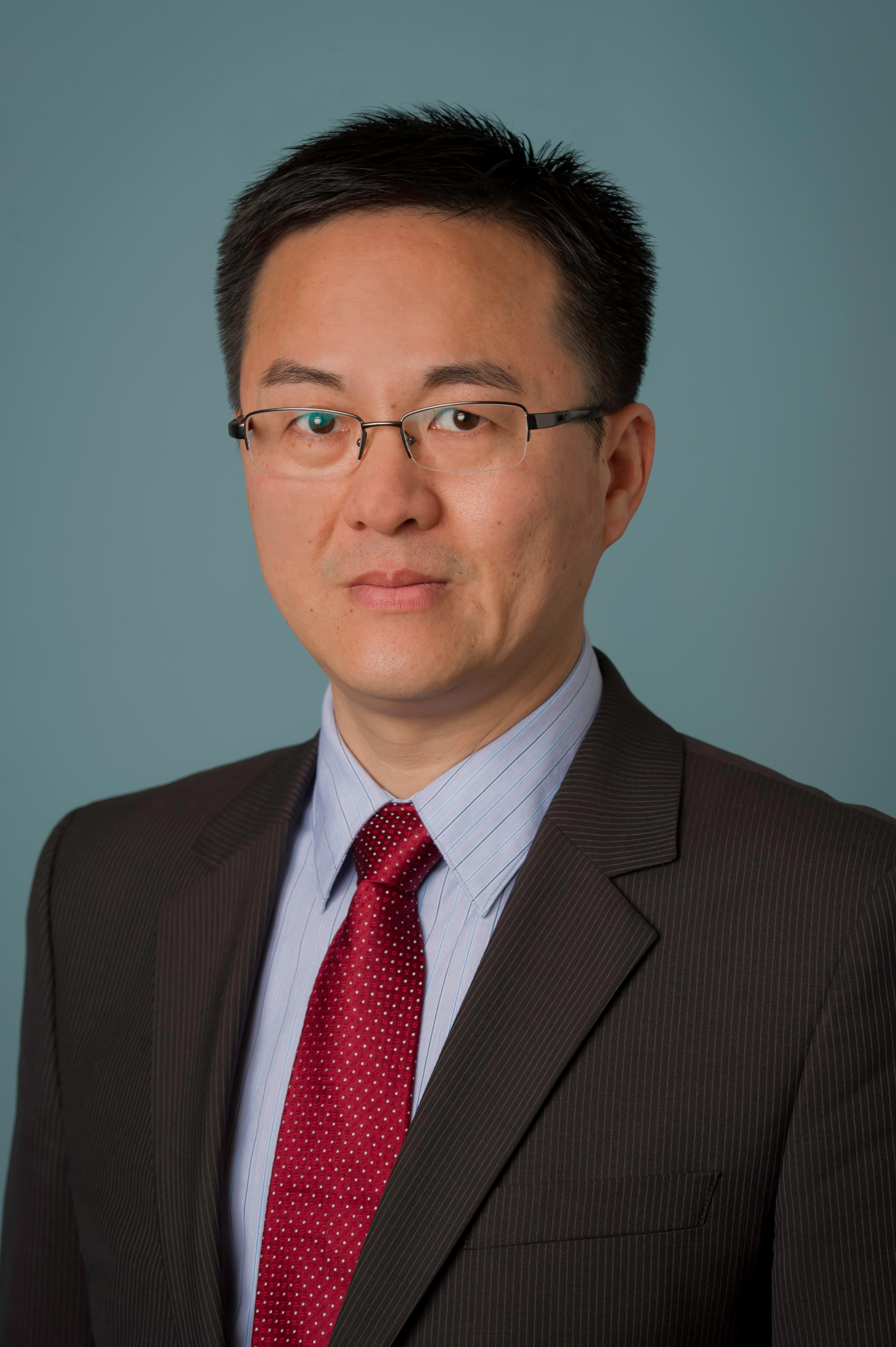
Tu was a senior associate in Carnegie’s Energy and Climate Program, where he led the organization’s work on China’s energy and climate policies.
Former Nonresident Senior Fellow, Energy and Climate Program
Burwell focused on the intersection between energy, transportation, and climate issues, as well as policies and practice reforms to reduce global dependence on fossil fuels.