

{
  "authors": [
    "Dmitri Trenin",
    "Toshihiro Aiki",
    "Eugene Rumer",
    "Huasheng Zhao",
    "Alexander Gabuev",
    "Tomohiko Uyama",
    "C. Raja Mohan",
    "Nicu Popescu",
    "Rakhim Oshakbayev"
  ],
  "type": "event",
  "centerAffiliationAll": "",
  "centers": [
    "Carnegie Endowment for International Peace",
    "Carnegie Russia Eurasia Center"
  ],
  "collections": [],
  "englishNewsletterAll": "",
  "nonEnglishNewsletterAll": "",
  "primaryCenter": "Carnegie Endowment for International Peace",
  "programAffiliation": "",
  "programs": [],
  "projects": [],
  "regions": [],
  "topics": []
}
Central Asia on Crossroads
Tue, November 1st, 2016
Moscow
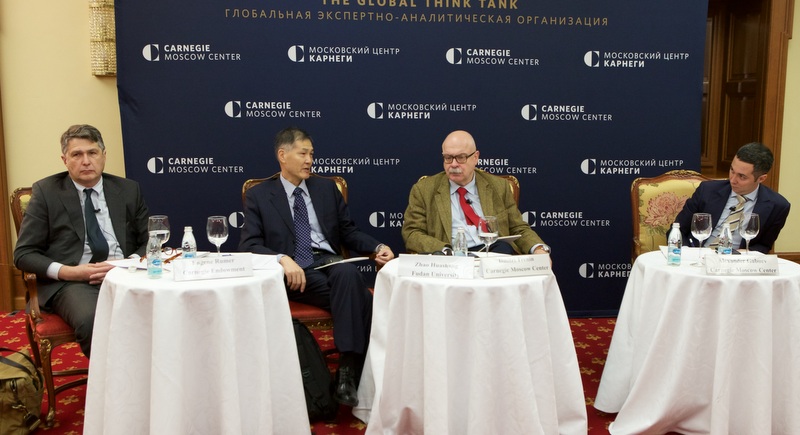
Central Asia is going through a period of many challenges: falling energy prices, aging ruling elites, and a growing threat of terrorism, among others. In the twenty-first century, it is critical for the Central Asian countries to choose their development path and to determine priorities in relations with powers that play an influential role in Eurasia, namely the United States, Russia, and China. In addition, the countries must build ties with distant neighbors that have recently taken a more active interest in the region, such as the EU, India, and Japan. The interests of major international players are increasingly converging in Central Asia, and the region is frequently becoming the focus of leading regional integration associations and initiatives, such as the Eurasian Economic Union and the Silk Road Economic Belt.
- How likely are the world powers to have a conflict of interest in Eurasia?
- How will Central Asia make use of its new place as a convergence of interests for global powers?
- How will the region’s nations cope with the process of the replacement of their ruling elites?
These questions and many others were discussed at the event by experts invited from Russia, the United States, Japan, China, the EU, and Kazakhstan.
Conference Agenda
Speakers
Dmitri Trenin
Dmitri Trenin is Director of the Carnegie Moscow Center.
Toshihiro Aiki
Toshihiro Aiki, Ambassador for Central Asian Affairs, Ministry of Foreign Affairs of Japan
Eugene Rumer
Eugene Rumer is Director of Russia and Eurasia Program at the Carnegie Endowment for International Peace.
Zhao Huasheng
Zhao Huasheng is Director of the Center for Russia and Central Asia Studies at Fudan University (China).
Tomohiko Uyama
Tomohiko Uyama is Professor of Central Asian Studies at Hokkaido University.
C. Raja Mohan
C. Raja Mohan is Director of Carnegie India.
Nicu Popescu
Nicu Popescu is Senior Analyst at European Union Institute for Security Studies.
Rakhim Oshakbayev
Rakhim Oshakbayev is Chairman of the Advisory Committee at Talap Research Center.
Moderator
Alexander Gabuev
Alexander Gabuev is a senior associate and the chair of the Russia in the Asia-Pacific Program at the Carnegie Moscow Center.
Carnegie India does not take institutional positions on public policy issues; the views represented herein are those of the author(s) and do not necessarily reflect the views of Carnegie, its staff, or its trustees.
Event Speakers
Dmitri Trenin
Former Director, Carnegie Moscow Center
Trenin was director of the Carnegie Moscow Center from 2008 to early 2022.
Toshihiro Aiki
Eugene Rumer
Director and Senior Fellow, Russia and Eurasia Program
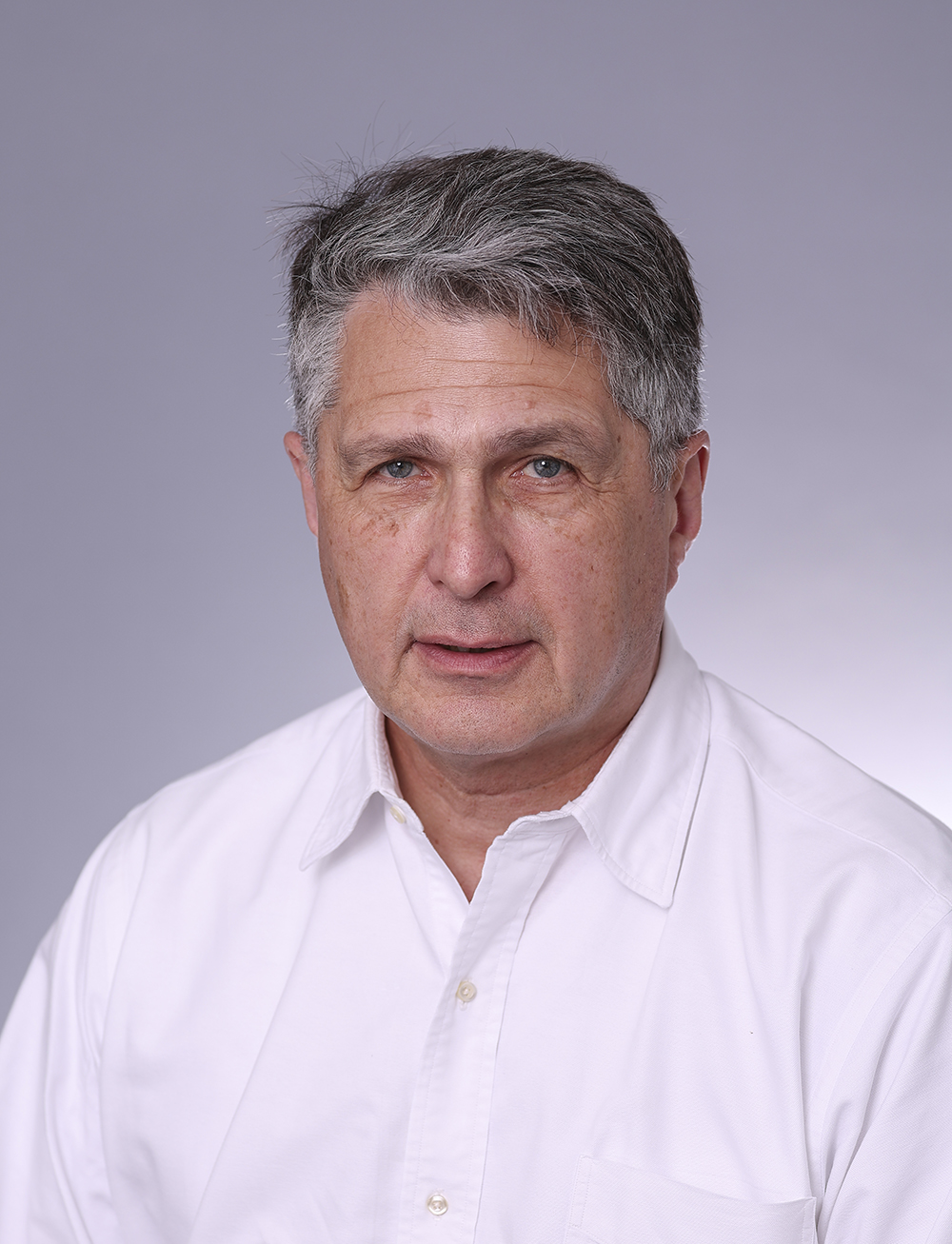
Rumer, a former national intelligence officer for Russia and Eurasia at the U.S. National Intelligence Council, is a senior fellow and the director of Carnegie’s Russia and Eurasia Program.
Huasheng Zhao
Alexander Gabuev
Director, Carnegie Russia Eurasia Center

Alexander Gabuev is director of the Carnegie Russia Eurasia Center. Gabuev’s research is focused on Russian foreign policy with particular focus on the impact of the war in Ukraine and the Sino-Russia relationship. Since joining Carnegie in 2015, Gabuev has contributed commentary and analysis to a wide range of publications, including the Financial Times, the New York Times, the Wall Street Journal, and the Economist.
Tomohiko Uyama
professor of modern history and politics of Central Asia at Slavic-Eurasian Research Center (Hokkaido University)
C. Raja Mohan
Former Nonresident Senior Fellow, Carnegie India
A leading analyst of India’s foreign policy, Mohan is also an expert on South Asian security, great-power relations in Asia, and arms control.
Nicu Popescu
Rakhim Oshakbayev