

Report
- +4
Ms. Sandra Polaski, Joaquim Bento de Souza Ferreir, Janine Berg, …
{
  "authors": [
    "Sandra Polaski"
  ],
  "type": "legacyinthemedia",
  "centerAffiliationAll": "",
  "centers": [
    "Carnegie Endowment for International Peace"
  ],
  "collections": [],
  "englishNewsletterAll": "",
  "nonEnglishNewsletterAll": "",
  "primaryCenter": "Carnegie Endowment for International Peace",
  "programAffiliation": "",
  "programs": [],
  "projects": [],
  "regions": [
    "North America"
  ],
  "topics": [
    "Economy",
    "Trade"
  ]
}
REQUIRED IMAGE
Source: Carnegie
ISSUE BRIEF
TRADE, EQUITY,
AND DEVELOPMENT PROJECT
February 2003
Central America and the U.S. Face Challenge-and Chance for Historic Breakthrough-on Workers' Rights
Full text in English
(PDF format)
Full text in English
(HTML format)
Full text in Spanish (PDF format)
Summary
The U.S. Congress has instructed the administration to treat labor issues as
a key objective in trade negotiations, and nowhere will the challenge be more
formidable than in newly launched talks with Central American governments. Polaski
notes that violations of workers' rights and rule of law are serious and widespread
in the region. She offers a proposal for the U.S. - Central American Free Trade
Agreement (CAFTA) which creates incentives for governments and firms in Central
America to improve treatment of workers, labor laws and enforcement. Despite
the deeply entrenched nature of the problems, "a key reason that this approach
can succeed where Central American governments alone have not, is that it aligns
private sector incentives with public interests," she writes. Polaski's
recommendations build on recent, successful experiments undertaken by the United
States and developing countries in other trade agreements.
About the Author
Sandra Polaski is a senior associate with the Trade, Equity, and Development
Project at the Carnegie Endowment for International Peace. She served from 1999-2002
as the Special Representative for International Labor Affairs at the U.S. Department
of State, the senior official handling labor matters in U.S. foreign policy.
Also Read on CAFTA: John Audley's "Opportunities and Challenges to Advance Environmental Protection in the U.S.-Central American Free Trade Negotiations"

Former Senior Associate, Director, Trade, Equity and Development Program
Until April 2002, Polaski served as the U.S. Secretary of State’s Special Representative for International Labor Affairs, the senior State Department official dealing with such matters.
Recent Work
Ms. Sandra Polaski, Joaquim Bento de Souza Ferreir, Janine Berg, …
Ms. Sandra Polaski
Carnegie India does not take institutional positions on public policy issues; the views represented herein are those of the author(s) and do not necessarily reflect the views of Carnegie, its staff, or its trustees.
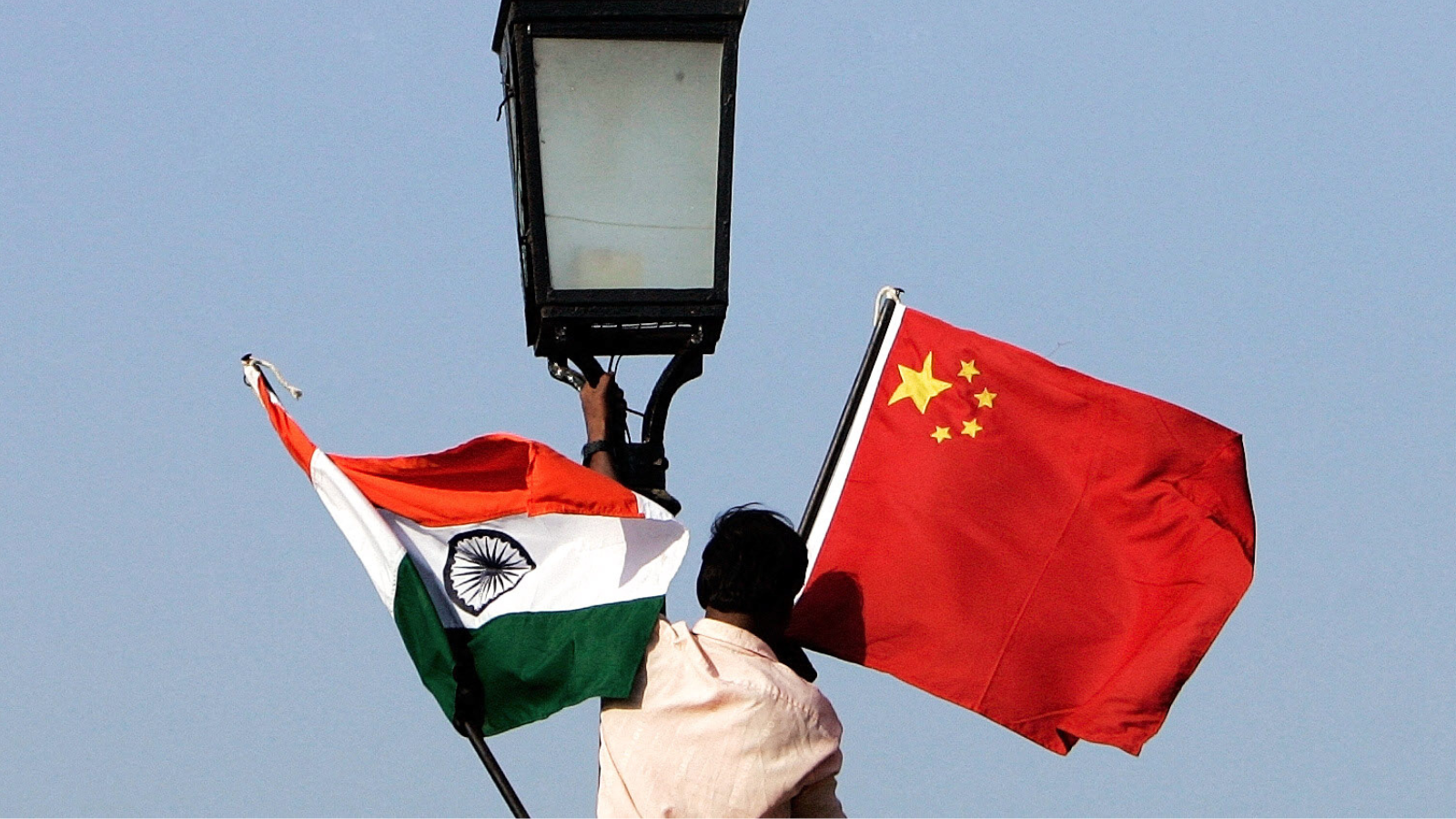
On March 10, 2026, India’s Union Cabinet approved amendments to Press Note 3, a regulation that mandated government approval on all foreign direct investment (FDI) from countries sharing a land border with India. This amendment raises questions primarily about whether its stated benefits will materialize and if the risks have been adequately weighed. This piece will address the same.

Konark Bhandari

This piece examines India’s response to U.S. sanctions and tariffs, specifically assessing the immediate market consequences, such as alterations in import costs, and the broader strategic implications for India’s energy security and foreign policy orientation.

Vrinda Sahai

This paper examines the evolution of India-China economic ties from 2005 to 2025. It explores the impact of global events, bilateral political ties, and domestic policies on distinct spheres of the economic relationship.

Santosh Pai
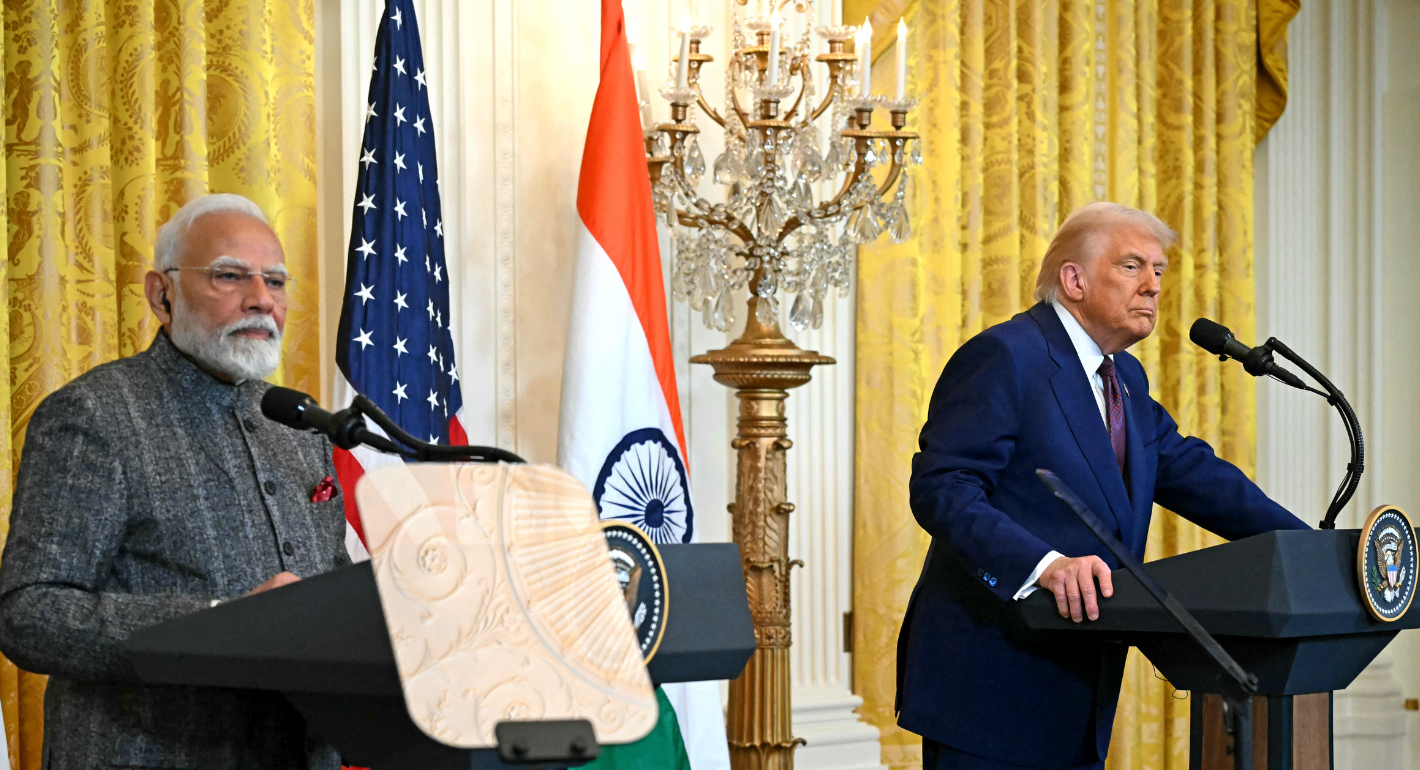
The India-U.S. relationship currently appears buffeted between three “Ts”—TRUST, Tariffs, and Trump.
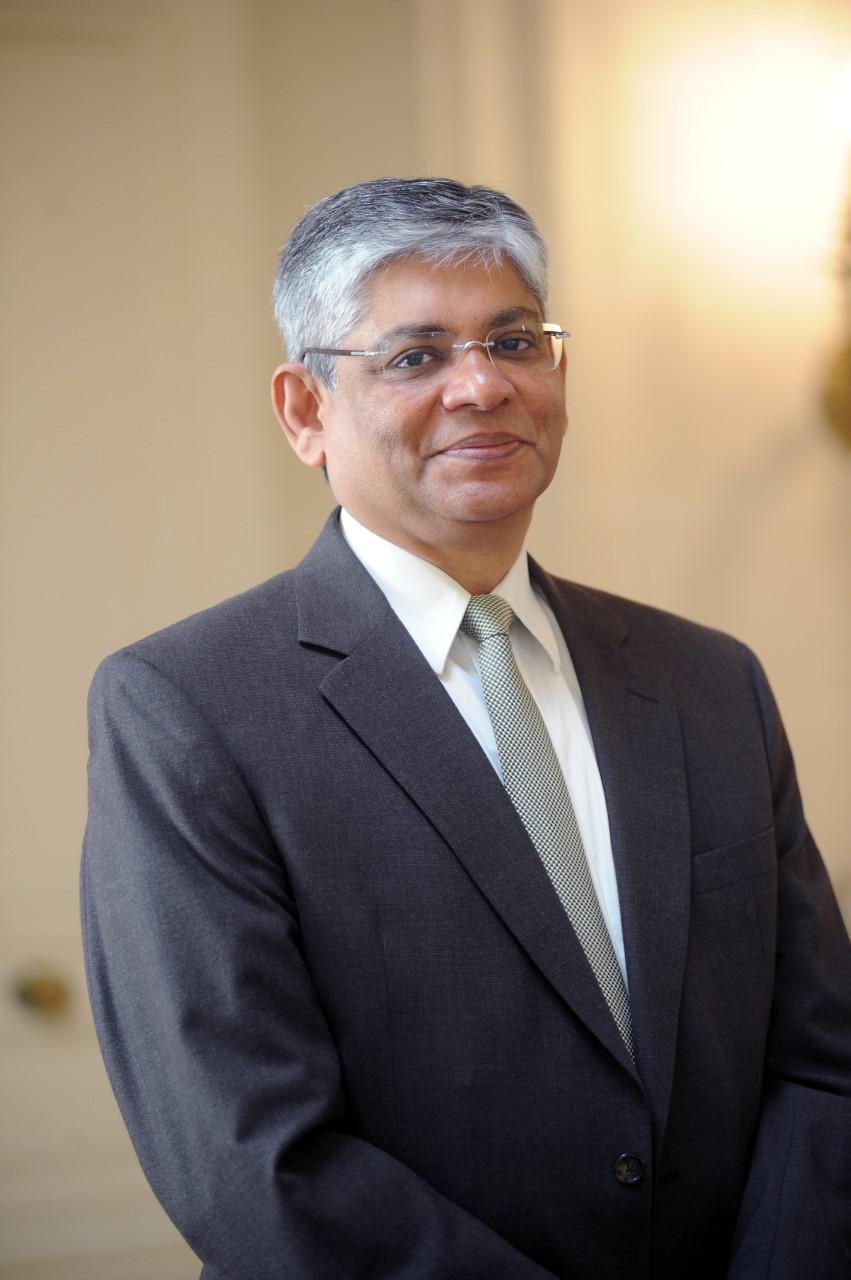
Arun K. Singh
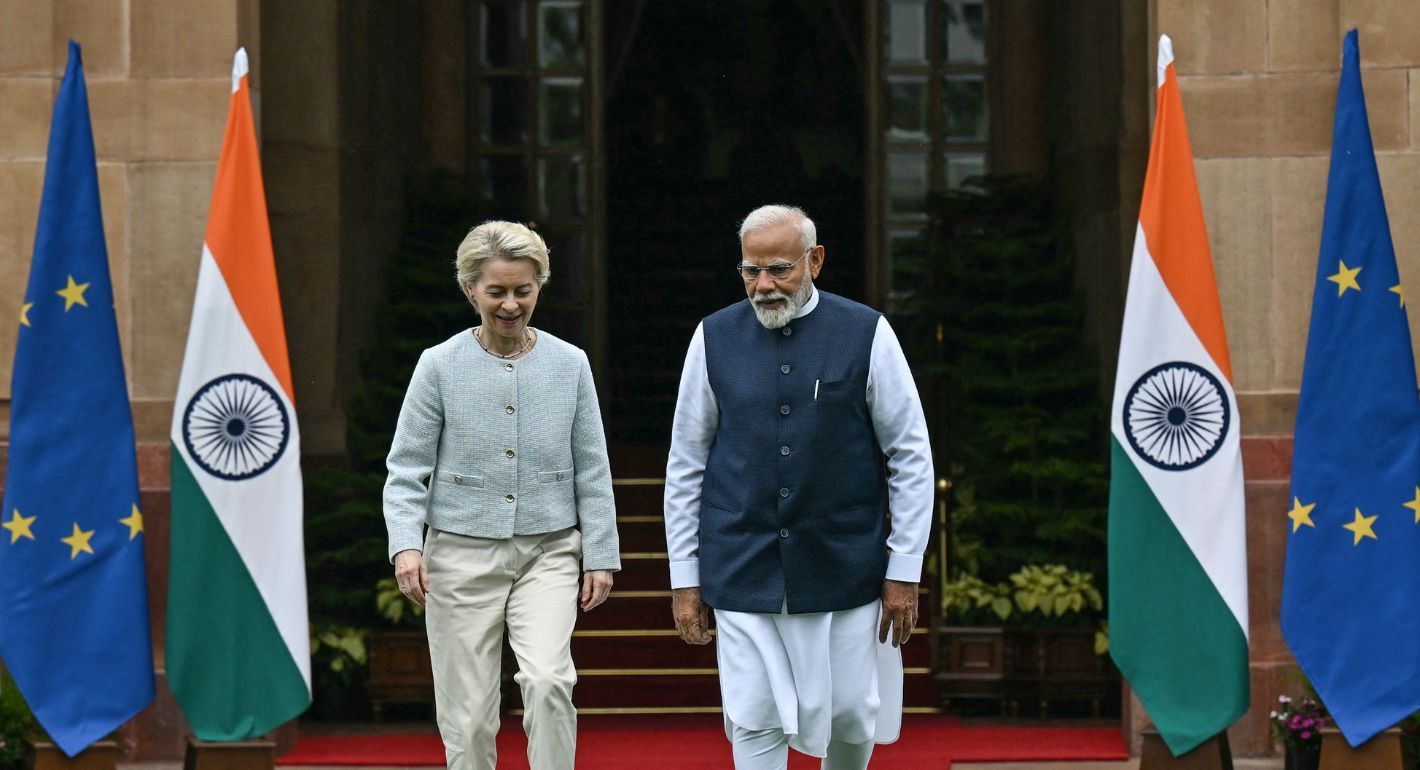
This article argues that the geopolitical circumstances have never been more conducive, not merely for the early conclusion of the free trade agreement (FTA) between India and the EU, but also for crafting a substantive and comprehensive strategic partnership.
Mohan Kumar