

Article
Dr. Albert Keidel
{
  "authors": [
    "Albert Keidel"
  ],
  "type": "legacyinthemedia",
  "centerAffiliationAll": "dc",
  "centers": [
    "Carnegie Endowment for International Peace"
  ],
  "collections": [],
  "englishNewsletterAll": "asia",
  "nonEnglishNewsletterAll": "",
  "primaryCenter": "Carnegie Endowment for International Peace",
  "programAffiliation": "AP",
  "programs": [
    "Asia"
  ],
  "projects": [],
  "regions": [
    "North America",
    "United States",
    "China"
  ],
  "topics": [
    "Economy"
  ]
}
Source: Getty
The United States is witnessing, at least temporarily, the collapse of effective liquidity for the complex financial instruments that have long been used to conduct transactions. But the real crisis is a Keynesian downward spiral, whereby declining consumption and declining investment reinforce each other.
Source: The Diane Rehm Show

The United States is witnessing, at least temporarily, the collapse of effective liquidity for the complex financial instruments that have long been used to underpin transactions. For that reason, it is dubious to state that enough money has been injected into the credit market. It is also misleading to look at current price/earnings ratios to assess what the true bottom of this crisis is. The real potential crisis, he believes, is a Keynesian downward spiral, whereby declining consumption and declining investment reinforce each other.
Keidel noted that China, Japan, and India are faring better than most economies amidst the current global turmoil. It remains to be seen how smaller Asian economies will fare in the face of exchange rate pressures since they do not have strong mechanisms for handling capital flight.
There are precedents for solving credit crises, but developed countries are not accustomed to having to resort to using them. The U.S. government needs to take over failing banks, fix them, and resell them. The presidential candidates should not be stressing budgetary responsibility. Keidel maintains that America will have to engage in major deficit spending, just as it has during every serious downturn.
Click here to listen to Albert Keidel on the Diane Rehm Show.
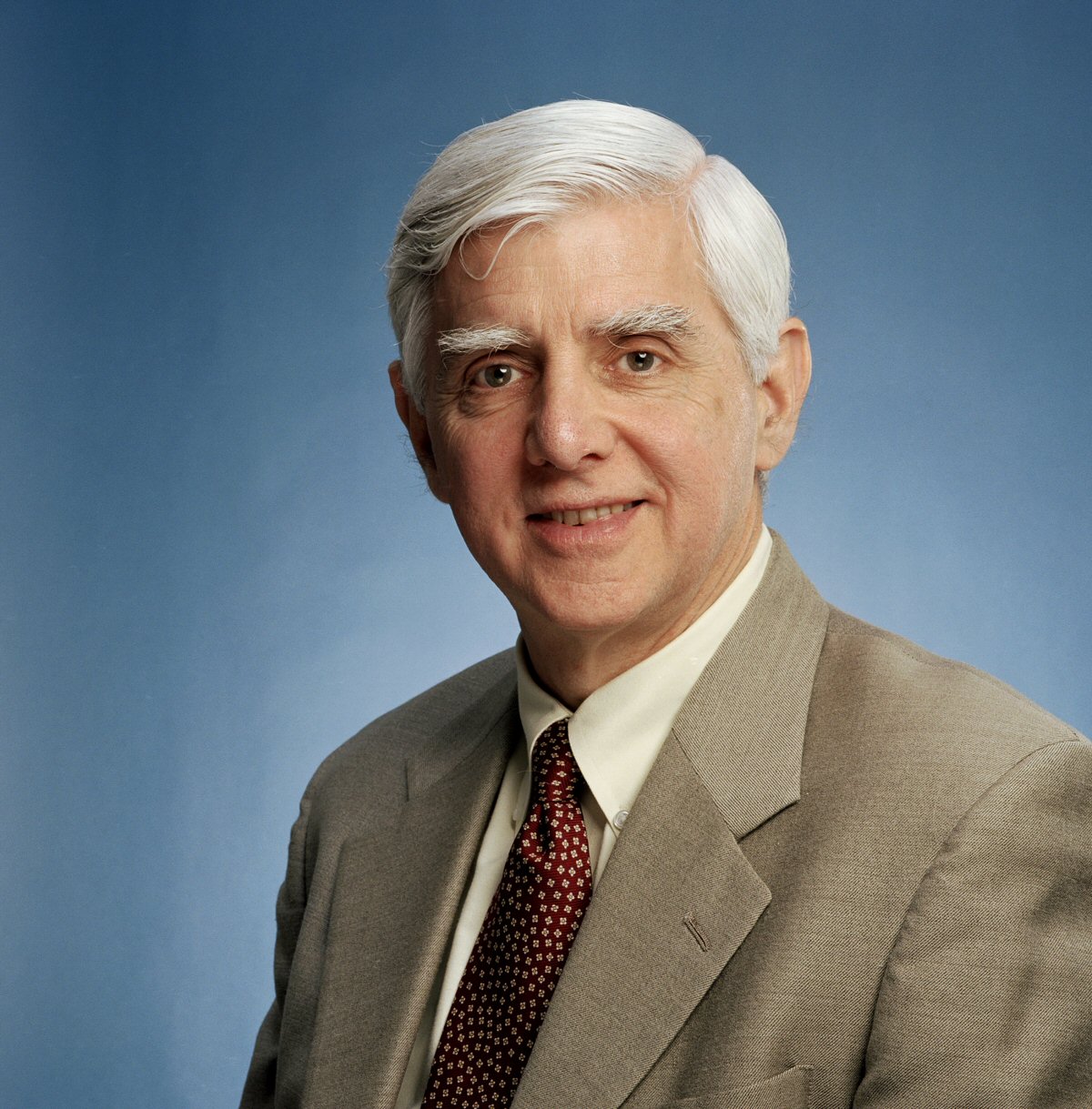
Former Senior Associate, China Program
Keidel served as acting director and deputy director for the Office of East Asian Nations at the U.S. Department of the Treasury. Before joining Treasury in 2001, he covered economic trends, system reforms, poverty, and country risk as a senior economist in the World Bank office in Beijing.
Recent Work
Dr. Albert Keidel
Dr. Albert Keidel
Carnegie India does not take institutional positions on public policy issues; the views represented herein are those of the author(s) and do not necessarily reflect the views of Carnegie, its staff, or its trustees.

How is AI reshaping space security, creating governance challenges, and where does international diplomacy stand today?


Tejas Bharadwaj, Almudena Azcárate Ortega

After the chill in ties between 2020 and 2024 that brought India–China relations to their lowest point in several decades, the two countries have engaged each other afresh. This paper argues that there are predominantly four imperatives guiding India’s approach to China, and they exist in an order of priority.

Saheb Singh Chadha

This piece argues that India’s central challenge is not managing a single flashpoint but resolving the underlying tension between expansion and institutional coherency of the BRICS grouping.

Vrinda Sahai

The U.S.–India semiconductor cooperation story is well-stocked with top-level strategic intent. What remains unresolved, however, are some underlying challenges that will determine whether the cooperation actually functions. Three such friction points stand out.

Shruti Mittal

On March 10, 2026, India’s Union Cabinet approved amendments to Press Note 3, a regulation that mandated government approval on all foreign direct investment (FDI) from countries sharing a land border with India. This amendment raises questions primarily about whether its stated benefits will materialize and if the risks have been adequately weighed. This piece will address the same.

Konark Bhandari