

Commentary
Nathalie Tocci, Jan Techau
{
  "authors": [
    "Jan Techau"
  ],
  "type": "legacyinthemedia",
  "centerAffiliationAll": "",
  "centers": [
    "Carnegie Endowment for International Peace",
    "Carnegie Europe"
  ],
  "collections": [],
  "englishNewsletterAll": "",
  "nonEnglishNewsletterAll": "",
  "primaryCenter": "Carnegie Europe",
  "programAffiliation": "",
  "programs": [],
  "projects": [],
  "regions": [
    "Europe"
  ],
  "topics": []
}
Source: Getty
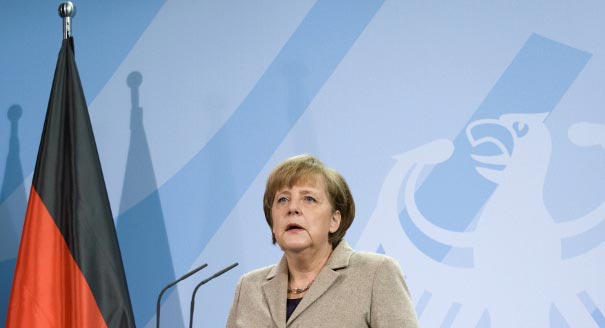
The demand for leadership in Europe is immense and European leaders are looking to Germany, the largest, strongest and most centrally located country, for guidance.
Source: Global Brief

Second, during the nearly five decades of being under Allied custodianship, Germans were relieved of the need to fend for their own survival. This bred a culture of irresponsibility for themselves and for others. Today, the absence of felt responsibility for the world surrounding Germany is the most worrisome feature of the country’s foreign policy. Examples of that absence of felt responsibility can be found everywhere: abstaining on Libya; caveats in Afghanistan; sleepwalking through the euro crisis; putting the brakes on EU foreign policy; and refusing to contribute to the development of NATO.
However, in marked contrast to earlier phases in its history, Germany harbours no desire to dominate its neighbours, or to rule the continent by some informal diktat from Berlin. Quite the contrary: there is nothing for which Germans have a greater preference than being left unbothered by the demanding political realities around them. Instead, they wish that they could simply reimmerse themselves in the comfortable, apolitical world of Biedermeier – cushioned by ever-increasing demand for their high-quality industrial export products.
But the demand for leadership in Europe is immense. Naturally, European leaders look to the largest, strongest and most centrally located country for guidance. They desire an internationally minded Germany that is aware of its strength, solidaire, protective and engaged. They do not fear German tank divisions, but rather German self-centeredness and endless soul-searching.
Director, Europe Team, Eurasia Group
Techau is director with Eurasia Group's Europe team, covering Germany and European security from Berlin. Previously, he was director of Carnegie Europe.
Recent Work
Nathalie Tocci, Jan Techau
Jan Techau
Carnegie India does not take institutional positions on public policy issues; the views represented herein are those of the author(s) and do not necessarily reflect the views of Carnegie, its staff, or its trustees.
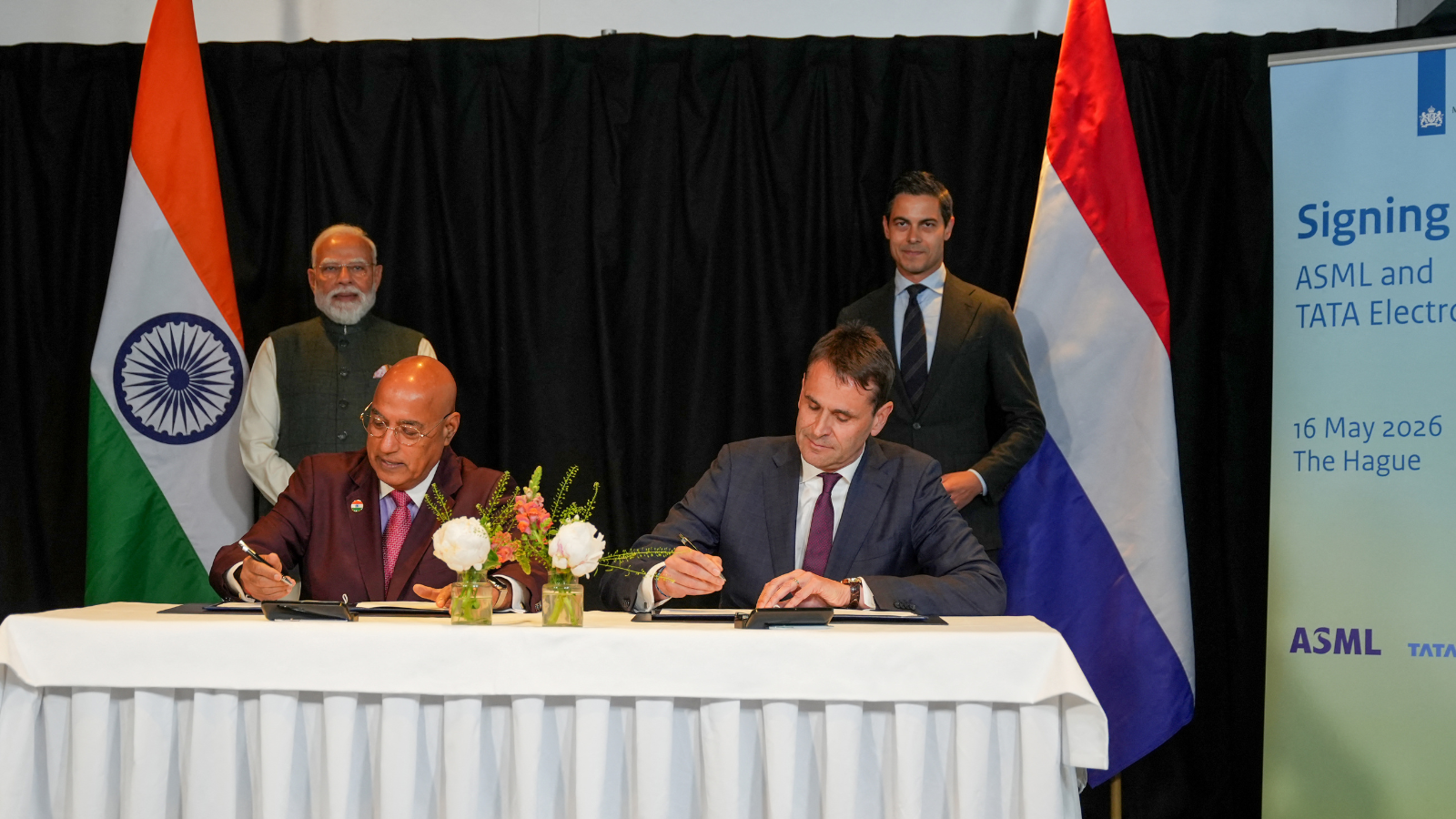
The ASML MoU with Tata Electronics is an indicator of how far the Indian semiconductor ecosystem has come. This ecosystem has been years in the making and represents real commercial logic.

Konark Bhandari

The India–EU Free Trade Agreement (FTA) is shaping up to be one of the most consequential trade negotiations, both economically and strategically. But, what’s in the agreement, what’s missing, and what will determine its success in the years ahead

Vrinda Sahai, Nicolas Köhler-Suzuki
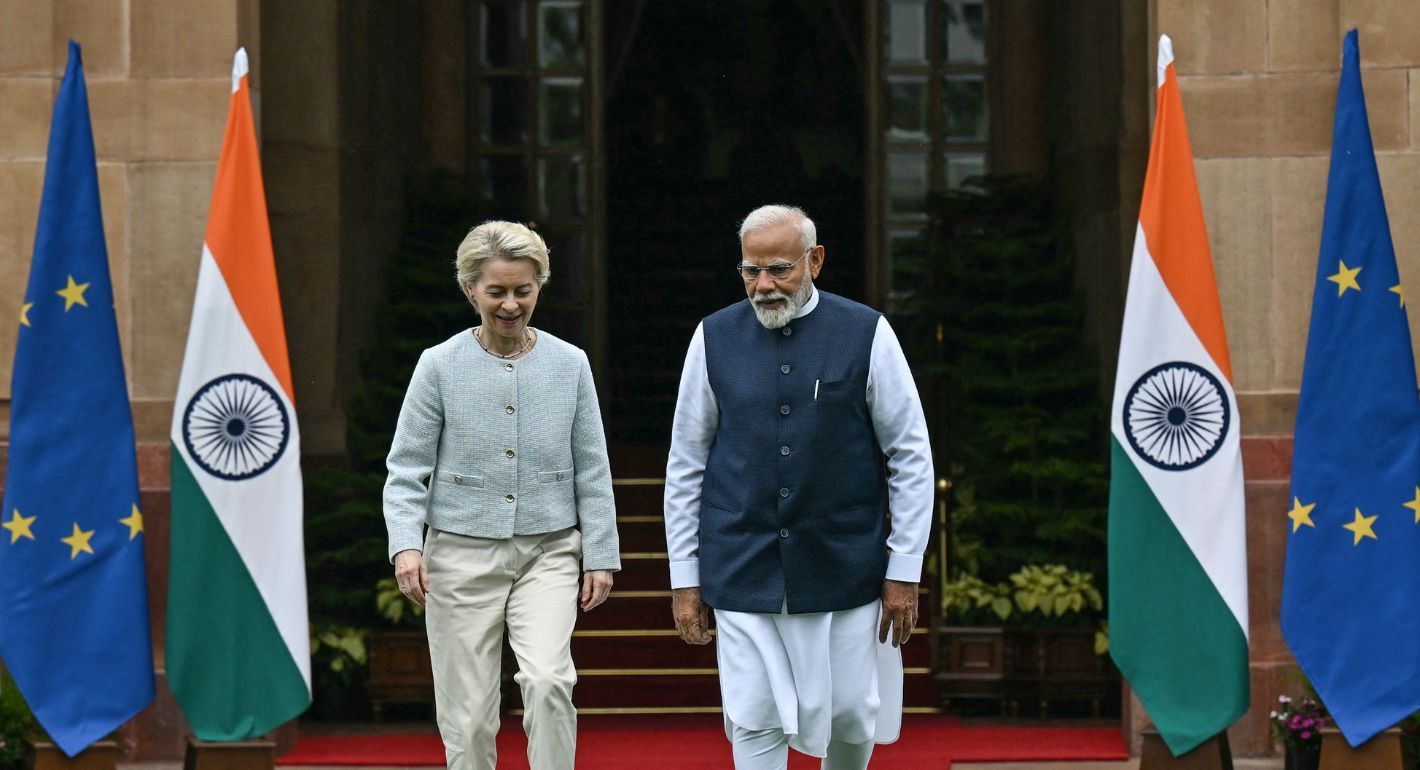
This article argues that the geopolitical circumstances have never been more conducive, not merely for the early conclusion of the free trade agreement (FTA) between India and the EU, but also for crafting a substantive and comprehensive strategic partnership.
Mohan Kumar
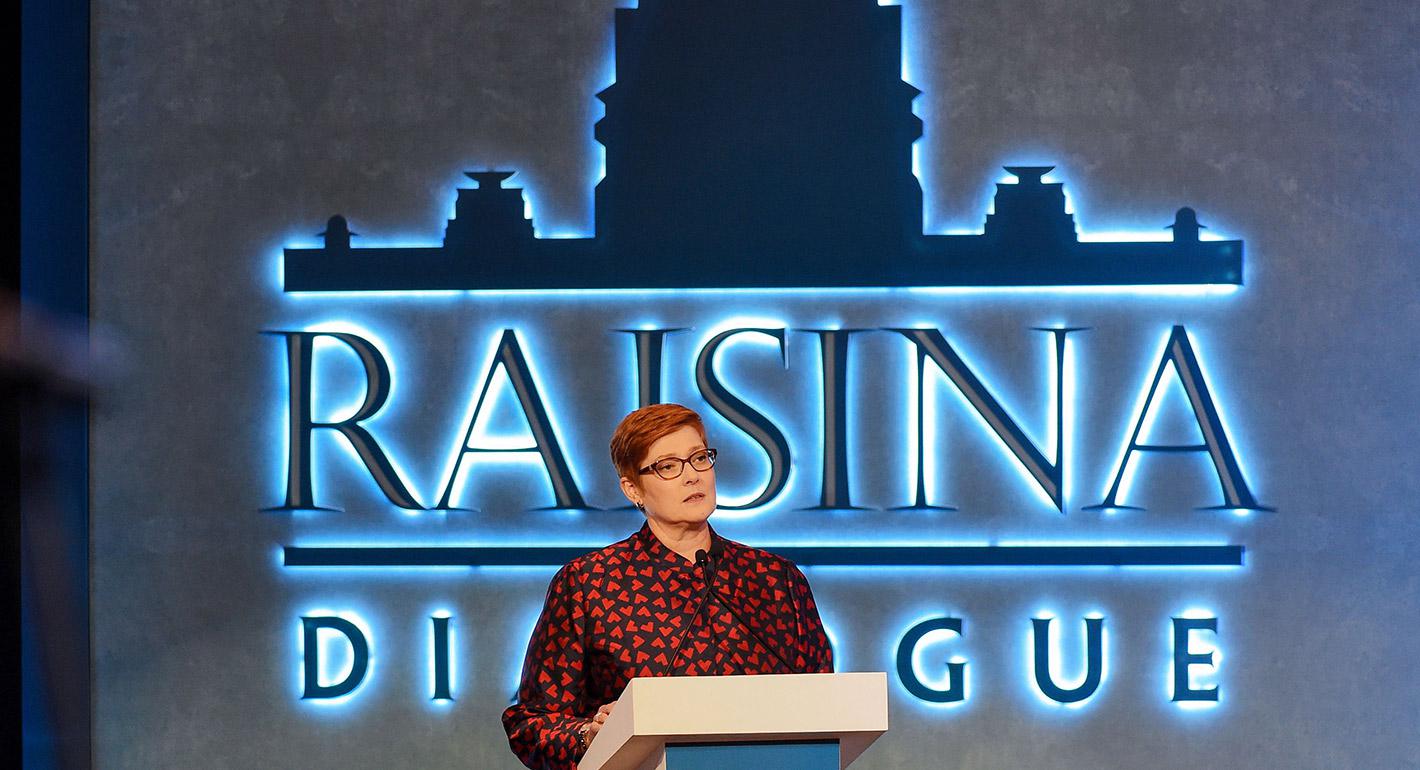
Foreign ministers from India, France, and Australia recently met (virtually) at the Raisina Dialogue, India’s flagship annual conference on geopolitics and geoeconomics. What can they get done if they work together?

Rudra Chaudhuri, Shibani Mehta
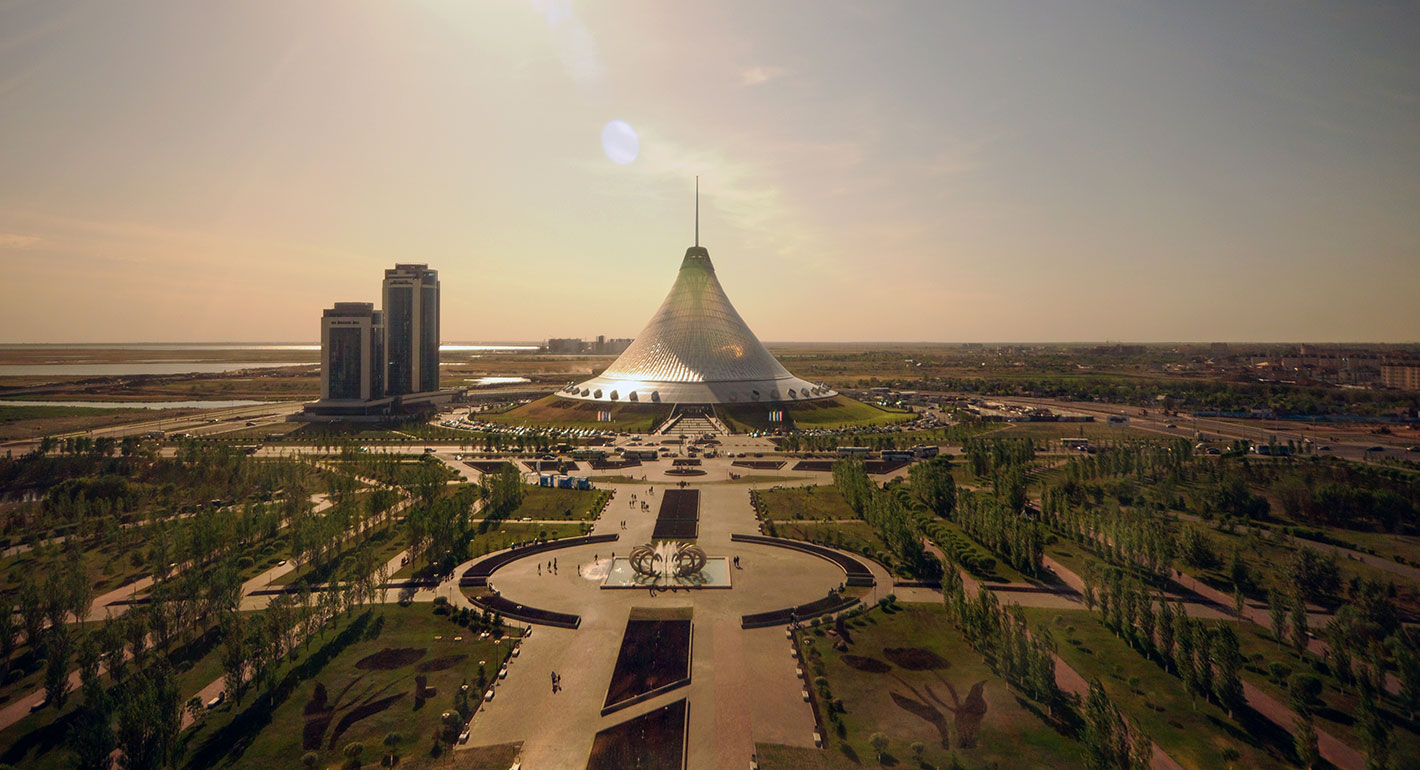
With contributors from various Central Asian nations and beyond, this issue of Seminar provides a selection of perspectives about the past, present, and future trajectory of Central Asia, and the growing role of external actors, particularly India, China, Russia, and the EU in this evolving and dynamic space.
Rhea Menon, Sharanya Rajiv, 64592