

Commentary
Marc Pierini
{
  "authors": [
    "Marc Pierini"
  ],
  "type": "legacyinthemedia",
  "centerAffiliationAll": "dc",
  "centers": [
    "Carnegie Endowment for International Peace",
    "Carnegie Europe"
  ],
  "collections": [],
  "englishNewsletterAll": "ctw",
  "nonEnglishNewsletterAll": "",
  "primaryCenter": "Carnegie Europe",
  "programAffiliation": "EP",
  "programs": [
    "Europe"
  ],
  "projects": [],
  "regions": [
    "Europe",
    "Western Europe",
    "Iran"
  ],
  "topics": [
    "EU"
  ]
}
Source: Getty
EU governments have been rocked by the results of the European elections. The outcome could be a reduction in the political weight of the European Commission.
Source: Hürriyet Daily News
On Tuesday, May 27, all European Council members gathered for dinner in Brussels, a mere 48 hours after the seismic results of the European Parliament elections. Most of them had just seen their political base shaken by a huge leap forward of xenophobic and anti-EU parties.
By the end of this long dinner party, there was no name for the president of the European Commission, although some naïve analysts believed there would be one. But the short take is that one winner emerged: David Cameron, the proponent of a more influential U.K. in a less influential EU, and with him the “Euroskeptics.”
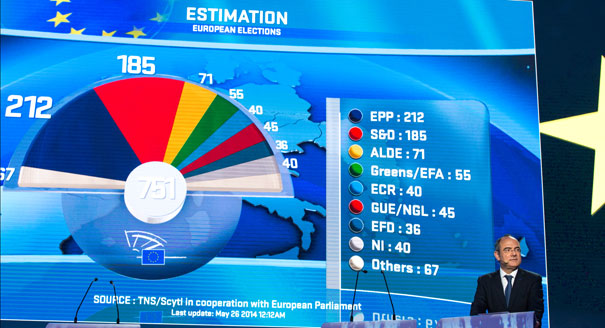
The European Parliament elections were indeed a true political seism, which can be more adequately depicted as an addition of specific tremors: Anti-EU feelings in many countries and especially France and the U.K., anti-austerity protests in Greece, Italy and Spain, a xenophobic extreme-right wave in many countries, a defiant move against mainstream parties in France.Analysts tried to reassure themselves by looking at stable trends: participation was still at 43 percent, mainstream parties – the rightist EPP and the Socialists – still make up the majority in the Parliament, although at a mere 53 percent, the Greens have resisted rather well in most countries.
But the political evidence is there: there is a profound distrust of EU institutions all over Europe.
The distrust stems primarily from fear of the economic crisis, of globalization, of immigration and from the sense that the EU has not helped to secure the future of Europe in a troubled world.
This evolution should be no surprise after some 50 or 60 years of “demonization of Brussels.” The majority of governments, left and right, used the same narrative: “We have imposed on Brussels” or “unfortunately, Brussels has imposed…” depending on the specific situation. The untold part of the story was that “Brussels” meant the Council of Ministers, where every state has a vote and where all decisions are ultimately taken.
Decades of such hypocritical politicking led citizens to believe that, tucked somewhere in Brussels, a bureaucratic monster was imposing policies on powerless member states’ governments. Although this depiction was a blatant institutional fallacy, it drove misperceptions and disillusionment.
Today, it is impossible for governments not to take into account the massive rise in anti-EU feelings across Europe. While most members of the European Council were destabilized by the election results, one of them was prompt to pocket the benefits. David Cameron stated in no uncertain terms: “Europe cannot shrug off these results. We need an approach that recognizes that Europe should concentrate on what matters, on growth and jobs and not try and do so much … We need an approach that recognizes that Brussels has got too big, too bossy, too interfering. We need more for nation states. It should be nation states wherever possible and Europe only where necessary.”
Unsurprisingly, Mr. Cameron was supported by the Dutch Prime Minister Mark Rutte, who advocated “fewer rules and less fuss from Europe and for Europe to focus on where it can add value,” and is likely to receive support from countries such as Sweden, Hungary and the Czech Republic. What is more, French President François Hollande added a similar note when he pleaded that the EU “concentrate more on its priorities, show more efficiency where it is needed and not to add things where it is unnecessary.” In other words, there is now a coalition of sorts between Mr. Cameron, who is running behind UKIP, and Mr. Hollande, who is running behind the National Front, and all the other Euroskeptics.
The clear political effect of the European Parliament elections is an “enough with Brussels!” attitude.
Although the political situations in member states differ, the common denominator is now a simple one: EU governments have been rocked by the elections results and will converge on a reduction in the number and depth of EU policies. As a result, the political weight of the Commission will be reduced.
The first implication of the May 27 dinner of the European Council is that Jean-Claude Juncker, the arithmetical winner of the EP elections, is not very likely to become the next Commission president. A veteran Luxembourg politician, he is seen as a first-generation European integrationist and this is clearly not the flavor of the month. The dinner’s predictable outcome was that Herman Van Rompuy, the outgoing president of the European Council, is now charged with the mission to look for a suitable candidate. The elections have also produced an inevitable “grand coalition” in the European Parliament, since neither the EPP nor the Socialists can form a majority without the other. The implication is that the next president of the Commission will have to be either a figure from the right with the appropriate social flavor or a figure from the left with solid liberal economic credentials.
Applicants welcome! Deadline: June 25, for the next European Council meeting.
This article was originally published on Hürriyet Daily News.

Senior Fellow, Carnegie Europe
Marc Pierini is a senior fellow at Carnegie Europe, where his research focuses on developments in the Middle East and Turkey from a European perspective.
Recent Work
Marc Pierini
Marc Pierini
Carnegie India does not take institutional positions on public policy issues; the views represented herein are those of the author(s) and do not necessarily reflect the views of Carnegie, its staff, or its trustees.
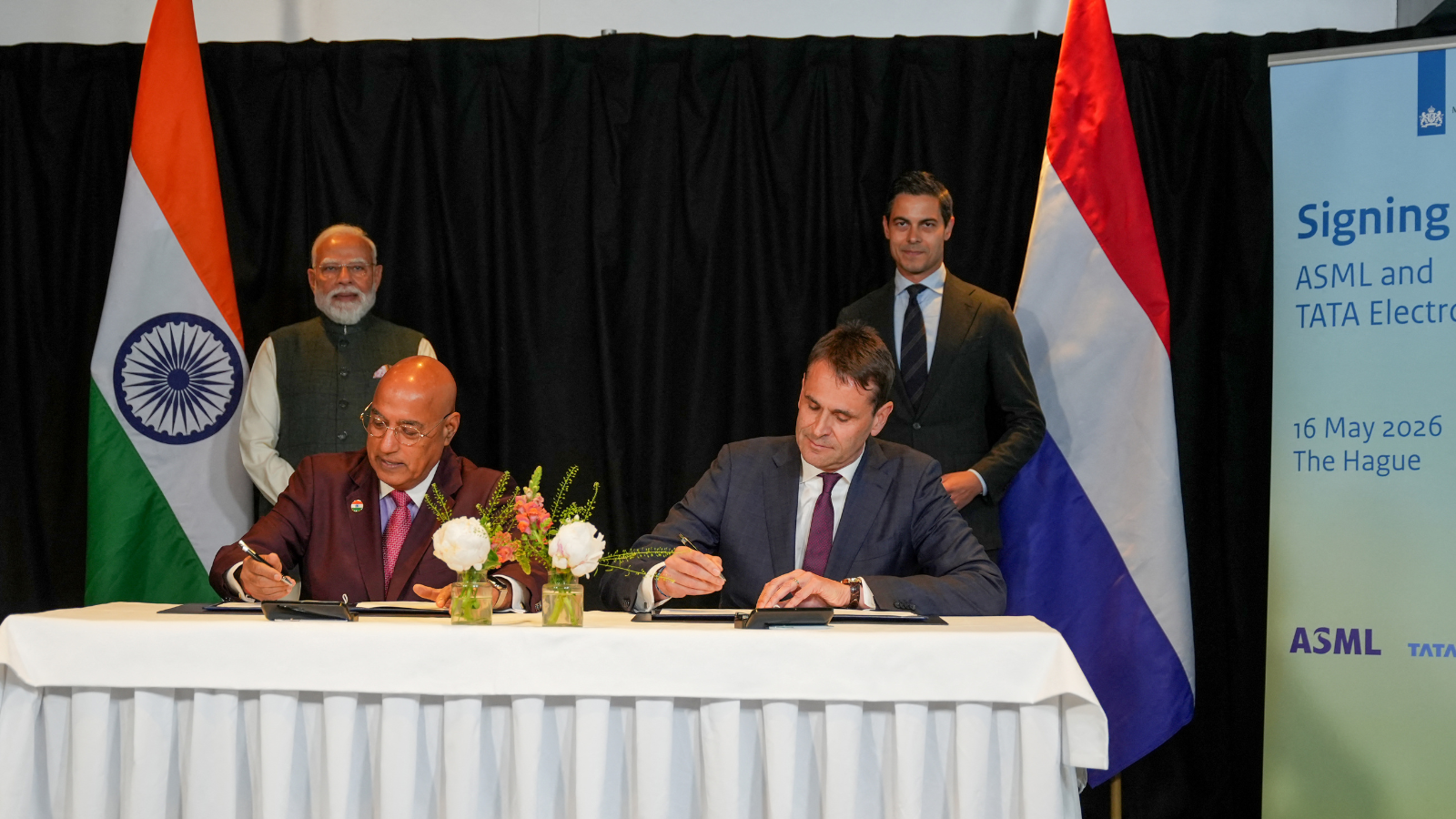
The ASML MoU with Tata Electronics is an indicator of how far the Indian semiconductor ecosystem has come. This ecosystem has been years in the making and represents real commercial logic.

Konark Bhandari

The India–EU Free Trade Agreement (FTA) is shaping up to be one of the most consequential trade negotiations, both economically and strategically. But, what’s in the agreement, what’s missing, and what will determine its success in the years ahead

Vrinda Sahai, Nicolas Köhler-Suzuki
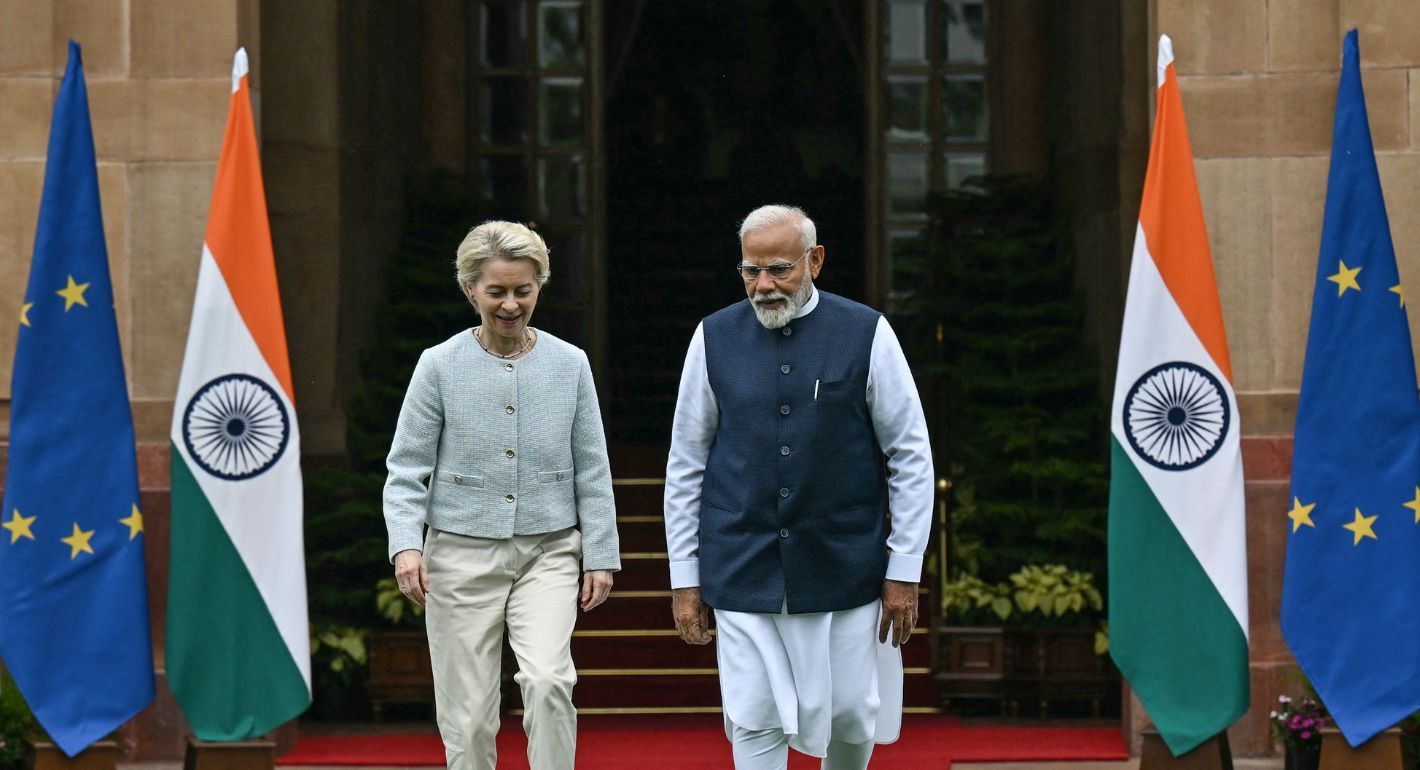
This article argues that the geopolitical circumstances have never been more conducive, not merely for the early conclusion of the free trade agreement (FTA) between India and the EU, but also for crafting a substantive and comprehensive strategic partnership.

Mohan Kumar
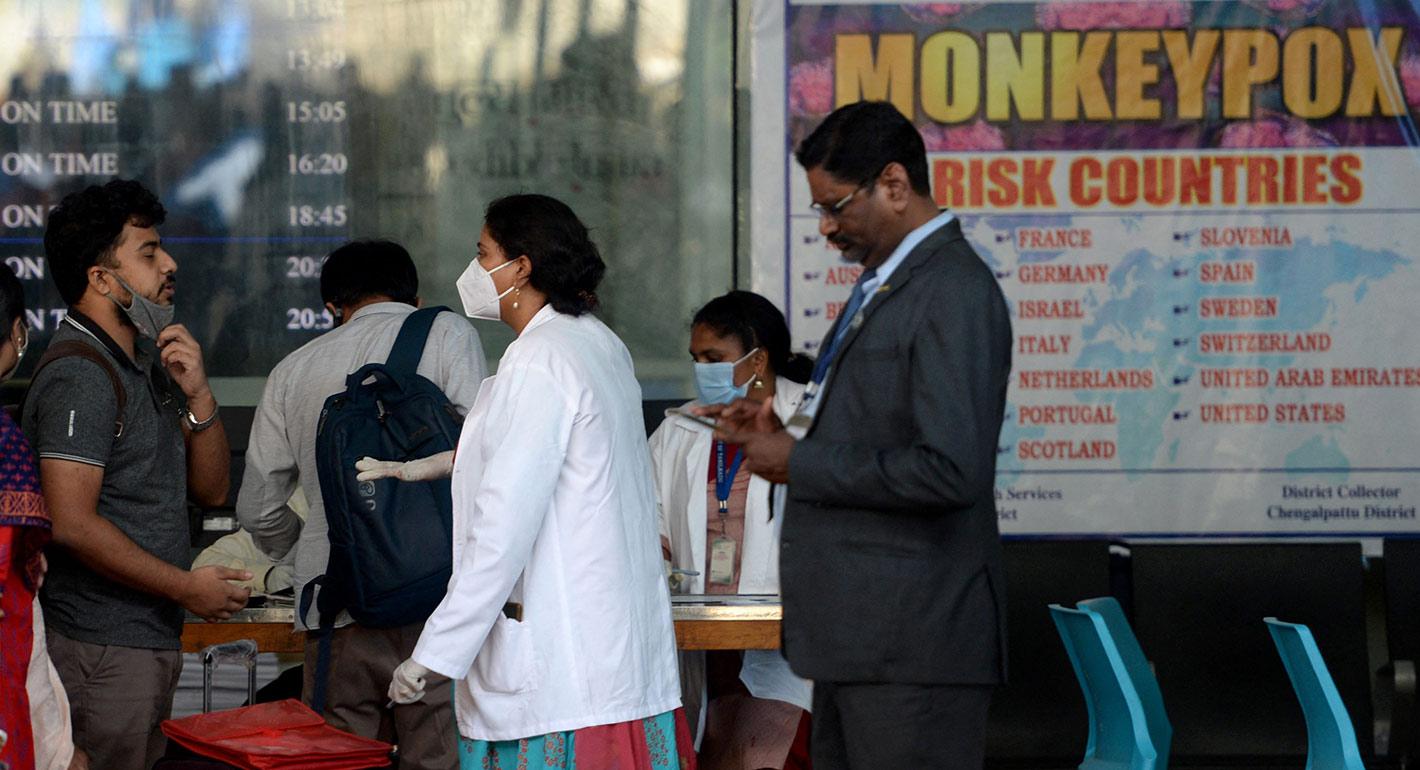
With monkeypox being declared a global health emergency, the WHO approach is an innovative and effective way to curb outbreaks of zoonotic diseases.

Shruti Sharma
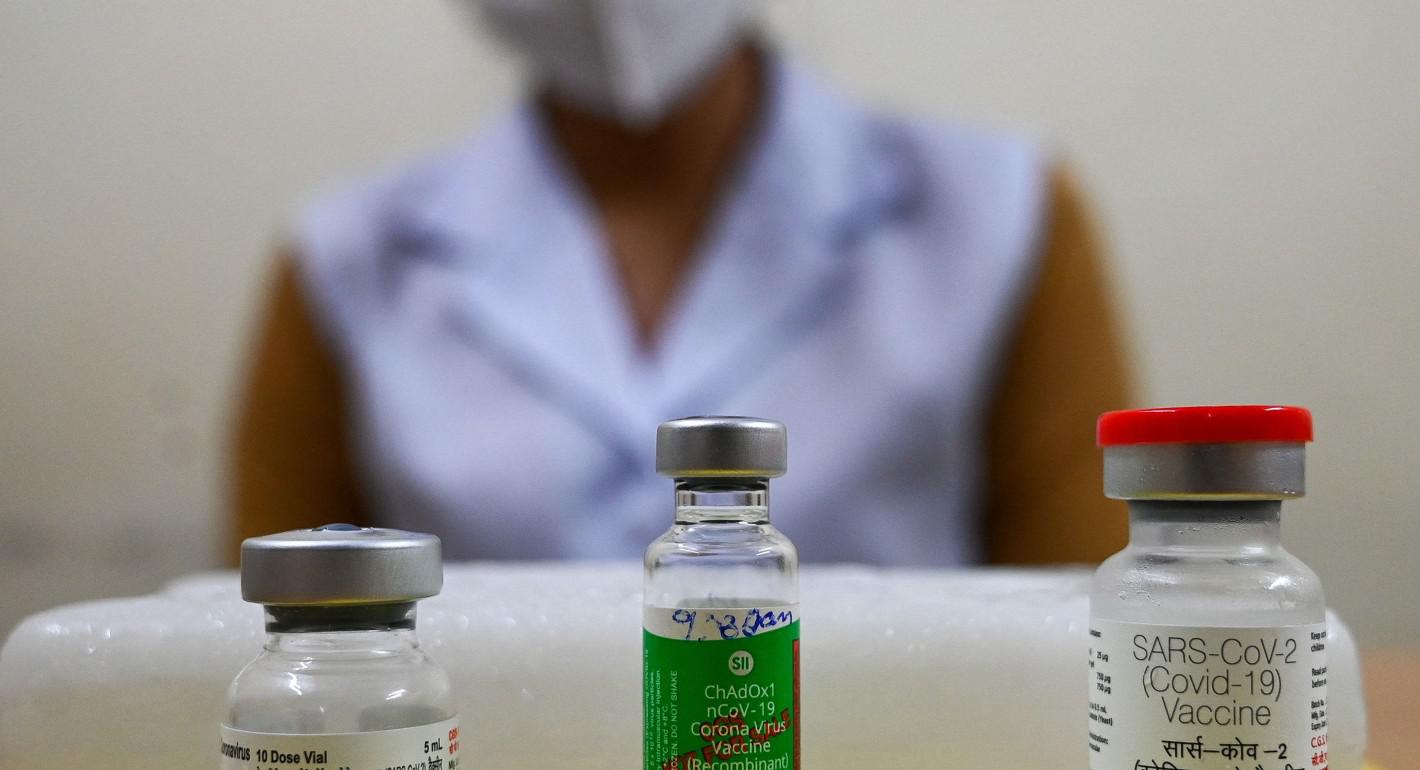
In India, biotechnology has played an important role in helping stakeholders in academia, industry, and government develop new pandemic-related technology, from test kits to respiratory devices. But these biotechnology advancements can go further to strengthen India’s public health capacity.
Shruti Sharma