

Q&A
Raluca Csernatoni, Sinan Ülgen
{
  "authors": [
    "Sinan Ülgen"
  ],
  "type": "legacyinthemedia",
  "centerAffiliationAll": "",
  "centers": [
    "Carnegie Endowment for International Peace",
    "Carnegie Europe",
    "Malcolm H. Kerr Carnegie Middle East Center"
  ],
  "collections": [
    "Turkey’s Transformation"
  ],
  "englishNewsletterAll": "",
  "nonEnglishNewsletterAll": "",
  "primaryCenter": "Carnegie Europe",
  "programAffiliation": "",
  "programs": [],
  "projects": [],
  "regions": [
    "Middle East",
    "Europe",
    "Türkiye"
  ],
  "topics": [
    "Economy"
  ]
}
Source: Getty
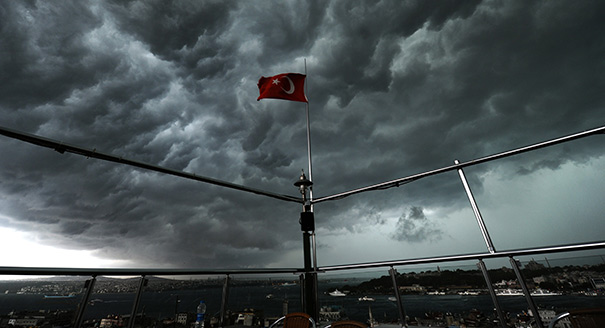
The politics of economic reform in Turkey can be facilitated by a coalition government.
Source: Financial Times
Turkey’s parliamentary elections on Sunday remain clouded in uncertainty. That is quite exceptional in a country where the ruling AK party has been able to form a single-party government after every general election since 2002.
The unpredictability stems from the likelihood of a more fragmented parliament if the predominantly Kurdish People’s Democratic party, or HDP, clears the 10 per cent national threshold required for parliamentary representation. Polls put the leftwing HDP, led by the charismatic Selahattin Demirtas, on the edge of that threshold. But can the ailing Turkish economy withstand the stress of a potential political transition?
For almost a decade following the reform programme of 2001, backed by the International Monetary Fund, the Turkish economy performed well, with growth rates averaging 5 per cent a year. Aided by benign global conditions of low interest rates and cheap money, the AK party steered the economy towards a path of higher affluence and lower income disparities. But, as the decade ended, with the initial reform agenda exhausted, growth started to lose steam. Per capita incomes have been stuck at $10,000 for the past seven years.Today Turkey is facing a slowdown: last year’s growth was 2.9 per cent and this year is not expected to be much better. The question is whether changes in the domestic political landscape will help or hinder its economic prospects.
Much will depend on the exact outcome of the polls. Markets seem to favour a thin AK party parliamentary majority, which would lead to a single-party government but sideline Recep Tayyip Erdogan’s aspirations to introduce an executive presidency. The lira has come under pressure with the growing likelihood of a coalition, which it is feared would revive fiscal populism.
There are concerns that a larger majority would increase political polarisation, which could be compounded by growing instability in Turkey’s southeast if the HDP fails to cross the threshold. These perceptions are understandable, but the markets are wrong.
A small majority would bring a weak government impotent to carry out the major reforms the economy still needs. With a chronic current account deficit and dismal domestic savings rate — at 13 per cent of national income it is among the lowest of its emerging markets peers — an ambitious economic programme focusing on enhancing productivity is essential. This must also address the vulnerability of a yearly $200bn external financing requirement, which would mean making Turkey more attractive to foreign direct investment.
In the Turkish context, the politics of economic reform can be facilitated by a coalition government. While the experience of coalition government before the AK party years was bleak, the institutions of economic governance were largely overhauled by the 2001 reforms. The central bank was made independent and monetary policy was unshackled from government influence. Regulatory institutions were strengthened to provide more transparency and better oversight of economic decision making, so governments can no longer slide down the path of the economic populism of the 1990s. Globalisation provides another layer of strong discipline. A coalition would be able to create a more consensus-driven reform agenda than a weak single-party government. It would also ease political tensions.
The west can help to empower a new economic narrative. The recent political agreement between Turkey and the EU to update the customs union is critical. The deepening of economic integration with Europe is set to provide a reliable blueprint for policy reform. The US can contribute by confirming that the Transatlantic Trade and Investment Partnership will ultimately, after being concluded between Brussels and Washington, be open to the accession of like-minded countries such as Turkey.
This article was originally published in the Financial Times.

Senior Fellow, Carnegie Europe
Sinan Ülgen is a senior fellow at Carnegie Europe in Brussels, where his research focuses on Turkish foreign policy, transatlantic relations, international trade, economic security, and digital policy.
Recent Work

Raluca Csernatoni, Sinan Ülgen

Catherine Hoeffler, Sinan Ülgen
Carnegie India does not take institutional positions on public policy issues; the views represented herein are those of the author(s) and do not necessarily reflect the views of Carnegie, its staff, or its trustees.

This piece examines India’s response to U.S. sanctions and tariffs, specifically assessing the immediate market consequences, such as alterations in import costs, and the broader strategic implications for India’s energy security and foreign policy orientation.
Vrinda Sahai
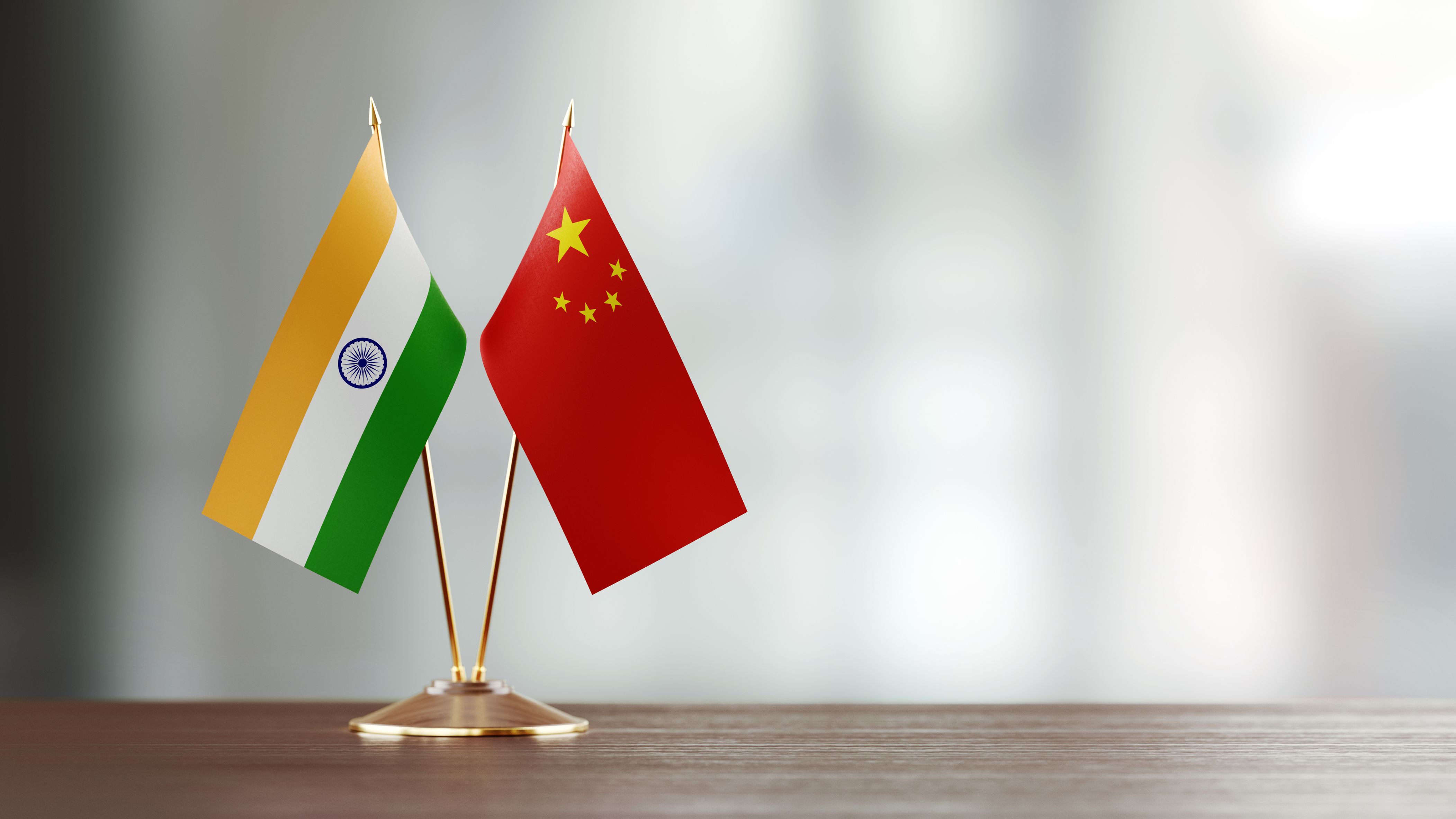
This paper examines the evolution of India-China economic ties from 2005 to 2025. It explores the impact of global events, bilateral political ties, and domestic policies on distinct spheres of the economic relationship.

Santosh Pai
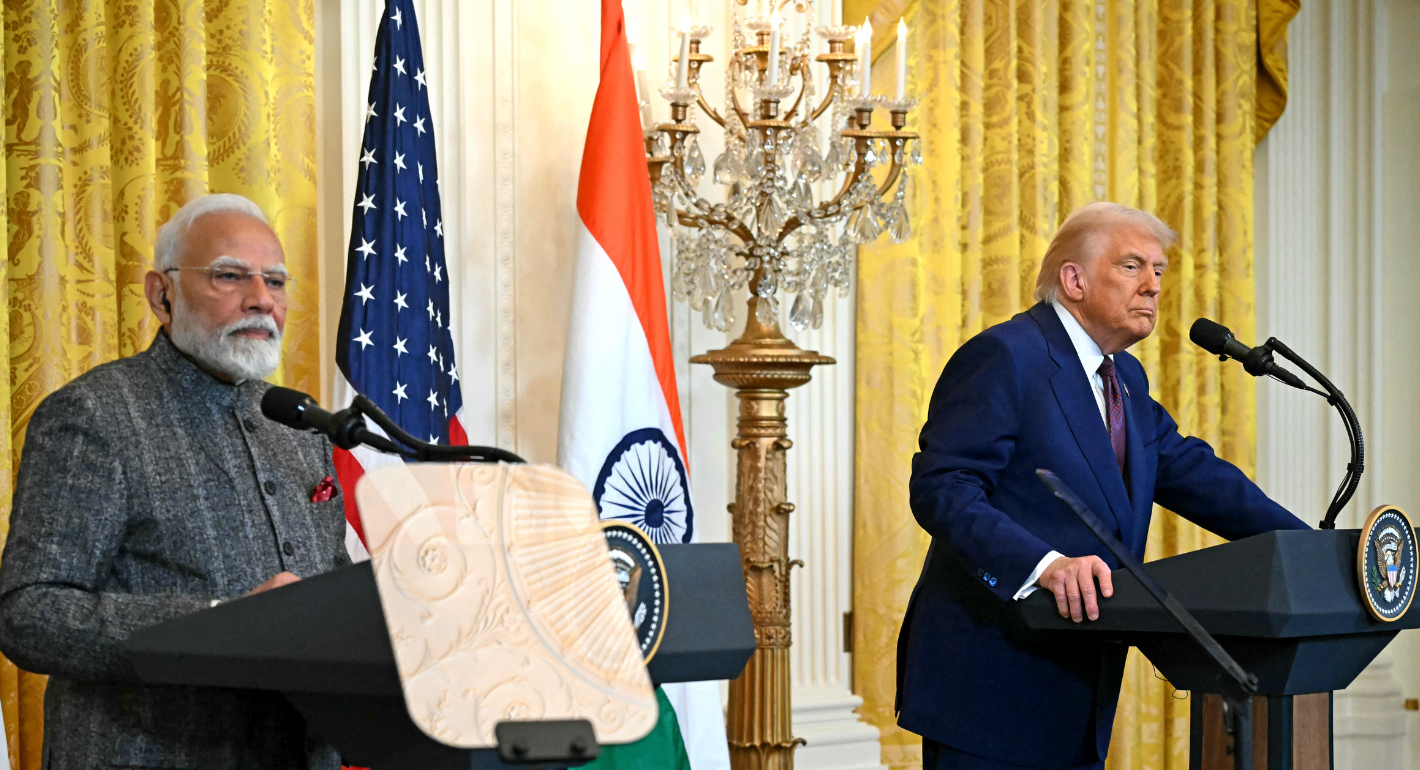
The India-U.S. relationship currently appears buffeted between three “Ts”—TRUST, Tariffs, and Trump.
Arun K. Singh
This article argues that the geopolitical circumstances have never been more conducive, not merely for the early conclusion of the free trade agreement (FTA) between India and the EU, but also for crafting a substantive and comprehensive strategic partnership.
Mohan Kumar
President Kais Saied has won a second term in office, but his country is facing a host of problems that necessitate urgent reforms, above all preventing the possibility of a financial meltdown.
Ishac Diwan, Hachemi Alaya, Hamza Meddeb