

Article
Hans-Dieter Lucas, Adam Thomson, Pierre Vimont
{
  "authors": [
    "Pierre Vimont"
  ],
  "type": "legacyinthemedia",
  "centerAffiliationAll": "dc",
  "centers": [
    "Carnegie Endowment for International Peace",
    "Carnegie Europe"
  ],
  "collections": [
    "EU Integration and Enlargement"
  ],
  "englishNewsletterAll": "ctw",
  "nonEnglishNewsletterAll": "",
  "primaryCenter": "Carnegie Europe",
  "programAffiliation": "EP",
  "programs": [
    "Europe"
  ],
  "projects": [],
  "regions": [
    "Europe",
    "Western Europe",
    "Iran"
  ],
  "topics": [
    "EU",
    "Economy"
  ]
}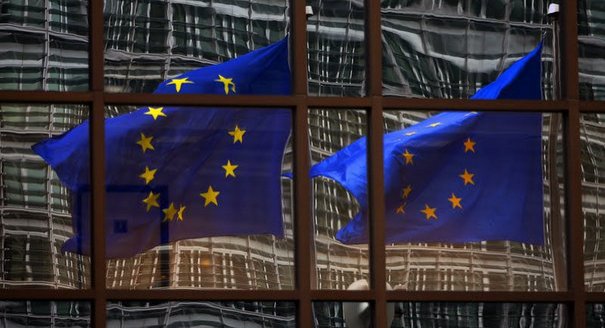
Source: Getty
The Greek crisis is the most difficult test the EU has ever had to face; it cannot be solved by austerity alone.
Source: Euronews
The threat of Greece leaving the EU, or a “Grexit,” has deeply shaken Europe.While officials prepared for a worse case scenario, eurosceptic leaders were cheering, like Nigel Farage from the UK Independence Party.
Is the Greek crisis only the starkest example of a multi-speed Europe headed for a downsizing or even extinction?
European leaders are also deeply divided over migration.
And will Spain be the next crisis? With elections there in autumn, euro-sceptic parties have surged in the polls amid anger over EU-mandated austerity policies.
On The Network, these issues are debated by Pavel Telicka, a Czech MEP and Vice President of the Alliance of Liberals and Democrats or ALDE; Pierre Vimont of the think tank Carnegie Europe and a former diplomat; and Pablo Bustinduy, co-ordinator of the European parliament delegation of Podemos, the Spanish leftist party.
This broadcast was originally aired on Euronews’s The Network.

Senior Fellow, Carnegie Europe
Pierre Vimont is a senior fellow at Carnegie Europe. His research focuses on the European Neighborhood Policy, transatlantic relations, and French foreign policy.
Recent Work


Hans-Dieter Lucas, Adam Thomson, Pierre Vimont
Pierre Vimont
Carnegie India does not take institutional positions on public policy issues; the views represented herein are those of the author(s) and do not necessarily reflect the views of Carnegie, its staff, or its trustees.

The ASML MoU with Tata Electronics is an indicator of how far the Indian semiconductor ecosystem has come. This ecosystem has been years in the making and represents real commercial logic.

Konark Bhandari

The India–EU Free Trade Agreement (FTA) is shaping up to be one of the most consequential trade negotiations, both economically and strategically. But, what’s in the agreement, what’s missing, and what will determine its success in the years ahead

Vrinda Sahai, Nicolas Köhler-Suzuki
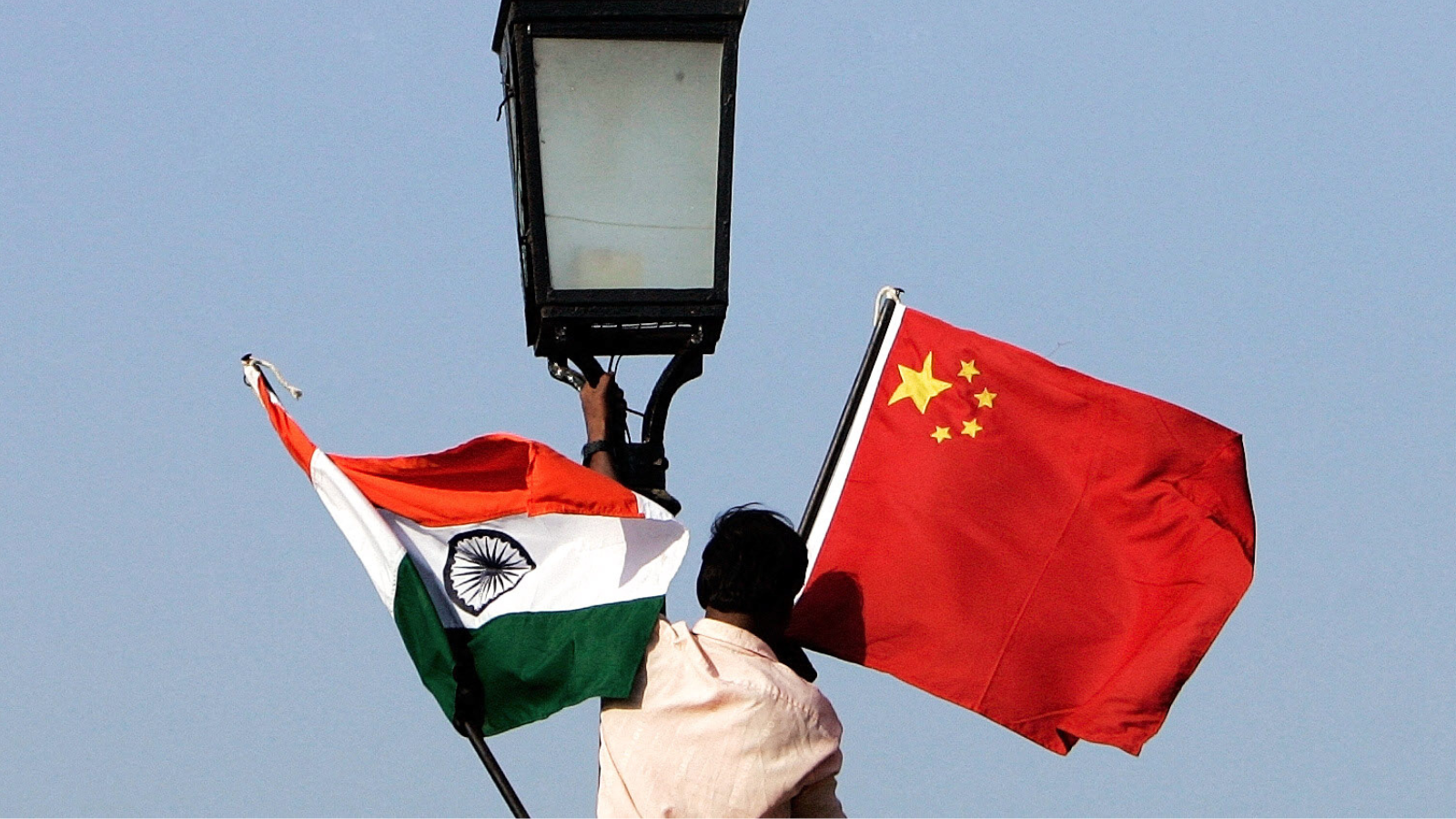
On March 10, 2026, India’s Union Cabinet approved amendments to Press Note 3, a regulation that mandated government approval on all foreign direct investment (FDI) from countries sharing a land border with India. This amendment raises questions primarily about whether its stated benefits will materialize and if the risks have been adequately weighed. This piece will address the same.
Konark Bhandari

This piece examines India’s response to U.S. sanctions and tariffs, specifically assessing the immediate market consequences, such as alterations in import costs, and the broader strategic implications for India’s energy security and foreign policy orientation.
Vrinda Sahai
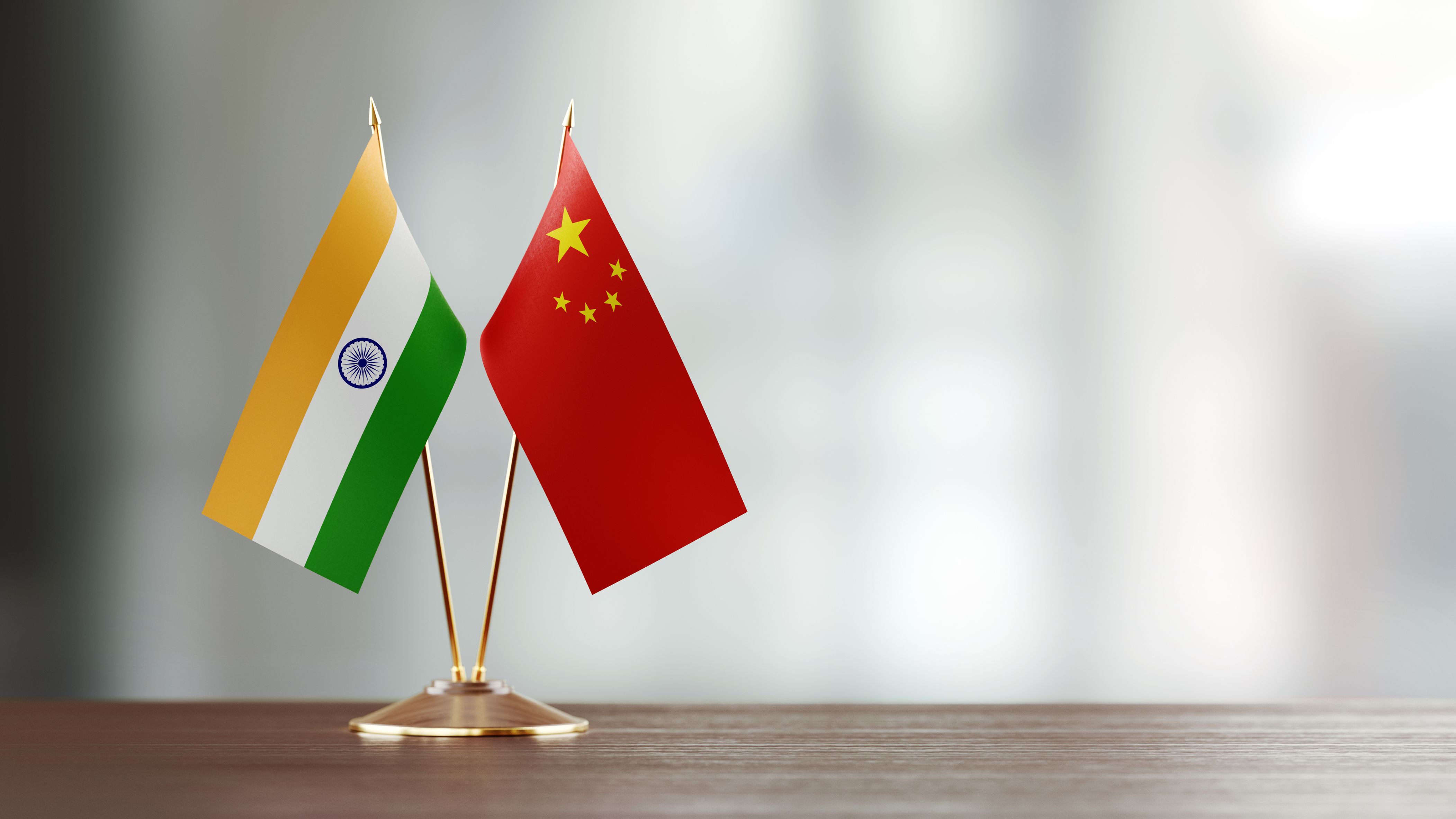
This paper examines the evolution of India-China economic ties from 2005 to 2025. It explores the impact of global events, bilateral political ties, and domestic policies on distinct spheres of the economic relationship.
Santosh Pai