

Commentary
Sarah Chayes
{
  "authors": [
    "Sarah Chayes"
  ],
  "type": "legacyinthemedia",
  "centerAffiliationAll": "dc",
  "centers": [
    "Carnegie Endowment for International Peace"
  ],
  "collections": [
    "Democracy and Governance",
    "Anti-Corruption"
  ],
  "englishNewsletterAll": "democracy",
  "nonEnglishNewsletterAll": "",
  "primaryCenter": "Carnegie Endowment for International Peace",
  "programAffiliation": "DCG",
  "programs": [
    "Democracy, Conflict, and Governance"
  ],
  "projects": [],
  "regions": [],
  "topics": [
    "Democracy"
  ]
}
Source: Getty
Fighting religious extremism and ethnic rivalries requires addressing corruption.
Source: ABC Australia
Speaking on ABC Australia, Carnegie’s Sarah Chayes warned that terrorism and conflict is increasing globally and corruption is the connecting link. It fuels religious extremism and ethnic rivalries, she said. She concluded that to deprive these movements of oxygen, the international community must address corruption among political and economic elites.
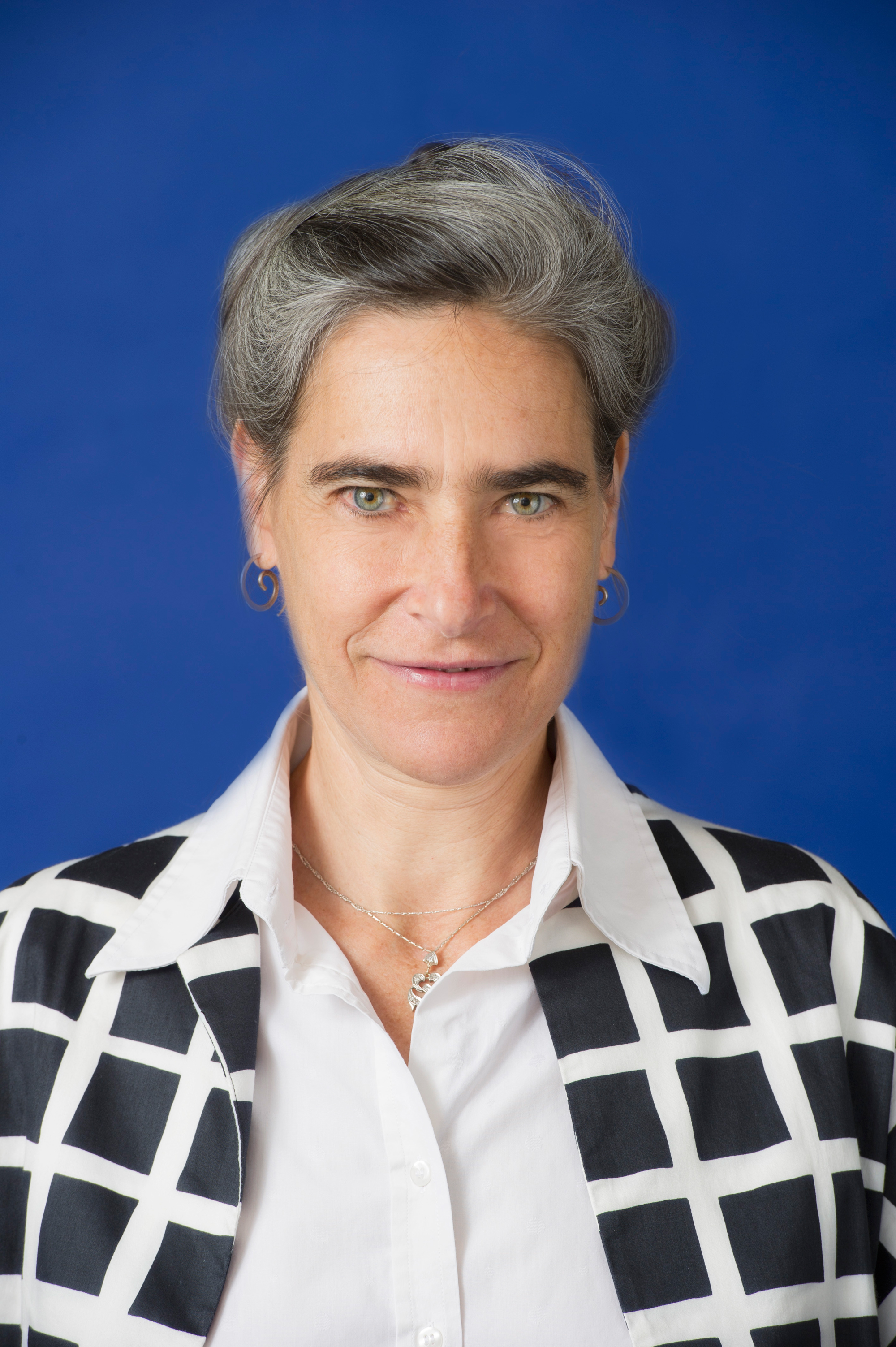
Former Senior Fellow, Democracy, Conflict, and Governance Program
Sarah Chayes is internationally recognized for her innovative thinking on corruption and its implications. Her work explores how severe corruption can help prompt such crises as terrorism, revolutions and their violent aftermaths, and environmental degradation.
Recent Work
Sarah Chayes
Carnegie India does not take institutional positions on public policy issues; the views represented herein are those of the author(s) and do not necessarily reflect the views of Carnegie, its staff, or its trustees.

Experts weigh in on whether the United States is too hostile toward China.

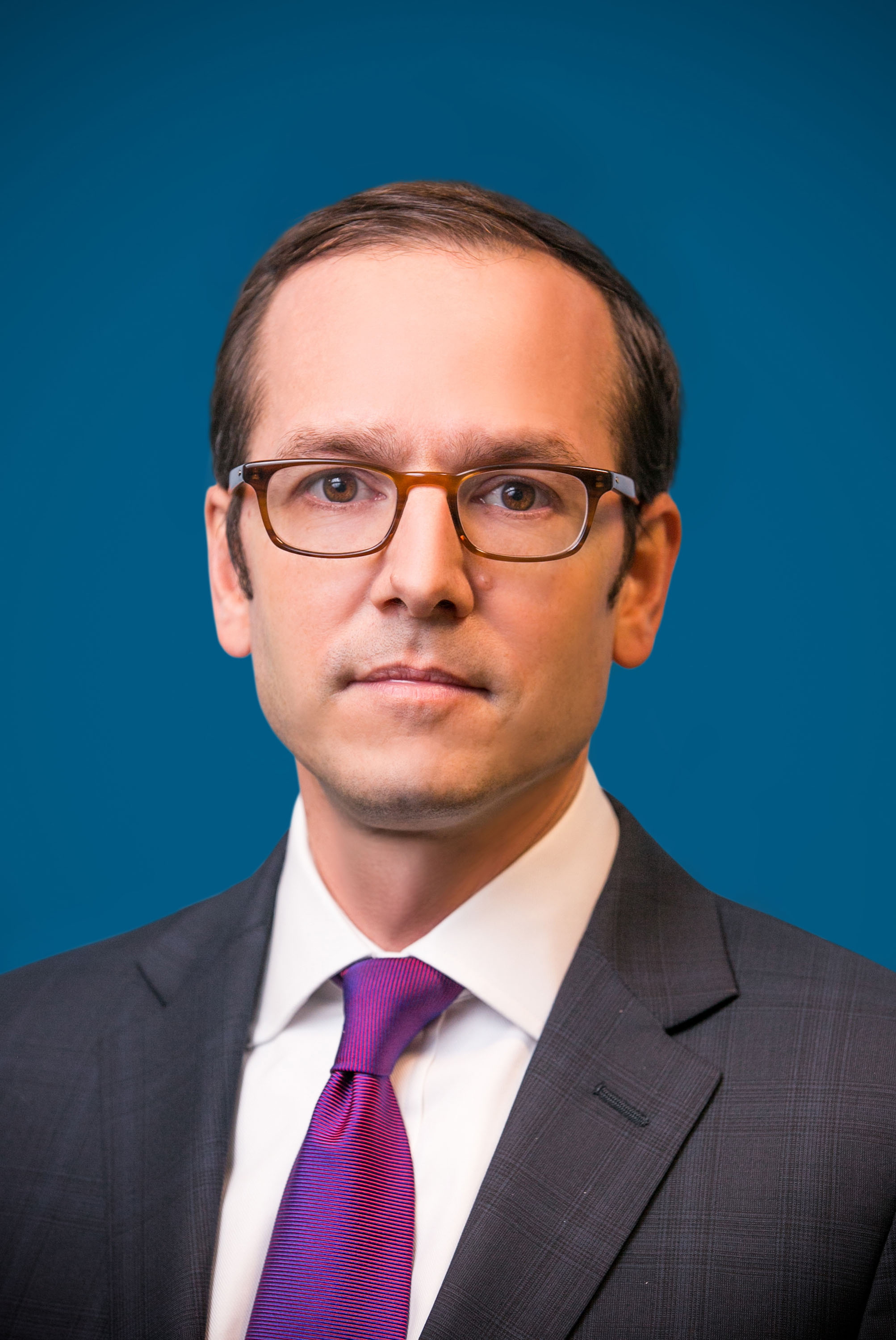
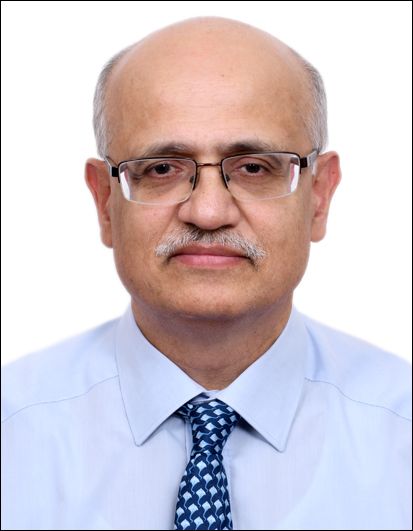
Stephen Wertheim, Evan S. Medeiros, Vijay Gokhale
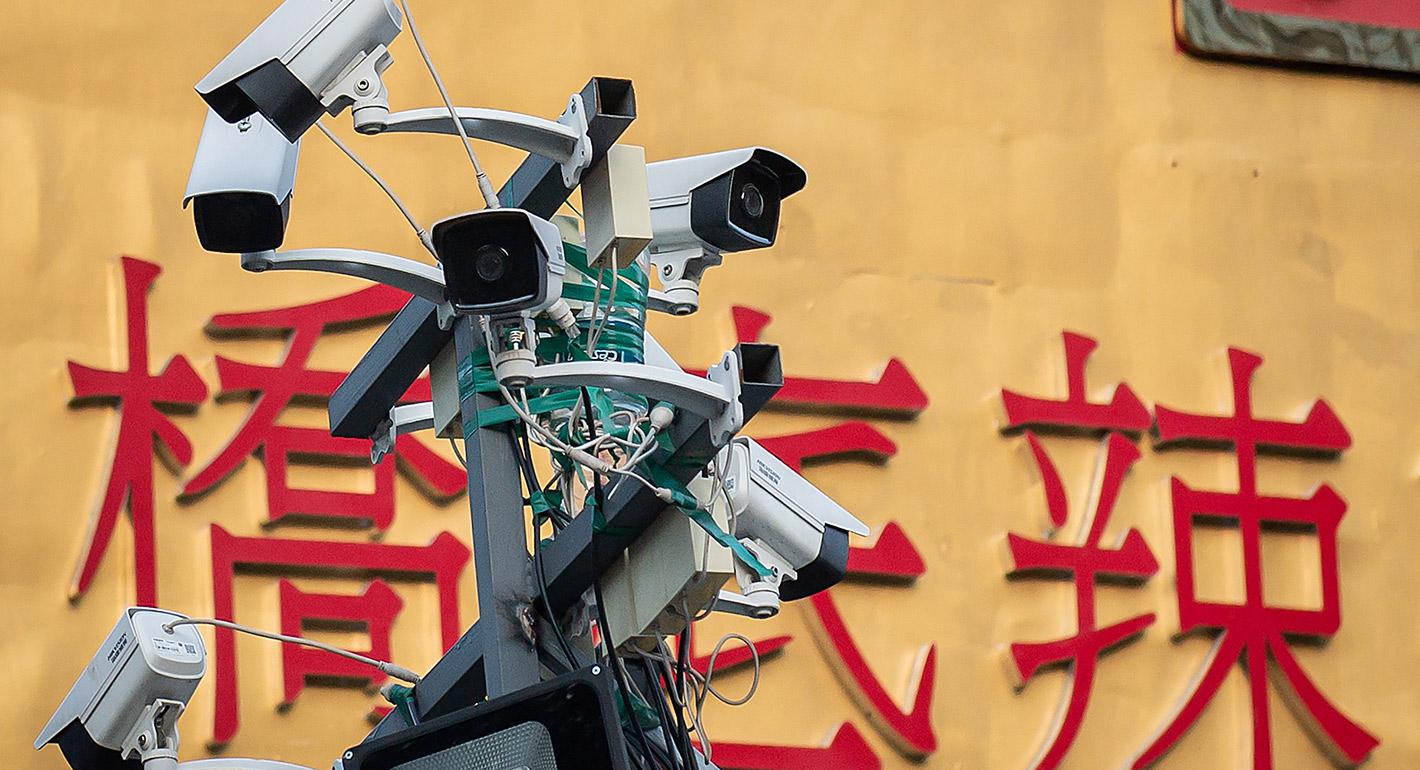
Governments around the world are turning to new forms of digital surveillance to monitor the spread of the coronavirus, though they are mostly using existing laws to do so.

Anirudh Burman
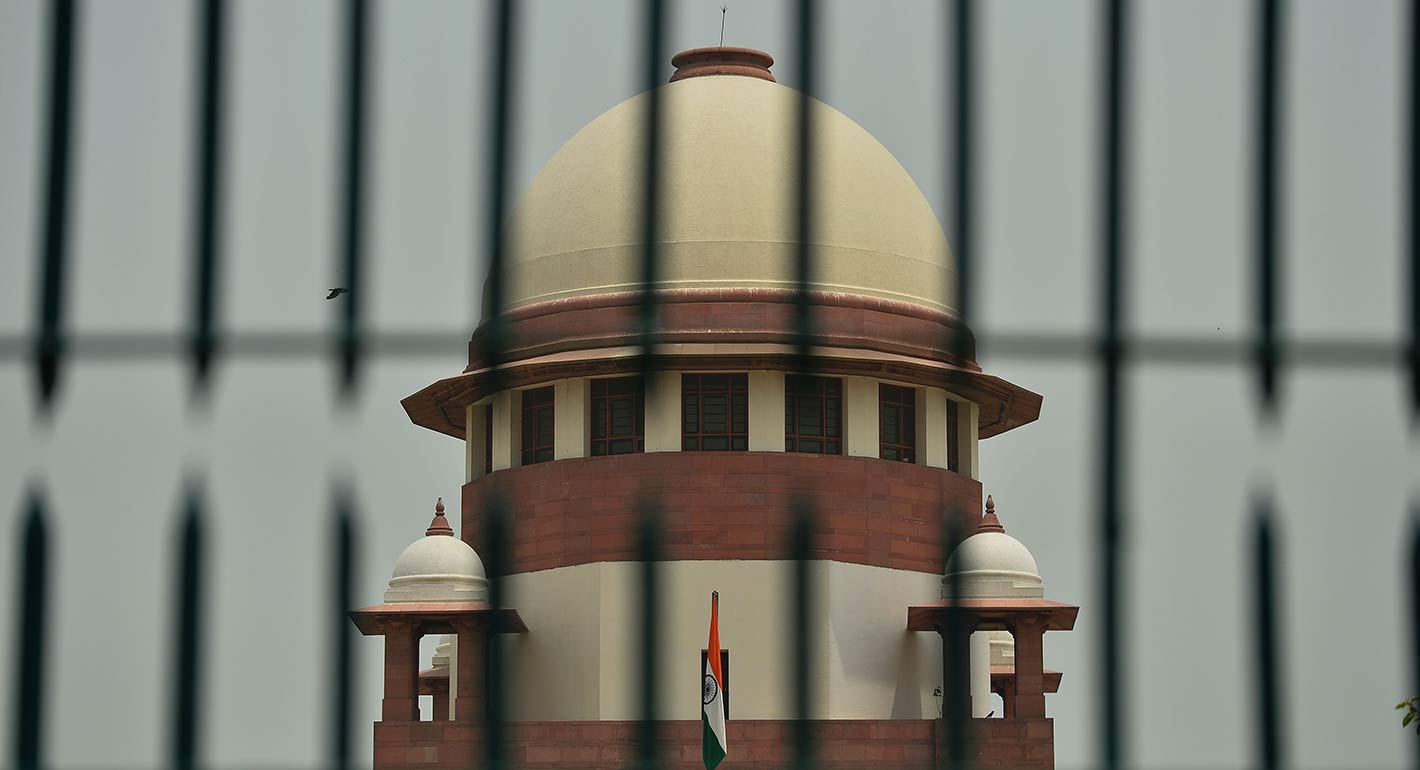
In recent years, some of the most dramatic situations in Indian public life have arisen in the higher judiciary—an arm of the state ideally characterized by collegiality, scholarship, predictability, and remoteness from raucous politics.
Suyash Rai, Anirudh Burman
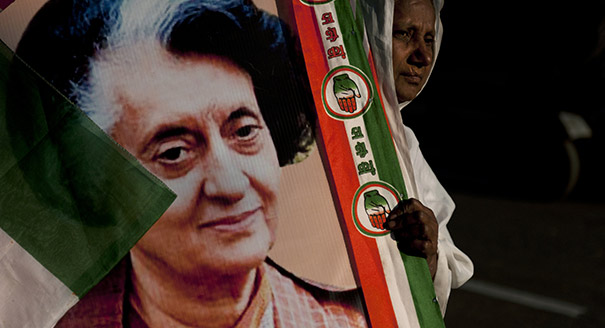
There are many lessons to be drawn from the darker days of India’s political history. The one that ought to be demystified is the view that the suspension or promotion of democracy necessarily stuns or shocks international leaders to the extent that those in India might expect them to.

Rudra Chaudhuri
In India, it is useful to view the relative success of criminal politicians as a byproduct of democratic practice, rather than its authoritarian antithesis.

Milan Vaishnav