

Commentary
Balázs Jarábik
{
  "authors": [
    "Balázs Jarábik"
  ],
  "type": "legacyinthemedia",
  "centerAffiliationAll": "dc",
  "centers": [
    "Carnegie Endowment for International Peace"
  ],
  "collections": [
    "EU Integration and Enlargement"
  ],
  "englishNewsletterAll": "",
  "nonEnglishNewsletterAll": "",
  "primaryCenter": "Carnegie Endowment for International Peace",
  "programAffiliation": "russia",
  "programs": [
    "Russia and Eurasia"
  ],
  "projects": [],
  "regions": [
    "Russia",
    "Eastern Europe"
  ],
  "topics": [
    "Foreign Policy",
    "EU"
  ]
}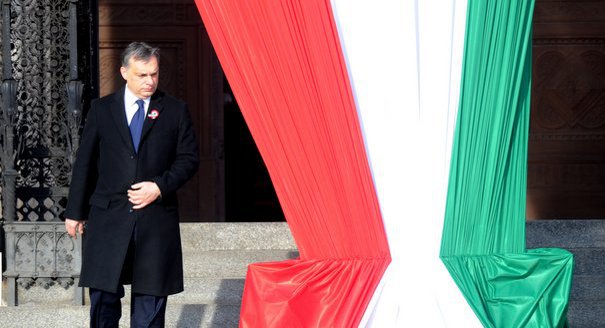
Source: Getty
The conventional wisdom is that relations between Russia and Hungary are unusually positive and Hungarian Prime Minister Viktor Orban is looking to Vladimir Putin’s Russia for inspiration for his illiberal state. Looks can be deceiving, though.
Source: The Moscow Times
The conventional wisdom is that relations between Russia and Hungary are unusually positive and Hungarian Prime Minister Viktor Orban is looking to Vladimir Putin’s Russia for inspiration for his illiberal state.
The Russian president’s second visit in one year to the Hungarian capital on Monday would seem like a reflection of those strong ties — Putin has never visited any EU capital twice in 12 months for bilateral meetings.
The honorary degree that the Russian president will receive from a regional Hungarian university reinforces the sense of a close relationship between the countries.
Looks can be deceiving, though.
The circumstances of the visit were immediately ripe for conspiracy, with Hungary’s Foreign Ministry saying Putin had been invited by the judo world championship and the Russian Foreign Ministry citing an invitation from Prime Minister Orban himself.
Unlike Putin’s last visit to Hungary in February, which was held against the backdrop of EU sanctions against Russia, there is no press conference planned for the leaders this time. And the illusion — if there was one — that this pragmatic partnership had won the backing of U.S. President Donald Trump has vanished.
Speaking to journalists in February, Orban did not appear confident. The two leaders contradicted each other on the large Russian loan for the upgrade of the Paks nuclear power plant and on Ukraine.
The Russian president’s visit now may be sparked by a desire to speed up the upgrade of the nuclear power plant and smooth the way for a long-term gas contract between Russia and Hungary. The complexity of these deals and the top-down nature of both countries’ leadership, require frequent, high-level interactions.
The largest-ever development project in Hungary, which will add two new reactors to an existing Soviet-era nuclear power plant for 12.5 billion euros, is largely financed by a Russian loan. Although the European Commission clearedthe investment, its implementation has been slow.
Last year, Hungarian officials even hinted at replacing the Russian loan because the contract is much more favorable to Russia than to Hungary. But Budapest decided to utilize it nonetheless to kick-start construction. The main obstacle however seems that while local companies are supposed to do 40 percent of the construction work, there aren’t any nuclear-certified companies in Hungary.
Putin’s honorary degree is connected to an agreement between the Debrecen University and Russia’s nuclear agency, Rosatom, to develop specialized nuclear related education.
Gas relations is another key issue for both sides. Lately, Gazprom has had to fight hard for its market share in Europe. Under pressure from the EU, 65 of its European contracts have reportedly been revisited since 2015.
But Budapest is also bargaining hard. In 2015, Hungary postponed signing a long-term contract with Gazprom citing “nervous markets” and “international market pricing.” At the same time, it recently signed an agreement with Gazprom over the Turkish Stream pipeline, describing it as the “only realistic” step toward energy diversification.
Compared to Poland or Lithuania, which are willing to pay a premium for independence from Russia, Budapest’s key objective is cost. Reducing household energy bills contributed to Orban’s victory in 2014. The gas bills delivered to homes still specify total savings so Hungarians remember to be grateful for the government price cuts.
Gazprom is also interested in storing gas in Hungary’s commercial storage facilities toward the 2019 elections seasons in Ukraine, a key transit country for Russia’s gas to Europe. This would mitigate the risk of a potential transit blockade in Ukraine for Russian gas.
Putin’s visit comes ahead of upcoming parliamentary elections in Hungary scheduled for spring 2018. Opposition parties have been preparing for the visit — and the elections — saying Hungary must choose between the EU on one hand and Russia and Orban on the other.
It will be a bit of a stretch to convince Hungarian voters of this binary. Despite its pragmatic ties with Russia, Hungary has remained firmly rooted in the Euro-Atlantic world and Hungarians are among the most ardent supporters of the EU according to recent polls.
Budapest’s “eastern opening” policy — its shift towards Russia following unrest in Ukraine — is not out of the ordinary or a major departure in policy. And Hungary’s slide into illiberalism was neither inspired nor supported by Putin. Rather, it was precipitated by Orban’s dominant position on local politics in the past eight years.
The Russian secret services’ increased activities in Hungary are rightly the subject of suspicion in the West and a headache for Budapest. But the alternative could see the Kremlin limit its tacit support for Orban in favor of his main challenger, Hungary's far right.
As Andras Racz, a Hungarian analyst of Russian affairs put it, this is no friendship and there are no common values to base a long-term alliance on. As their mutual interests are on shaky grounds, expect some tough bargaining.

Political analyst, former Slovak diplomat, and consultant specializing in Eastern Europe
Recent Work
Balázs Jarábik
Balázs Jarábik
Carnegie India does not take institutional positions on public policy issues; the views represented herein are those of the author(s) and do not necessarily reflect the views of Carnegie, its staff, or its trustees.

This piece examines India’s response to U.S. sanctions and tariffs, specifically assessing the immediate market consequences, such as alterations in import costs, and the broader strategic implications for India’s energy security and foreign policy orientation.
Vrinda Sahai
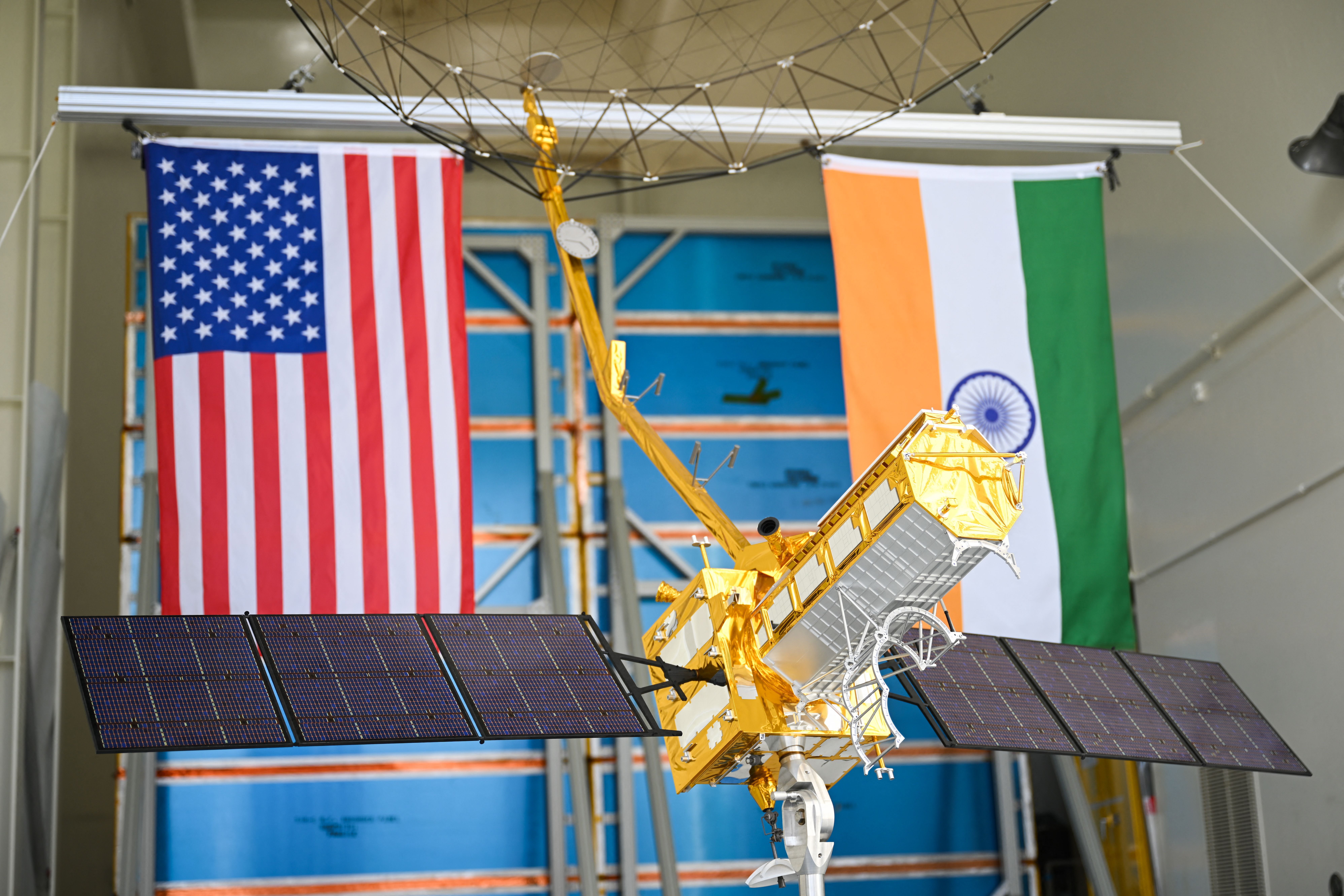
On July 30, 2025, the United States announced 25 percent tariffs on Indian goods. While diplomatic tensions simmered on the trade front, a cosmic calm prevailed at the Sriharikota launch range. Officials from NASA and ISRO were preparing to launch an engineering marvel into space—the NASA-ISRO Synthetic Aperture Radar (NISAR), marking a significant milestone in the India-U.S. bilateral partnership.

Tejas Bharadwaj
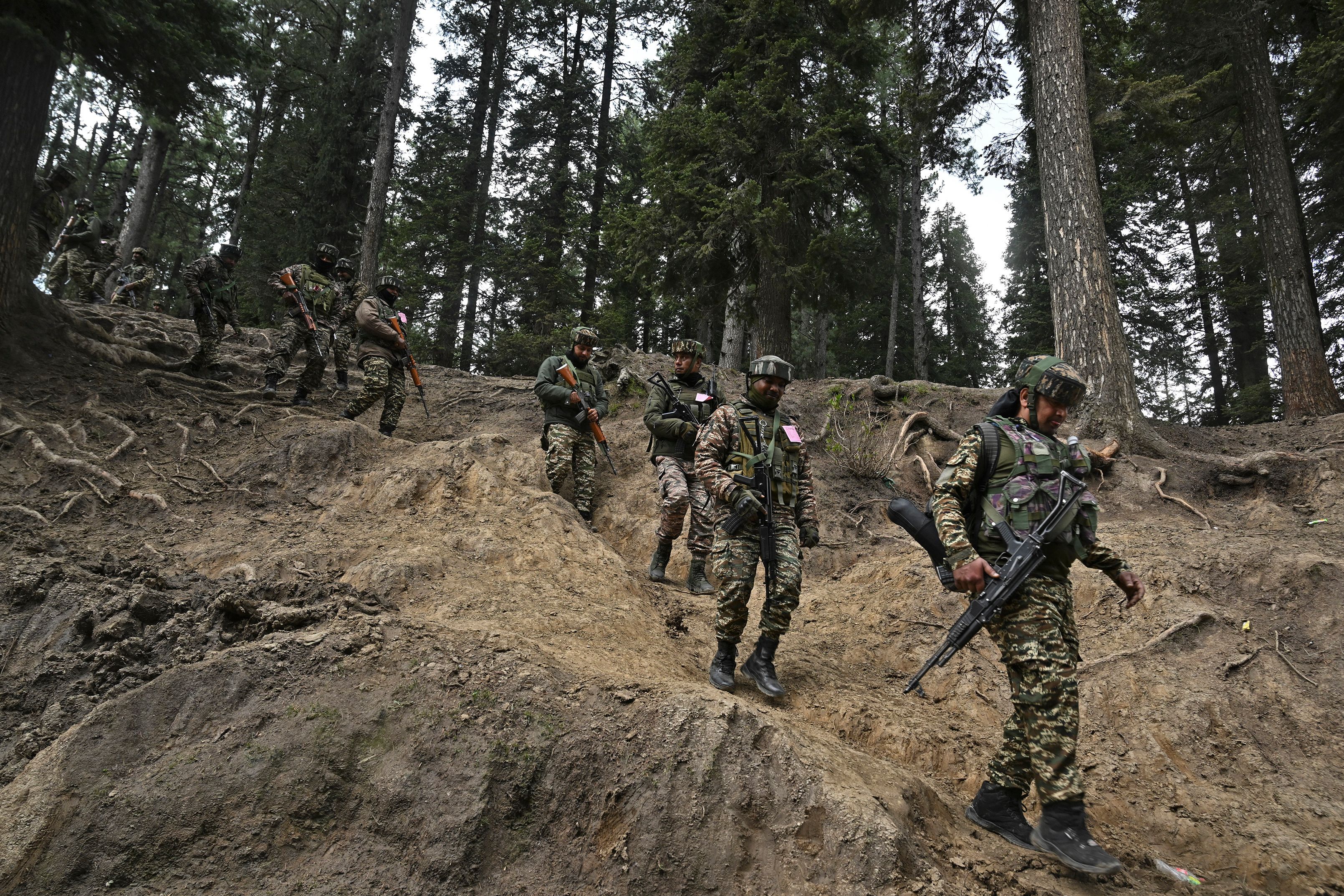
On May 7, 2025, between 1:05 and 1:30 a.m. (IST), airstrikes carried out by the Indian Air Force hit nine locations inside Pakistan and Pakistan occupied Kashmir (PoK). It was codenamed Operation Sindoor.

Rudra Chaudhuri
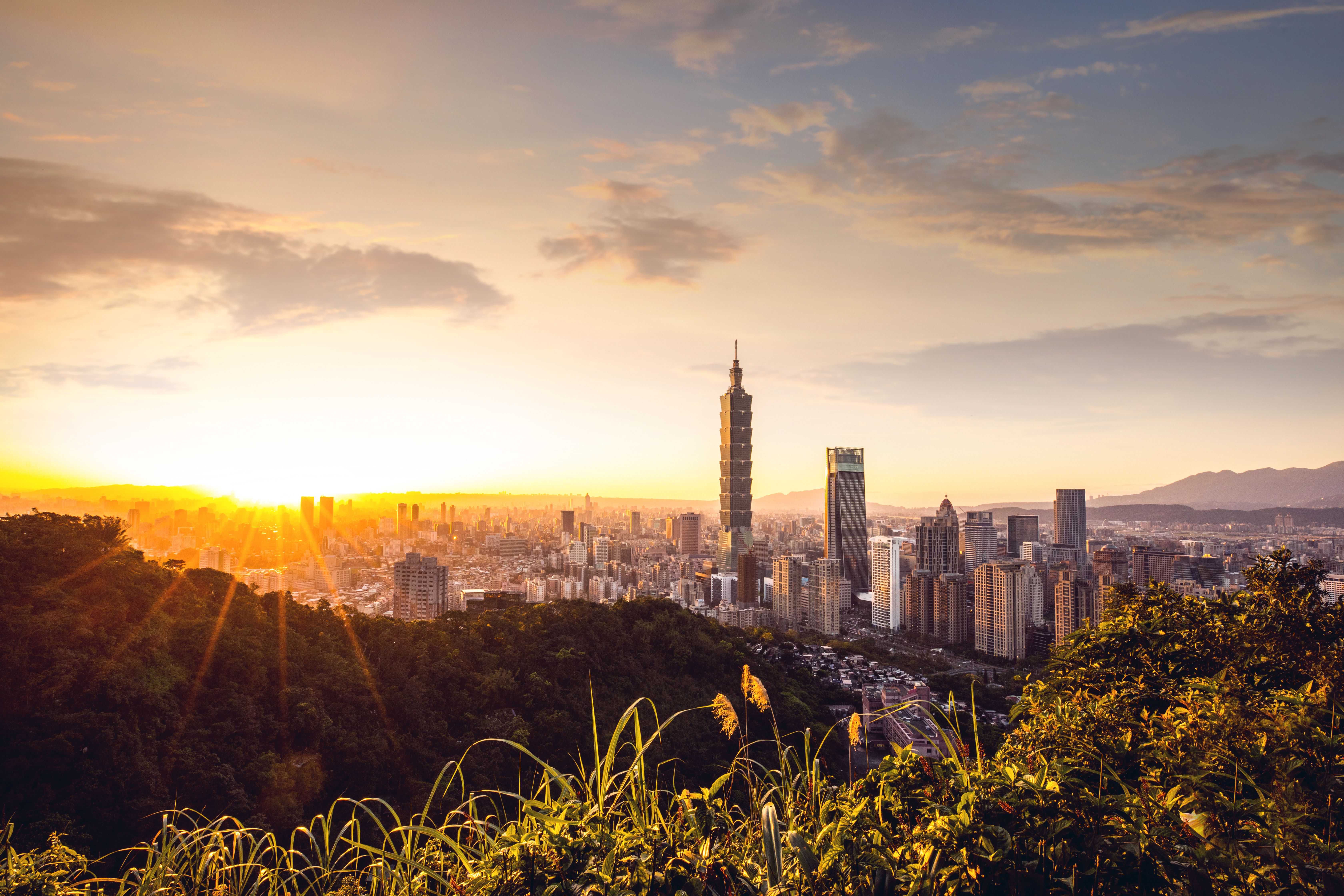
This compendium brings together three essays by scholars who participated in Carnegie India's Security Studies Dialogue in 2024, each examining a different aspect of China’s policies. Drawing on their expertise and research, the authors offer fresh perspectives on key geopolitical challenges.
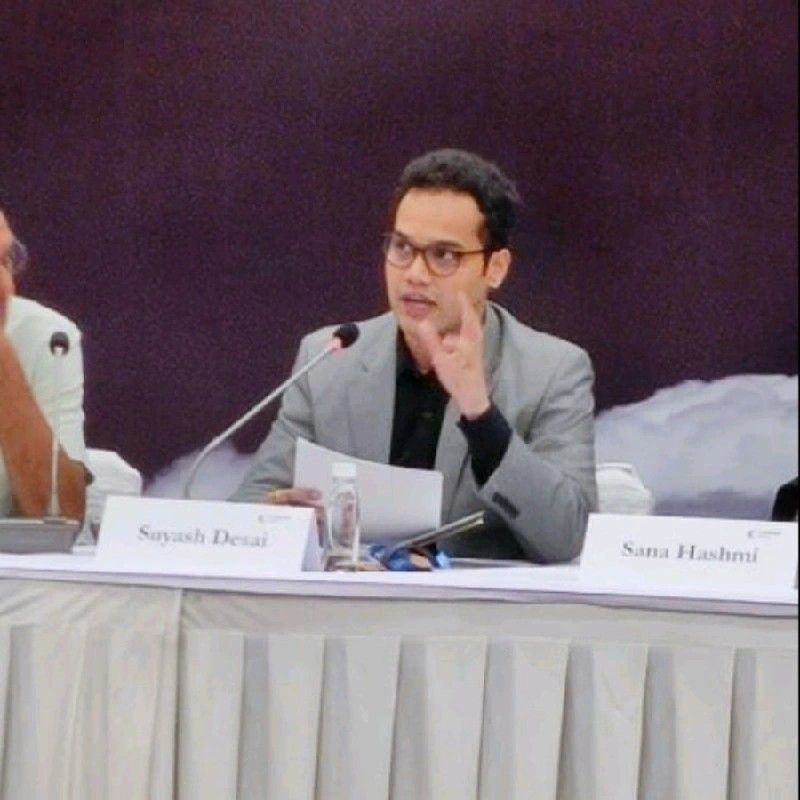

Vijay Gokhale, Suyash Desai, Amit Kumar, …

As part of the TRUST initiative, leaders of the two countries committed to building trusted and resilient supply chains, including for semiconductors and critical minerals. India and the United States have made steady progress in this area over the years. This essay explores the takeaways from discussions on semiconductor supply chains that took place at Carnegie India’s 9th Global Technology Summit.

Konark Bhandari