

Other
François Godement, Ashley J. Tellis
{
  "authors": [
    "François Godement"
  ],
  "type": "legacyinthemedia",
  "centerAffiliationAll": "dc",
  "centers": [
    "Carnegie Endowment for International Peace"
  ],
  "collections": [],
  "englishNewsletterAll": "asia",
  "nonEnglishNewsletterAll": "",
  "primaryCenter": "Carnegie Endowment for International Peace",
  "programAffiliation": "AP",
  "programs": [
    "Asia"
  ],
  "projects": [],
  "regions": [
    "Western Europe",
    "France"
  ],
  "topics": []
}
Source: Getty
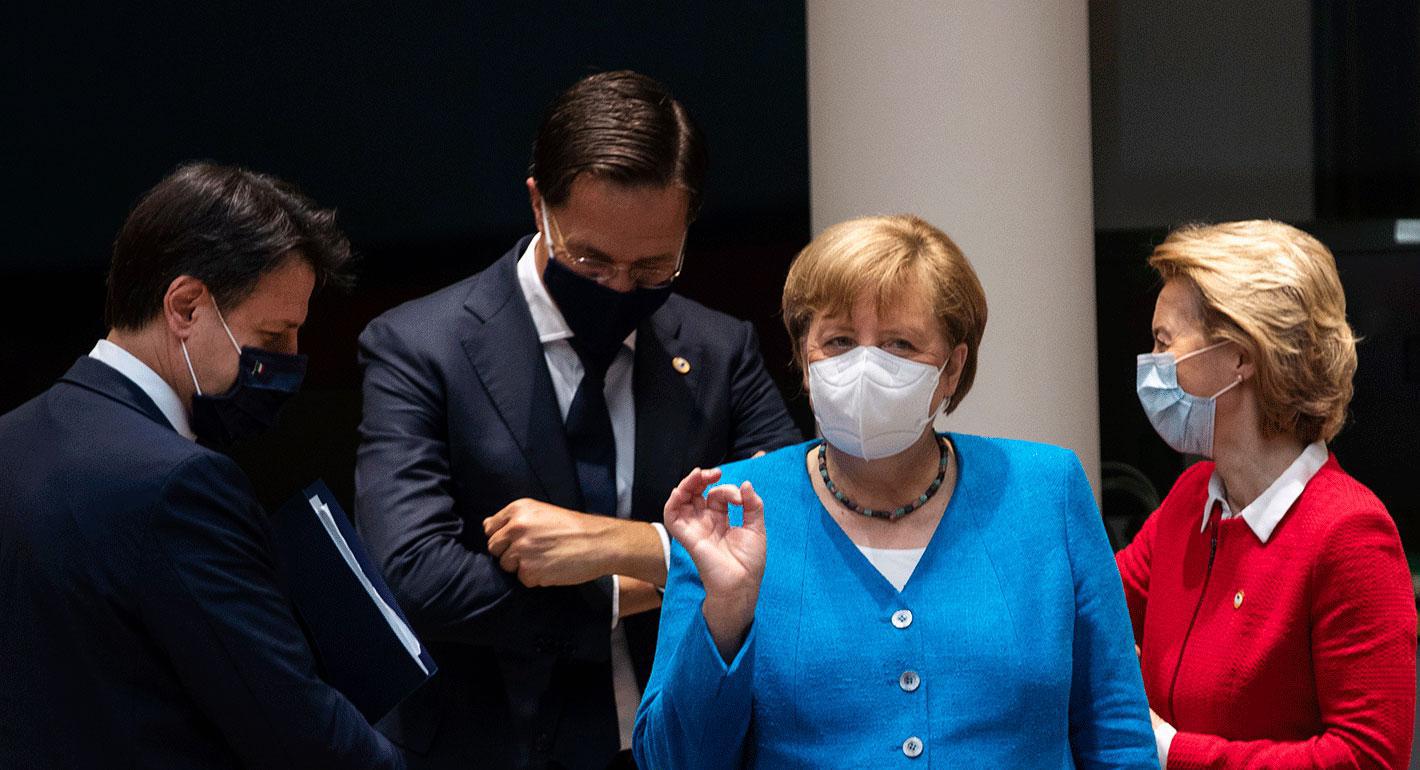
When the epidemic first appeared in China, and then in Asia, the Western response was to prioritize individual freedom, and in particular the freedom of movement over the health crisis.
Source: Institut Montaigne
When the epidemic first appeared in China, and then in Asia, the Western response was to prioritize individual freedom, and in particular the freedom of movement over the health crisis. This was perhaps conceivable if it went with a variety of preventive measures - some of which are already considered to be a first step towards restricting individual freedoms. For example, the wearing of masks, often perceived as a sort of useless manifestation of an "Asian-style" collective obligation. Or the use of digital tracing, after some success in local tracing (for example La Balme in Haute-Savoie), where going up the chain of contamination allowed to shut it down using much less elaborate means.
Digital tracing is becoming a burning issue as the project of a government-sponsored mobile application could well see the light of day in the next few hours or days. Beyond the tracing of travel flows by mobile operators or by Google, which is already a reality, tracing can have two functions: the backtracking of a mobile phone user's contacts, and therefore of the risks of infection incurred; and the real-time tracking of movements to monitor the enforcement of lockdowns - or compliance with limits and exceptions set for the end of confinement.
One application seems to fit the bill: TraceTogether, a creation of the Singaporean government run by its Ministry of Health. The code is available in open source, thus usable by the whole world. The version of the app used in Singapore keeps user data on the phone rather than on a server, with login details assigned anonymously and regularly changed. Contact detection only works with the latest versions of Bluetooth. It determines the user's contacts (but not their location) with another user of the application with an accuracy of about 2 meters, and will later warn them of a risk that was incurred. At this point, the transmission of stored data becomes mandatory. There is still preservation of anonymity of contacts - while health authorities acquire a nominal view of these. Retroactive tracking can reveal a suspicion of infection but cannot confirm it: a medical test remains necessary. The introduction of TraceTogether however dates only from March 21, while an increase in cases of local contamination happened in Singapore on March 18, thus before the application could prove its worth.
This article was originally published by Institut Montaigne.

Former Nonresident Senior Fellow, Asia Program
Godement, an expert on Chinese and East Asian strategic and international affairs, was a nonresident senior fellow in the Asia Program at the Carnegie Endowment for International Peace.
Recent Work
François Godement, Ashley J. Tellis

François Godement, Abigaël Vasselier
Carnegie India does not take institutional positions on public policy issues; the views represented herein are those of the author(s) and do not necessarily reflect the views of Carnegie, its staff, or its trustees.
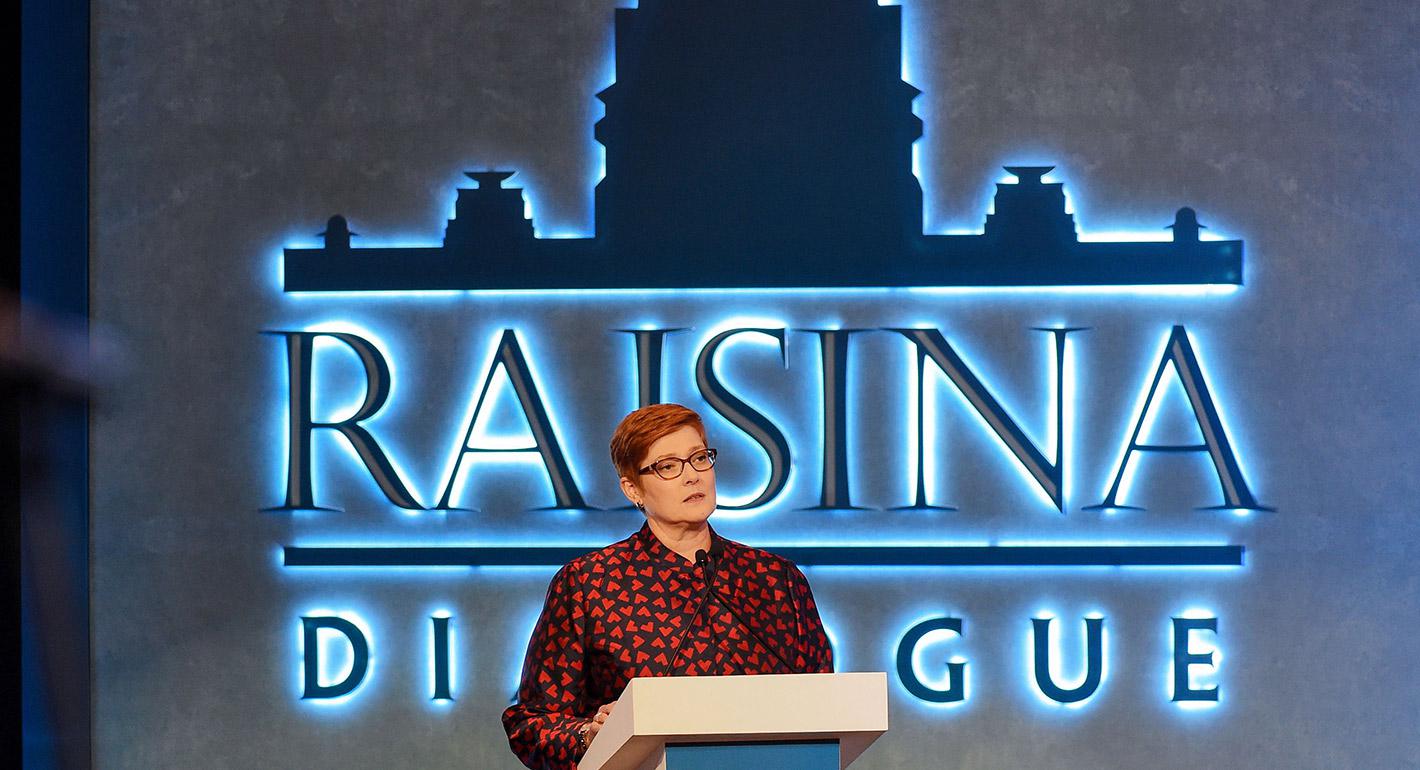
Foreign ministers from India, France, and Australia recently met (virtually) at the Raisina Dialogue, India’s flagship annual conference on geopolitics and geoeconomics. What can they get done if they work together?


Rudra Chaudhuri, Shibani Mehta
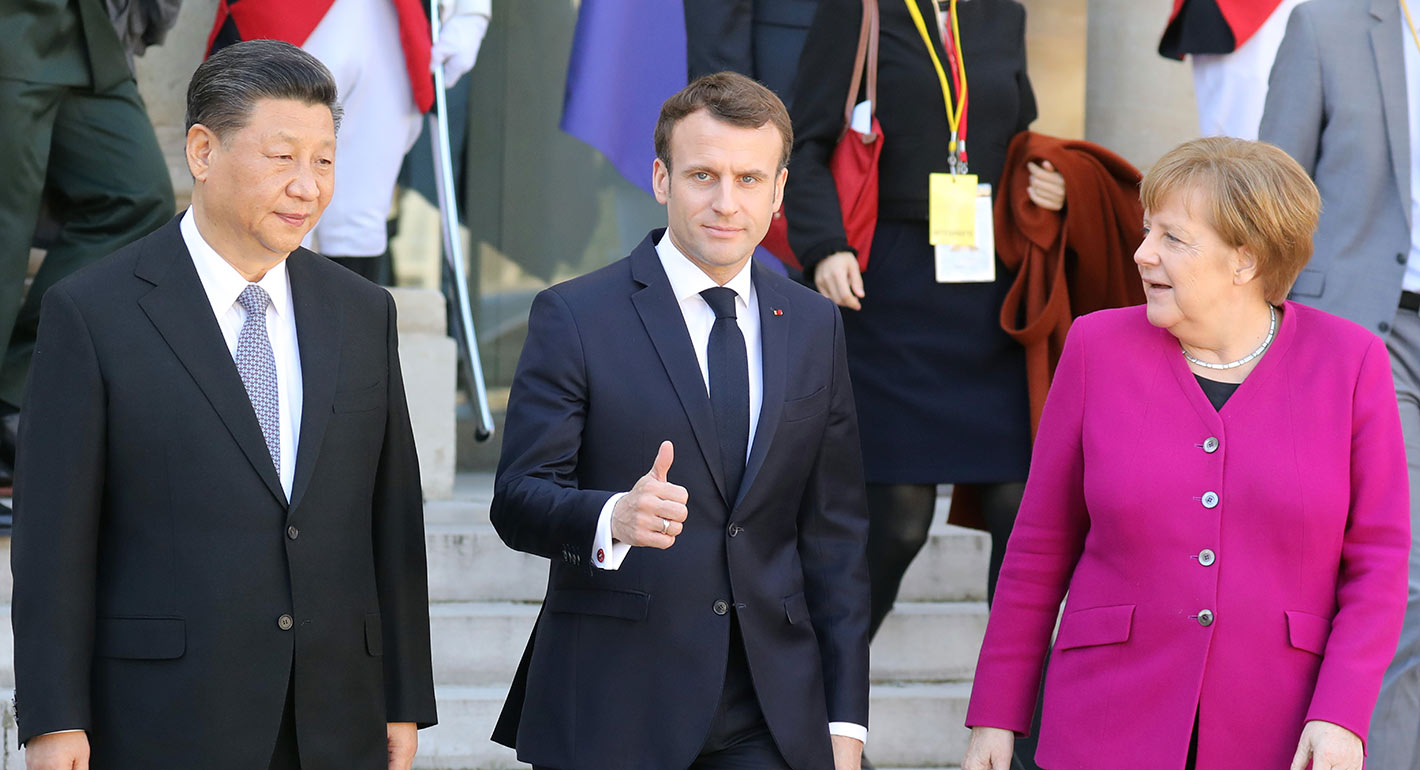
Europe’s huge stakes in the economic stability of Asia, the sea lines of communication connecting Europe and Asia through the Indo-Pacific, and threat of U.S. retrenchment may force Europe to reconsider its role in Asia. Asia needs a robust European contribution to connectivity and security.
C. Raja Mohan, John J. Vater
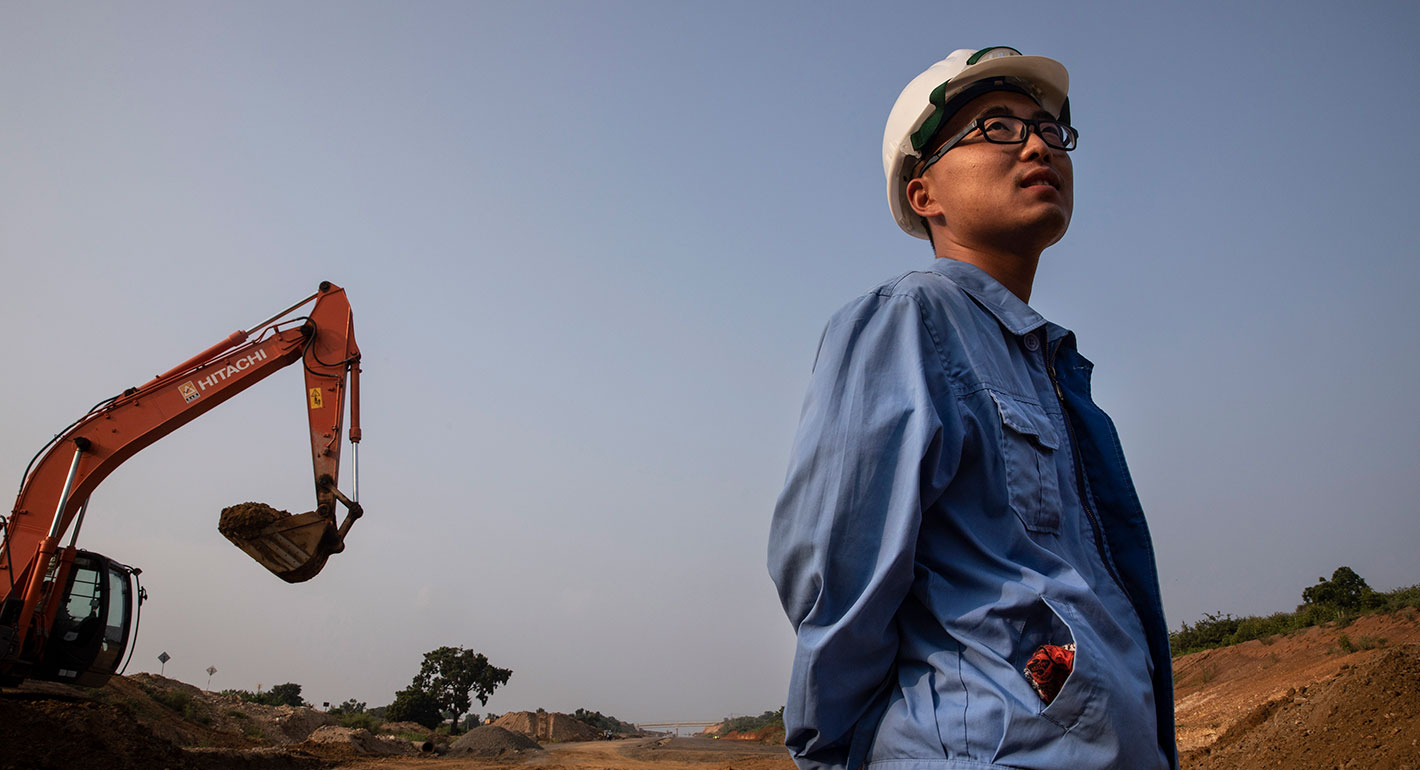
Pitched as a new Silk Road sweeping from Asia to Europe, China’s enormous Belt and Road Initiative is an ambitious, multinational infrastructure project. Experts from four Carnegie global centers explain other countries’ perspectives.


Paul Haenle, Dmitri Trenin, Alexander Gabuev, …

As countries debate an emerging security architecture in the Indo-Pacific, a key area is missing from the discussion: the role of islands. Much as they did in the past, islands will come to play a critical role in shaping the new order in the Indian Ocean region.

Darshana M. Baruah

Ending India’s amnesia about the two World Wars must now be followed by a more purposeful engagement with Europe in reordering the security architecture of Eurasia and the Indo-Pacific.
C. Raja Mohan