

Q&A
Paul Haenle, Philippe Le Corre
{
  "authors": [
    "Philippe Le Corre"
  ],
  "type": "other",
  "centerAffiliationAll": "dc",
  "centers": [
    "Carnegie Endowment for International Peace"
  ],
  "collections": [],
  "englishNewsletterAll": "asia",
  "nonEnglishNewsletterAll": "",
  "primaryCenter": "Carnegie Endowment for International Peace",
  "programAffiliation": "AP",
  "programs": [
    "Asia"
  ],
  "projects": [],
  "regions": [
    "East Asia",
    "China",
    "Western Europe"
  ],
  "topics": [
    "Economy",
    "Foreign Policy"
  ]
}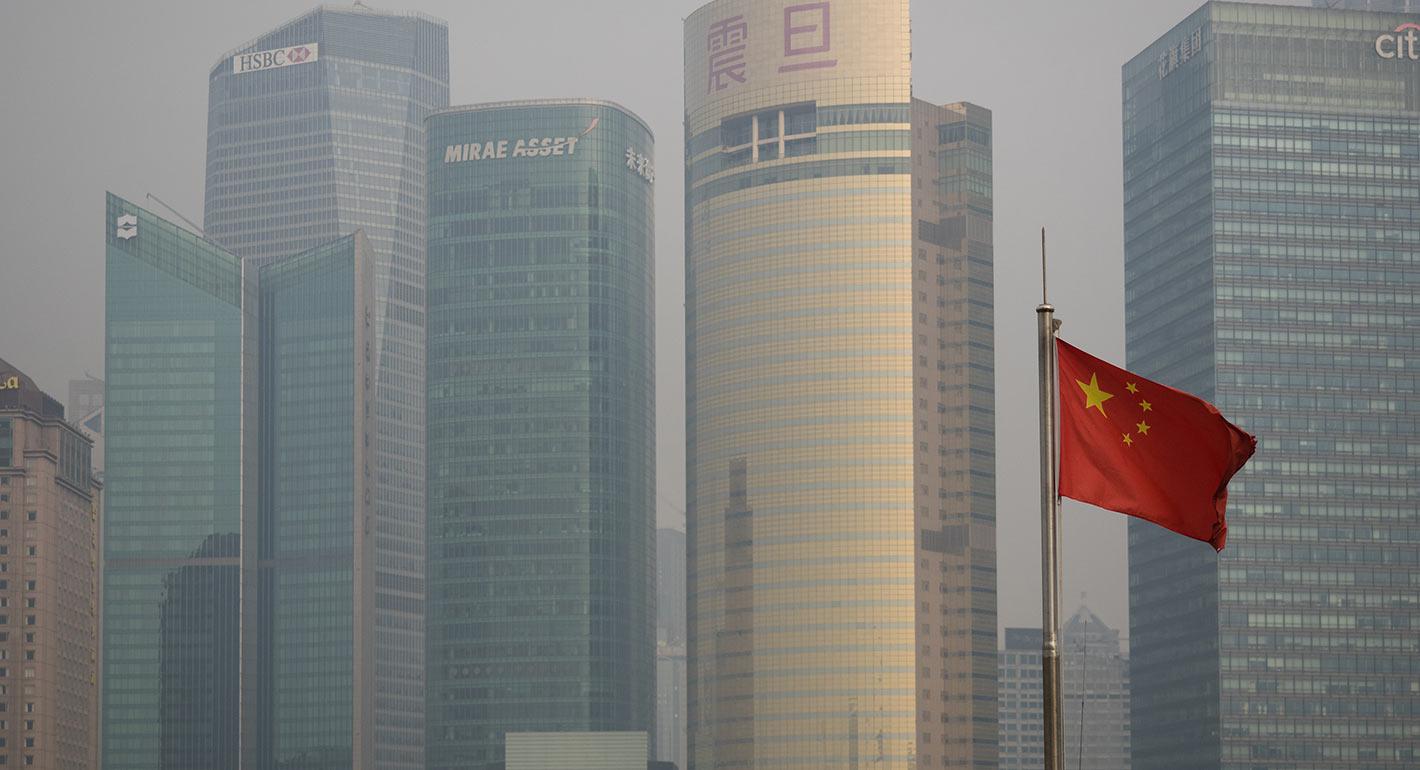
Source: Getty
Both the overland Silk Road Economic Belt and the Maritime Silk road have fundamentally been aimed at linking China with the European continent and its 500-million consumer market.
Source: Routledge
China released key details of its Belt and Road Initiative (originally termed “One Belt, One Road”), during President Xi Jinping’s visits to Kazakhstan and Indonesia in the Fall of 2013. Initially billed as a network of regional infrastructure projects, encompassing road and rail routes, as well as oil and gas pipelines and facilities (the “Belt”), the scope of the BRI has continued to expand over the past few years. The “Road” component of China’s plan, the twenty-first-century Maritime Silk Road, envisaged a network of new port facilities and other coastal infrastructure extending from China through South and Southeast Asia all the way to Africa and the Mediterranean. The initiative featured prominently in China’s 13th Five-Year Plan, guiding national investment strategy from 2015 to 2020, and enhancing the coordination of all China’s policies across the Asian continent, including financial integration, trade liberalization, people-to-people connectivity, and a “digital silk road.” Although the geographical coverage of the BRI has repeatedly expanded, there is one long-lasting trend. Both the overland Silk Road Economic Belt and the Maritime Silk road have fundamentally been linking China with the European continent and its 500-million consumer market.
Former Nonresident Senior Fellow, Europe Program
Philippe Le Corre was a nonresident senior fellow in the Europe Program at the Carnegie Endowment for International Peace.
Recent Work

Paul Haenle, Philippe Le Corre


Erik Brattberg, Philippe Le Corre, Paul Stronski, …
Carnegie India does not take institutional positions on public policy issues; the views represented herein are those of the author(s) and do not necessarily reflect the views of Carnegie, its staff, or its trustees.

This piece examines India’s response to U.S. sanctions and tariffs, specifically assessing the immediate market consequences, such as alterations in import costs, and the broader strategic implications for India’s energy security and foreign policy orientation.
Vrinda Sahai

This paper examines the evolution of India-China economic ties from 2005 to 2025. It explores the impact of global events, bilateral political ties, and domestic policies on distinct spheres of the economic relationship.

Santosh Pai
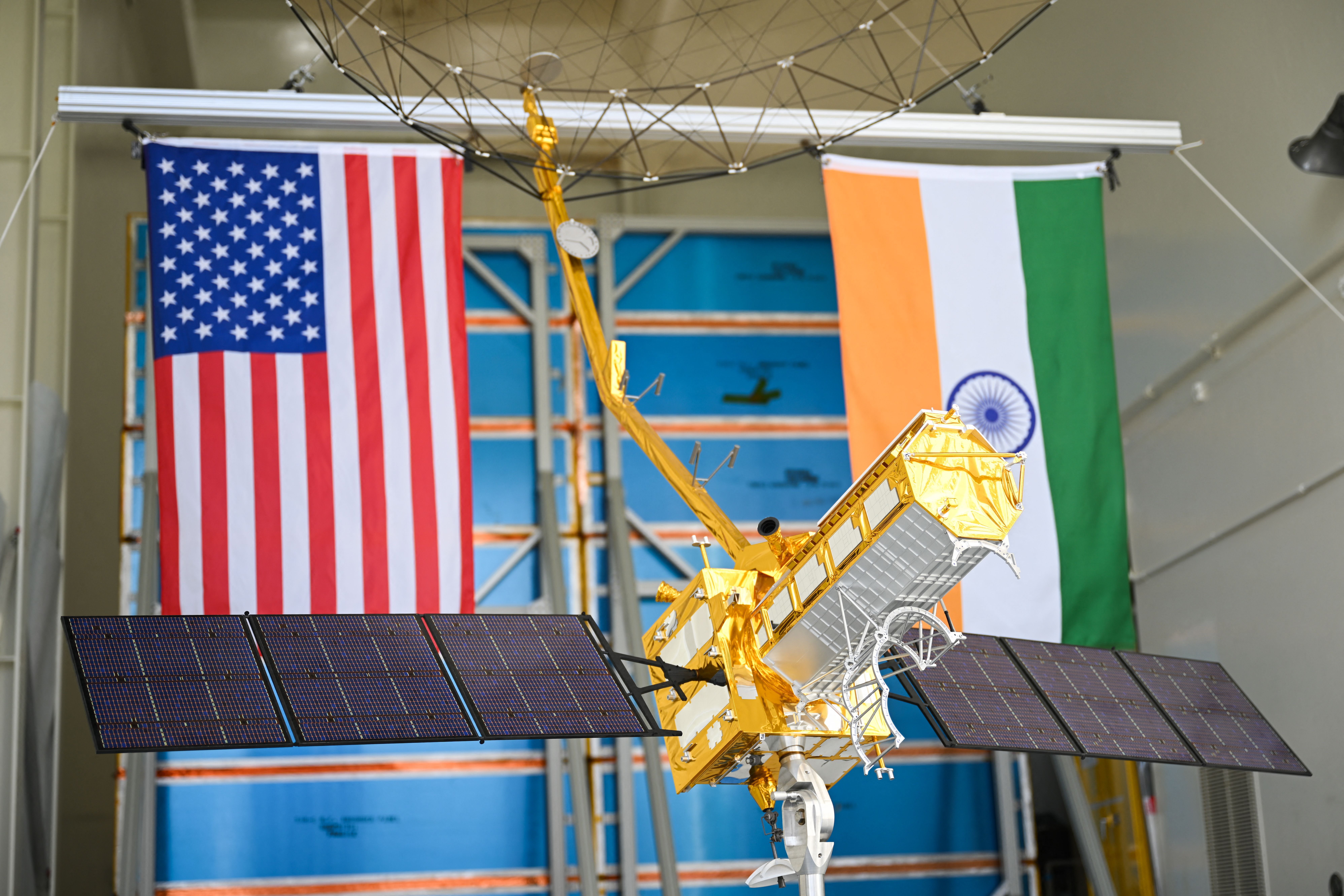
On July 30, 2025, the United States announced 25 percent tariffs on Indian goods. While diplomatic tensions simmered on the trade front, a cosmic calm prevailed at the Sriharikota launch range. Officials from NASA and ISRO were preparing to launch an engineering marvel into space—the NASA-ISRO Synthetic Aperture Radar (NISAR), marking a significant milestone in the India-U.S. bilateral partnership.

Tejas Bharadwaj
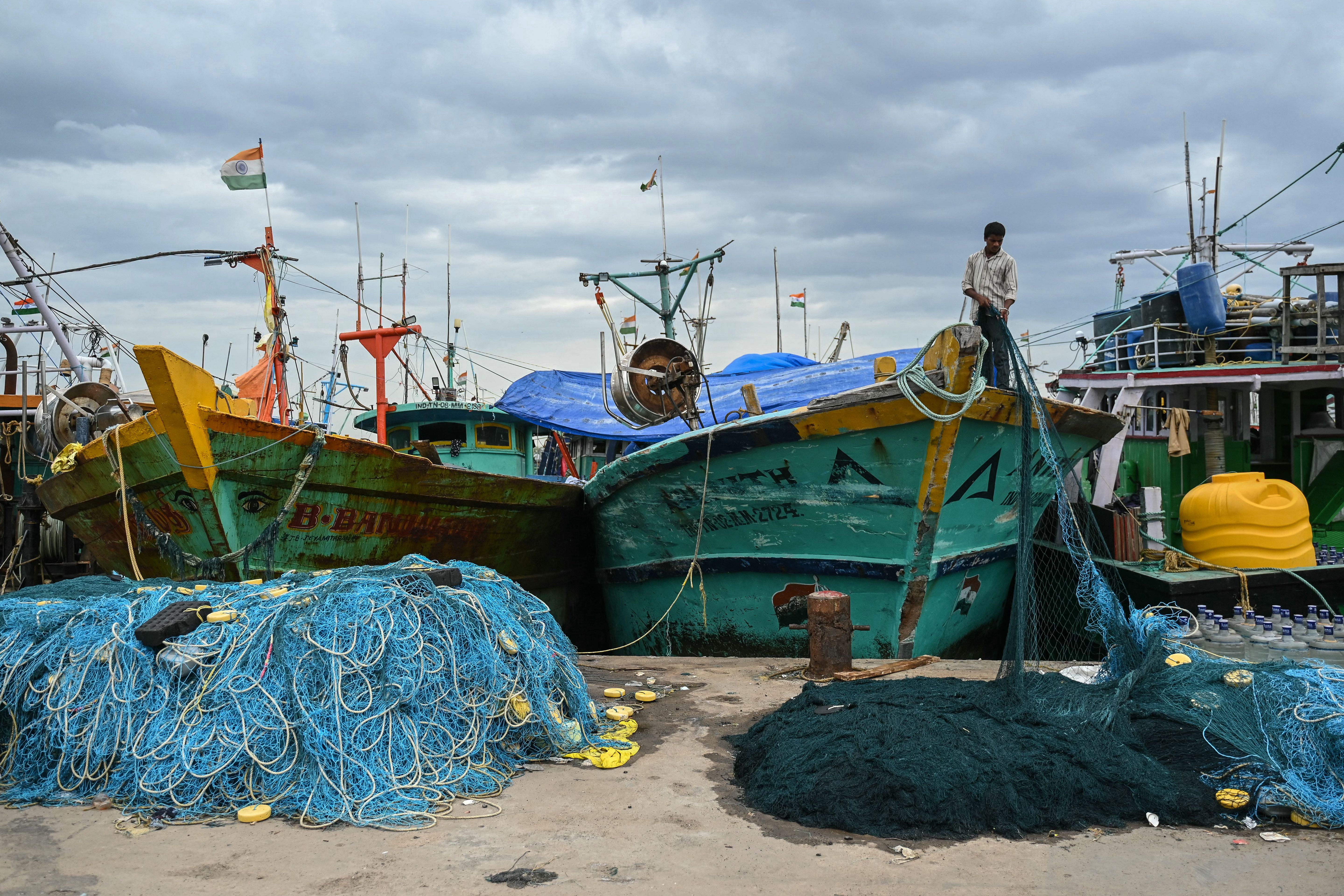
This article examines the scale and impact of Chinese IUU fishing operations globally and identifies the nature of the challenge posed by IUU fishing in the Indian Ocean Region (IOR). It also investigates why existing maritime law and international frameworks have struggled to address this growing threat.


Ajay Kumar, Charukeshi Bhatt
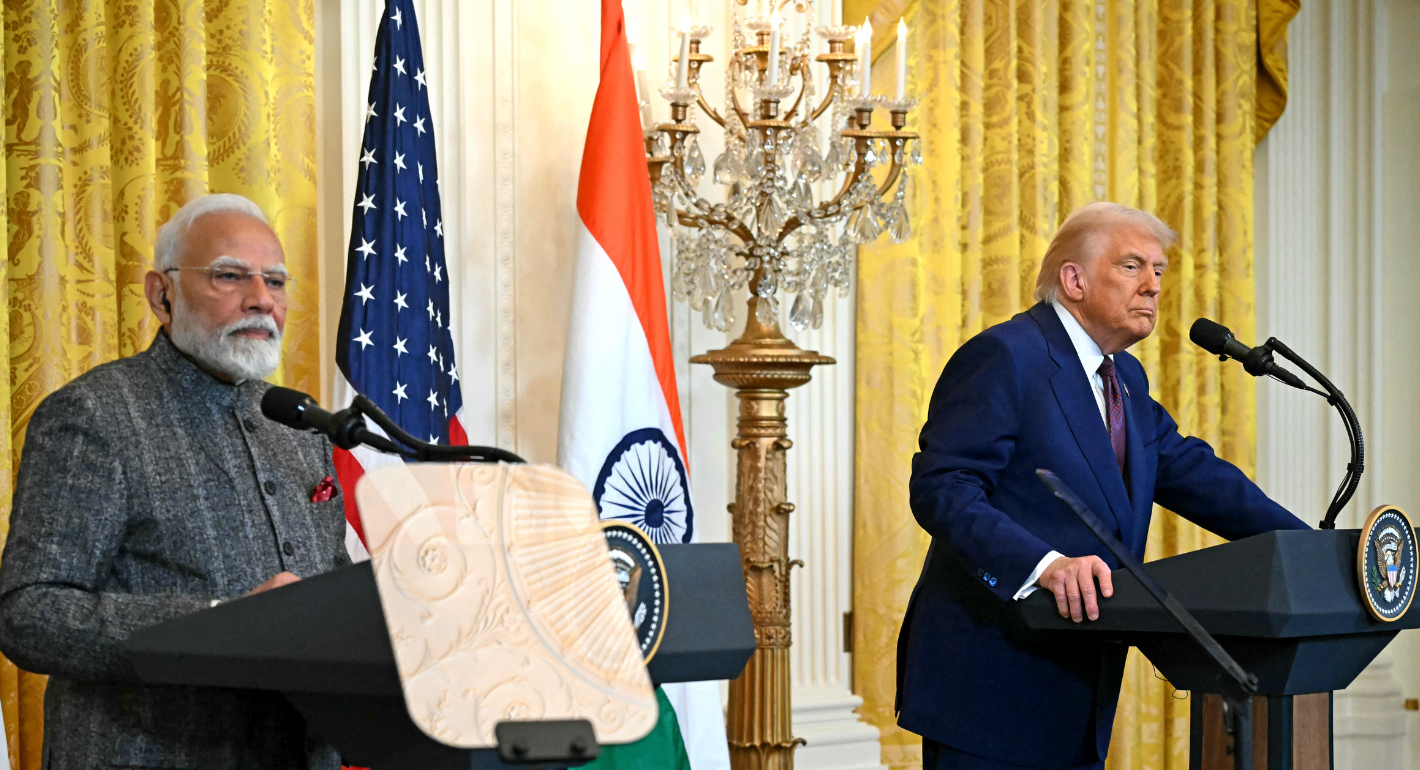
The India-U.S. relationship currently appears buffeted between three “Ts”—TRUST, Tariffs, and Trump.
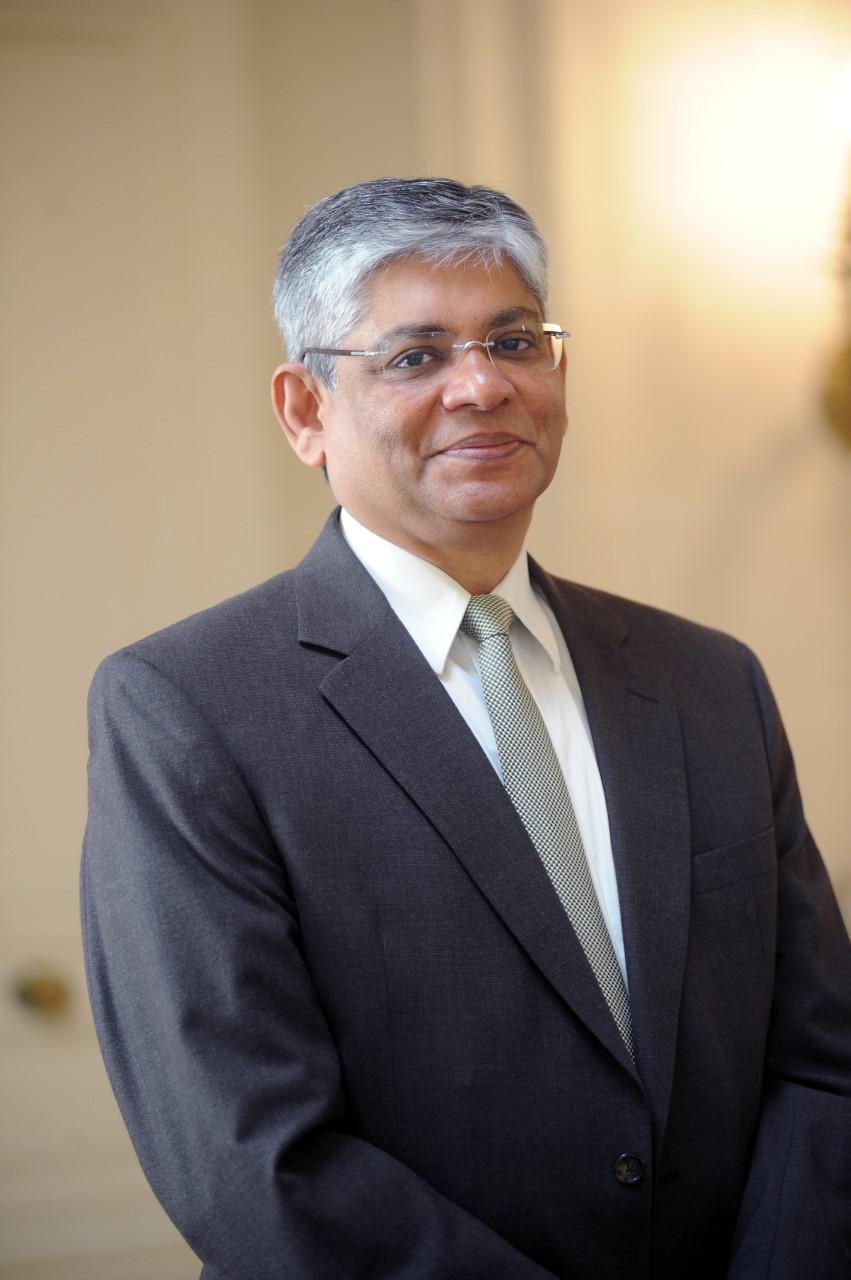
Arun K. Singh