

Article
Philip Remler
{
  "authors": [
    "Philip Remler"
  ],
  "type": "legacyinthemedia",
  "centerAffiliationAll": "dc",
  "centers": [
    "Carnegie Endowment for International Peace"
  ],
  "collections": [],
  "englishNewsletterAll": "ctw",
  "nonEnglishNewsletterAll": "",
  "primaryCenter": "Carnegie Endowment for International Peace",
  "programAffiliation": "russia",
  "programs": [
    "Russia and Eurasia"
  ],
  "projects": [],
  "regions": [
    "Eastern Europe"
  ],
  "topics": []
}
REQUIRED IMAGE
Over the past decade, the Organization for Security and Co-operation in Europe has been returning to its origins as a Cold War–era conference—a forum where states and blocs can air their frictions and hostilities. If the OSCE’s participating States want it to remain an organization, not a conference, they must take action to secure its executive autonomy.
Nonresident Scholar, Russia and Eurasia Program
Philip Remler is a nonresident scholar at the Carnegie Endowment for International Peace.
Recent Work
Philip Remler
Philip Remler
Carnegie India does not take institutional positions on public policy issues; the views represented herein are those of the author(s) and do not necessarily reflect the views of Carnegie, its staff, or its trustees.
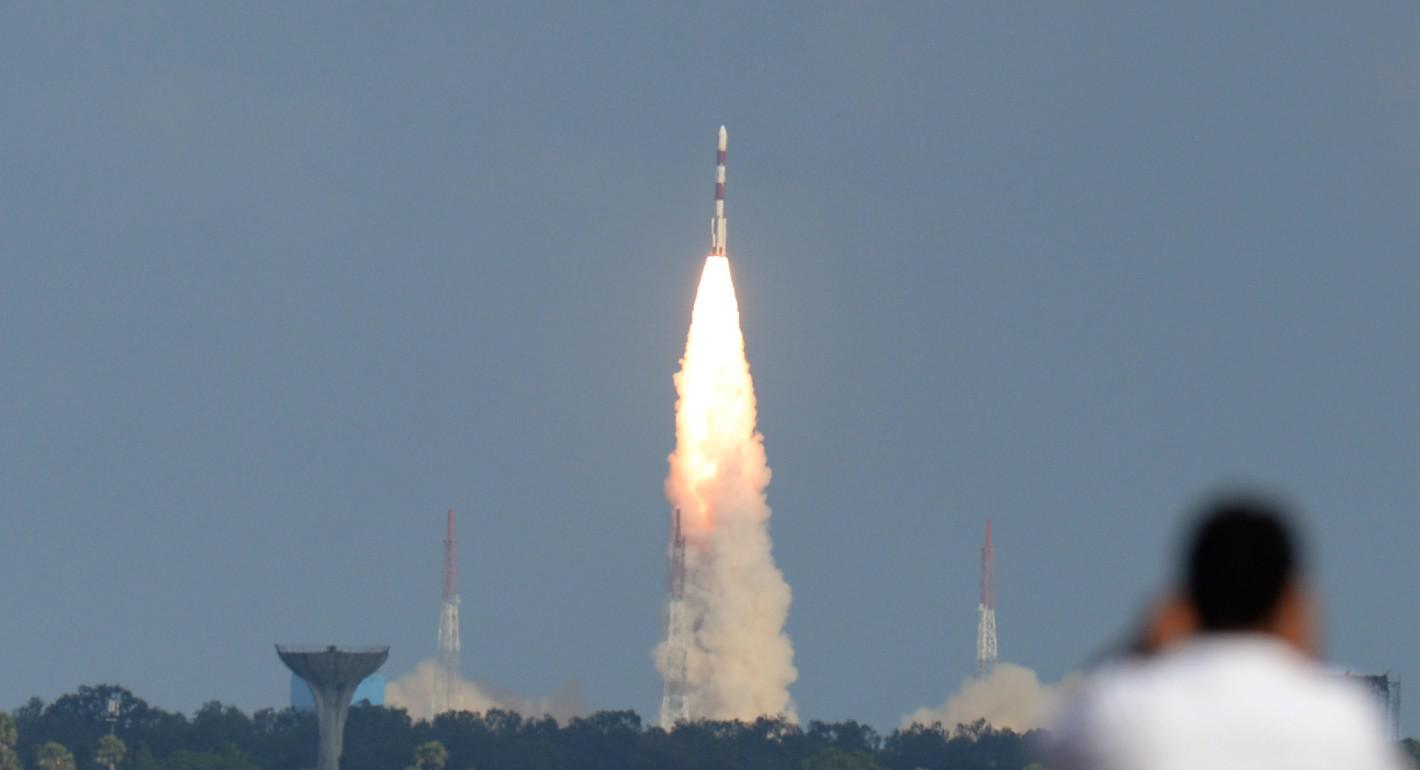
The war in Ukraine has demonstrated that India needs to establish a strong domestic space economy in order to weather geopolitical storms.

Konark Bhandari
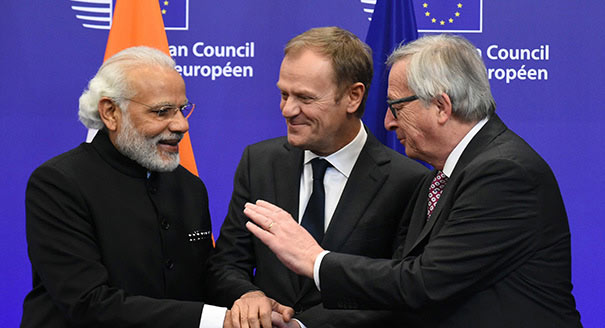
To counter the rise of isolationist, unilateral, and authoritarian forces, India and the Europe must strengthen their relationship beyond mere economic and transactional arrangements.
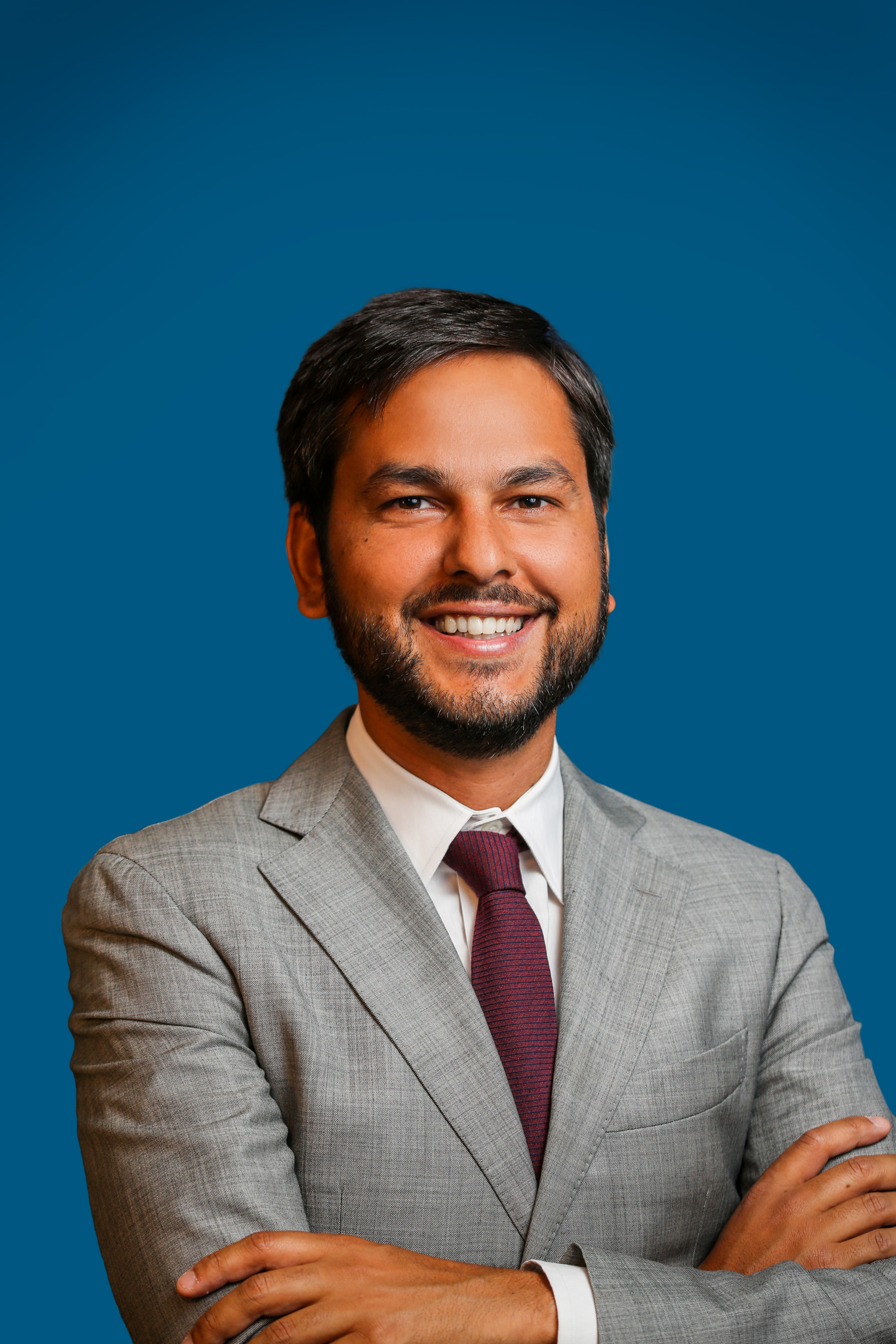
Constantino Xavier
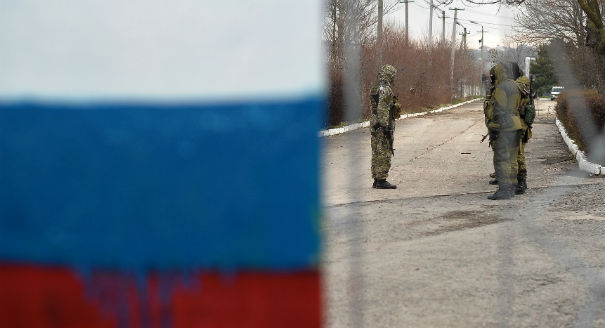
As the crisis in Crimea deepens, the formal arguments between Russia and the West are about two perennial themes in international politics—sovereignty and intervention.
C. Raja Mohan