

Article
With the Quad’s recent statement on a partnership related to outer space, India has an opportunity to bolster its private space sector. But it will need to articulate a national space policy first.
Konark Bhandari

Multilateralism possesses core, non-instrumental values—namely, a spirit of collectivity, inclusivity over exclusivity, and negotiated governance—that distinguish it from other forms of international cooperation.

Nonresident Scholar, Global Order and Institutions Program
Federica D’Alessandra is a nonresident scholar with the Global Order and Institutions Program at the Carnegie Endowment for International Peace.
Ross Gildea
Carnegie India does not take institutional positions on public policy issues; the views represented herein are those of the author(s) and do not necessarily reflect the views of Carnegie, its staff, or its trustees.

With the Quad’s recent statement on a partnership related to outer space, India has an opportunity to bolster its private space sector. But it will need to articulate a national space policy first.

Konark Bhandari

Experts weigh in on whether the United States is too hostile toward China.


Stephen Wertheim, Evan S. Medeiros, Vijay Gokhale
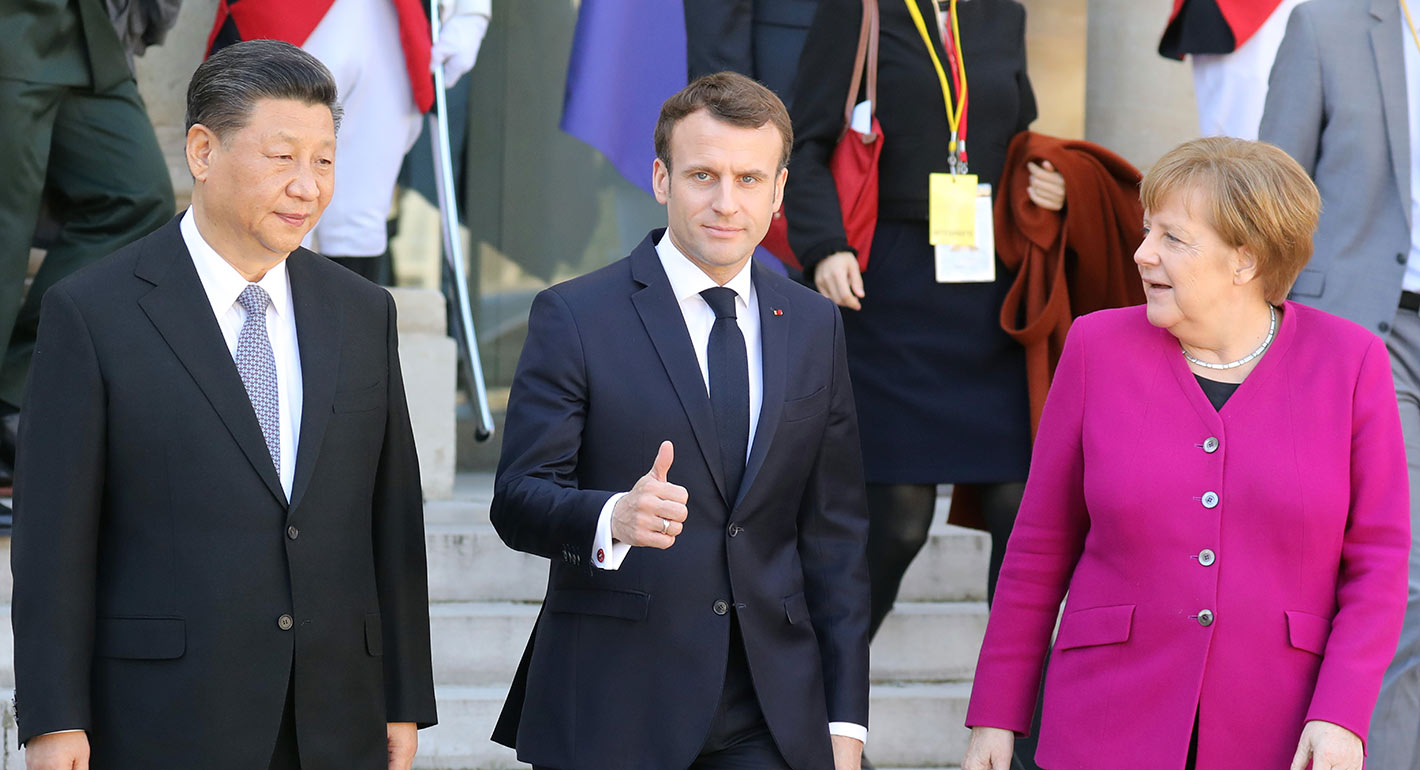
Europe’s huge stakes in the economic stability of Asia, the sea lines of communication connecting Europe and Asia through the Indo-Pacific, and threat of U.S. retrenchment may force Europe to reconsider its role in Asia. Asia needs a robust European contribution to connectivity and security.
C. Raja Mohan, John J. Vater
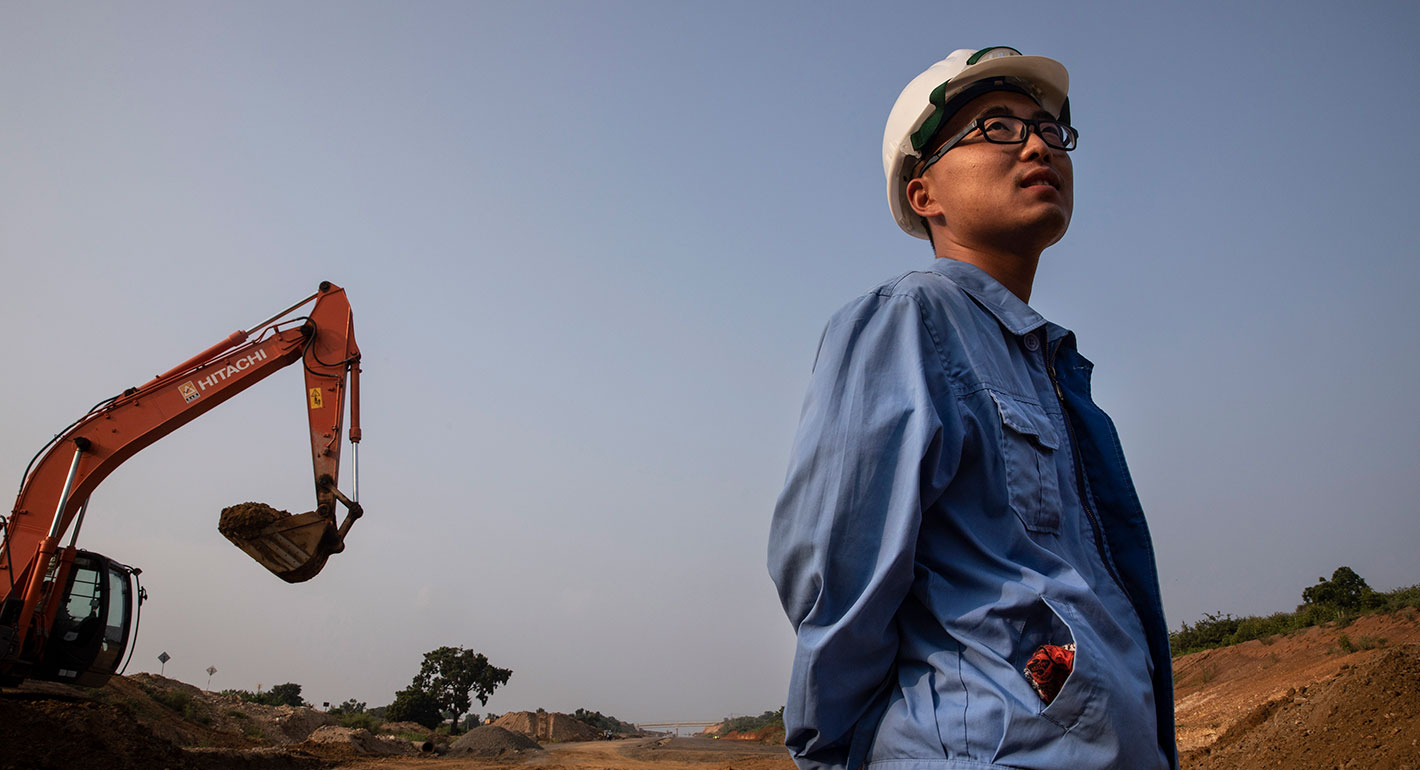
Pitched as a new Silk Road sweeping from Asia to Europe, China’s enormous Belt and Road Initiative is an ambitious, multinational infrastructure project. Experts from four Carnegie global centers explain other countries’ perspectives.


Paul Haenle, Dmitri Trenin, Alexander Gabuev, …
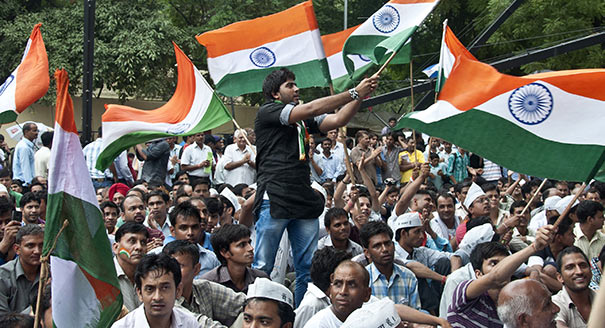
Former Indian Prime Minister Vajpayee’s “relaxed realism” on external issues stands in marked contrast to the liberals on the left and the nationalists on the right, who framed India’s international policies in extreme terms.
C. Raja Mohan