

تعليق
قد تكون المملكة على مسار الانتقال من التركيز على إدارة الصراع نحو العمل على حلّه، مُستفيدةً من أدوات الضغط الأوروبية.
مروان المعشّر
{
  "authors": [
    "غيدا طيارة"
  ],
  "type": "commentary",
  "blog": "ديوان",
  "centerAffiliationAll": "",
  "centers": [
    "Carnegie Endowment for International Peace",
    "مركز مالكوم كير– كارنيغي للشرق الأوسط"
  ],
  "collections": [
    "٣ أسئلة"
  ],
  "englishNewsletterAll": "",
  "nonEnglishNewsletterAll": "",
  "primaryCenter": "مركز مالكوم كير– كارنيغي للشرق الأوسط",
  "programAffiliation": "",
  "programs": [],
  "projects": [],
  "regions": [
    "لبنان",
    "إسرائيل"
  ],
  "topics": []
}
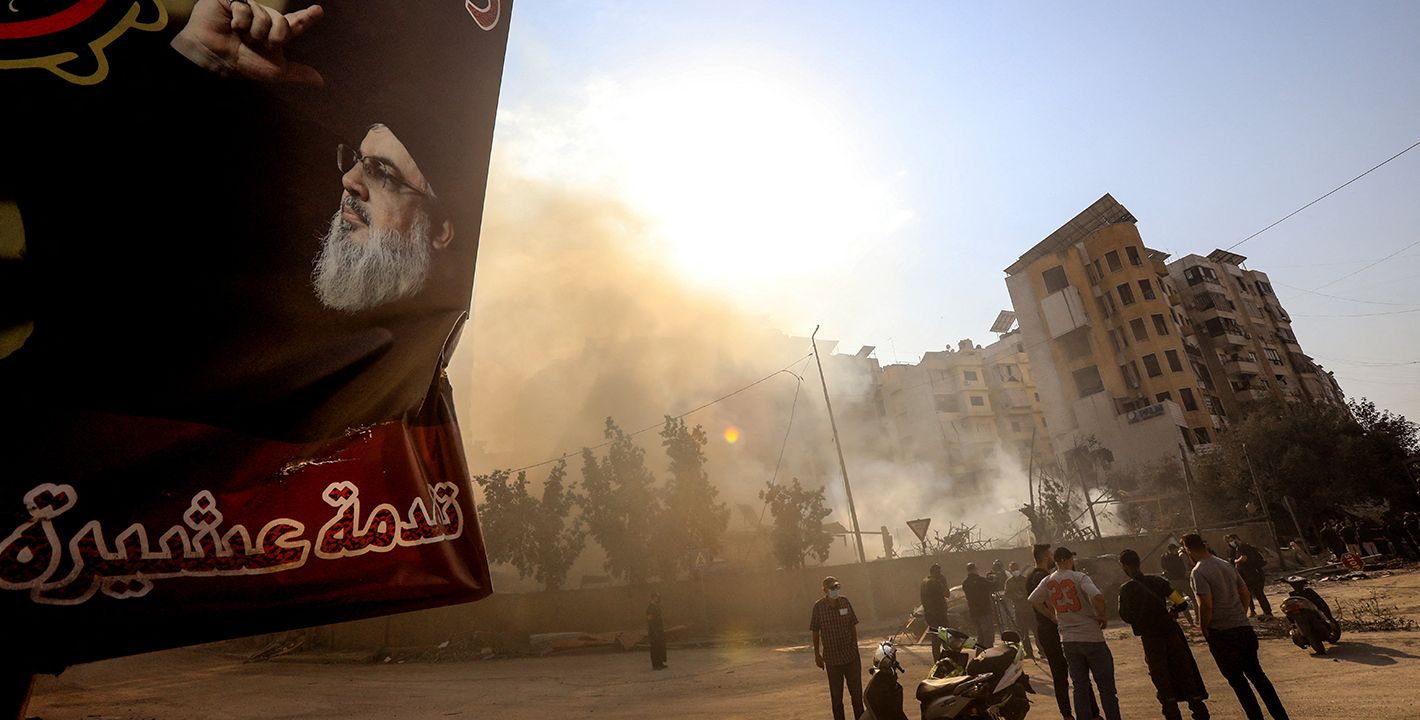
المصدر: Getty
يناقش مهنّد الحاج علي، في مقابلة معه، التداعيات المدمّرة للهجمات الإسرائيلية المتواصلة على لبنان.
Invalid video URL
مهنّد الحاج علي هو نائب مديرة المركز لشؤون الأبحاث في مركز مالكوم كير–كارنيغي للشرق الأوسط في بيروت، يركّز عمله على السياسات الجغرافية المتغيّرة والجماعات الإسلامية عقب الانتفاضات العربية. يُشار إلى أنه من جنوب لبنان، وحائزٌ على شهادة دكتوراه تمحورت أطروحتها حول حزب الله، قبل أن تُنشَر على شكل كتابٍ بعنوان Nationalism, Transnationalism, and Political Islam: Hizbullah's Institutional Identity (القومية والرابطة العابرة للقومية والإسلام السياسي: هوية حزب الله المؤسسية)، صادر في العام 2018 عن منشورات بالغريف ماكميلان. أجرت "ديوان" مقابلة معه في أواخر تشرين الأول/أكتوبر للاطّلاع على قراءته للحرب الدائرة في لبنان، وسط الدمار الذي تُلحقه إسرائيل بأجزاء واسعة من البلاد، ولا سيما بالمناطق ذات الثقل الشيعي.
غيدا طيارة
منسّقة أولى للأنشطة الرقمية والموقع الإلكتروني
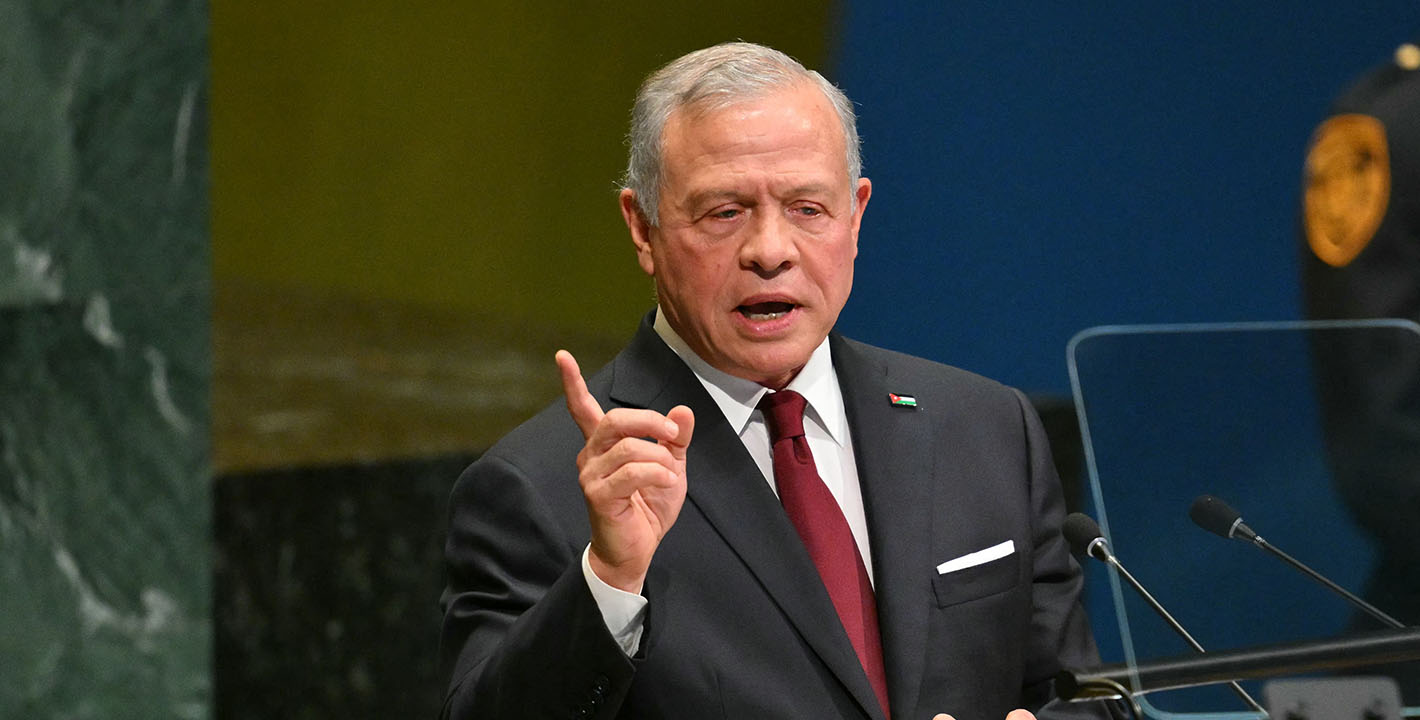
قد تكون المملكة على مسار الانتقال من التركيز على إدارة الصراع نحو العمل على حلّه، مُستفيدةً من أدوات الضغط الأوروبية.

مروان المعشّر

يناقش إيان لاستيك وإلاي كليفتون، في مقابلة معهما، كتابهما الجديد حول أسباب تمتُّع حليفٍ بارز بهذا القدر من النفوذ في الولايات المتحدة.

مايكل يونغ
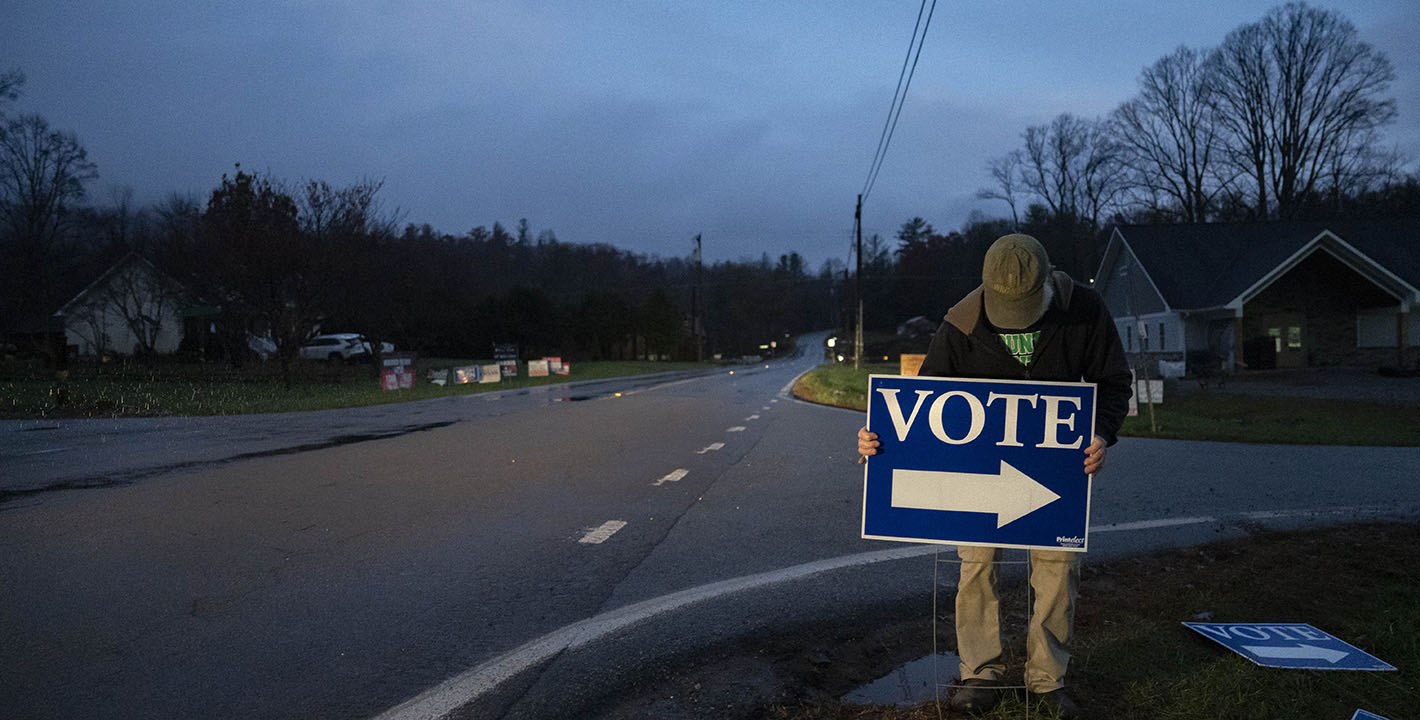
تتقاطع استحقاقات مفصلية في أُفق المنطقة والعالم تخصّ إسرائيل وفلسطين والولايات المتحدة.
مروان المعشّر

من غير المرجّح أن تُحدث الانتخابات الإسرائيلية المقبلة تغييرًا يُذكر في نظرة الدولة العبرية إلى أمنها.

ناثان ج. براون
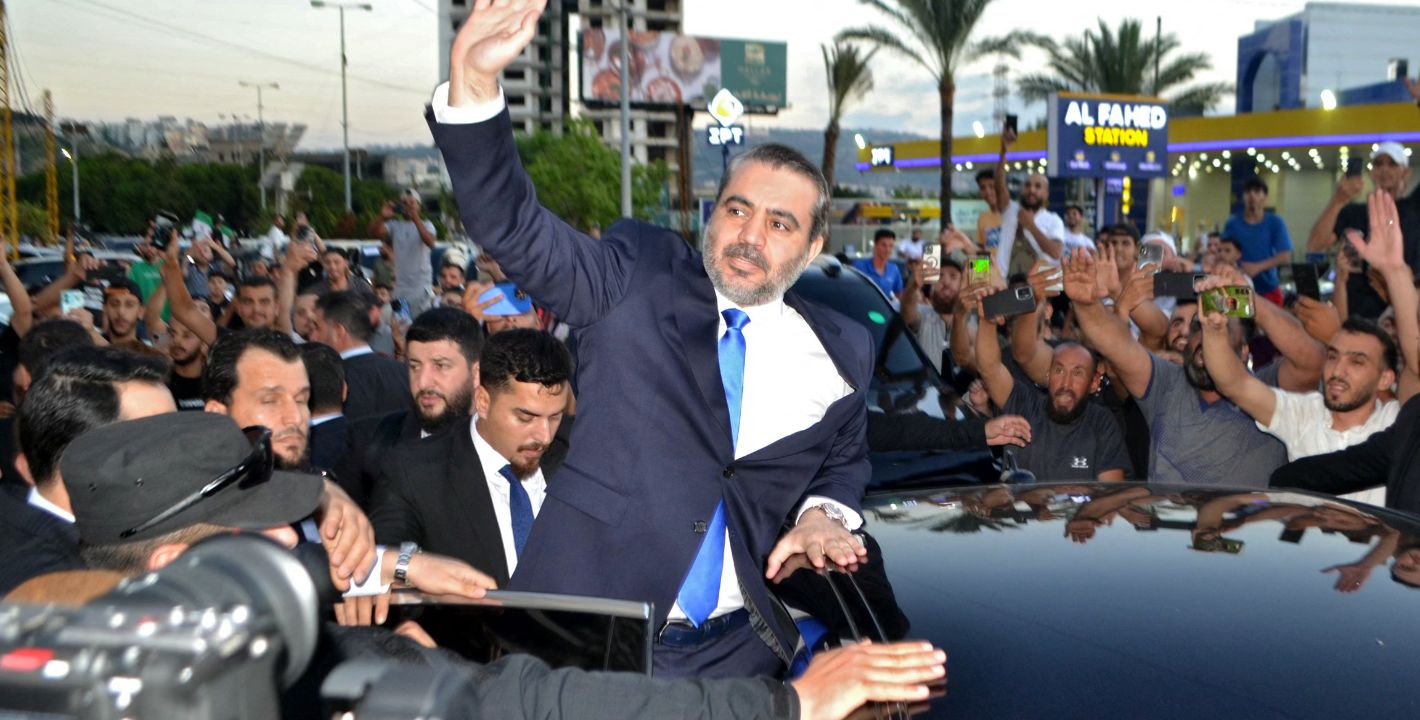
يحلّل صهيب جوهر، في مقابلةٍ معه، التحوّلات العميقة التي طرأت على الروابط بين البلدَين الجارَين.
مايكل يونغ