

Комментарий
Максим Старчак
{
  "authors": [
    "Максим Старчак"
  ],
  "type": "commentary",
  "blog": "Carnegie Politika",
  "centerAffiliationAll": "",
  "centers": [
    "Carnegie Endowment for International Peace",
    "Берлинский центр Карнеги"
  ],
  "englishNewsletterAll": "",
  "nonEnglishNewsletterAll": "",
  "primaryCenter": "Берлинский центр Карнеги",
  "programAffiliation": "",
  "programs": [],
  "projects": [],
  "regions": [
    "Россия"
  ],
  "topics": [
    "Контроль над вооружениями",
    "Ядерная политика",
    "Безопасность"
  ]
}
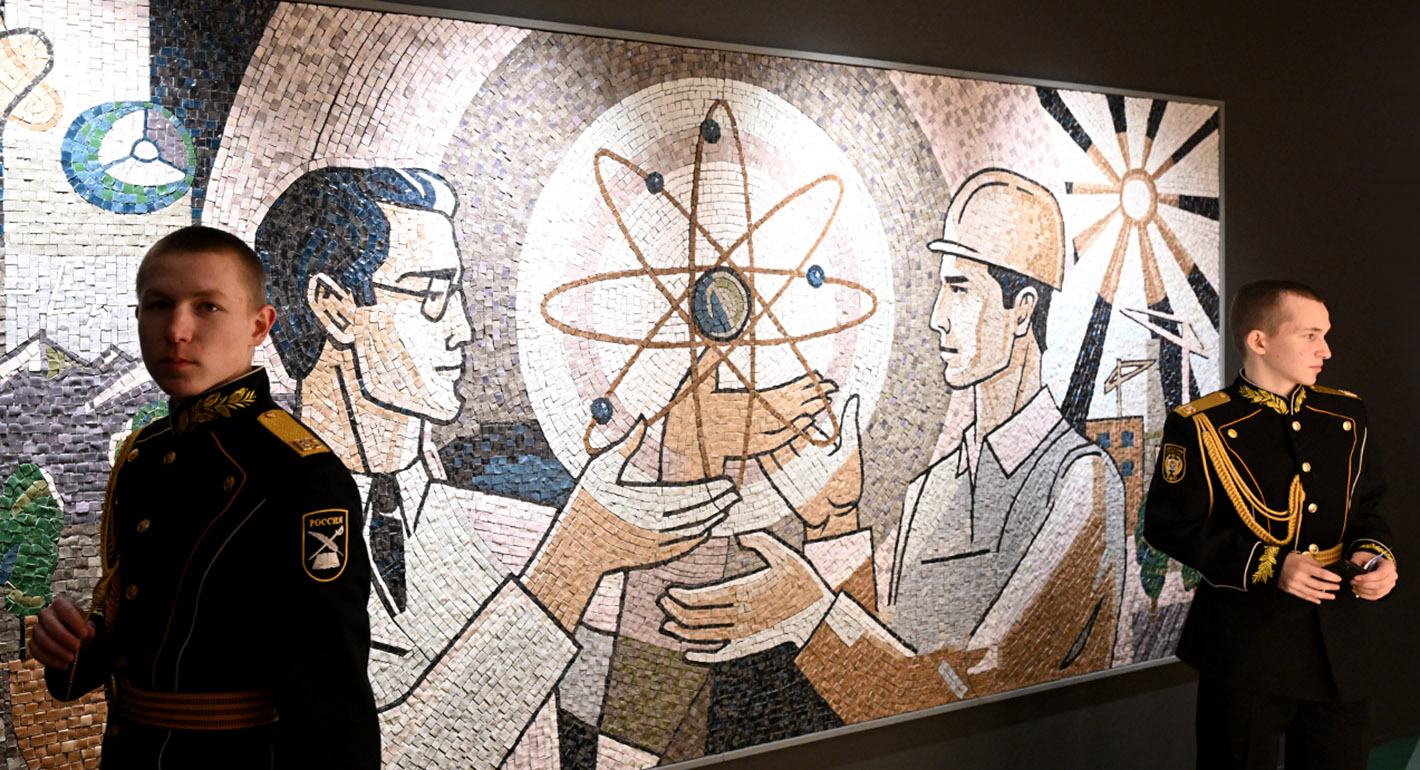
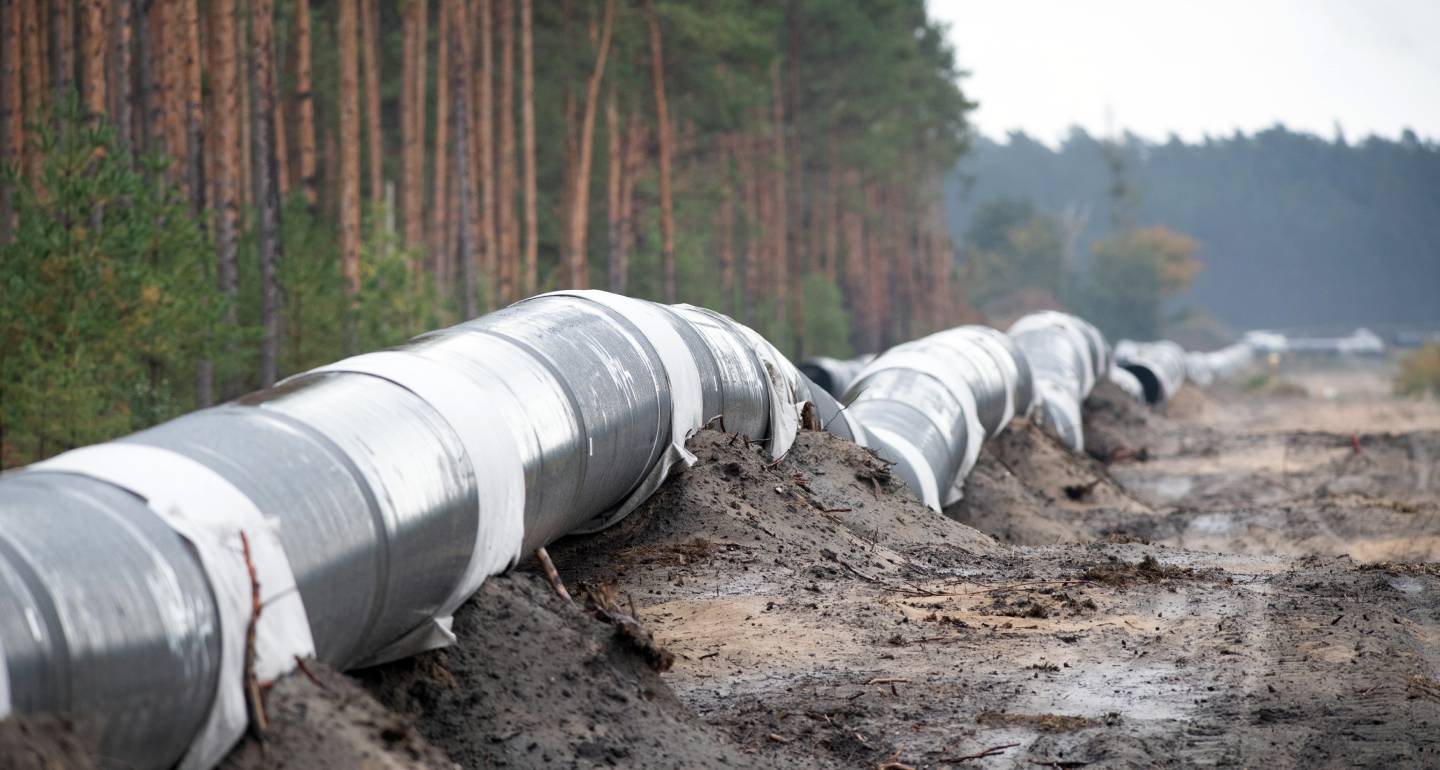
Фото: Natalia Kolesnikova / AFP via Getty Images
Вовлечение Запада в войну России с Украиной в Москве считают результатом неработающего ядерного сдерживания. А Карибский кризис 1962 года воспринимают как успешный пример решения военно-политических задач с помощью нагнетания страха перед ядерной войной
Многие десятилетия основным фактором международной безопасности был диалог СССР — а позднее России — и США по контролю над ядерными вооружениями. Однако в последние годы от него не осталось и следа, а спираль ядерного шантажа раскручивается по нарастающей.
В России открыто стали призывать к ядерным ударам по Европе и «демонстрационному ядерному взрыву». А в мае Путин поручил в ходе масштабных учений отработать «применение нестратегического ядерного оружия» — в качестве ответа Западу на «прямое содействие террористическим акциям против России». При этом среди официальных лиц звучат даже угрозы использовать против Запада стратегическое ядерное оружие.
Москва упорно отказывается от предложений Вашингтона возобновить без предварительных условий замороженный диалог по стратегической стабильности и контролю над вооружениями. Тем самым российское руководство дает понять, что не считает этот вопрос важным для себя и готово нарушать все новые табу в этой области до тех пор, пока США не пойдут навстречу другим российским требованиям.
Россия стала использовать в своих внешнеполитических целях ценность контроля над вооружениями для США, а ядерное оружие превратилось в механизм шантажа. Об этом свидетельствует и демонстративный анонс учений по отработке навыков применения нестратегического ядерного оружия (само по себе их проведение — не сенсация, но такой прямолинейной привязки к текущему политическому моменту ранее не было), и постоянные заявления о том, что Москва не оставит без ответа расширение западной помощи Киеву.
Ядерные угрозы превратились для российского руководства в рутину. Они неизменно следуют в ответ на поставки Киеву новых видов вооружений, на разрешение использовать западное оружие для ударов по приграничной территории РФ, на атаки украинских беспилотников по радиолокационным станциям российской системы предупреждения о ракетном нападении. Москва не обращает внимания на оговорки, которые делает Вашингтон в своей поддержке Киева, и всячески показывает, что не нацелена на сохранение системы контроля над вооружениями.
В принципе, Россия уже не первый год пытается оказывать на Запад политико-психологическое давление с помощью ядерного оружия. Еще в 2018 году Путин рассказал миру про разработку не подпадающих под ДСНВ-3 вооружений, таких как крылатая ракета глобальной дальности «Буревестник» и беспилотная ядерная торпеда «Посейдон». Тем самым он попытался привнести значительную неопределенность в существующую систему стратегической стабильности. Вместе с заявлениями о модернизации ядерной триады это должно было показать стратегическое преимущество России, впечатлить американский истеблишмент и сделать его более сговорчивым по важным для Кремля вопросам.
Контроль над вооружениями среди этих важных вопросов не значится. Называя американские предложения по возобновлению переговоров о стратегической стабильности «демагогией», Путин ждет от Запада выполнения требований, прописанных в российском ультиматуме США и НАТО в декабре 2021 года, среди которых было возвращение сил Альянса на позиции 1997 года и вывод американского ядерного оружия из других стран. «Нам нужны гарантии. И гарантии должны быть прописаны, должны быть такими, которые нас бы устроили, в которые мы поверим», — делился российский лидер своими ожиданиями от Вашингтона.
После февраля 2022 года ядерное оружие оказалось для Минобороны РФ единственным фактором, препятствующим войне с НАТО, а для МИДа — инструментом внешней политики. Соответственно, соглашаться на переговоры по контролю над ядерным оружием для Москвы сейчас равносильно проигрышу.
В России многие уверены, что прежняя система, включавшая в себя договоренности по контролю над вооружениями, разрядку и Хельсинкский процесс (то есть пакет одобренных в 1975 году межгосударственных договоренностей, в том числе и с целью укрепления доверия в военной области), создавалась на условиях Запада. Но сейчас, как считают в Москве, времена поменялись. При этом вовлечение Запада в войну с Украиной видится России результатом неработающего ядерного сдерживания. А Карибский кризис 1962 года воспринимается как успешный пример решения военно-политических задач с помощью нагнетания страха перед ядерной войной.
Следуя этой логике, в ответ на активную американскую поддержку Киева Москва не только стала угрожать ядерным оружием, но и предприняла ряд конкретных шагов: разместила такое вооружение в Беларуси, отозвала ратификацию Договора о всеобъемлющем запрещении ядерных испытаний (ДВЗЯИ) и приостановила действие Договора о сокращении стратегических наступательных вооружений (ДСНВ-3). Все это призвано внушить США страх, который стал бы стимулом для дележки мира или как минимум Европы на зоны влияния.
Нельзя сказать, что такой подход не приносит России совсем ничего. США сопровождают свою помощь Украине оговорками и ограничениями, выступают за диалог по проблеме СНВ, а также предлагают переговоры о неразмещении ядерного оружия в космосе (в Москве в ответ ожидаемо блокируют любые инициативы, которые могли бы снизить градус напряженности). Но в любом случае о выполнении российских требований речи не идет: США не снижают поддержку Украины и не формируют ответ в духе Карибского кризиса.
Это подталкивает Россию продолжать эскалацию. Звучат предложения внести изменения в доктринальные документы (в том числе прописать возможность первого ядерного удара) и все более жестко демонстрировать силу. Например, увеличить количество стратегических наступательных вооружений, создать национальную противоракетную оборону, пересмотреть обязательство первыми не размещать ракеты средней и меньшей дальности (РСМД) в Европе, увеличить ядерный потенциал в Калининграде и количество его тактических носителей. Наконец, произвести демонстративный ядерный взрыв.
С помощью ядерного шантажа Москва пытается вернуться во времена холодной войны, когда мир был четко поделен на зоны влияния. Та ситуация кажется ей хорошим примером стабильности. Но даже тогда ни о какой реальной стабильности речи не шло, а стороны все равно не доверяли друг другу, наращивали вооружения и пытались отстаивать свои интересы, напрямую или опосредованно борясь с противником.
Этого же стоит ожидать и в наше время. Попытки поделить Европу и закрыть украинский вопрос не создадут безопасный мир. Скорее российское руководство уверует в то, что ему не могут помешать, а значит, будет вести себя еще более агрессивно. Противодействие себе Москва будет считать нарушением договоренностей. Как следствие, использование военных и ядерных угроз продолжится.
Для России Украина — лишь одна из проблем с Западом. Москва не раз говорила об этом как до вторжения, так и после его начала. С завершением войны НАТО не исчезнет, так что не исчезнут, с точки зрения Кремля, и военные угрозы США.
Россия ждет, что Запад признает поражение в противостоянии с ней на украинском фронте. Это максималистские требования. В российском МИДе и Минобороны понимают, что в ближайшее время этого не произойдет. Но соглашаться на меньшее Москва не хочет, так как считает себя более сильной стороной и готова ждать.
В ходе этого ожидания мир ждет бесконтрольная демонстрация ядерной силы. Замглавы МИД РФ Сергей Рябков недавно заявил, что Москва отложит тему красных линий в сторону и в вопросах ядерных угроз будет отвечать Западу зеркально. Таким образом, вероятны конкретные действия России в этой сфере. Нас ждут годы противостояния с непредсказуемыми последствиями.
Этот период будет характеризоваться, во-первых, разработкой новейших вооружений — как реальных, так и макетных. Ядерные беспилотники, гиперзвуковые ракеты, лазеры и другие типы оружия будут постоянно мелькать в речах военных и политиков, а также появляться в сводках учений.
Второй ожидаемый эффект — перемещение ядерных вооружений поближе к противнику. Третий — все более частое появление в приграничных районах стратегических ракетоносцев и атомных подлодок. Четвертый — наращивание обычных вооружений и войск в Европе, когда на это появятся люди и средства — видимо, после окончания активной фазы войны в Украине. Пятый — увеличение количества и масштаба учений. Шестой — рост числа военных инцидентов. Седьмой — возвращение гонки ядерных вооружений. В конечном счете ядерные силы и система предупреждения о ракетном нападении в один не очень прекрасный момент могут оказаться в состоянии повышенной боевой готовности.
Частично перечисленное уже происходит. Российское ядерное оружие перемещается в Беларусь, а для подобного американского вооружения подыскивают новые европейские территории. МИД РФ готов отказаться от моратория на размещение в Европе ракет средней и меньшей дальности, так как США разместили наземные ракетные комплексы Typhon на Филиппинах. Эксперты в России и США выискивают плюсы в перспективе наращивания стратегических наступательных вооружений.
Россия надеется на то, что ее требования будут учтены хотя бы после смены поколений западного политического истеблишмента. Этого же, но уже в отношении России, могут ждать и США. Там помнят, как возвращение к контролю над ядерными вооружениями и восстановление предсказуемости в Европе стало возможным после смены власти в Кремле и провозглашения нового политического мышления. Такие ожидания предопределяют, что бесконтрольный ядерный мир может продлиться еще долгие годы — как минимум до ухода Владимира Путина с поста президента.
Если вы хотите поделиться материалом с пользователем, находящимся на территории России, используйте эту ссылку — она откроется без VPN.
Эксперт по российской ядерной политике
Недавние работы
Максим Старчак
Максим Старчак
Карнеги не занимает институциональных позиций по вопросам государственной политики; изложенные здесь взгляды принадлежат автору(ам) и не обязательно отражают взгляды Карнеги, его сотрудников или попечителей.
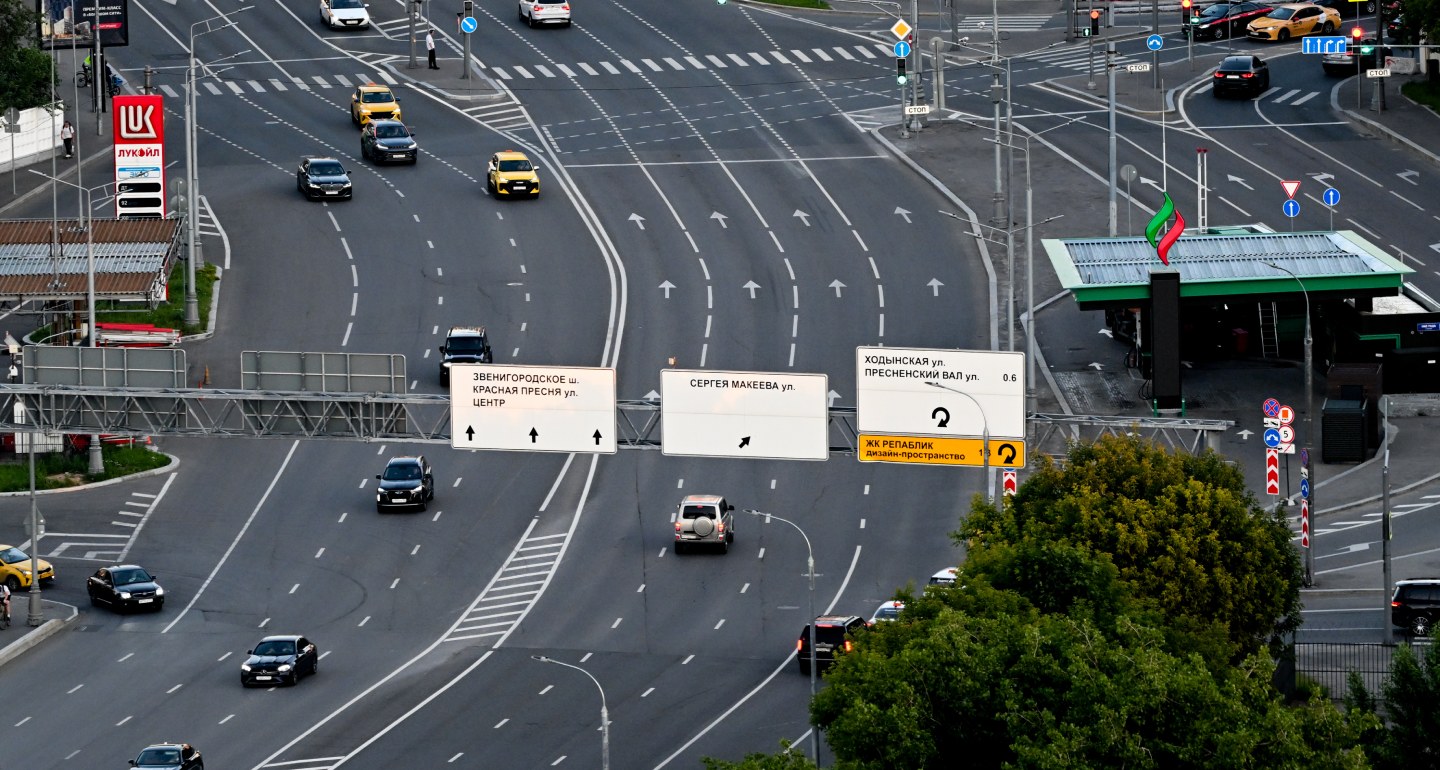
При значительном дефиците предложения бензина единственный механизм, приводящий рынок в равновесие, — это разрушение спроса и уменьшение автомобильного трафика. То есть масштабы снижения российской нефтепереработки можно оценить на основе того, насколько меньше россияне стали ездить на автомобилях.

Сергей Вакуленко

Путин пригодился бы партии власти как ее покровитель, который находится где-то далеко от выборов и не привлекает к агитации излишнего внимания. Но как активный фронтмен, навязывающий обществу свои взгляды, он оказался вреден и для «Единой России», и для правящей системы в целом.

Андрей Перцев

Эмигрантские раздоры и нападки на Горького встречались в высших московских кабинетах улыбками одобрения: все было на правильном пути, Буревестник в меру запачкан, окольцован и отлучен от враждебной кормушки.
Иван Толстой
В ретроспективе 1989 год оказывается не совсем тем поворотным пунктом, каким мы его считали.
Сергей Радченко
Рассказ, задуманный как подтверждение исторической силы и суверенитета России, превращается в историю ее хронической пассивности, слабости и уязвимости.

Алексей Уваров