

تعليق
هل يمكن للغاز أن يخفف التوتر بين مصر وإسرائيل، أم أن المصالح الاقتصادية تؤجل الصدام فقط؟ يقارن المقال بين صفقة الغاز المصرية-الإسرائيلية والتجربة الألمانية-الروسية ليكشف حدود قدرة التجارة والاعتماد المتبادل على احتواء الصراع.
نورهان حفظي
{
  "authors": [
    "خالد محمود"
  ],
  "type": "commentary",
  "blog": "صدى",
  "centerAffiliationAll": "",
  "centers": [
    "Carnegie Endowment for International Peace"
  ],
  "collections": [],
  "englishNewsletterAll": "",
  "nonEnglishNewsletterAll": "",
  "primaryCenter": "Carnegie Endowment for International Peace",
  "programAffiliation": "",
  "programs": [],
  "projects": [],
  "regions": [
    "شمال أفريقيا",
    "مصر"
  ],
  "topics": [
    "دعم الديمقراطية"
  ]
}
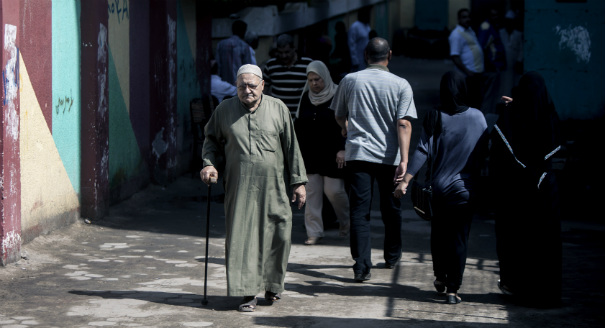
المصدر: Getty
إن استيلاء الدولة المصرية على أصول وممتلكات جماعة الإخوان المسلمين، يقوض سيادة القانون، وقد يزيد من الانتقادات التي توجهها المنظمات والمستثمرين الأجانب النظام.
في 11 من أيلول/سبتمبر الجاري، أصدرت لجنة التحفظ والحصر والإدارة والتصرف في أموال الجماعات الإرهابية والإرهابيين، قرارًا بالتحفظ على 1589 عنصرًا من العناصر المنتمية والداعمة لتنظيم الإخوان، وكذلك 118 شركة، و1133 جمعية أهلية و104 مدارس و69 مستشفى و33 موقعًا إلكترونيًا وقناة فضائية بزعم أنهم ينتمون للجماعة المحظورة، وتحويل هذه الممتلكات والأصول إلي الخزانة العامة للدولة. هذه الخطوة غير المسبوقة ضد الجماعة تشير إلى أن نظام الرئيس عبد الفتاح السيسي قرر في النهاية السيطرة على أموال وممتلكات جماعة الإخوان، والتي تقدر بـ300 مليار جنيه، 16.7 مليار دولار.
هذا القرار كان متُوقع إلى حد ما، خاصة أن النظام السياسي أقر قانون رقم 22 في نيسان/أبريل 2018، لتنظيم إجراءات التحفظ والحصر والإدارة والتصرف في أموال الجماعات الإرهابية والإرهابيين. هذا القانون مهد الطريق أمام مصادرة هذه اﻷموال ونقلها إلى الخزينة العامة للدولة، وليس التحفظ عليها وإدارتها كما كان يحدث. كما أن اللجنة التي تملك سلطة حصرية لتنفيذ الأحكام القضائية ضد أي شخص أو كيان إرهابي، جاء تعيين أعضاؤها بواسطة السلطة التنفيذية متمثلة في رئاسة الجمهورية، ما دفع بعض الأعضاء داخل مجلس النواب أثناء مناقشة القانون إلى الاعتراض والمطالبة بأن يكون تشكيلها من المجلس الأعلى للقضاء وليس من رئيس الجمهورية لضمان استقلالها، إلا أن الرئاسة صممت على تعيين أعضاءها.
وبناءا على قانون الكيانات الإرهابية الذي أصدره السيسي في شباط/فبراير 2015، والذي تتضمن أي مجموعات تهدف تقويض "النظام العام" في المفهوم الواسع للقانون، مّكن قانون نيسان/إبريل من تصنيف أي شخص يريدونه على إنه إرهابي، وبالتالي مصادرة ممتلكاته دون أي إجراءات قانونية.
وقد استُهدف العديد من الشخصيات القيادية في الإخوان المسلمين، الذين ما زالوا في السجون المصرية، بأمر الاستيلاء، من بينهم الرئيس الأسبق محمد مرسي، الذي ما زال يُحاكم حالياً في قضايا تتعلق بالتخابر مع حركة حماس الفلسطينية ومنظمات أجنبية، المرشد العام، محمد بديع، ونائب المرشد العام خيرت الشاطر، وقيادات إخوانية أخرى، من بينها محمد البلتاجي ومحمد سعد الكتاتني، وأيضا يوسف القرضاوي، وغيرهم. ومع ذلك، اتهمت اللجنة في بيانها، كوادر تنظيم الإخوان، بإخفاء تبعية بعض الكيانات الاقتصادية لهم، مستخدمين ذلك لتبرير أهداف أخرى مزعومة للمنظمة. ووفقا للجنة فإن الإخوان تخلوا عن ملكيتهم لشركات ومدارس ومستشفيات ومراكز طبية وجمعيات أهلية وكيانات ذات أنشطة اقتصادية متنوعة، ولكنهم احتفظوا بالحصة الكبرى من أسهمها، ليحصلوا على نسبة كبيرة من الأرباح للمساهمة في تمويل أنشطتها المسلحة دخل مصر، المتمثلة في حركتي "حسم" و"لواء الثورة"، وهي حركات عنيفة استهدفت إحداث الفوضى والذعر الذي ظهر في مصر بعد أن تولى الجيش السلطة في تموز/يوليو 2013.
وصادرت السلطات أموال العديد من الأشخاص الذين يديرون أعمالهم التجارية منذ عقود دون مخالفة للقانون. وعلى الرغم من أن العديد منهم يُحاكم حلياً، إلا إنه لم يثبت مطلقا أن هذه الأموال تم اكتسابها بطرق غير مشروعة ولم يوجد حكم واحد بذلك. ولكن جاءت المصادرة لخلفيتهم السياسية والدينية وخلافهم مع نظام السيسي. وبالإضافة إلى ذلك، تأثرت أيضاً مجموعة من أصحاب الأعمال الذين ليس لهم رابط معروف بجماعة الإخوان المسلمين، مثل عبد الناصر سعد العجاج، مالك شركة مكة للبرمجيات، التي تنتج محتوى الوسائط المتعددة ذو الطابع الإسلامي للأطفال، أو علاء عبد الله زايد، مستثمر عقاري، ليس له أي نشاط سياسي. ومما يثير الجدل أن ادعاءات اللجنة لا تستند إلى أي تحقيقات، ولم يُمنح المتورطون فرصة للدفاع عن أنفسهم.
إن هذا القرار الأحادي، ربما يأتي ردا على على إطلاق الإخوان في 14 آب/أغسطس مبادرة من عشر نقاط لمساعدة مصر في الخروج من "النفق المظلم". والتي تضمنت إعادة محمد مرسي إلى الحكم كرئيس بعد خمس سنوات من الإطاحة به من السلطة، وإجراء انتخابات حرة ونزيهة تحت إشراف هيئة قضائية مستقلة – فحاول نظام السيسي أن يوجه صفعة في وجهه الإخوان. إن مبادرات المصالحة التي تقوم بها جماعة الإخوان المسلمين من حين لآخر، ظنا منهم أن السيسي لا يستطيع أن يقود البلاد دون مصالحة، دائما ما تفشل بسبب شرطهم المسبق بضرورة تنحي السيسي. وهذا الشرط بالطبع لا يمكن تحقيقه. ويرى السيسي أن شرعيته قائمة بنسبة كبيرة على محاربته للإخوان والجماعات الإرهابية، فدائما ما يستخدم ورقة الفوضى الخلاقة، وشبح الانقسام وهدم مؤسسات الدولة، بهدف كسب شعبية. وبالتالي فإن السيطرة على أصولهم سوف يقضي على مخططاتهم من خلال امتلاكهم لمئات المدارس والشركات.
أما الدافع الأقوى والأرجح وراء تلك الهجمة الشرسة، هو احتياج النظام الشديد لدخول تلك الأموال إلى الخزانة العامة للدولة، فمنذ تحرير سعر الصرف، والنظام يسعى بكل ما لديه من قوة لجمع الأموال من الشعب، سواء من خلال سن تشريعات جديدة أو فرض ضرائب ورسوم على المواطنين. ففي 3 أيلول/سبتمبر الجاري، دعا السيسي رئيس الحكومة الدكتور مصطفى مدبولي، ووزير المالية، الدكتور محمد معيط، خلال اجتماعه معهما، إلى دراسة أفكار جديدة لزيادة عائدات الدولة، وخفض المديونية بها، وعجز الموازنة العامة. وجاءت عملية ضبط الأموال بعد ثمانية أيام فقط من دعوة السيسي. ولكن هذا القرار قد يكون له مردود سلبي، بسبب تخوف المستثمرين، الذين لديهم أدلة على إنه من الممكن أن يتم مصادرة أصولهم دون صدور حكم قضائي إذا كانوا معارضين للحكومة، من الاستثمار في مصر.
إلا إنه في كل الحالات وبصرف النظر عن الأسباب التي دفعت النظام لمصادرة مليارات الجنيهات من أفراد مدنيين، فإن هذه الهجمة تظهر مدى تغول السلطة التنفيذية على أعمال السلطة القضائية في مصر، التي دائما ما يتحدث السيسي عن احترامه لها، واحترامه الكامل لمبدأ الفصل بين السلطات. إن اللجنة التي عينها السيسي لمصادرة الأموال هي مجرد أحدث مثال على أن السلطة التنفيذي سيطرت على السلطة القضائية، ولا يستطيع أحد أن يعارض أو يعترض على قرارات السيسي. فعلى سبيل المثال، طبقا لتعديلات قانون السلطة القضائية في نيسان/أبريل 2017، يحق للرئيس نفسه تعيين رؤساء الهيئات القضائية العليا في مصر ، بما في ذلك محكمة النقض، وهي أعلى محكمة استئناف.
وعلاوة على ذلك، وعلى الرغم من أن اللجنة قالت أنها تحصلت على معلومات وتثبت استخدام تلك الأموال لدعم النشاط الإرهابي المسلح، إلا إنه لم يصدر بشأنها حكم قضائي واحد نهائي. وهو ما يخالف الدستور. حيث تنص المادة المادة 33 من الدستور على أن تحمى الدولة الملكي. بينما تنص المادة 35 على أن الملكية الخاصة مصونة ولا يجوز فرض الحراسة عليها إلا بحكم قضائي.
كما يحد هذا القرار من عمل الجمعيات الأهلية وحرية تكوينها في مصر، خوفا من القمع والمصادرة، خاصة أن القانون الذي أقر في أيار/مايو الماضي، فرض عقوبة على المنظمات غير الحكومية (الأهلية) تصل إلى خمس سنوات، في حالة ممارستها لأي نشاط يضر بالأمن القومى للبلاد أو النظام العام أو الآداب العامة.
عبد المنعم عبد المقصود ، عضو فريق الدفاع لعدد من قادة الإخوان المسلمين الذين يحاكمون بالفعل، قال في 27 أيلول/سبتمبر إنه سيقدم طلبًا بتقديم استئناف في محكمة القاهرة للأمور العاجلة، والتي سيتم الاستماع إليها في 14 تشرين الأول/أكتوبر. إن استيلاء الدولة المصرية على أصول وممتلكات جماعة الإخوان المسلمين، يقوض سيادة القانون، وقد يزيد من الانتقادات التي توجهها المنظمات والمستثمرين الأجانب النظام.
خالد محمود صحافي مصري متخصص في الشؤون السياسية وحقوق الإنسان.
خالد محمود
لا تتخذ كارنيغي مواقف مؤسسية بشأن قضايا السياسة العامة؛ الآراء المعبر عنها هنا هي آراء المؤلف(ين) ولا تعكس بالضرورة آراء كارنيغي أو موظفيها أو أمنائها.
هل يمكن للغاز أن يخفف التوتر بين مصر وإسرائيل، أم أن المصالح الاقتصادية تؤجل الصدام فقط؟ يقارن المقال بين صفقة الغاز المصرية-الإسرائيلية والتجربة الألمانية-الروسية ليكشف حدود قدرة التجارة والاعتماد المتبادل على احتواء الصراع.
نورهان حفظي
وعدت المرحلة الانتقالية في سوريا ببداية جديدة، لكن هل تعود أساليب الحكم القديمة بثوب جديد؟ يناقش هذا المقال مؤشرات ذلك وما يلزم لبناء دولة أكثر شفافية ومساءلة.
سيما بيتنجانة
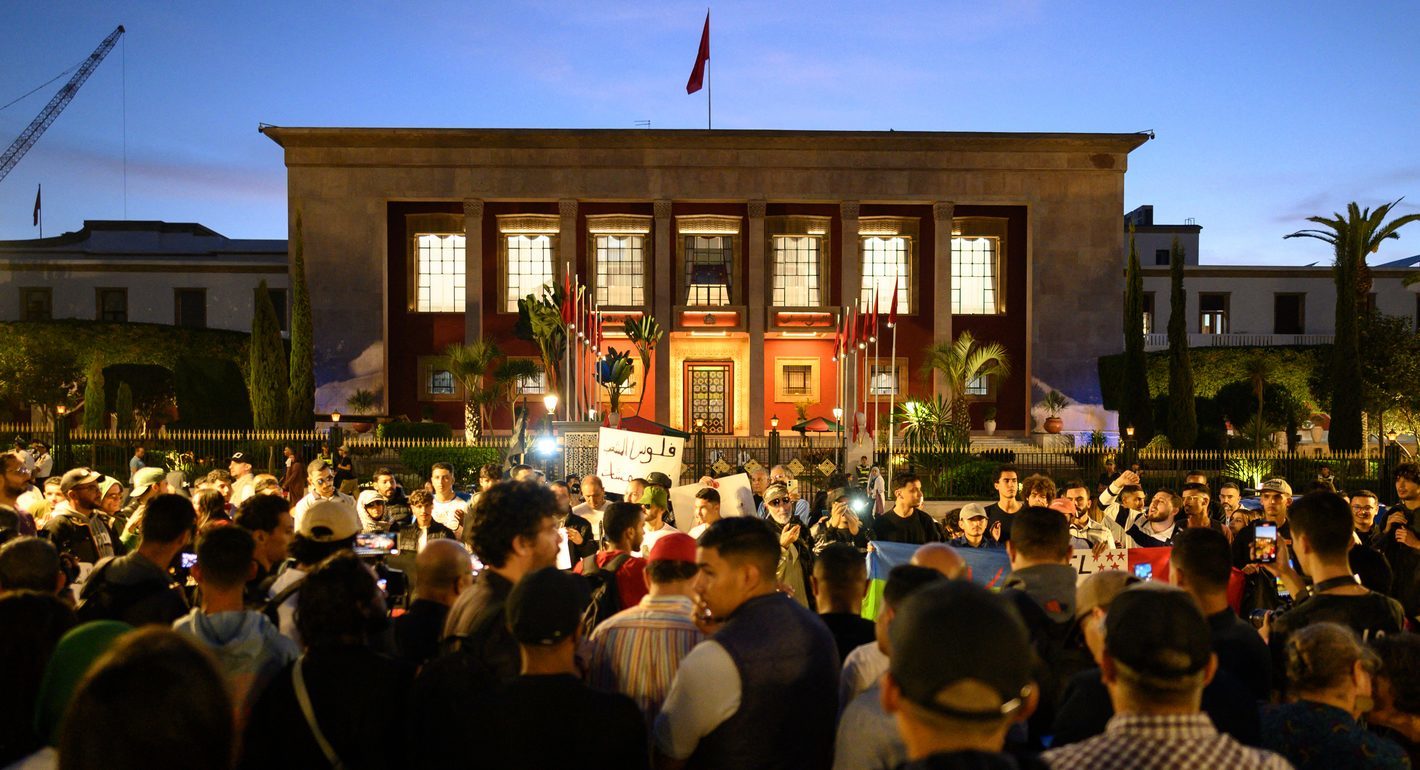
من أبطال الأنمي إلى مجتمعات الألعاب الإلكترونية، يبني جيل زيد في المغرب ثقافة احتجاج جديدة، فماذا تكشف هذه المخيلة الرقمية عن السياسة لدى الشباب؟ وكيف ينبغي للمؤسسات أن تتعامل معها؟
عبد الإله فرح
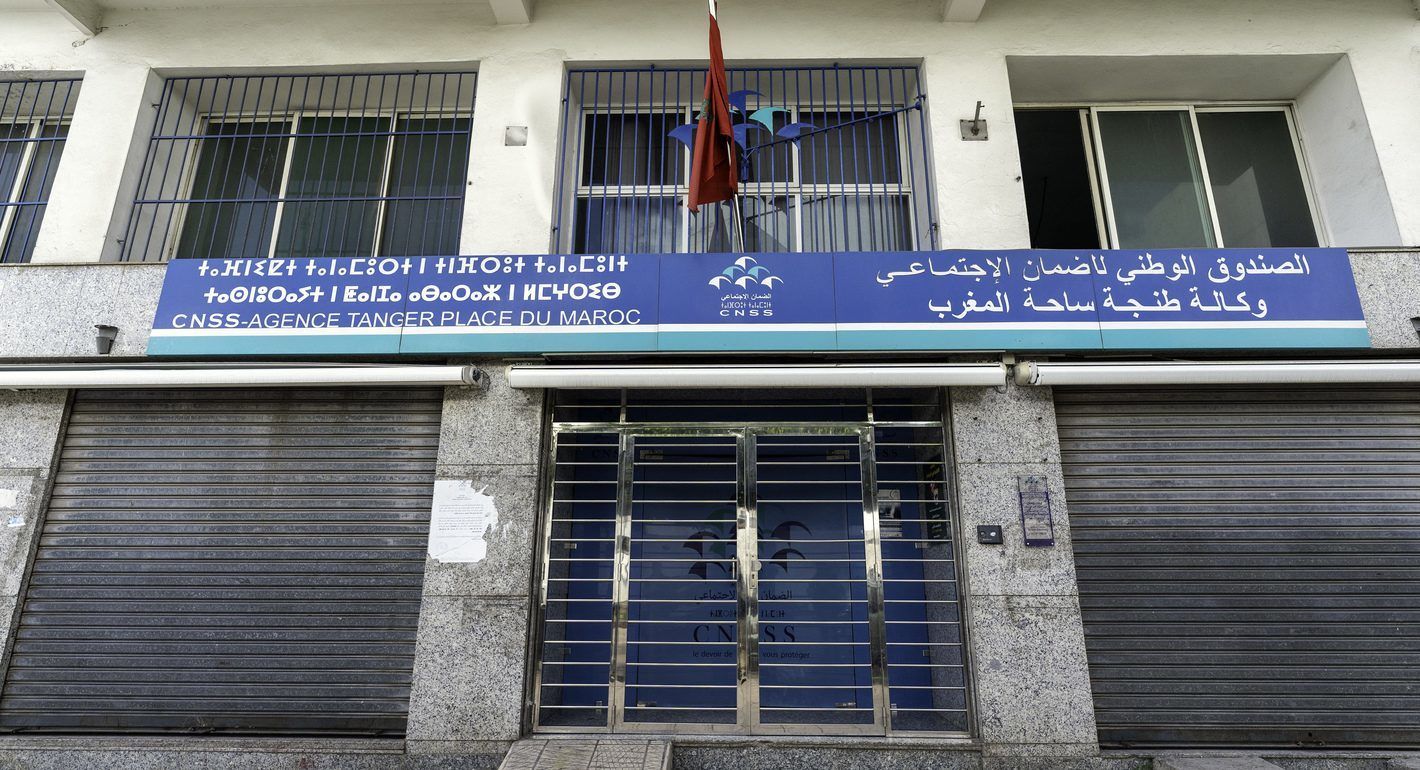
في حين أن انتقال المغرب إلى نظام استهداف اجتماعي رقمي يُسهم في تحسين الكفاءة والتنسيق في البرامج الاجتماعية، إلا أنه ينطوي على مخاطر الإقصاء ويُعزّز السياسات التقشفية. يستخدم النظام الجديد خوارزميات تعتمد على بيانات اجتماعية واقتصادية لتحديد أهلية الاستفادة من مزايا مثل التحويلات النقدية والتأمين الصحي. ومع ذلك، تؤدي العيوب التقنية، والفجوة الرقمية، والمعايير الصارمة في النظام الجديد إلى استبعاد غير عادل للعديد من الأسر الأكثر احتياجاً للمساعدة.
عبد الرفيع زعنون
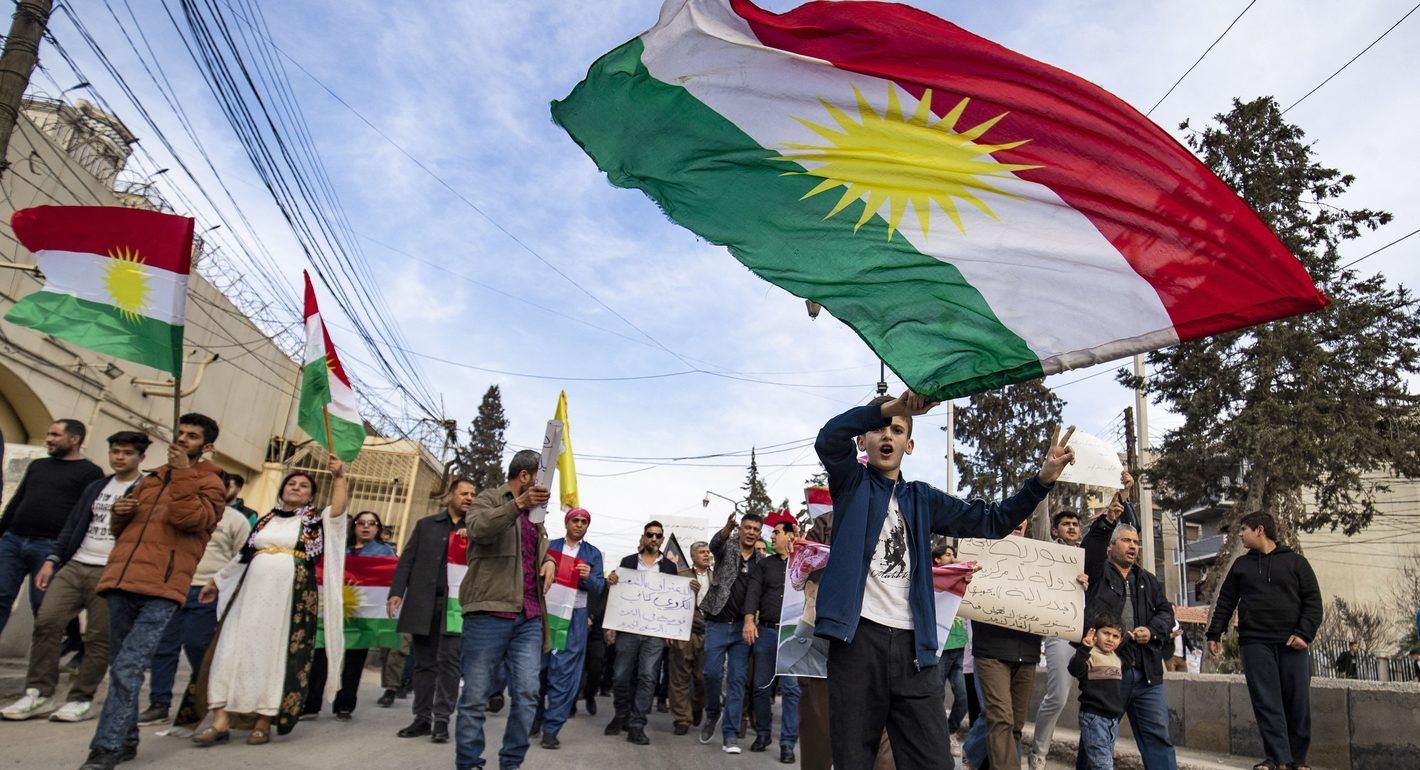
تُعكس المواقف الحذرة للسعودية تجاه الأكراد السوريين توازنًا دقيقًا بين الاستفادة من الحكم الذاتي الكردي لمواجهة تأثير إيران وبين إدارة مخاطر زعزعة وحدة .الأراضي السورية. في حين تسعى السعودية لحماية مصالحها في المنطقة، إلا أنها تظل حذرة من العواقب الداخلية والخارجية المحتملة لدعم الحكم الذاتي الكردي.
محمد سلامي