

• Research
  • About
  • Experts
Carnegie India logoCarnegie lettermark logo
Technology
{
  "authors": [
    "Uri Dadush",
    "Lauren Falcão"
  ],
  "type": "other",
  "centerAffiliationAll": "",
  "centers": [
    "Carnegie Endowment for International Peace"
  ],
  "collections": [],
  "englishNewsletterAll": "",
  "nonEnglishNewsletterAll": "",
  "primaryCenter": "Carnegie Endowment for International Peace",
  "programAffiliation": "",
  "programs": [],
  "projects": [],
  "regions": [
    "North America",
    "United States",
    "South America",
    "Western Europe"
  ],
  "topics": [
    "Economy",
    "Trade"
  ]
}

Source: Getty

Other

Migrants and the Global Financial Crisis

Migrants are economic assets for both their host and home countries, but they are disproportionately affected by the global financial crisis. Temporary migration programs and collaboration with migrant-sending countries can help maximize the economic benefits of migration, even in times of crisis.

Link Copied
By Uri Dadush and Lauren Falcão
Published on Dec 8, 2009

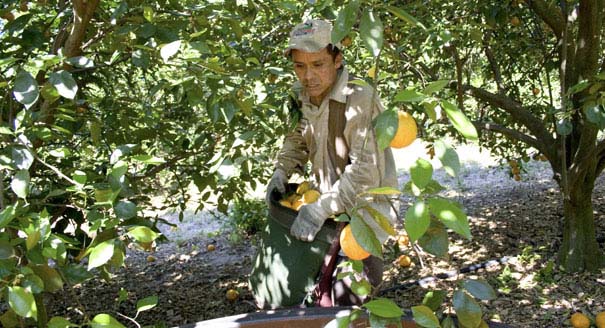
More than 200 million people reside in a country that is not their birthplace. This “diaspora nation” of migrants outranks all but four of the world’s countries in population. These migrants make an immense economic contribution both to their host country and to their home country, primarily through transfers of money they earn back to their home country, which are known as “remittances.” About 82 percent of migrants originate in developing countries, and their remittances, which amounted to an estimated $305 billion in 2008, represent an essential source of foreign exchange for these countries, as well as a major instrument in the fight against poverty.

  • Migrants are economic assets for both their host and home countries, but the global financial crisis has disproportionately affected migrants, who are both economically and politically vulnerable.

  • Migration responds to labor demand in the host country—it increases during economic booms and decreases during busts, thus minimizing competition with native-born workers.

  • Policy makers in host countries should resist political pressures calling for measures against migrants and make sure that migrants’ contribution to economic welfare is more broadly understood.

  • Temporary migration programs and collaboration with migrant-sending countries can help maximize the economic benefits of migration, including in times of crisis.

Authors

Uri Dadush
Former Senior Associate, International Economics Program
Uri Dadush
Lauren Falcão
Former Junior Fellow, Trade, Equity, and Development Program
EconomyTradeNorth AmericaUnited StatesSouth AmericaWestern Europe

Carnegie India does not take institutional positions on public policy issues; the views represented herein are those of the author(s) and do not necessarily reflect the views of Carnegie, its staff, or its trustees.

More Work from Carnegie India

  • Commentary
    The Impact of U.S. Sanctions and Tariffs on India’s Russian Oil Imports

    This piece examines India’s response to U.S. sanctions and tariffs, specifically assessing the immediate market consequences, such as alterations in import costs, and the broader strategic implications for India’s energy security and foreign policy orientation.

      Vrinda Sahai

  • Paper
    India-China Economic Ties: Determinants and Possibilities

    This paper examines the evolution of India-China economic ties from 2005 to 2025. It explores the impact of global events, bilateral political ties, and domestic policies on distinct spheres of the economic relationship.

      Santosh Pai

  • Commentary
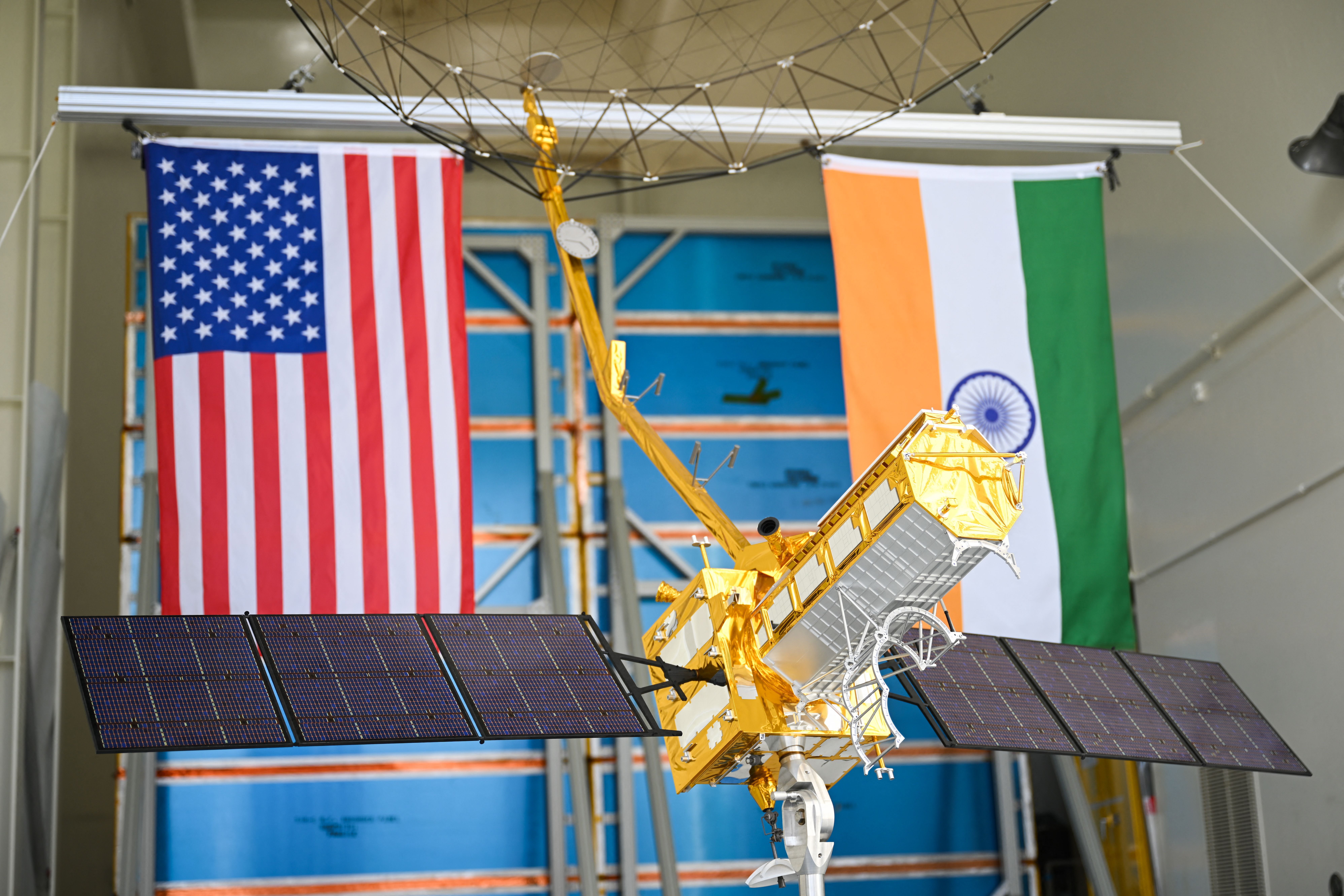
    NISAR Soars While India-U.S. Tariff Tensions Simmer

    On July 30, 2025, the United States announced 25 percent tariffs on Indian goods. While diplomatic tensions simmered on the trade front, a cosmic calm prevailed at the Sriharikota launch range. Officials from NASA and ISRO were preparing to launch an engineering marvel into space—the NASA-ISRO Synthetic Aperture Radar (NISAR), marking a significant milestone in the India-U.S. bilateral partnership.

      Tejas Bharadwaj

  • Commentary
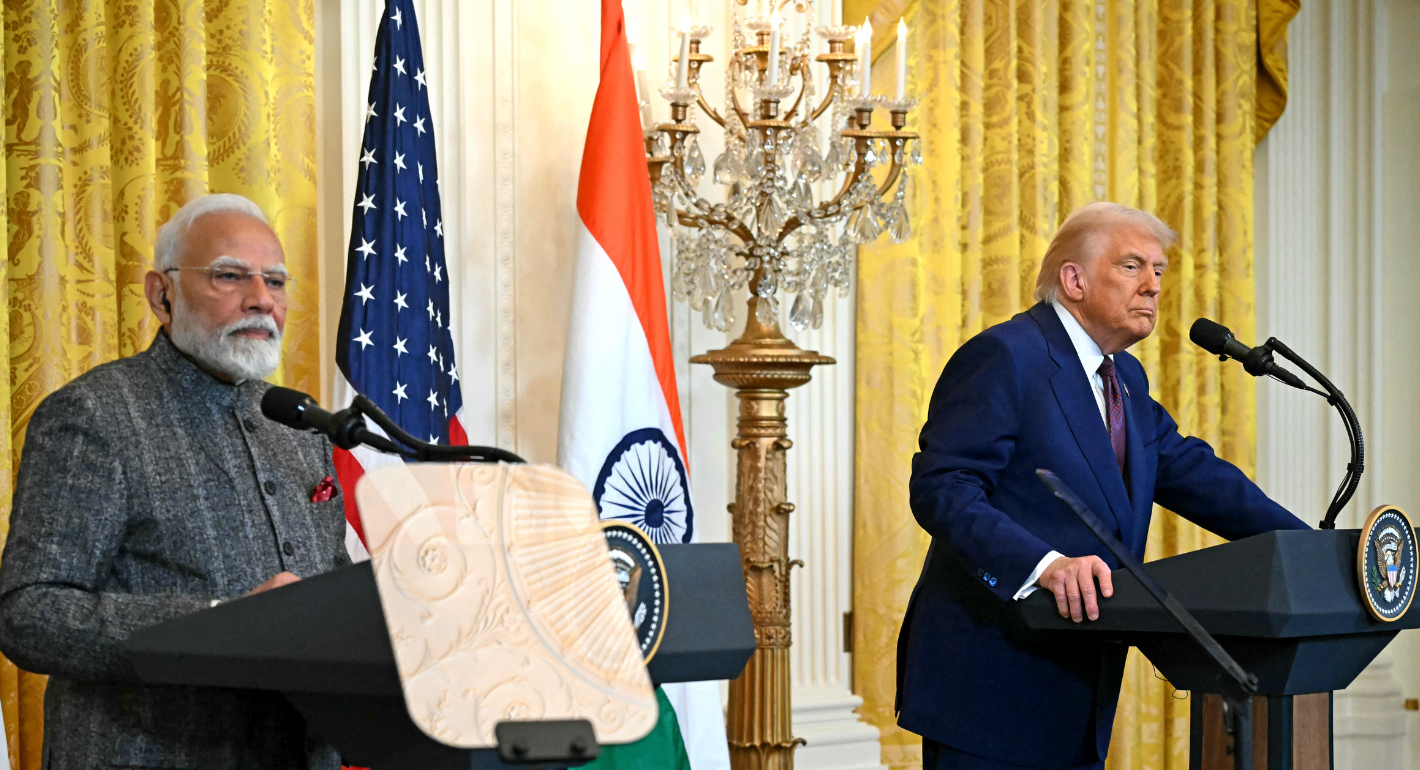
    TRUST and Tariffs

    The India-U.S. relationship currently appears buffeted between three “Ts”—TRUST, Tariffs, and Trump.

      Arun K. Singh

  • Commentary
    The India-U.S. TRUST Initiative: Advancing Semiconductor Supply Chain Cooperation

    As part of the TRUST initiative, leaders of the two countries committed to building trusted and resilient supply chains, including for semiconductors and critical minerals. India and the United States have made steady progress in this area over the years. This essay explores the takeaways from discussions on semiconductor supply chains that took place at Carnegie India’s 9th Global Technology Summit.

      Konark Bhandari

Get more news and analysis from
Carnegie India
Carnegie India logo, white
Unit C-4, 5, 6, EdenparkShaheed Jeet Singh MargNew Delhi – 110016, IndiaPhone: 011-40078687
  • Research
  • About
  • Experts
  • Projects
  • Events
  • Contact
  • Careers
  • Privacy
  • For Media
Get more news and analysis from
Carnegie India
© 2026 Carnegie Endowment for International Peace. All rights reserved.