Obama’s America, Better Than What Founders Imagined
The beauty of Obama's inauguration speech was not in any particular phrase, but in that the man in question and the country he leads were in so many ways far beyond what the Founders could have imagined.
Inaugural addresses are more like prayers than speeches. Their words tend to soar. They seek to inspire. They are lists of goals to which we aspire as a nation. They inevitably describe America as we might wish it to be.
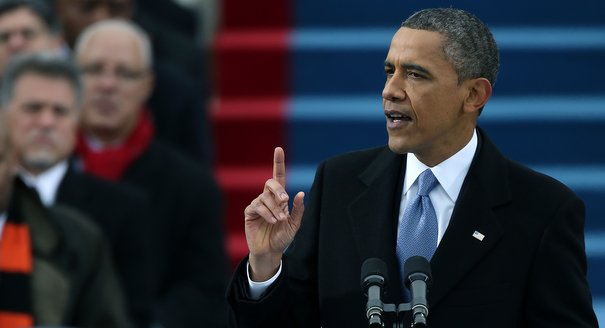
They are not blueprints. Their promises tend to be as ephemeral as the gusty winds that blew around President Barack Obama as he stood before the crowd of dignitaries and onlookers on Capitol Hill today at noon. And like those winds, his words glanced off and darted around the very real problems this president will face in trying to realize the goals he set.
Obama's words acknowledged the problems were there -- some of which were actually the faces in the crowd around him, some of which were their beliefs, some of which were the interests they represent, some of which were the broken system they are part of -- but for a moment at least, they were freed from the need to say exactly how we would break our logjams and rise to defuse the crises of which he spoke.
There will be a time for that later -- during his State of the Union speech February 12, during press conferences, during other addresses, guidance to his supporters and challenges to his opponents.
But Inaugural speeches, because they have been a tradition for so long, do have the effect of enabling us to see very real changes, to measure this moment against others. So once again we heard from an African-American president in a country for which racism has been a chronic disease since the days of its conception.
We had a man from humble beginnings assuming the most powerful role in the world. We had a president demanding equal rights for gay Americans and equal pay for women without fearing he was in so doing veering from the mainstream of American views or values -- and without celebrating the kind of progress we should have made on both fronts long, long ago.
We had a speech that was no longer addressing the concerns of a nation at war as have such addresses over the past decade. We had a speech that was not like his last Inaugural speech -- a call to action in a moment of acute crisis.
We also had a speech that devoted real attention to perhaps the greatest challenge the world faces at the moment: climate change.
We could hope, as we listened, that on this great issue, like others demanding answers now -- bringing our fiscal house in order, restoring equality of opportunity to our economy, ending our country's sick obsession with guns -- that future Inaugural addresses would be able to note the kind of material progress that we have seen with regard to combating racism or ending wars.
As such, today's speech did just what we might hope, capturing where we are and where we ought to be going. And it did it in the way our Founding Fathers envisioned, through the words of a man elected by the people of America to lead them.
The great beauty of the speech was not in any particular phrase, but in that the man in question and the country he leads were in so many ways far beyond what the Founders could have imagined. And that, despite our natural tendency to glorify our origins, that this America was in virtually every way better than the one they offered up to us.
Carnegie India does not take institutional positions on public policy issues; the views represented herein are those of the author(s) and do not necessarily reflect the views of Carnegie, its staff, or its trustees.
This piece examines India’s response to U.S. sanctions and tariffs, specifically assessing the immediate market consequences, such as alterations in import costs, and the broader strategic implications for India’s energy security and foreign policy orientation.
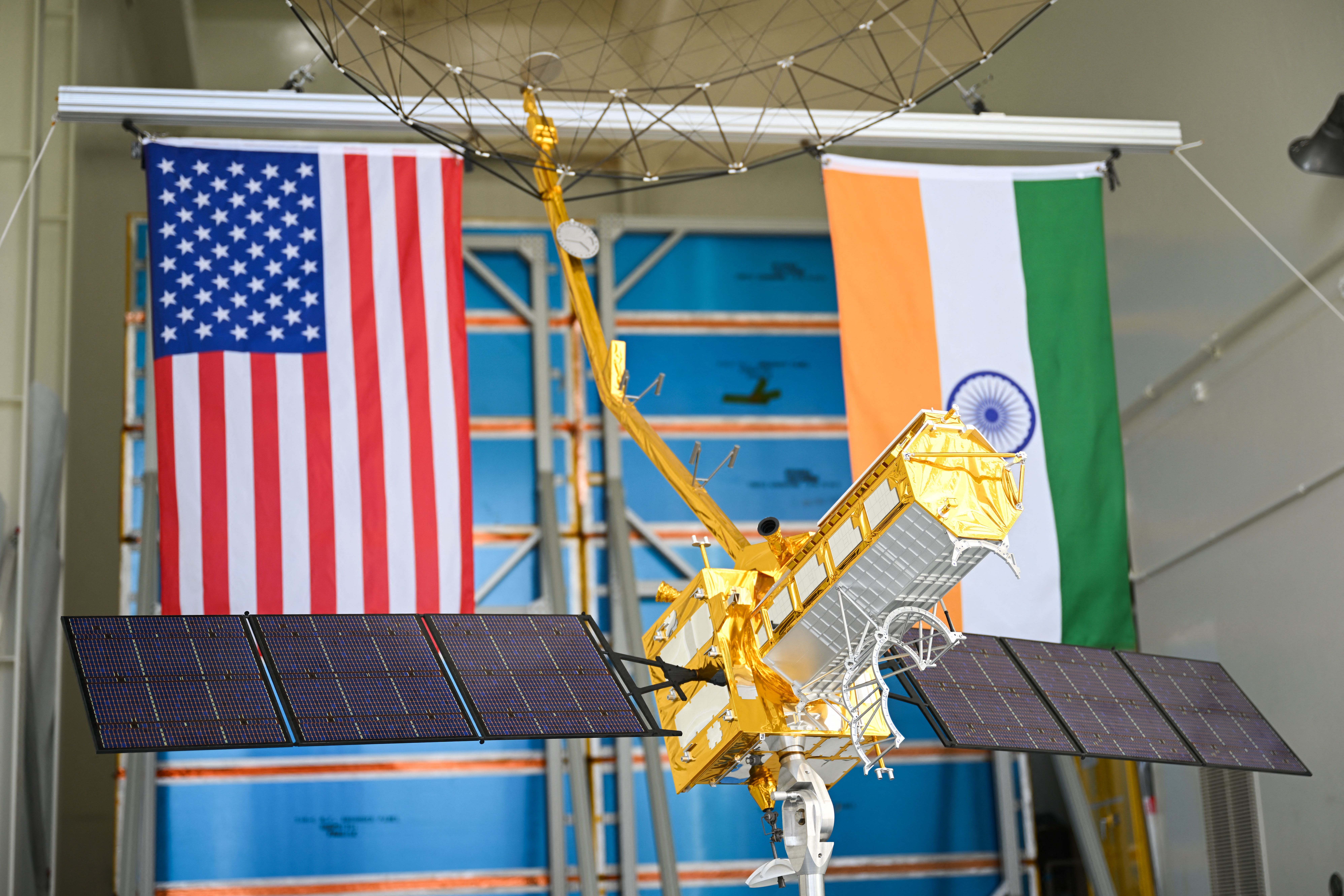
On July 30, 2025, the United States announced 25 percent tariffs on Indian goods. While diplomatic tensions simmered on the trade front, a cosmic calm prevailed at the Sriharikota launch range. Officials from NASA and ISRO were preparing to launch an engineering marvel into space—the NASA-ISRO Synthetic Aperture Radar (NISAR), marking a significant milestone in the India-U.S. bilateral partnership.
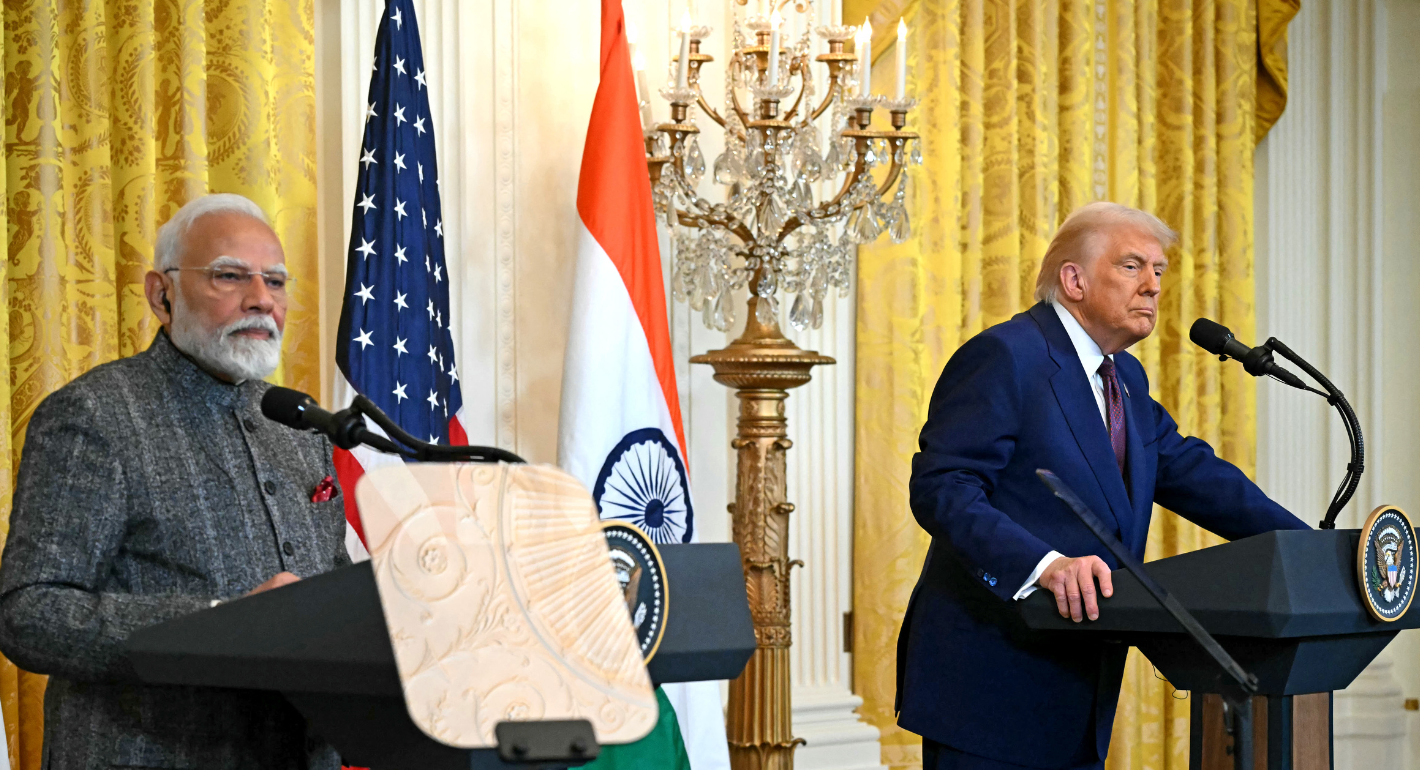
As part of the TRUST initiative, leaders of the two countries committed to building trusted and resilient supply chains, including for semiconductors and critical minerals. India and the United States have made steady progress in this area over the years. This essay explores the takeaways from discussions on semiconductor supply chains that took place at Carnegie India’s 9th Global Technology Summit.
This essay takes stock of the early momentum generated by the joint leaders’ commitment to catalyze public and private investments in building Indian manufacturing capacity—both domestically and in the United States—for active pharmaceutical ingredients (APIs) for critical medicines.