

Commentary
This piece examines the strategic implications of Bhutan’s diplomatic efforts amid its border dispute with China, highlighting the thin ice it walks on to achieve a resolution without compromising its vital relationships.
Shibani Mehta
{
  "authors": [
    "Jessica Tuchman Mathews",
    "James M. Acton"
  ],
  "type": "other",
  "centerAffiliationAll": "",
  "centers": [
    "Carnegie Endowment for International Peace"
  ],
  "collections": [
    "Japan's Nuclear Crisis"
  ],
  "englishNewsletterAll": "",
  "nonEnglishNewsletterAll": "",
  "primaryCenter": "Carnegie Endowment for International Peace",
  "programAffiliation": "",
  "programs": [
    "Nuclear Policy"
  ],
  "projects": [],
  "regions": [
    "East Asia",
    "Japan"
  ],
  "topics": [
    "Nuclear Policy"
  ]
}
Source: Getty
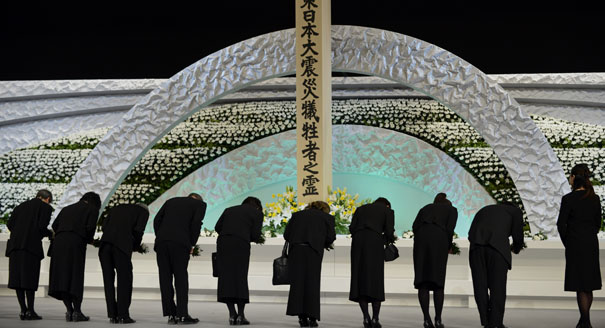
While physical aftershocks from the earthquake that struck Japan on March 11, 2011, have long ceased, societal aftershocks are still reverberating.
Source: Independent Investigation Commission on the Fukushima Daiichi Nuclear Accident
While physical aftershocks from the earthquake that struck Japan on March 11, 2011, have long ceased, societal aftershocks are still reverberating. Most obviously, 110,000 of the evacuees forced to flee from the worst nuclear accident since Chernobyl have yet to return to their homes. For many Japanese - not just the evacuees and their famiilies - their dislocation is an open wound.
At the same time, Japanese society has gained a new interest in its country's governance. Until the accident, it had been willing to let bureaucrats make most key policies with a minimum of interference. Now, a wave of public involvement, which was started by dissatisfaction over energy policy, is having effects in unrelated areas, such as pensions.
A robust and engaged civil society is surely a welcome development. Japan has been in a sustained economic slump for almost two decades, partly as a result of a political system devoid of imagination and unable to innovate. (Although, hopefully, Japan's new prime minister's signature economic policy of "Abenomics" will turn out to be an exception to that rule.) It may be painful for the Kasumigaseki bureaucrats, but an injection of energy from civil society could - perhaps - be a turning point....
Carnegie India does not take institutional positions on public policy issues; the views represented herein are those of the author(s) and do not necessarily reflect the views of Carnegie, its staff, or its trustees.

This piece examines the strategic implications of Bhutan’s diplomatic efforts amid its border dispute with China, highlighting the thin ice it walks on to achieve a resolution without compromising its vital relationships.

Shibani Mehta
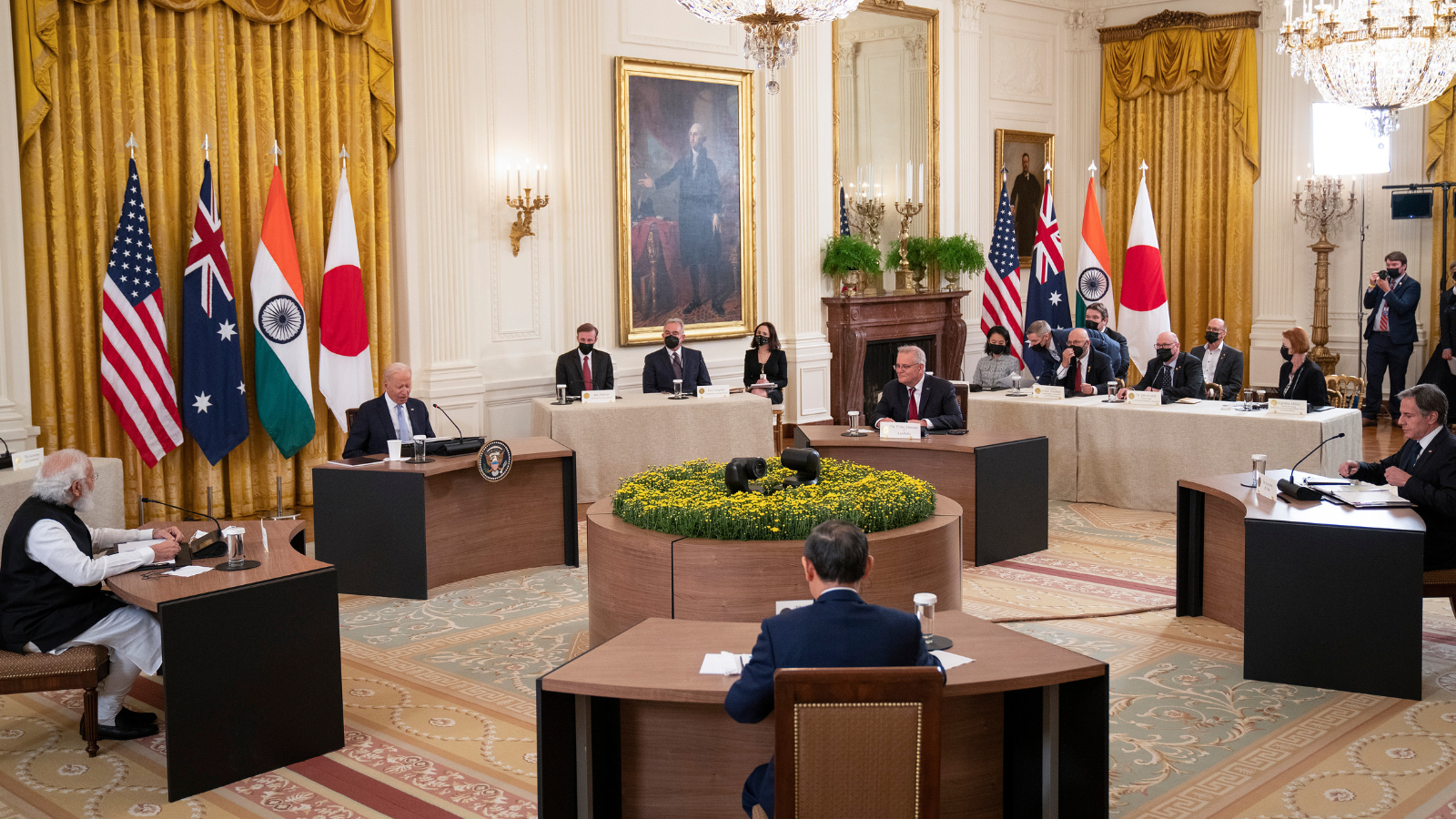
With India set to host the sixth Quad Leaders' Summit in 2024, there is every opportunity for this minilateral to not only develop a DPI initiative but also execute pilots in the Indo-Pacific. This essay shares a rationale for how the four Quad countries could achieve this goal.

Rudra Chaudhuri, Aadya Gupta

How can India navigate export control measures at a time when it is also entering into technology-centric partnerships with other nations to secure enhanced access to advanced technology?

Konark Bhandari
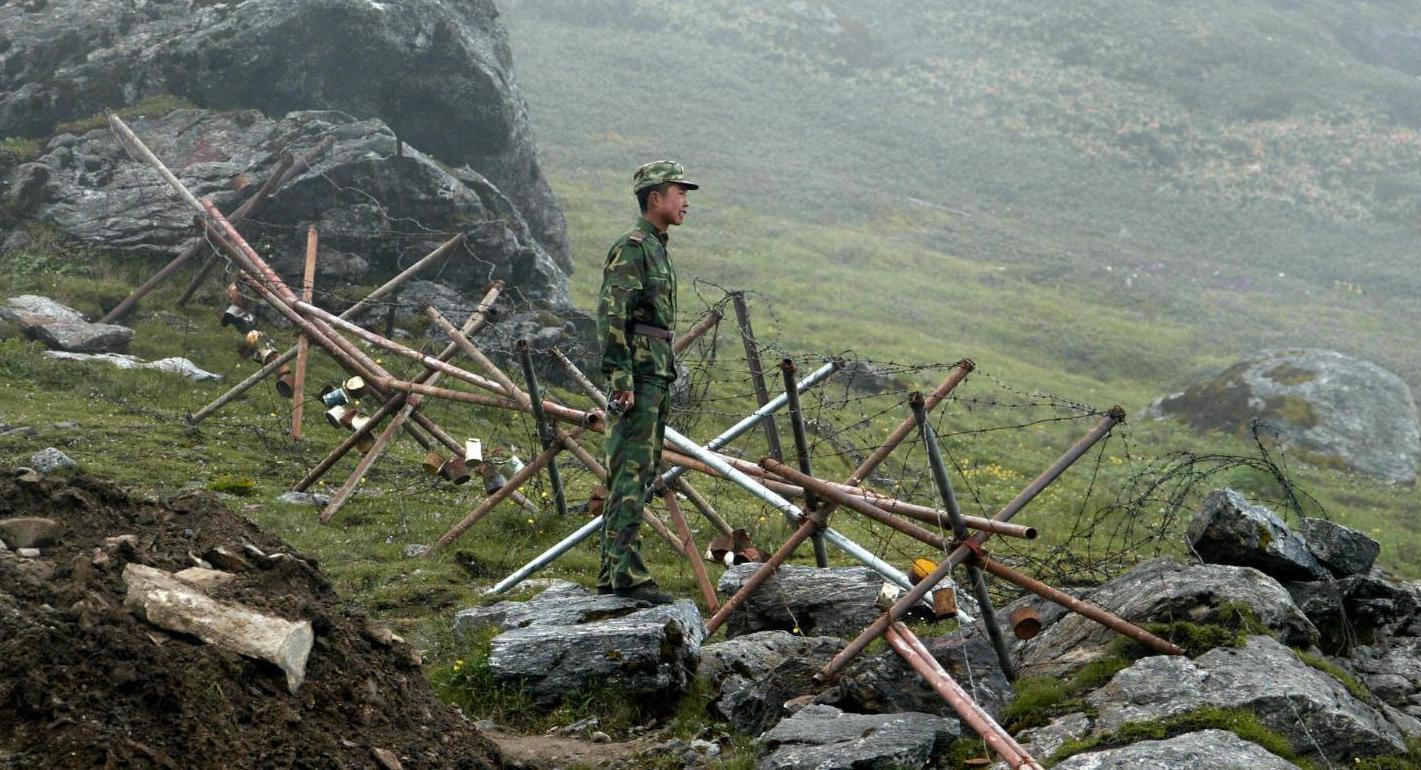
This article examines the significance of the 2013, 2014, and 2015 border standoffs between India and China. It presents a detailed account of the border crises and how the two countries tried to manage them.
Shibani Mehta
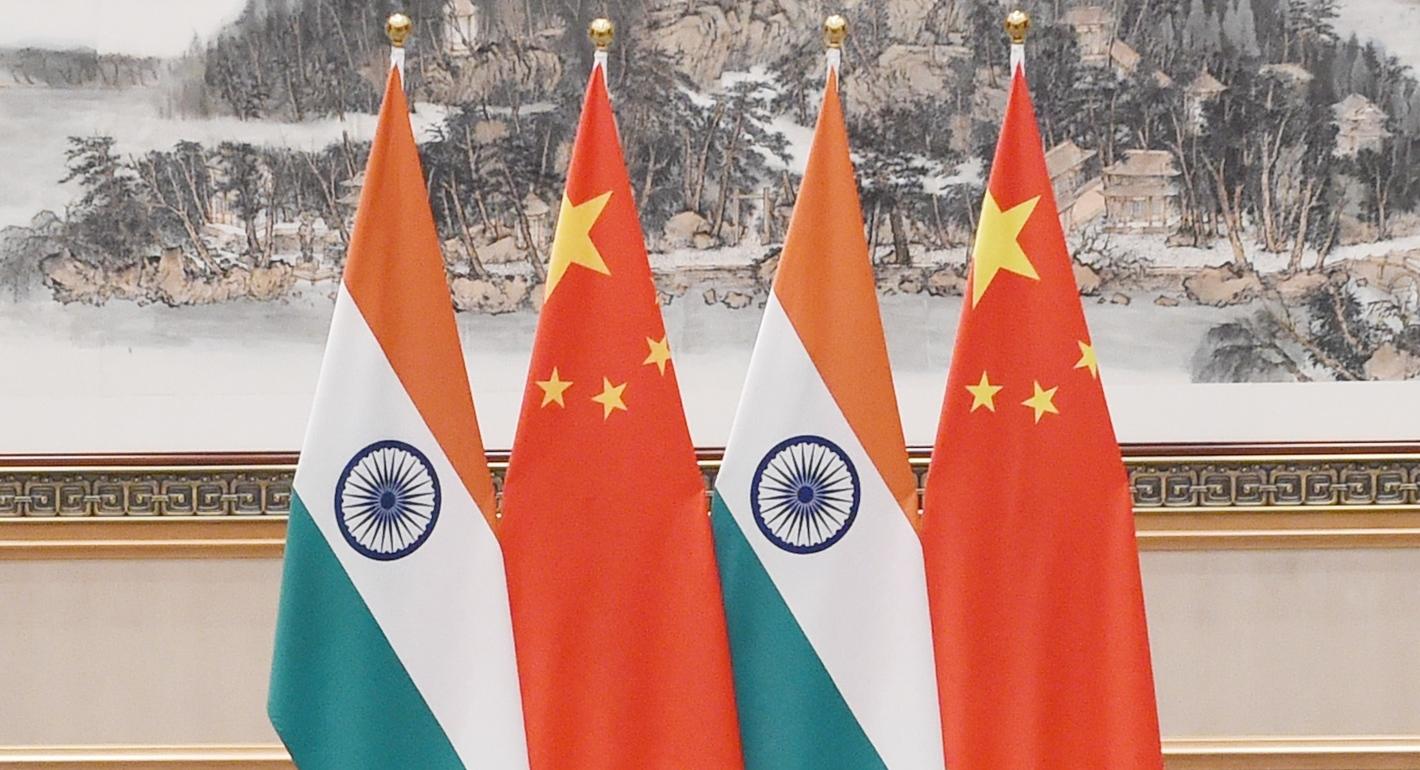
Contrary to some recent analyses, this commentary explains why a strategic détente between India and China is unlikely.

Saheb Singh Chadha