• Research
  • About
  • Experts
Carnegie India logoCarnegie lettermark logo
Technology
{
  "authors": [
    "Dmitri Trenin"
  ],
  "type": "legacyinthemedia",
  "centerAffiliationAll": "",
  "centers": [
    "Carnegie Endowment for International Peace",
    "Carnegie Russia Eurasia Center"
  ],
  "collections": [],
  "englishNewsletterAll": "",
  "nonEnglishNewsletterAll": "",
  "primaryCenter": "Carnegie Russia Eurasia Center",
  "programAffiliation": "",
  "programs": [],
  "projects": [],
  "regions": [
    "Russia",
    "Eastern Europe",
    "Ukraine"
  ],
  "topics": [
    "Foreign Policy"
  ]
}
In The Media
Carnegie Russia Eurasia Center

Russia: Where Next After Crimea?

Putin sees himself as repairing the damage done a quarter century ago by Gorbachev and Yeltsin. He is challenging not only the 1991 geopolitical arrangements but an entire world order in which only the United States has the right to decide what is right and what is wrong.

Link Copied
By Dmitri Trenin
Published on Mar 19, 2014

Source: Al Jazeera America

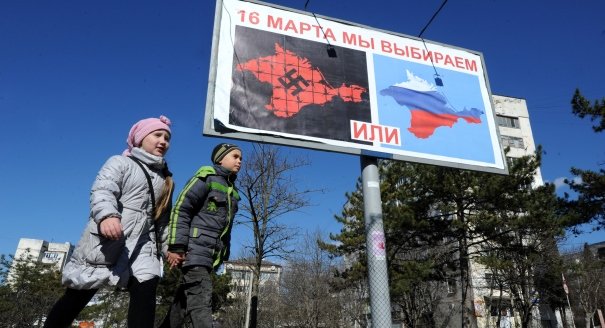
In his speech to the Russian parliament on Tuesday, Vladimir Putin moved to include Crimea in the Russian Federation. At the same time, he said Moscow had no intention to move into southeastern Ukraine or to support a “Crimea scenario” there. The situation, however, is fast unfolding, and the crisis that led to the toppling on Feb. 21–22 of Ukrainian President Viktor Yanukovich is far from over.

Over the past four weeks, Russia’s foreign policy and its relations with the United States and the European Union have been fundamentally transformed. Even if historical analogies are often tricky, Russia and the West have entered something that can be described as a new cold war.

Neither side has thus far developed a strategy for dealing with the other in this new scenario. The Russian approach, however, is basically clear. Putin, who in a 2006 address to the Russian parliament famously described the breakup of the Soviet Union as a major catastrophe, sees himself as repairing the damage done a quarter century ago by the last Soviet leader, Mikhail Gorbachev, and the first Russian president, Boris Yeltsin.

To Putin, eastern Slavs — Belarusians, Ukrainians and Russians — are part of an Orthodox Christian civilization closely tied by the bonds of ethnicity, language, culture and shared history. To the Russian leader, they are all one people.

During the Ukraine crisis, however, Putin has for the first time publicly described ethnic Russians as a divided nation — a description previously avoided so as not to alarm neighboring countries whose borders with Russia create those divisions. Putin used the idea of reuniting Russians to rationalize incorporating Crimea within the Russian Federation. He also noted that southeastern Ukraine, from Odessa to Kharkiv, was originally southern Russia and is still home to millions of ethnic Russians. ...

Read the full text of this article on Al Jazeera America.

Dmitri Trenin
Former Director, Carnegie Moscow Center
Foreign PolicyRussiaEastern EuropeUkraine

Carnegie India does not take institutional positions on public policy issues; the views represented herein are those of the author(s) and do not necessarily reflect the views of Carnegie, its staff, or its trustees.

More Work from Carnegie India

  • Commentary
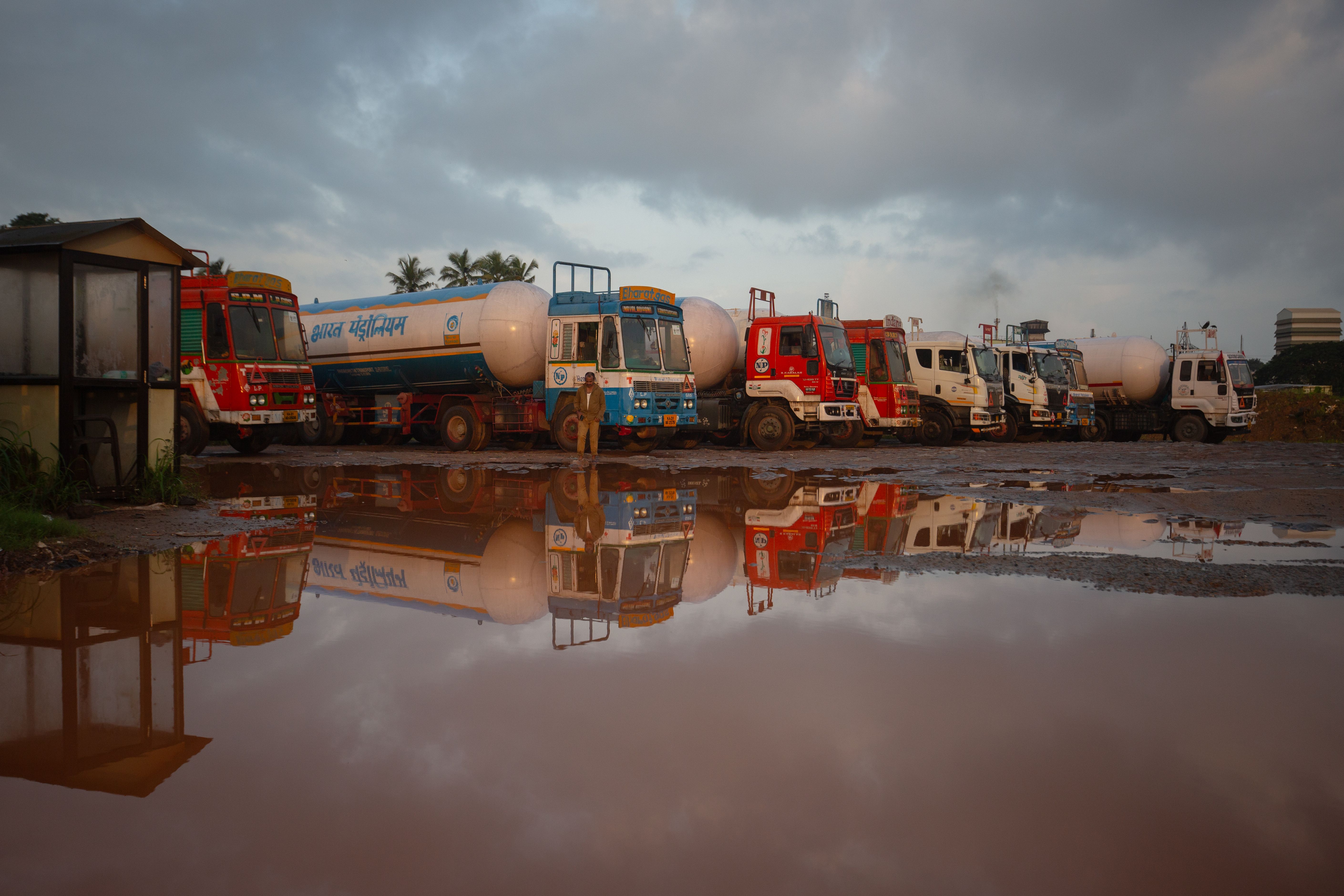
    The Impact of U.S. Sanctions and Tariffs on India’s Russian Oil Imports

    This piece examines India’s response to U.S. sanctions and tariffs, specifically assessing the immediate market consequences, such as alterations in import costs, and the broader strategic implications for India’s energy security and foreign policy orientation.

      Vrinda Sahai

  • Commentary
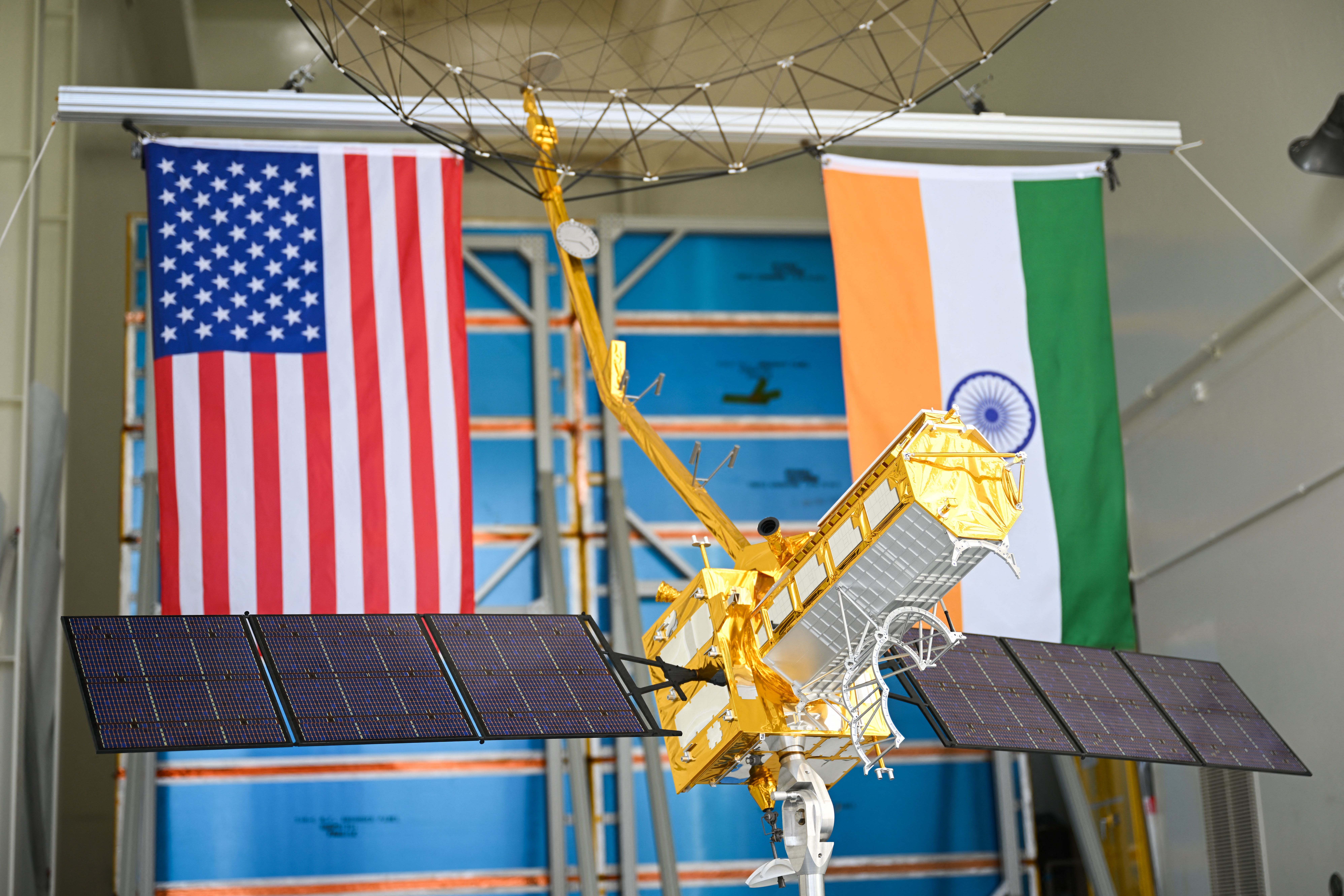
    NISAR Soars While India-U.S. Tariff Tensions Simmer

    On July 30, 2025, the United States announced 25 percent tariffs on Indian goods. While diplomatic tensions simmered on the trade front, a cosmic calm prevailed at the Sriharikota launch range. Officials from NASA and ISRO were preparing to launch an engineering marvel into space—the NASA-ISRO Synthetic Aperture Radar (NISAR), marking a significant milestone in the India-U.S. bilateral partnership.

      Tejas Bharadwaj

  • Commentary
    Indian Airstrikes in Pakistan: May 7, 2025

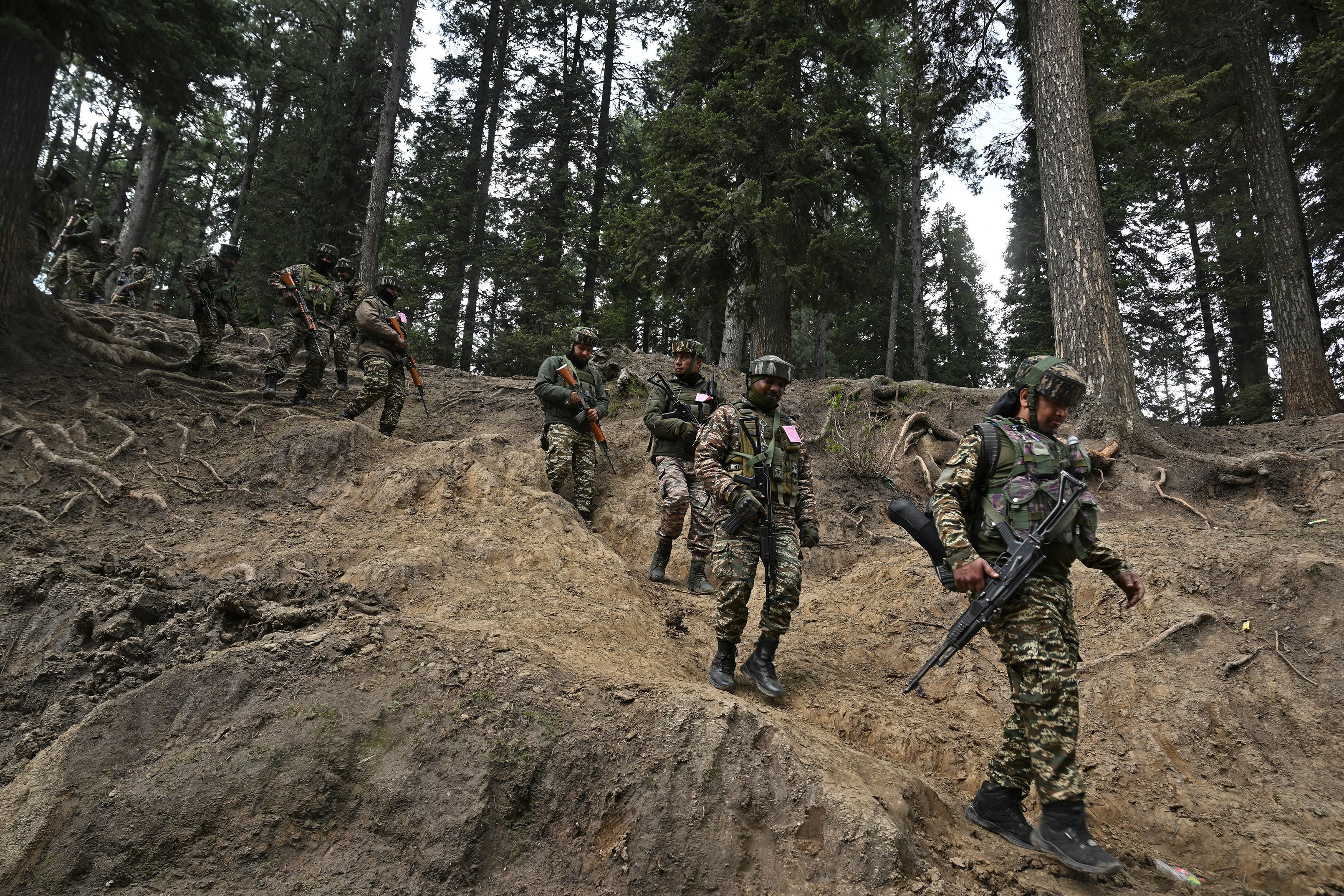
    On May 7, 2025, between 1:05 and 1:30 a.m. (IST), airstrikes carried out by the Indian Air Force hit nine locations inside Pakistan and Pakistan occupied Kashmir (PoK). It was codenamed Operation Sindoor.

      Rudra Chaudhuri

  • Research
    Views From Taipei: Essays by Young Indian Scholars on China

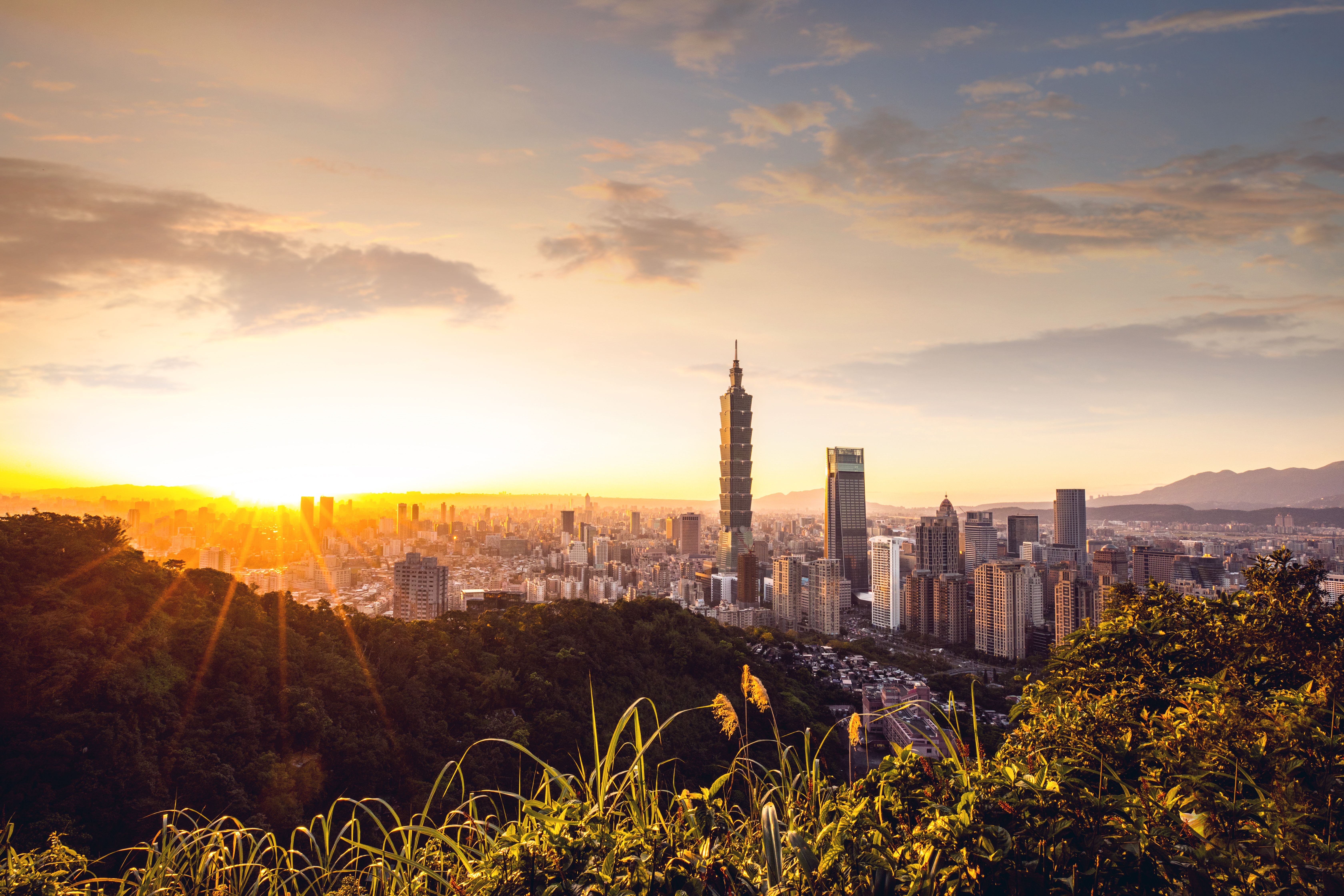
    This compendium brings together three essays by scholars who participated in Carnegie India's Security Studies Dialogue in 2024, each examining a different aspect of China’s policies. Drawing on their expertise and research, the authors offer fresh perspectives on key geopolitical challenges.

      • +1

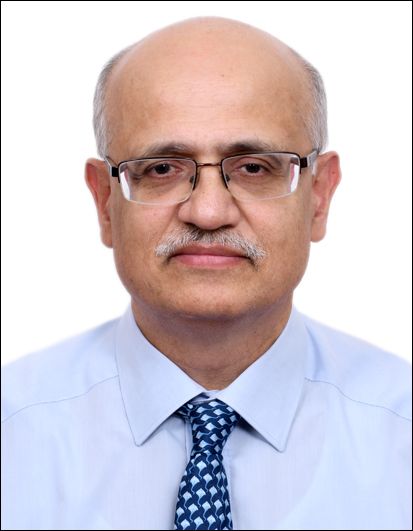
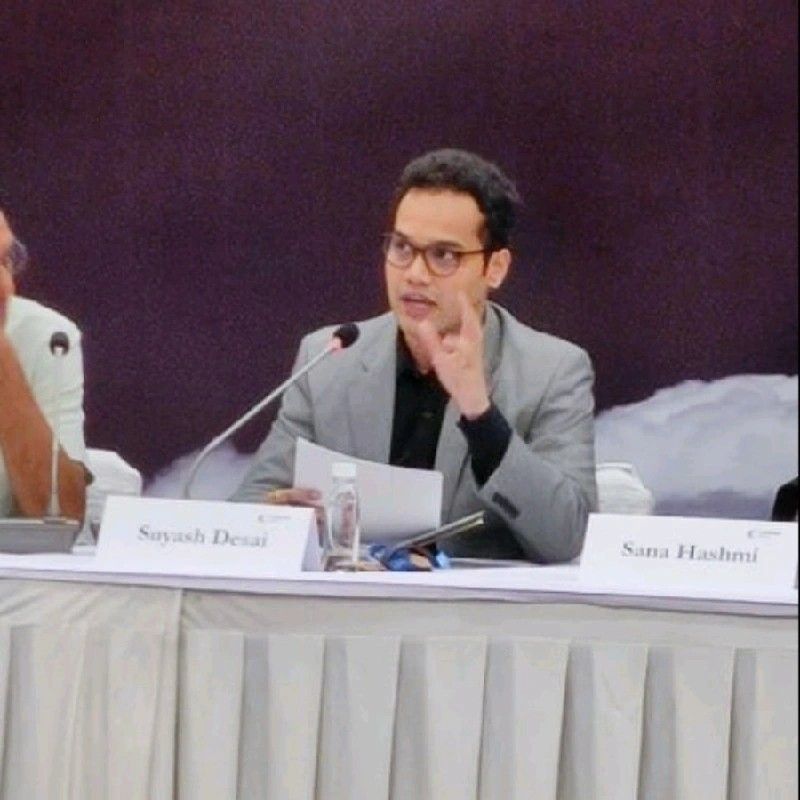
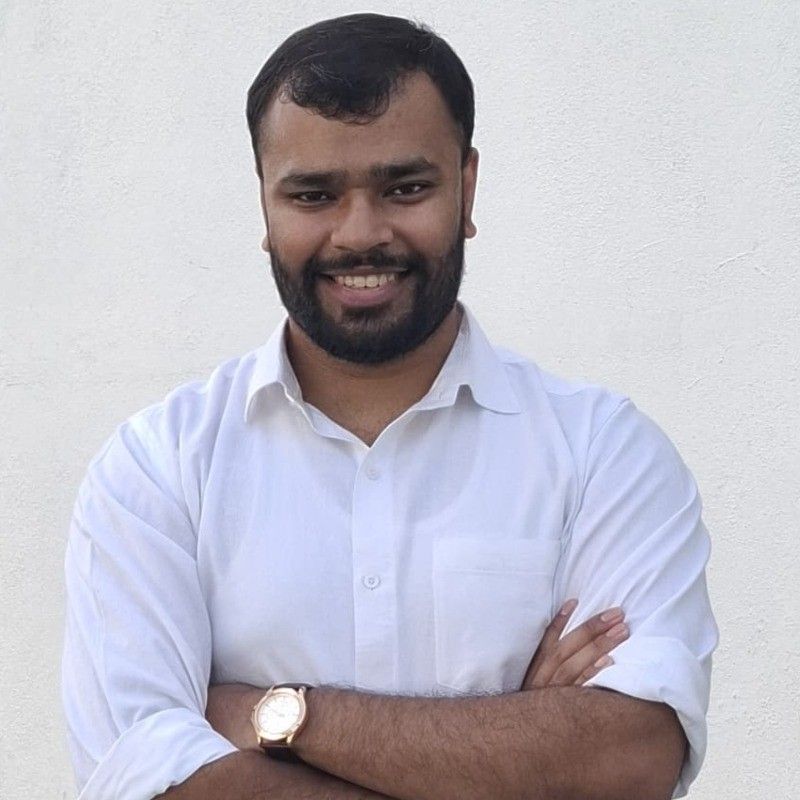
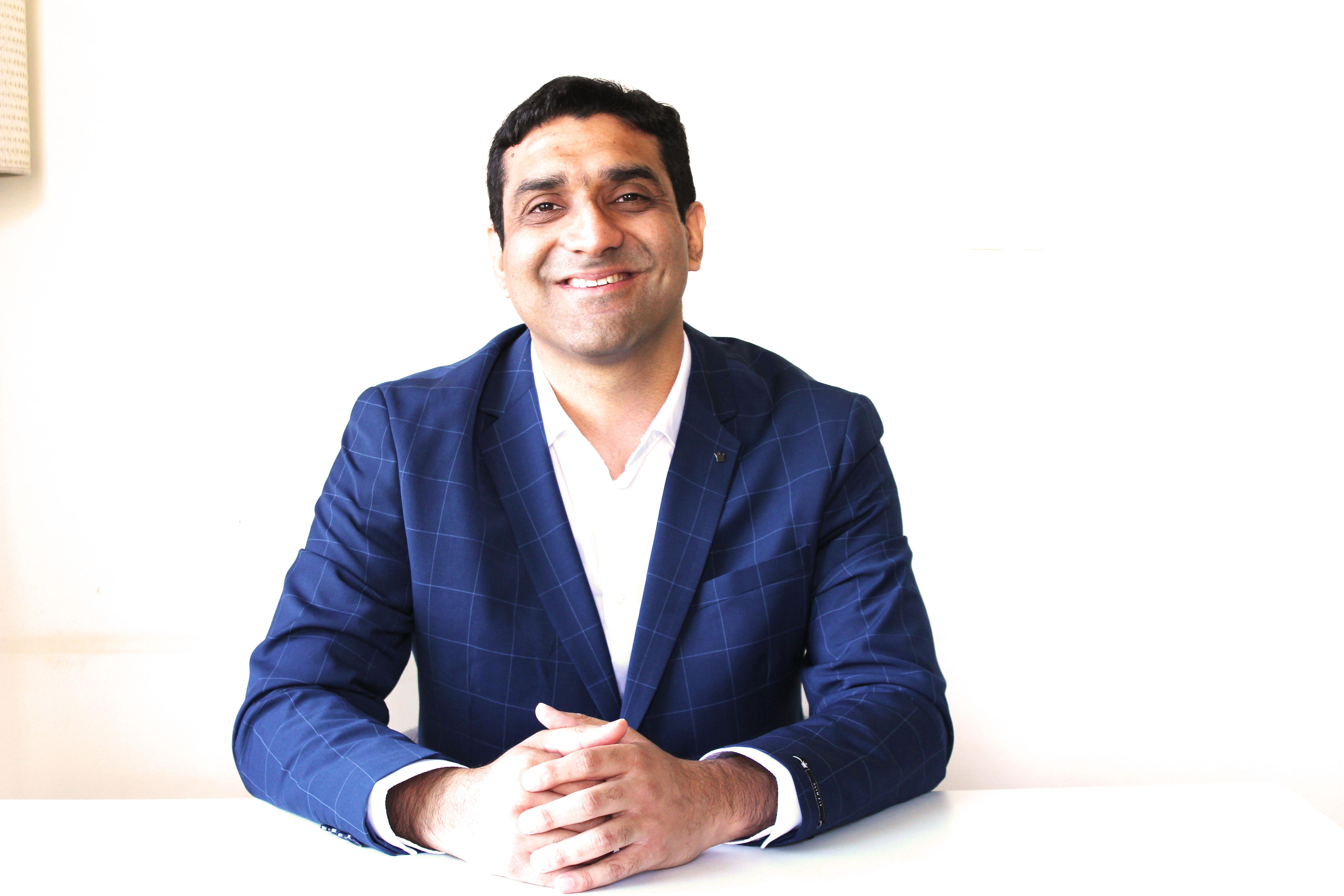
      Vijay Gokhale, Suyash Desai, Amit Kumar, …

  • Commentary
    The India-U.S. TRUST Initiative: Advancing Semiconductor Supply Chain Cooperation

    As part of the TRUST initiative, leaders of the two countries committed to building trusted and resilient supply chains, including for semiconductors and critical minerals. India and the United States have made steady progress in this area over the years. This essay explores the takeaways from discussions on semiconductor supply chains that took place at Carnegie India’s 9th Global Technology Summit.

      Konark Bhandari

Get more news and analysis from
Carnegie India
Carnegie India logo, white
Unit C-4, 5, 6, EdenparkShaheed Jeet Singh MargNew Delhi – 110016, IndiaPhone: 011-40078687
  • Research
  • About
  • Experts
  • Projects
  • Events
  • Contact
  • Careers
  • Privacy
  • For Media
Get more news and analysis from
Carnegie India
© 2026 Carnegie Endowment for International Peace. All rights reserved.