• Research
  • About
  • Experts
Carnegie India logoCarnegie lettermark logo
Technology
{
  "authors": [
    "Dmitri Trenin"
  ],
  "type": "commentary",
  "centerAffiliationAll": "",
  "centers": [
    "Carnegie Endowment for International Peace",
    "Carnegie Russia Eurasia Center"
  ],
  "collections": [],
  "englishNewsletterAll": "",
  "nonEnglishNewsletterAll": "",
  "primaryCenter": "Carnegie Russia Eurasia Center",
  "programAffiliation": "",
  "programs": [],
  "projects": [],
  "regions": [
    "North America",
    "United States",
    "Russia",
    "Eastern Europe",
    "Ukraine"
  ],
  "topics": [
    "Foreign Policy"
  ]
}
Commentary
Carnegie Russia Eurasia Center

21st Century Great Game as a New Normal

The 25-year-long quest for Russia's integration with the West is off. A new normalcy is setting between Russia and the West resembles the Russo-British Great Game of the 19th century—this time between America and Russia.

Link Copied
By Dmitri Trenin
Published on Jun 30, 2014

In my discussions about Russia and the West in London last week, a sense of the end of an  era was palpable. The 25-year-long quest for Russia's integration with the West is off, at least for the foreseeable future, everyone agreed. Russia is pivoting to itself, to its partners in Eurasia, and to Asia. Ukraine symbolizes the new period of intense rivalry between Russia and the West.

Interestingly, this conclusion is accompanied by some regret, but not too much alarm. While "Mr. Putin's motives and strategies" are often believed to be a mystery, there is no fear of an impending armed conflict involving Russia and the West. Ukraine is seen as  remaining unstable for some time. Vladimir Putin has certainly won no friends in Western Europe, but a new cold war is not believed to be on the cards unless Russia goes on to destabilize the Baltics, which everyone, except the Balts themselves, thinks is a very long shot.

There is a general rejection of the Russian moves in Crimea and Ukraine. The official position is amplified by the media and its pundits, but despite the uniformity of condemnation, it rarely reaches the emotional peak. The U.S.-UK experience in Iraq is not forgotten, and too much self-righteousness is not appreciated.

Appetite for Ukraine, Georgia and Moldova drawing closer to the EU is very light. The disappointment which followed the 2004 Orange revolution has made people more cautious. There is particularly little willingness to foot Ukraine's bills. And there is absolutely no support for Ukraine's NATO membership. The business community is concerned about the effect of the sanctions, but it also tends to be pragmatic. It is now time to buy, while the Russian stock is low.

Russia and Ukraine no longer dominate the foreign policy debate. Other issues have come to the fore, such as the rise of extremists in Iraq and Syria, and most recently Britain's relations with the European Union. This does not suggest that things will get back to where they were between Russia and the West, but rather that a new normalcy is setting in, which will probably resemble the Russo-British Great Game of the 19th century—this time between America and Russia, and under conditions of globalization—than the 20th century Cold War between communism and capitalism.

Dmitri Trenin
Former Director, Carnegie Moscow Center
Foreign PolicyNorth AmericaUnited StatesRussiaEastern EuropeUkraine

Carnegie India does not take institutional positions on public policy issues; the views represented herein are those of the author(s) and do not necessarily reflect the views of Carnegie, its staff, or its trustees.

More Work from Carnegie India

  • Commentary
    The Impact of U.S. Sanctions and Tariffs on India’s Russian Oil Imports

    This piece examines India’s response to U.S. sanctions and tariffs, specifically assessing the immediate market consequences, such as alterations in import costs, and the broader strategic implications for India’s energy security and foreign policy orientation.

      Vrinda Sahai
  • Commentary
    NISAR Soars While India-U.S. Tariff Tensions Simmer

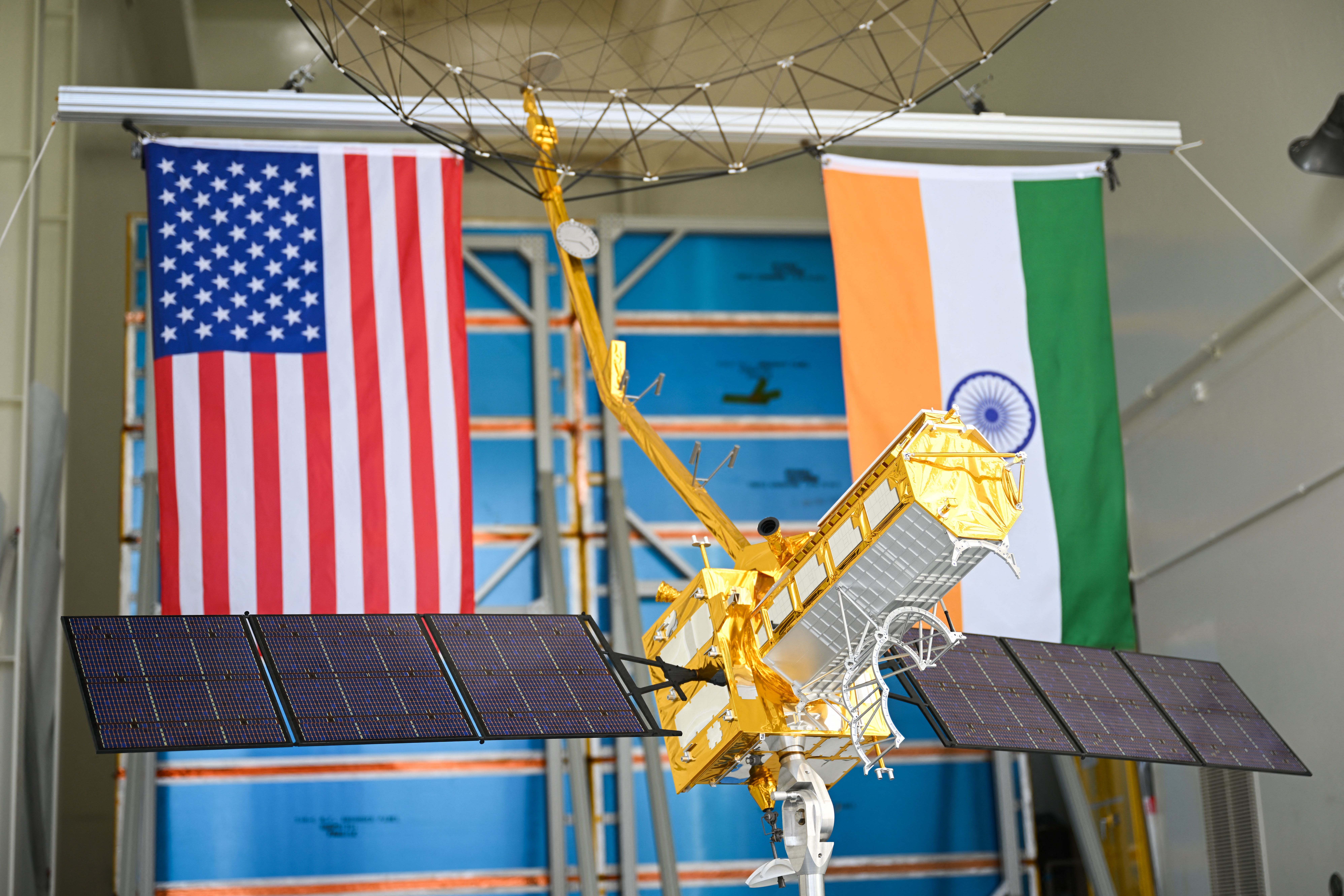
    On July 30, 2025, the United States announced 25 percent tariffs on Indian goods. While diplomatic tensions simmered on the trade front, a cosmic calm prevailed at the Sriharikota launch range. Officials from NASA and ISRO were preparing to launch an engineering marvel into space—the NASA-ISRO Synthetic Aperture Radar (NISAR), marking a significant milestone in the India-U.S. bilateral partnership.

      Tejas Bharadwaj

  • Commentary
    TRUST and Tariffs

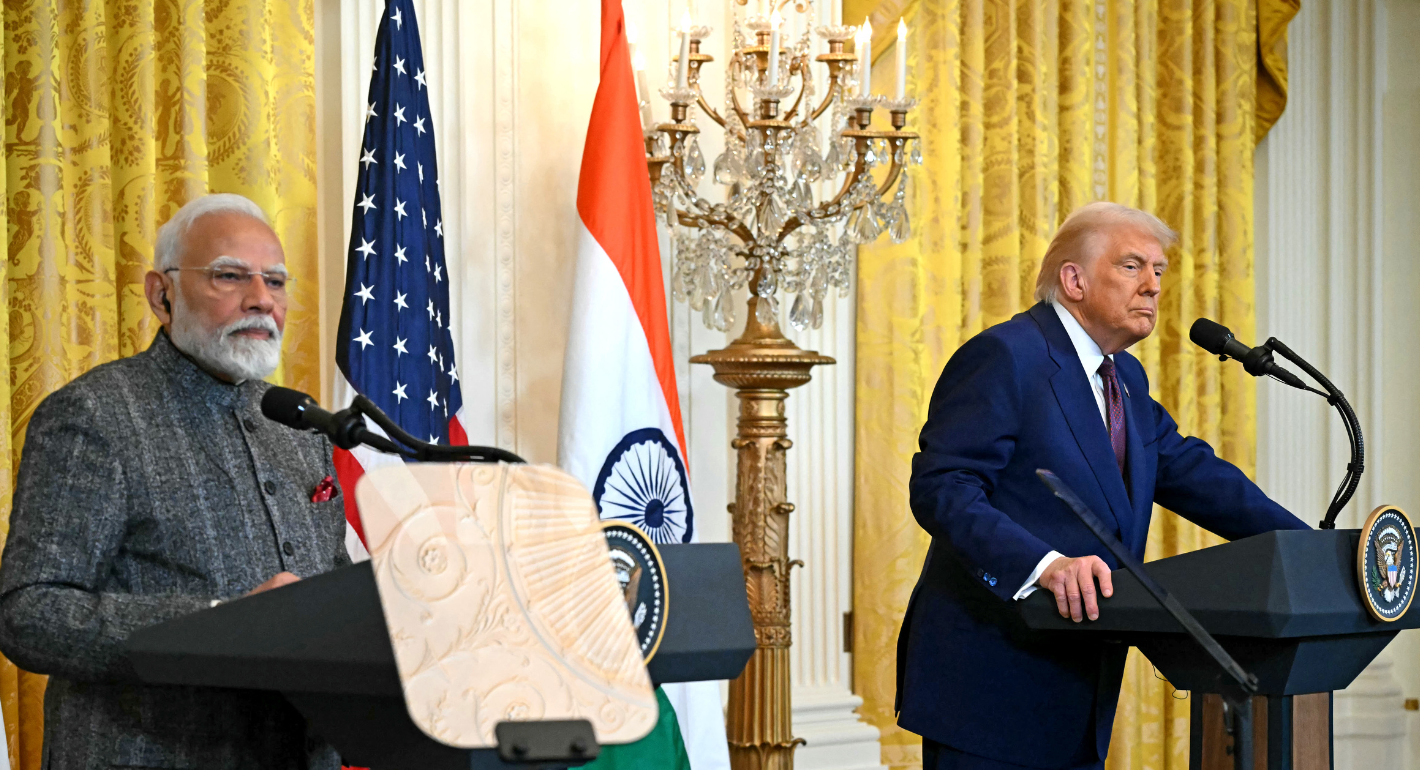
    The India-U.S. relationship currently appears buffeted between three “Ts”—TRUST, Tariffs, and Trump.

      Arun K. Singh

  • Commentary
    Indian Airstrikes in Pakistan: May 7, 2025

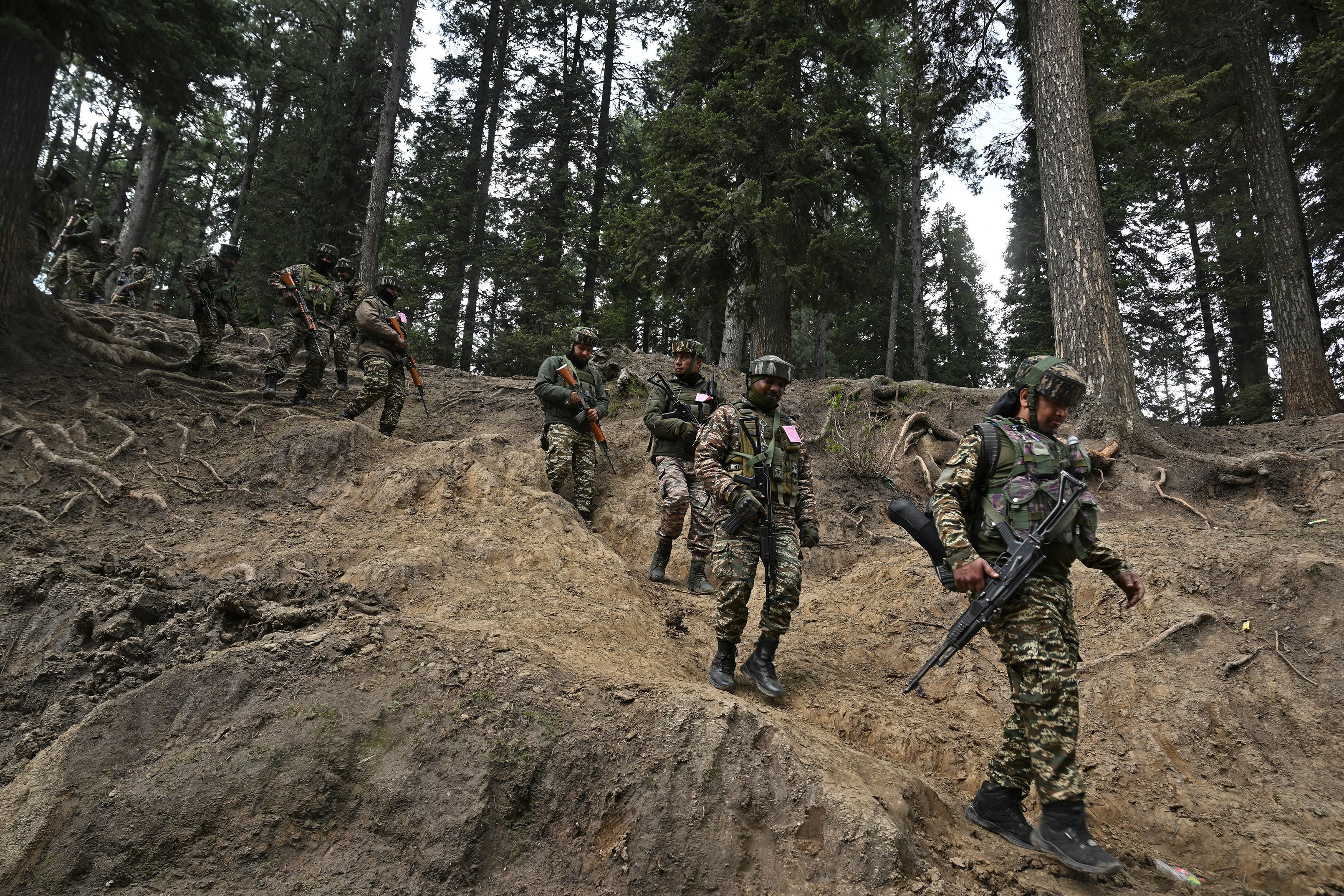
    On May 7, 2025, between 1:05 and 1:30 a.m. (IST), airstrikes carried out by the Indian Air Force hit nine locations inside Pakistan and Pakistan occupied Kashmir (PoK). It was codenamed Operation Sindoor.

      Rudra Chaudhuri

  • Research
    Views From Taipei: Essays by Young Indian Scholars on China

    This compendium brings together three essays by scholars who participated in Carnegie India's Security Studies Dialogue in 2024, each examining a different aspect of China’s policies. Drawing on their expertise and research, the authors offer fresh perspectives on key geopolitical challenges.

      • +1

      Vijay Gokhale, Suyash Desai, Amit Kumar, …

Get more news and analysis from
Carnegie India
Carnegie India logo, white
Unit C-4, 5, 6, EdenparkShaheed Jeet Singh MargNew Delhi – 110016, IndiaPhone: 011-40078687
  • Research
  • About
  • Experts
  • Projects
  • Events
  • Contact
  • Careers
  • Privacy
  • For Media
Get more news and analysis from
Carnegie India
© 2026 Carnegie Endowment for International Peace. All rights reserved.