How has the U.S.-China relationship impacted the response to the coronavirus?
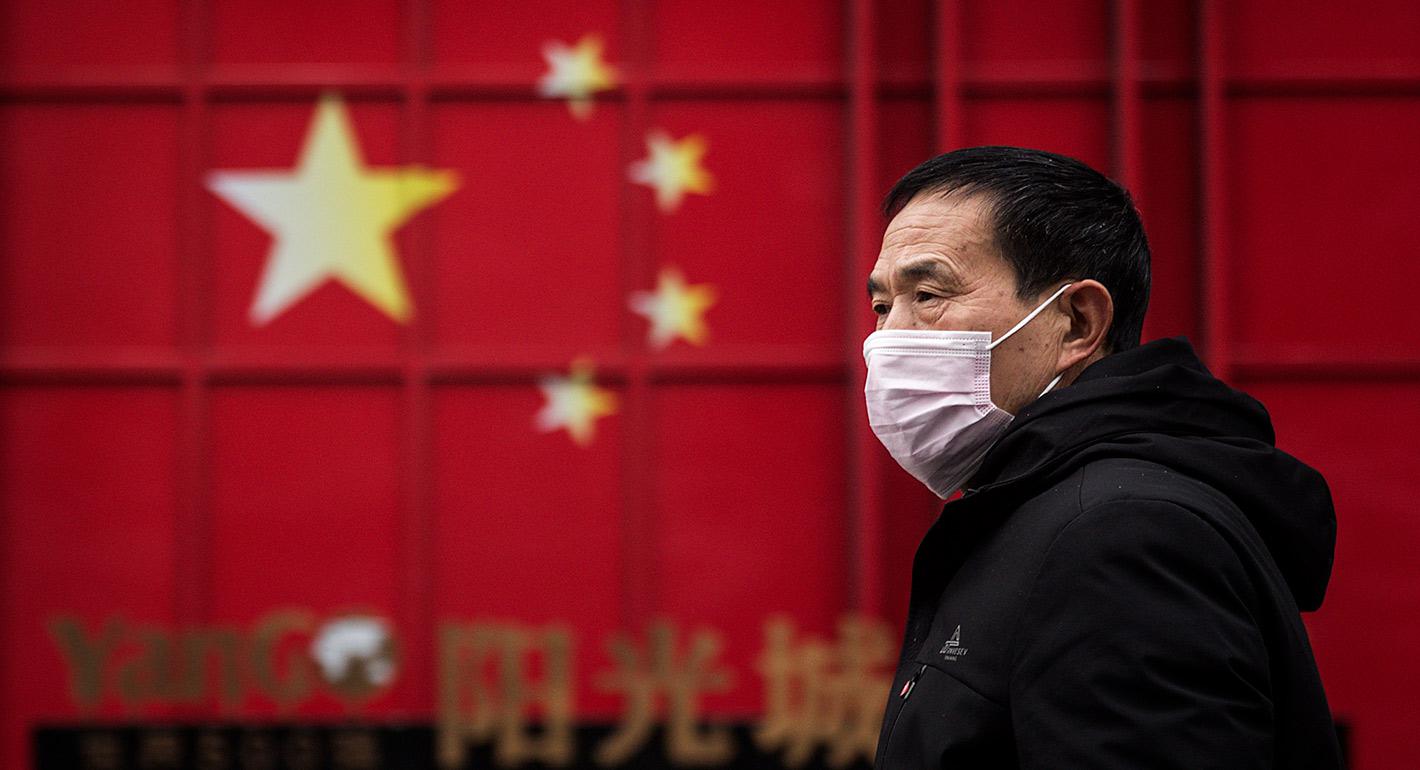
As the coronavirus has spread, mistrust between the United States and China has hampered the global coordination such a crisis requires. Both countries share responsibility for failing to cooperate. Beijing’s lack of transparency about the true extent of the outbreak, due to political imperatives and economic concerns, fueled suspicions from the outset. Prior to the outbreak of the virus in the United States, Washington offered aid and assistance that China was reluctant to accept, though U.S. health experts were eventually allowed to join the visiting World Health Organization (WHO) delegation. Later, Beijing criticized the United States for being one of the first countries to impose restrictions on those traveling from China.
Meanwhile, U.S. President Donald Trump’s administration has pursued policies, all born of a broad rejection of engagement, that have left the United States poorly positioned to respond to a pandemic. Under previous administrations, the U.S. Centers for Disease Control and Prevention maintained a substantial presence on the ground in China. U.S. public health experts established relationships with Chinese counterparts and instituted procedures that were called upon when the severe acute respiratory syndrome (SARS) outbreak took place in 2002 and 2003. The Trump administration has rolled back much of that presence.
There is little reason to expect this dynamic to change now that China appears to be reining in the virus, while its spread accelerates in the United States. In February, Senator Tom Cotton made unsubstantiated claims that the virus may have originated in a Chinese lab or as a bioweapon. Already, Beijing’s propaganda machine is crediting the Chinese Communist Party and political system with having reduced the global threat. The Chinese Ministry of Foreign Affairs has even claimed the virus did not originate in China.
How will the outbreak affect the U.S.-China trade deal?
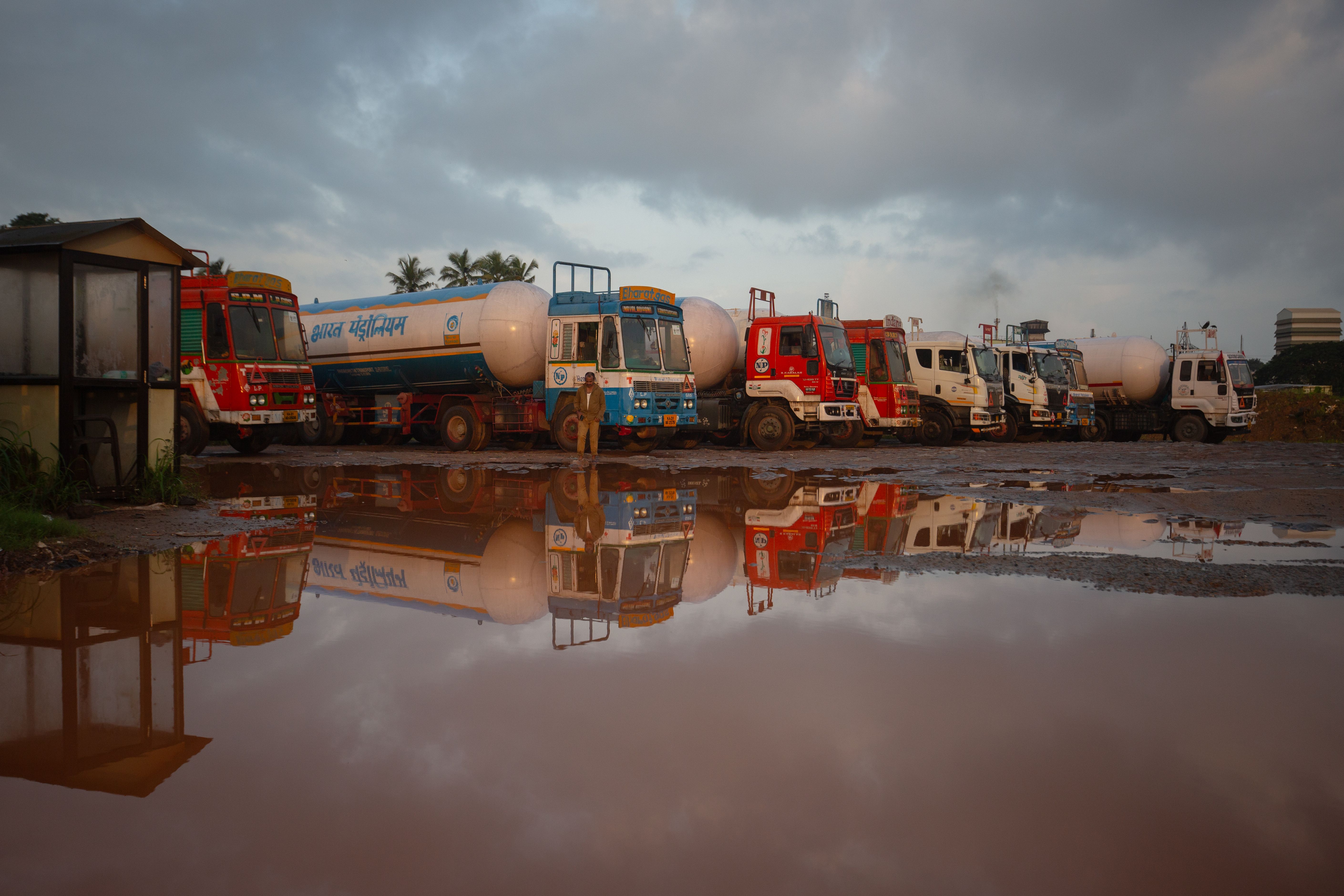
It is difficult to tell how much of an impact the coronavirus will have on the phase-one trade deal that took effect in February. Beijing recently affirmed its intent to follow through. Although there are concerns Beijing may not be able to meet commitments to buy an additional $200 billion in U.S. goods within two years, most of that pledge is backloaded, with only about $75 billion in purchases scheduled for 2020. If faced with difficulties, Beijing could invoke the deal’s force majeure clause, as the China National Offshore Oil Corporation has already done to cancel several liquefied natural gas contracts.
For its part, the Trump administration has sent mixed messages about the deal. White House economic adviser Larry Kudlow said the virus could delay agricultural purchases and other aspects of the deal. U.S. Trade Representative Robert Lighthizer and Secretary of Agriculture Sonny Perdue, however, repudiated Kudlow’s comments. Instead, they confirmed that China is making progress on its agricultural purchase commitments and is loosening other trade restrictions; in a joint statement, Perdue said they “fully expect compliance with all elements of the deal.”
Treasury Secretary Steven Mnuchin similarly said on February 23 that he doesn’t expect the coronavirus to have any material effect on the phase-one deal, though he mentioned that the outbreak could delay negotiations on phase two. But, when asked on March 3 whether the administration would consider suspending tariffs on China and Europe, Mnuchin acknowledged the administration would “look at all the options” as the economic impact of the virus became more apparent. Unsurprisingly, the Global Times was quick to say a suspension of tariffs would represent a turning point in the trade war.
If either side struggles to meet its commitments, the coronavirus could offer an out. As the U.S. presidential race picks up, Trump will likely do everything he can to prevent the deal from falling apart or being pilloried as a failure. Beijing is equally eager to keep the deal in place to avoid a return to previous tariff levels and increased uncertainty, especially amid efforts to jumpstart the Chinese economy.
What will the coronavirus mean for the Belt and Road Initiative?
Reports have emerged detailing significant delays to Belt and Road Initiative (BRI) infrastructure projects in Bangladesh, Indonesia, Nepal, and Sri Lanka due to the coronavirus. Restrictive travel bans have prevented Chinese workers from returning to BRI worksites abroad, while the shutdown of Chinese factories that supply machinery and raw materials for BRI projects has hindered projects from moving forward. These delays could place further strains on countries already struggling with heavy debt burdens.
Furthermore, China’s economic standstill in the first quarter of 2020 will undoubtedly prompt a government response, likely in the form of interest rate cuts, increased lending, and fiscal stimulus measures. Even if the economy recovers, the government will face pressure to invest resources domestically rather than overseas.
Despite major setbacks, Beijing is unlikely to abandon the BRI anytime soon. Just as the trade deal is central to Trump’s agenda, the BRI is a symbol of China’s emergence as a great power and is a signature project of Chinese President Xi Jinping. China’s development bank recently issued a statement announcing plans to support BRI companies affected by the coronavirus.
Countries that have benefited from the immense investment and development opportunities the BRI provides, such as Cambodia, have also come to China’s defense during the outbreak. Cambodian Prime Minister Hun Sen, the first foreign leader to travel to Beijing following the virus’s outbreak, criticized other countries for implementing extreme restrictions on travelers from China and continues to maintain open borders. In response, Xi told Hun Sen that “a friend in need is a friend indeed.”
Once the coronavirus is brought under control, countries still struggling to rebound from the related economic shocks could use the outbreak as an excuse to abandon unsuccessful or politically unpopular projects. Conversely, Beijing may find new opportunities to expand the BRI’s footprint in countries seeking to foster economic development.
What broader economic challenges does the outbreak pose for both China and the United States?
Beijing is increasingly concerned about permanent damage to the Chinese economy and to the country’s pivotal role in global supply chains. Chinese leaders are trying to strike the right balance between resuming business activity and avoiding a possible spike in cases as people return to work. With economists warning of a global recession, however, economic policymakers and central bankers have begun to coordinate a response. But if U.S.-China tensions prevent the two countries from cooperating as closely as they did during the 2008 financial crisis, the effectiveness of any global response could be severely limited.
In the United States, the coronavirus has amplified calls to decouple from China. The outbreak is adding to the concerns of multinational corporations with supply chains based in China, many of which have seen business curbed by Beijing’s lack of transparency and extreme, swiftly imposed measures. Companies that had been considering diversifying their supply chains because of the U.S.-China trade war are likely to feel further validated and accelerate their plans. Apple, for example, reportedly intends to shift at least some manufacturing of its products (including AirPods and Apple Watches) to Taiwan due to the challenges the coronavirus poses. In Washington, members of Congress have used the outbreak to call for scaling back U.S. reliance on China for prescription drugs, medical supplies, and other critical resources.
How might China’s response to the coronavirus change its standing in the international community?
The coronavirus has renewed concerns in the United States and other Western countries over Beijing’s growing influence in key global governance institutions. China’s lack of transparency at the beginning of the outbreak could raise further questions about its readiness to assume the mantle of global leadership at the scale Xi envisions.
Past public health crises such as SARS, Ebola, and mad cow disease forced the WHO to contend with countries that were balancing health concerns with economic and political consequences. The growth of China’s influence in international institutions has amplified those concerns and led to questions about whether the WHO can truly serve as a neutral arbiter in times of crisis.
In the early stages of the coronavirus outbreak, observers criticized the WHO for its delay in designating the outbreak a public health emergency—a decision some diplomats have attributed to pressure from Beijing. Moreover, Taiwan has not been allowed to attend WHO emergency meetings and briefings on the crisis, despite its rapid response to contain the virus’s spread.
The crisis could also reinforce in Beijing the need to continue building its own parallel global governance institutions. According to reporting by Axios, Chinese think tanks are already floating the idea of a “Beijing-led global health organization that would rival the WHO.”
However the coronavirus outbreak unfolds, it is clear that the public health emergency has further strained an already fraught U.S.-China relationship and underscored questions about China’s place in an increasingly interconnected world.
The author is grateful for research assistance provided by Lucas Tcheyan, Ethan Paul, Bernice Xu, and Duan Nongyu.