• Research
  • About
  • Experts
Carnegie India logoCarnegie lettermark logo
Technology
{
  "authors": [
    "Lyu Jinghua"
  ],
  "type": "legacyinthemedia",
  "centerAffiliationAll": "",
  "centers": [
    "Carnegie Endowment for International Peace",
    "Carnegie China"
  ],
  "collections": [
    "Major Power Tech Relations"
  ],
  "englishNewsletterAll": "",
  "nonEnglishNewsletterAll": "",
  "primaryCenter": "Carnegie Endowment for International Peace",
  "programAffiliation": "",
  "programs": [
    "Technology and International Affairs"
  ],
  "projects": [],
  "regions": [
    "Iran",
    "East Asia",
    "China"
  ],
  "topics": [
    "Technology",
    "Economy",
    "Security"
  ]
}
In The Media

The Race of Chinese Companies in the 5G Competition

With the potential of enabling not only significant economic growth but also the innovation of critical technologies in various fields, both the United States and China view 5G as one of the key influencing factors in the “great power competition.”

Link Copied
By Lyu Jinghua
Published on Sep 18, 2020

Source: Italian Institute for International Political Studies

With the potential of enabling not only significant economic growth but also the innovation of critical technologies in various fields, both the US and China view 5G as one of the key influencing factors in the “great power competition”. While the US believes that “the race to 5G is a race America must win”, China views it as representing the major leapfrog of its position in ICTs by describing the progress as “1G behind, 2G follow, 3G breakthrough, 4G synchronization, 5G leading”. Differently from competition in other traditional areas, companies rather than governments – the Chinese company Huawei as the most noticeable one – have played a significant role and become the pawns of the geopolitical game. Despite the obvious benefits such as lower costs and higher efficiency in using Huawei’s products, the company is now under huge pressure of being excluded from 5G networks by more and more Western economies – especially following Britain’s reversal of its decision.

All the declared concerns supporting the ban of Huawei, including the risks of surveillance and data collection and the potential vulnerabilities to cyberattacks or installed kill switches, sound reasonable at first. However, it is fair to say that these are inherent risks embedded in all ICT products. Why is Huawei so alarming, then? The frequently heard answer is that Huawei has much closer relations with the Chinse government than the usual ones, with three main accusations. Are they convincing enough?

Read Full Text

This article was originally published in the Italian Institute for International Political Studies.

Lyu Jinghua
Former Visiting Scholar, Cyber Policy Initiative
TechnologyEconomySecurityIranEast AsiaChina

Carnegie India does not take institutional positions on public policy issues; the views represented herein are those of the author(s) and do not necessarily reflect the views of Carnegie, its staff, or its trustees.

More Work from Carnegie India

  • Commentary
    AI Adoption Journey for Population Scale

    Connecting real-world AI use cases across sectors such as health, education, agriculture, and livelihoods can help policymakers, innovators, and institutions align around a shared goal. This article looks at a framework ensuring that AI works for everyone.

      Shalini Kapoor, Tanvi Lall

  • Commentary
    The Impact of U.S. Sanctions and Tariffs on India’s Russian Oil Imports

    This piece examines India’s response to U.S. sanctions and tariffs, specifically assessing the immediate market consequences, such as alterations in import costs, and the broader strategic implications for India’s energy security and foreign policy orientation.

      Vrinda Sahai

  • Article
    The State of Digital Transformation in Pacific Island Countries

    Pacific Island Countries are at a pivotal moment in their digital journeys. Across the region, there is growing recognition of digital transformation as a key driver of economic growth, resilience, and global connectivity.

      Shruti Mittal, Adarsh Ranjan

  • Article
    Revisiting the Usage of Refurbished Equipment in India’s Semiconductor Ecosystem

    This article looks at the progress of the Semiconductor Laboratory fab modernization plan based on publicly available documents, and potential learnings for future upgrades to government-owned fabs and India’s larger semiconductor ecosystem, especially regarding the use of refurbished equipment.

      Shruti Mittal, Konark Bhandari

  • Article
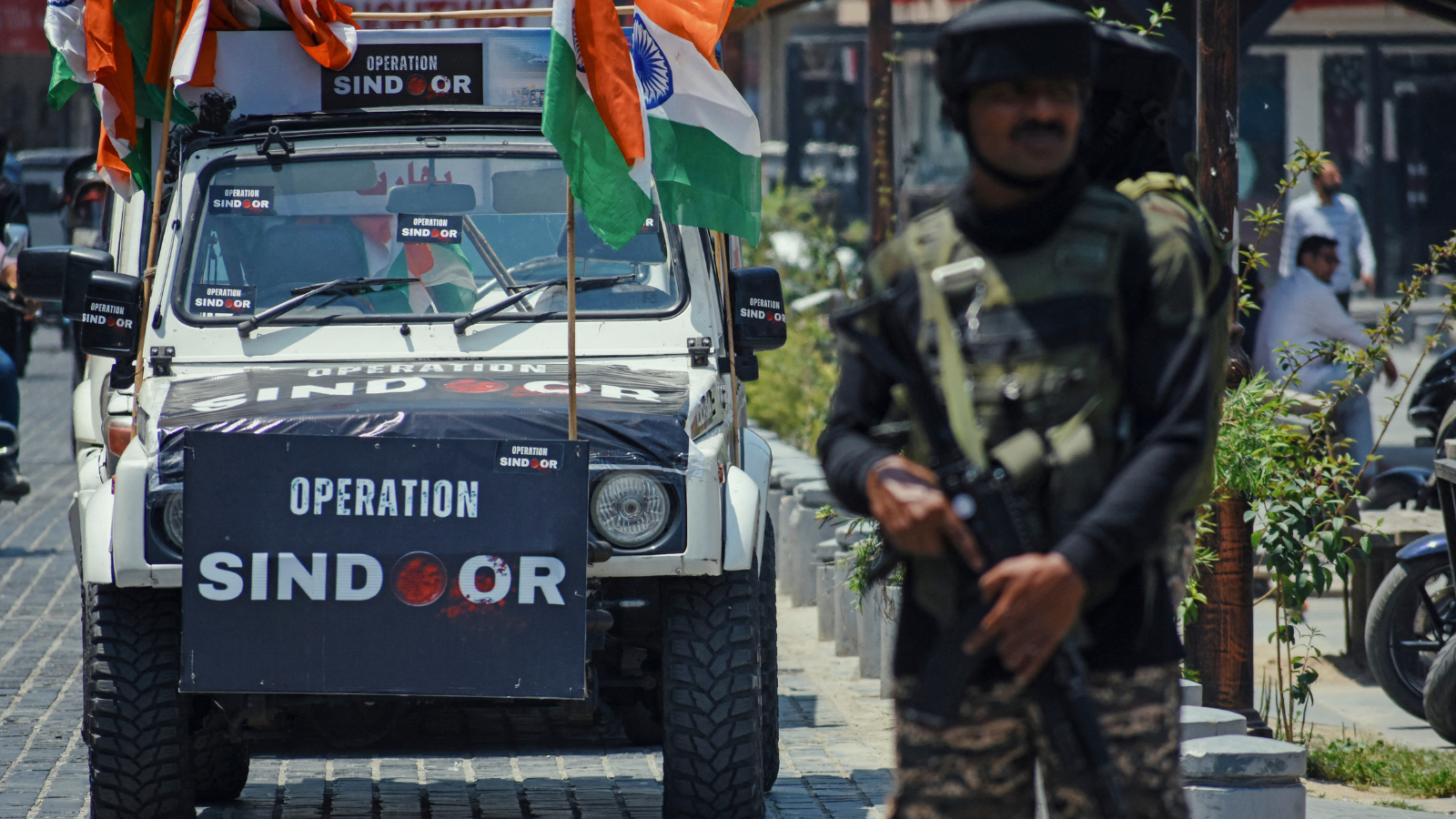
    Military Lessons from Operation Sindoor

    The India-Pakistan conflict that played out between May 6 and May 10, 2025, offers several military lessons. This article presents key takeaways from Operation Sindoor and breaks down how India’s preparations shaped the outcome and what more is needed to strengthen future readiness.

      Dinakar Peri

Get more news and analysis from
Carnegie India
Carnegie India logo, white
Unit C-4, 5, 6, EdenparkShaheed Jeet Singh MargNew Delhi – 110016, IndiaPhone: 011-40078687
  • Research
  • About
  • Experts
  • Projects
  • Events
  • Contact
  • Careers
  • Privacy
  • For Media
Get more news and analysis from
Carnegie India
© 2026 Carnegie Endowment for International Peace. All rights reserved.