

Commentary
Making fast, cross-border payments involves onerous hurdles. But progress in India points toward promising solutions.
Rajesh Bansal
{
  "authors": [
    "Dmitri Trenin"
  ],
  "type": "commentary",
  "centerAffiliationAll": "",
  "centers": [
    "Carnegie Endowment for International Peace",
    "Carnegie Russia Eurasia Center"
  ],
  "collections": [
    "The Day After: Navigating a Post-Pandemic World"
  ],
  "englishNewsletterAll": "",
  "nonEnglishNewsletterAll": "",
  "primaryCenter": "Carnegie Russia Eurasia Center",
  "programAffiliation": "",
  "programs": [
    "Russia and Eurasia"
  ],
  "projects": [],
  "regions": [],
  "topics": []
}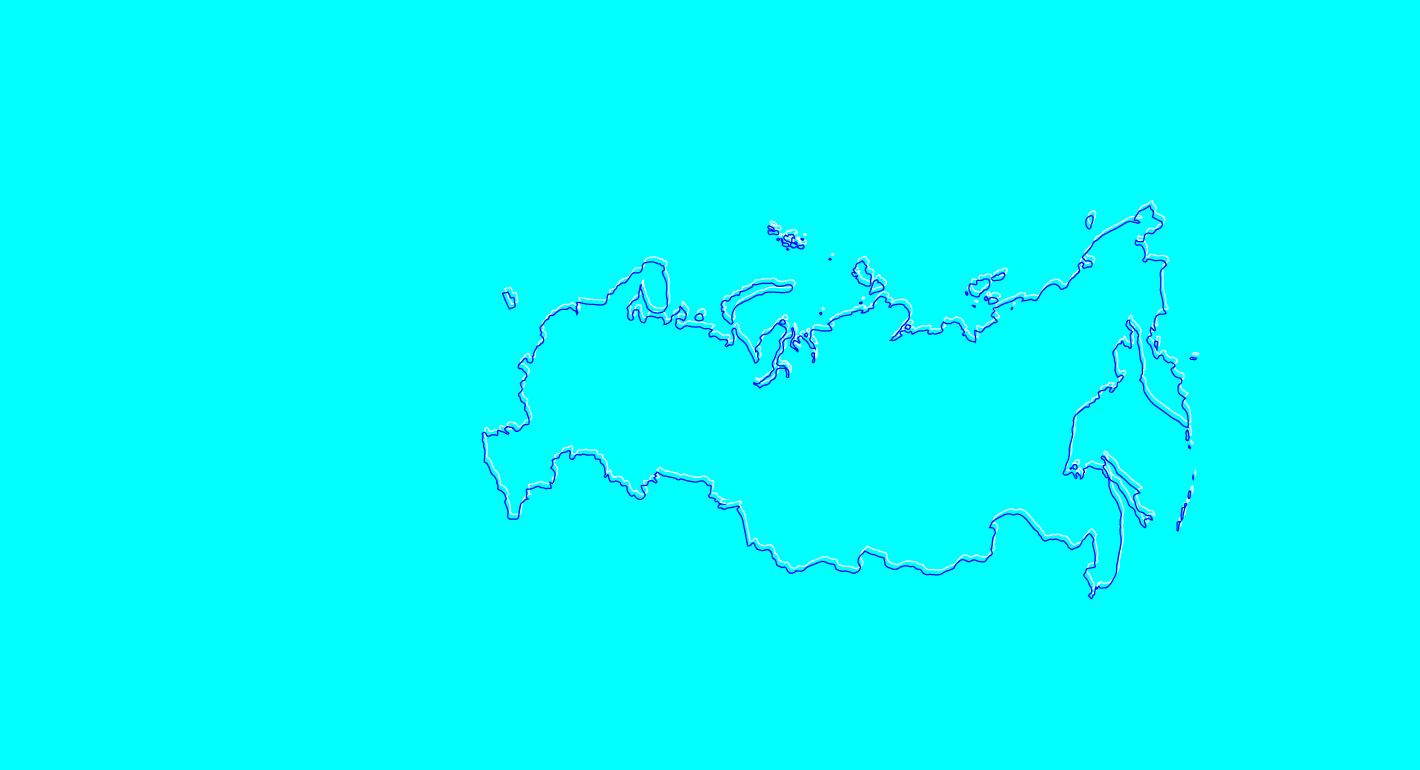
Russia has been newly assertive on the world stage, but confronting its many challenges at home and abroad may require a new foreign policy equilibrium.
As the 2020s kick off, Russia is back on the world stage as a lone power—no one’s overlord and no one’s follower. Since the start of the century, it has managed to reduce its foreign debt to a minimum, rebuild and modernize its military, and forcibly check NATO’s advance into the former Soviet territory beyond the Baltics. Moscow has sent its forces beyond the frontiers of the ex-USSR on a successful campaign in the Middle East.
Russia is back on the world stage as a lone power—no one’s overlord and no one’s follower.
Nevertheless, Russia faces a set of serious challenges.
Looking far west, there is a systemic confrontation with the United States, laden with the threat of an inadvertent collision that could potentially lead to nuclear war. In fact, preventing a war by mistake is the only real item on the Russian-U.S. agenda and will remain so for the foreseeable future. With arms control on the way out, Russia invests in nuclear deterrence as its only security guarantee.
Closer to home is Europe, over which Russia has less influence than it has had at any point in the past three centuries. Russia’s closest European neighbors see the state as an adversary and welcome forward U.S. military deployments to contain it. In fact, Europe’s reliance on NATO and the United States has grown, despite recent strains in EU-U.S. relations. European economic sanctions against Russia are likely to stay in force indefinitely.
Ukraine, for all its domestic infighting, views Russia as an enemy. The conflict in Ukraine’s eastern Donbas region is unlikely to be resolved even in the medium term and will continue at a low intensity. Meanwhile, next door in Belarus, a separate political nation is emerging that is committed to its country’s independence.
Looking south, Russia has won a military campaign in Syria and involved itself again in the messy and treacherous geopolitics of the Middle East. Relations with Iran, Saudi Arabia, and Turkey are all useful but highly volatile. There are short-term benefits, such as new arms contracts and investment flows from the Gulf, but also long-term questions about Russia’s goals and strategy in the region.
Confrontation with the United States and alienation from Europe push Russia even further toward China than Moscow would wish to go.
Confrontation with the United States and alienation from Europe push Russia even further toward China than Moscow would wish to go. Relations with China have deepened, but the asymmetry in power suggests that getting too dependent on Beijing in economic and technological terms could make it harder for Russia to stand its ground than it has been against a familiar adversary such as the United States.
A balanced foreign policy requires strengthening frayed ties with Europe, historically Russia’s main source of advanced technology and investment; engaging more closely with Japan, a similar resource for modernization; and expanding the material base of its relationship with India beyond traditional state-run projects such as arms transfers and energy cooperation. Collaboration on information technology is particularly promising.
To preserve its independence amid U.S.-China bipolarity, Russia also needs to address its many domestic weaknesses—demographic, economic, political, societal, and technological. Punching above its weight internationally may shore up Russia’s self-respect, but any gains will be lost unless the country does its homework. Russia’s business is, above all, Russia itself.
Carnegie India does not take institutional positions on public policy issues; the views represented herein are those of the author(s) and do not necessarily reflect the views of Carnegie, its staff, or its trustees.
Making fast, cross-border payments involves onerous hurdles. But progress in India points toward promising solutions.
Rajesh Bansal

Deepening ties with its Asian neighbors will be a challenging but vital component of India’s post-pandemic recovery.

Srinath Raghavan

India could play a leading role in establishing multilateral data governance, but it will have to back away from protectionist impulses.

Rudra Chaudhuri