Rapprochement or Rivalry? Russia-China Relations in a Changing Asia
U.S., Russian, and Chinese scholars analyze the most important issues posed by the relationship between China and Russia, and weigh the prospects for real cooperation between Russia, a severely weakened power, and China, a power on the rise.
The emerging relationship between China and Russia is perhaps the most important force redefining international relations in post-Cold War Asia. In recent years, Russia and China have built a strategic partnership aimed at the 21st century—a development that deeply worries some Western observers and puzzles others.
In this first comprehensive study of Russian-Chinese relations, Sherman Garnett and a team of fifteen U.S., Russian, and Chinese scholars analyze the most important issues posed by the relationship, including: cross-border trade, the impact of Russia’s center-periphery politics, migration, arms sales, and (mis)perceptions of one another. The book assesses what will be one of the most important relationships, economically and strategically, in the dynamic region stretching from Central Asia to the Far East. It also weighs the prospects for real cooperation between Russia, a severely weakened power, and China, a power on the rise.
Contributing authors include: Sherman Garnett, Harry Gelman, Li Jingjie, Michael McFaul, Lu Nanquan, Kathleen Newland, Martha Brill Olcott, Gilbert Rozman, Judith Thornton, Dmitri Trenin, Tamara Troyakova, Galina Vitkovskaya, Alexei Voskressenski, Elizabeth Wishnick, and Zhanna Zayonchkovskaya.
Advance Praise
“…[T]his is an informative and broadly balanced set of contributions which focus coherently on the key issues in the bilateral relationship.” —Roland Dannreuther, Geneva Centre for Security Policy
Carnegie India does not take institutional positions on public policy issues; the views represented herein are those of the author(s) and do not necessarily reflect the views of Carnegie, its staff, or its trustees.
This piece examines India’s response to U.S. sanctions and tariffs, specifically assessing the immediate market consequences, such as alterations in import costs, and the broader strategic implications for India’s energy security and foreign policy orientation.
This paper examines the evolution of India-China economic ties from 2005 to 2025. It explores the impact of global events, bilateral political ties, and domestic policies on distinct spheres of the economic relationship.
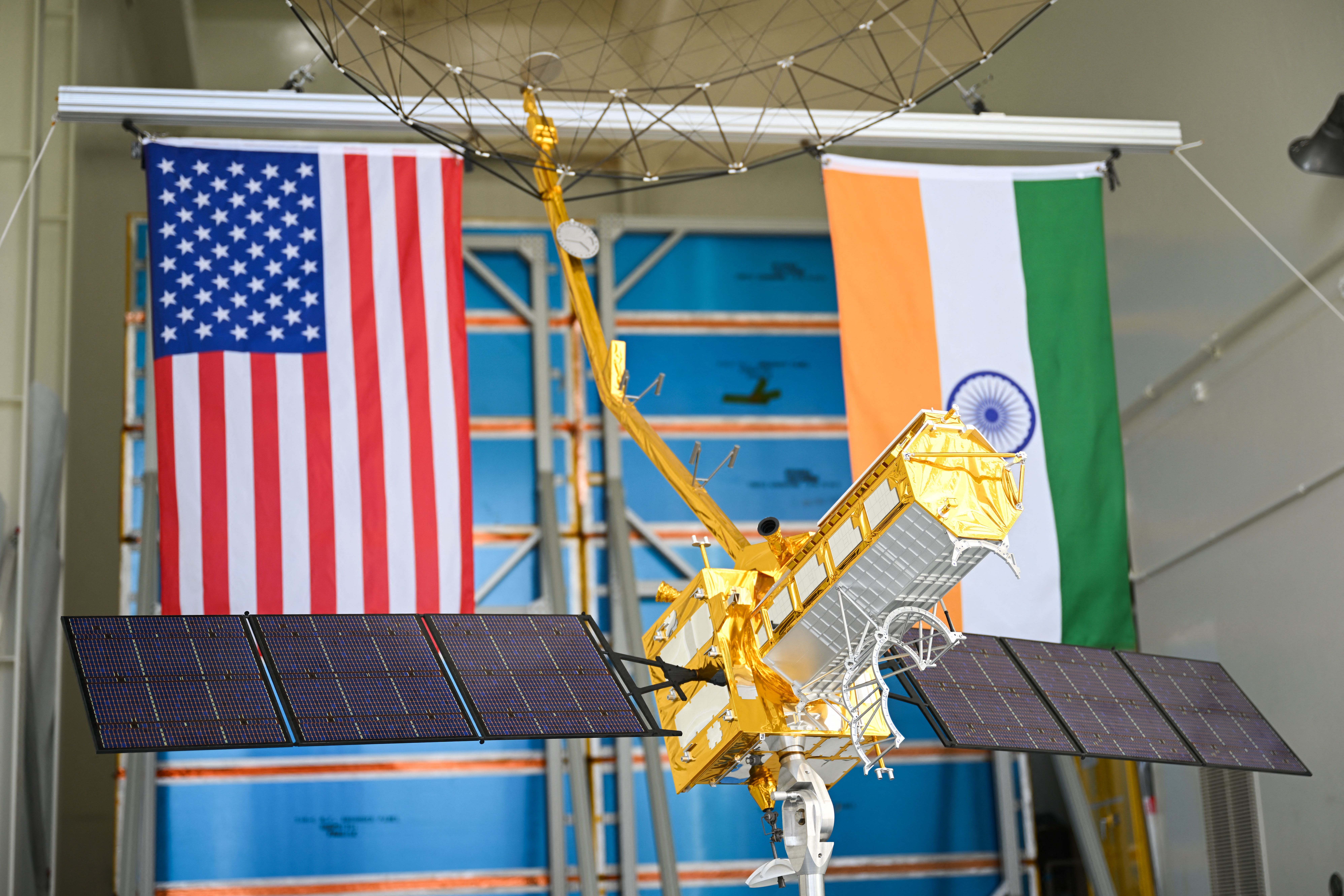
On July 30, 2025, the United States announced 25 percent tariffs on Indian goods. While diplomatic tensions simmered on the trade front, a cosmic calm prevailed at the Sriharikota launch range. Officials from NASA and ISRO were preparing to launch an engineering marvel into space—the NASA-ISRO Synthetic Aperture Radar (NISAR), marking a significant milestone in the India-U.S. bilateral partnership.
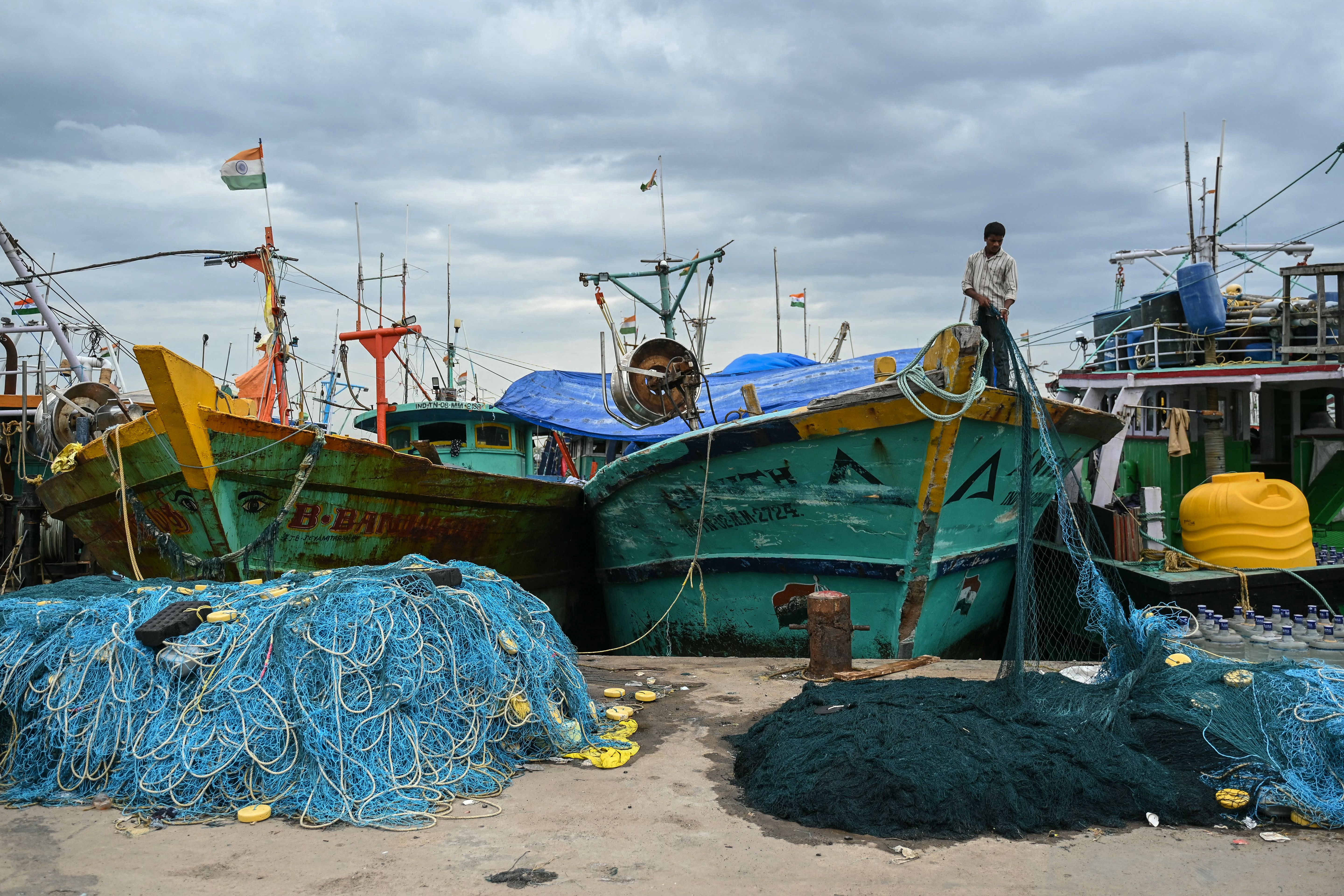
This article examines the scale and impact of Chinese IUU fishing operations globally and identifies the nature of the challenge posed by IUU fishing in the Indian Ocean Region (IOR). It also investigates why existing maritime law and international frameworks have struggled to address this growing threat.
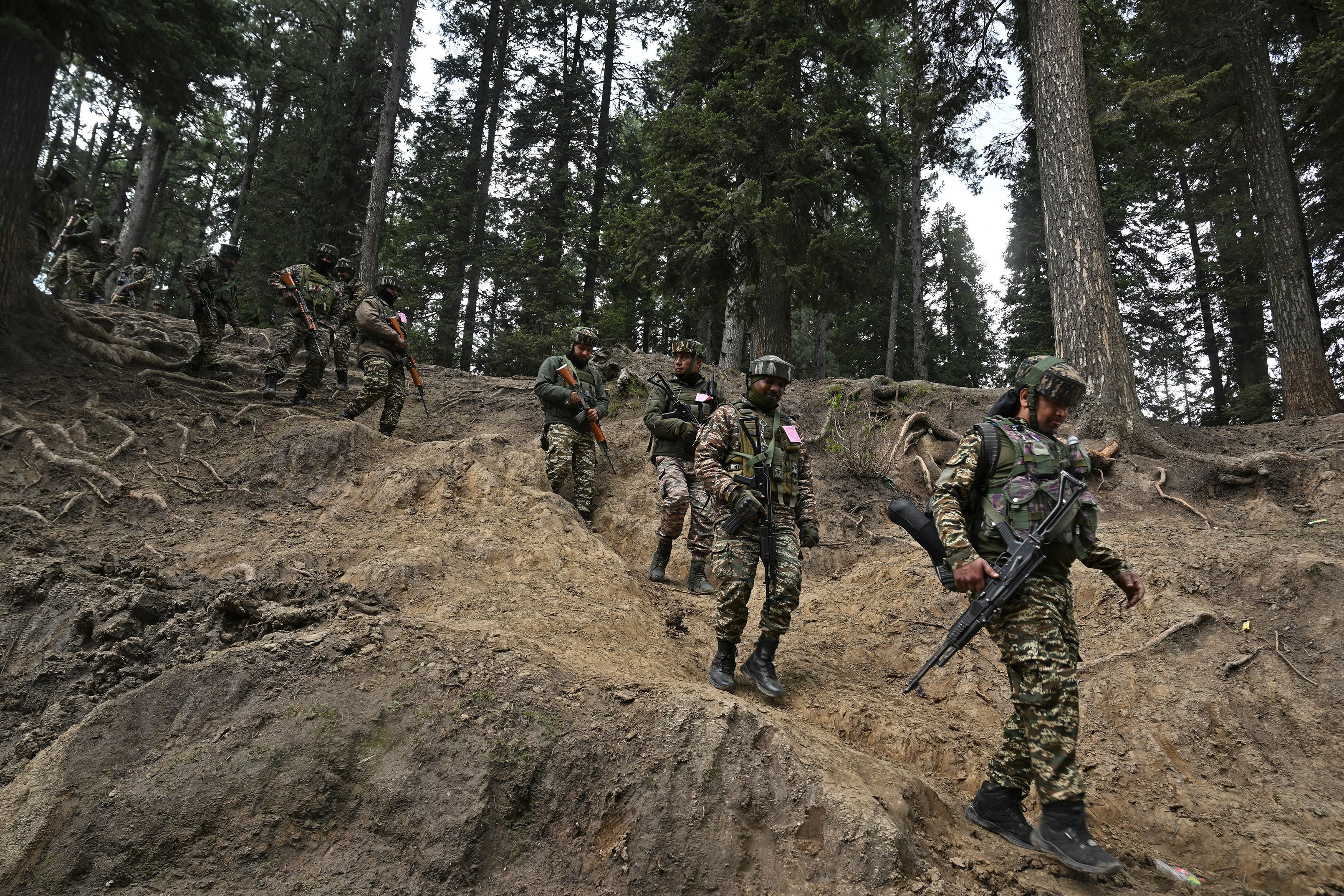
On May 7, 2025, between 1:05 and 1:30 a.m. (IST), airstrikes carried out by the Indian Air Force hit nine locations inside Pakistan and Pakistan occupied Kashmir (PoK). It was codenamed Operation Sindoor.