

Commentary
The objective is to lock Hamas out of political life, but the net effect may be negative indeed.
Nathan J. Brown
{
  "authors": [
    "Nathan J. Brown"
  ],
  "type": "commentary",
  "blog": "Diwan",
  "centerAffiliationAll": "",
  "centers": [
    "Carnegie Endowment for International Peace",
    "Malcolm H. Kerr Carnegie Middle East Center"
  ],
  "englishNewsletterAll": "",
  "nonEnglishNewsletterAll": "",
  "primaryCenter": "Malcolm H. Kerr Carnegie Middle East Center",
  "programAffiliation": "",
  "programs": [],
  "projects": [],
  "regions": [
    "Palestine"
  ],
  "topics": []
}
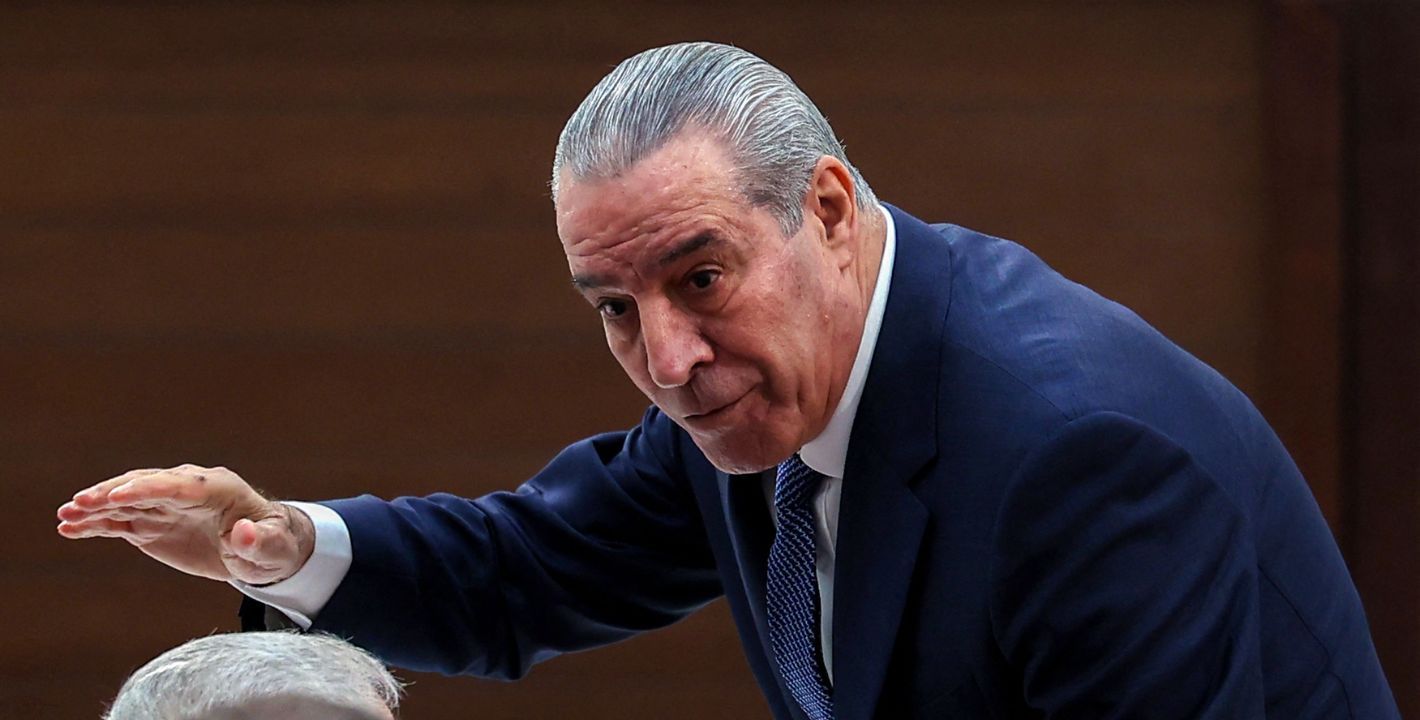
He’s Hussein al-Sheikh, and the Palestinian Authority president may have just undermined his domestic credibility.
On October 27, Mahmoud Abbas, the president of the Palestinian Authority, issued “Constitutional Declaration 1 of 2025.” It is a laconic document that lays out quite clearly that once Abbas vacates his office, his replacement for a brief interim period, renewable once, will be Hussein al-Sheikh. He is identified not by name but by title, as the vice president of the Palestine Liberation Organization’s Executive Committee.
While the language is short and clear, its form, context, and silences (as well as a bit of sloppiness) suggest something different. Perhaps to please some key international actors, perhaps to forestall pressure from others, and perhaps to resolve succession struggles in advance, Abbas has chosen a leader for Palestinians who might actually serve indefinitely. Most people—Palestinians living in the West Bank and those outside loyal to the PLO—who have been granted this successor are likely to have uncharitable readings of both the procedure and the selected candidate. The constitutional declaration is likely to make the term “Palestinian Authority leader” even more oxymoronic than it already is.
First, what is a constitutional declaration? In constitutional practice in the Arab world, such documents indicate that the effective political authority has issued an order that is to be treated as constitutional in nature, and is therefore outside the regular amendment procedure. In essence, the ruler is claiming authority to speak in a constitutional voice just because he is the ruler, a device that is rarely used. Abbas did deploy it in 2024 to issue an identically-worded order that Rawhi Fattouh would be his successor. The only difference in the later declaration was to change the name and cancel the 2024 declaration.
But if the form is dubious, what about the context? The constitutional framework for the Palestinian Authority (the Basic Law) has had important provisions suspended for almost two decades, and its succession provision designates the speaker of a parliament that Abbas disbanded. That document might be broken, but why not amend it rather than issue a free-standing edict? And why act now if that long-existing vacuum was filled a year ago with the 2024 declaration? And why not use the “interim constitution” now being drafted by a committee and promised for later this year?
There are likely international and domestic factors at play. Globally, President Donald Trump has just mused that he would at some point express his views on Abbas’s suitability as president (at first he said he was “probably not” suitable, before recalling that Abbas had complimented him). When asked about the imprisoned Marwan Barghouti as Palestinian leader, Trump said he would soon “decide” whether Israel should release him. And regionally, key Arab states have worked to reconcile divisions within the Fatah movement. Nasser al-Qudwa, the onetime Palestinian foreign minister and nephew of the late PLO chairman Yasser Arafat, who was expelled in 2021 for his involvement with an independent electoral slate (along with Barghouti), has just been brought back. Other influential countries have made clear their preference for some figures over others, with Mohammed Dahlan, for example, who in June 2011 was expelled from Fatah, having the support of the United Arab Emirates.
The designation of Sheikh could be related to an understanding with some of those international actors. It might be an attempt to forestall efforts to name Barghouti or sideline those now being brought back into Fatah from playing a role in the Palestinian Authority. If so, it is hard to see a warm welcome for a successor seen to be named as a result of international maneuvering and internal backstabbing. And if the declaration goes into effect, rivals for the position who have greeted it with smoldering silence may recover their voices with Abbas no longer on the scene.
What the document doesn’t say and the slippery wording may also cause some anxiety. The interim president is to serve for a “90-day term” (mudda) while new elections are being held. But if the elections cannot be held, he may serve for “another period” (fitra) only once, with the decision in the hands of the PLO’s Executive Committee, a body replete with Abbas loyalists. The length of the second period is not clearly defined, nor is the shift from the word “term” to “period” explained, though it may simply be hasty drafting. The occupant of the presidency is simply uncertain if the second period ends without an election, as seems likely in the current chaotic Palestinian environment.
In short, if Abbas were to vacate his position for whatever reason, the name of his replacement has been made clear. However, it has been done in such a way as to undermine whatever domestic credibility this individual might have.
Carnegie does not take institutional positions on public policy issues; the views represented herein are those of the author(s) and do not necessarily reflect the views of Carnegie, its staff, or its trustees.
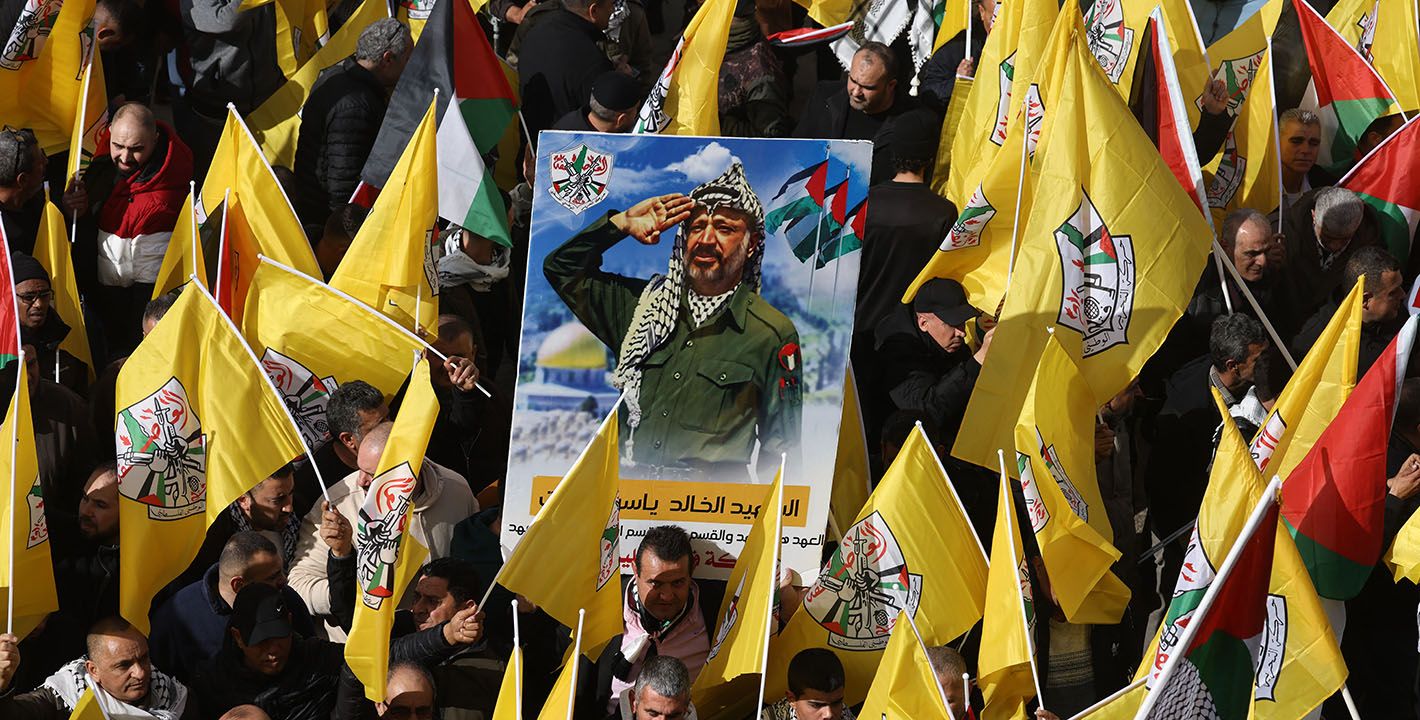
The objective is to lock Hamas out of political life, but the net effect may be negative indeed.

Nathan J. Brown

In the aftermath of the October 7 attacks, the Israelis have transformed their neighbors’ borderlands to serve their own security interests.
Armenak Tokmajyan
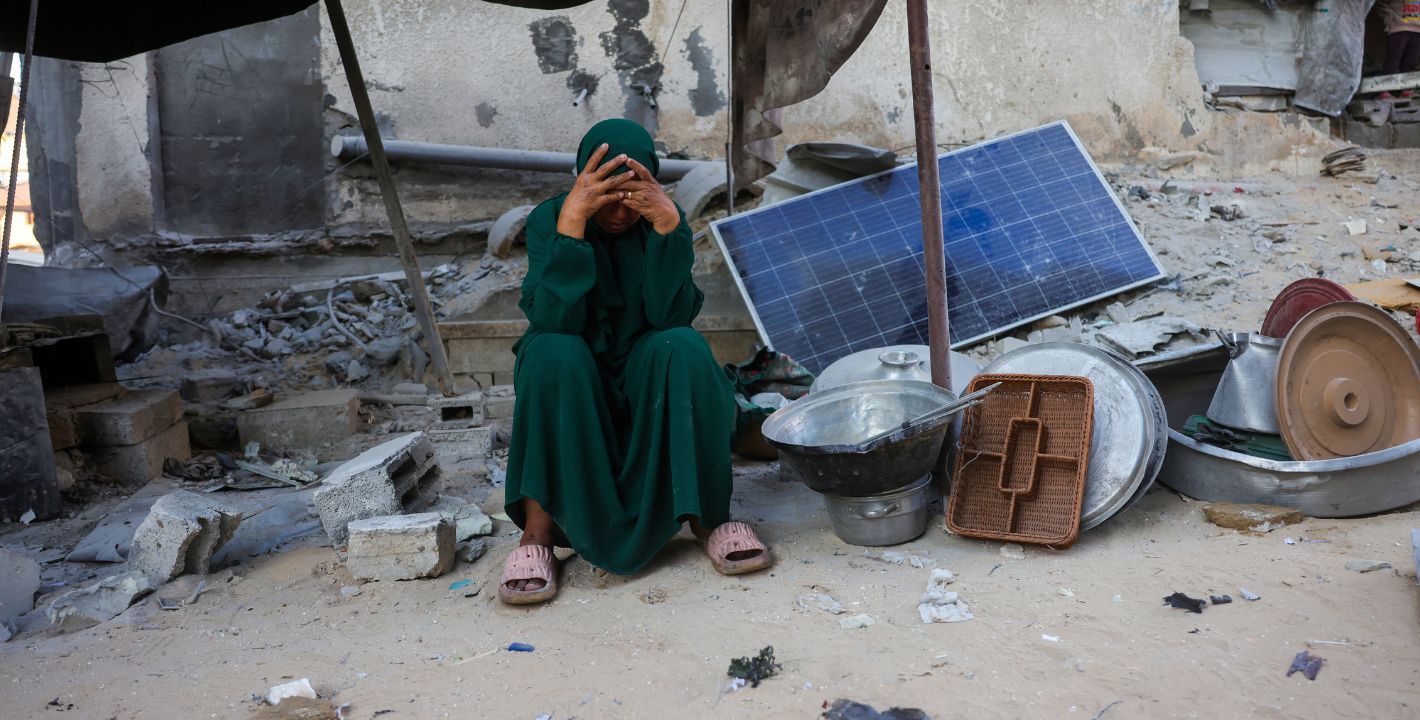
As the forever war in the territory has defined its future, this future may well be forever misery.
Nathan J. Brown
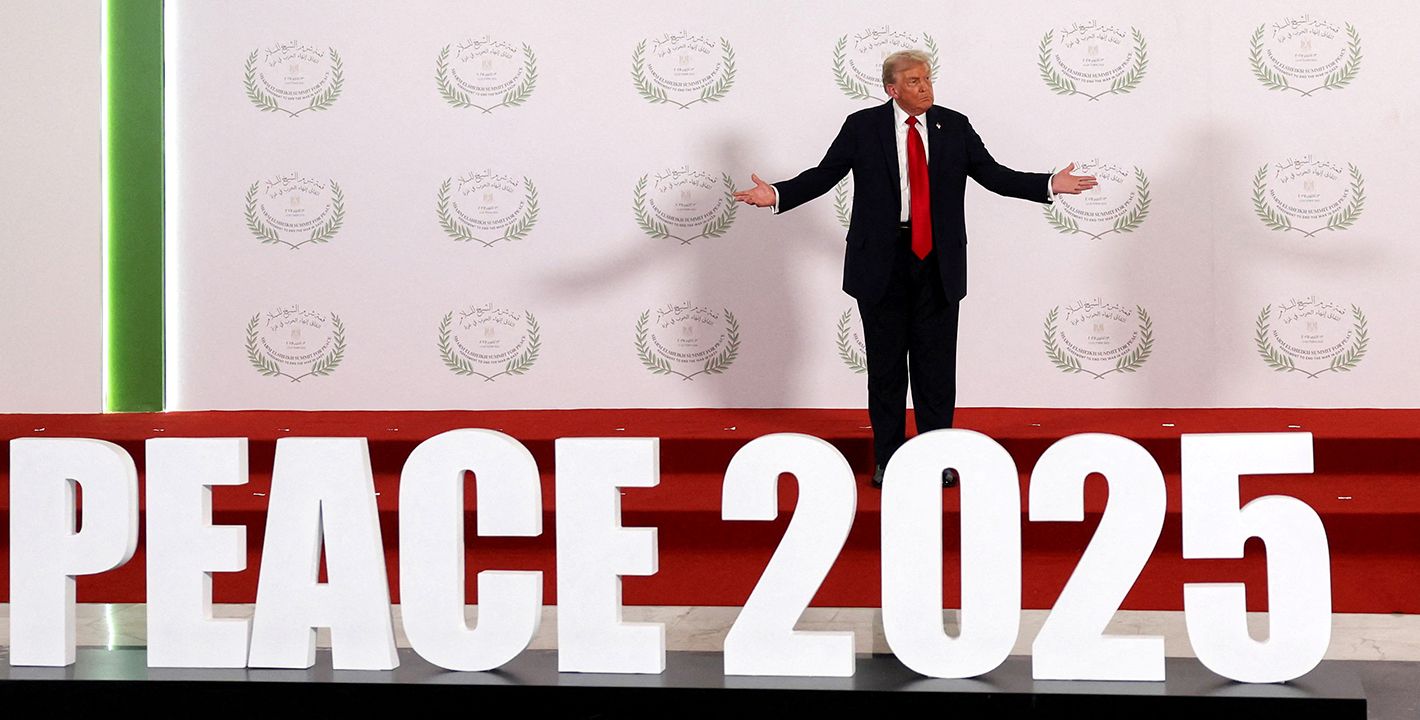
The ceremonies surrounding the apparent end of the Gaza war only concealed that very little was resolved.
Michael Young
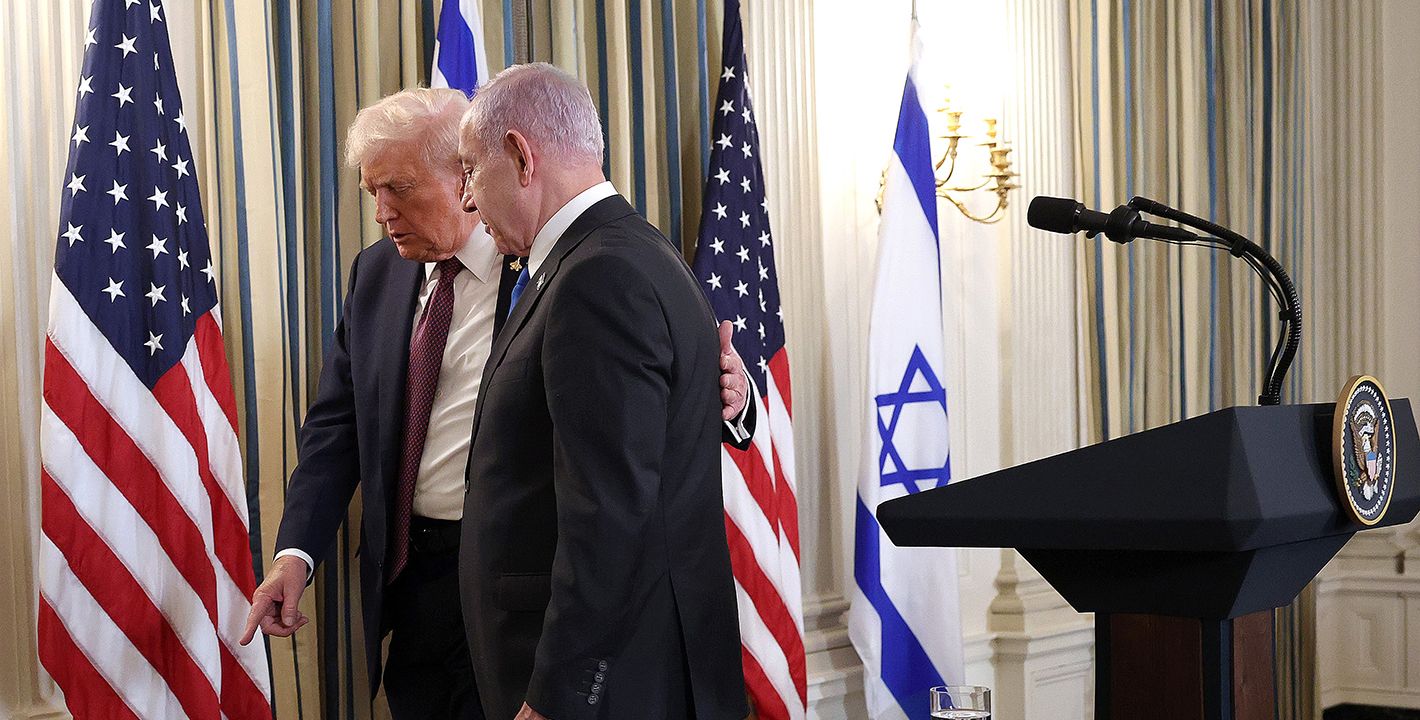
In an interview, Yezid Sayigh looks at the different dimensions of the Trump plan.
Ghida Tayara, Yezid Sayigh