

Commentary
Both events also could force Washington to rethink or revive its Middle East partnerships.
Karim Sadjadpour
{
  "authors": [
    "George Perkovich"
  ],
  "type": "legacyinthemedia",
  "centerAffiliationAll": "",
  "centers": [
    "Carnegie Endowment for International Peace"
  ],
  "collections": [],
  "englishNewsletterAll": "",
  "nonEnglishNewsletterAll": "",
  "primaryCenter": "Carnegie Endowment for International Peace",
  "programAffiliation": "",
  "programs": [
    "Nuclear Policy"
  ],
  "projects": [],
  "regions": [],
  "topics": [
    "Nuclear Policy"
  ]
}
The "first nuclear order" inherited from the Cold War is under growing pressure. Before discussing how a reformed nuclear order could be built, it is necessary to identify and discuss the basic principles defining the old order. Without this understanding the current effort will fail.
Source: Ifri Security Studies Center Proliferation Paper No. 22

Click here for other Proliferation Papers published by the Institut Français des Relations Internationales' (Ifri) Security Studies Center.
Carnegie does not take institutional positions on public policy issues; the views represented herein are those of the author(s) and do not necessarily reflect the views of Carnegie, its staff, or its trustees.
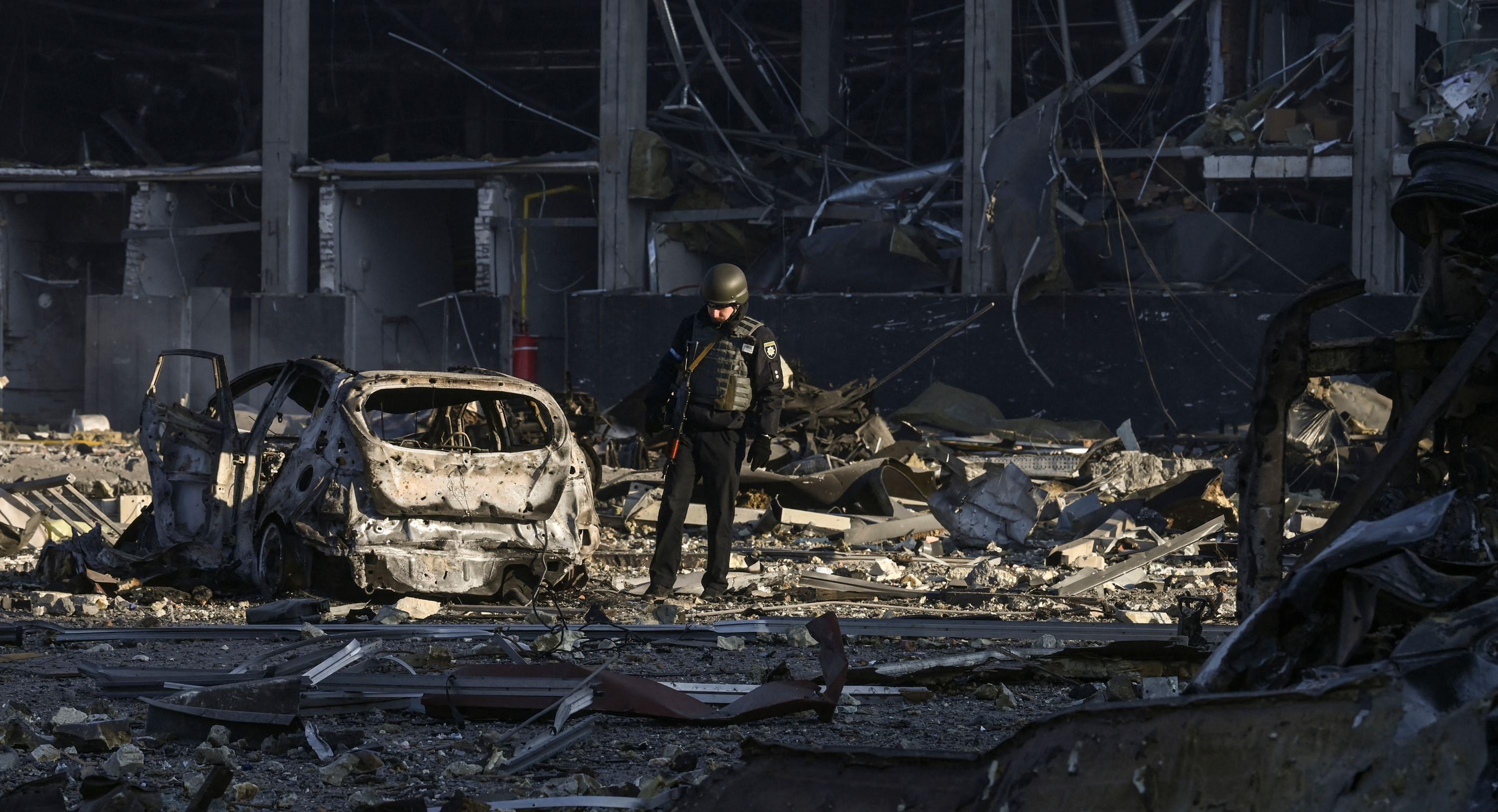
Both events also could force Washington to rethink or revive its Middle East partnerships.
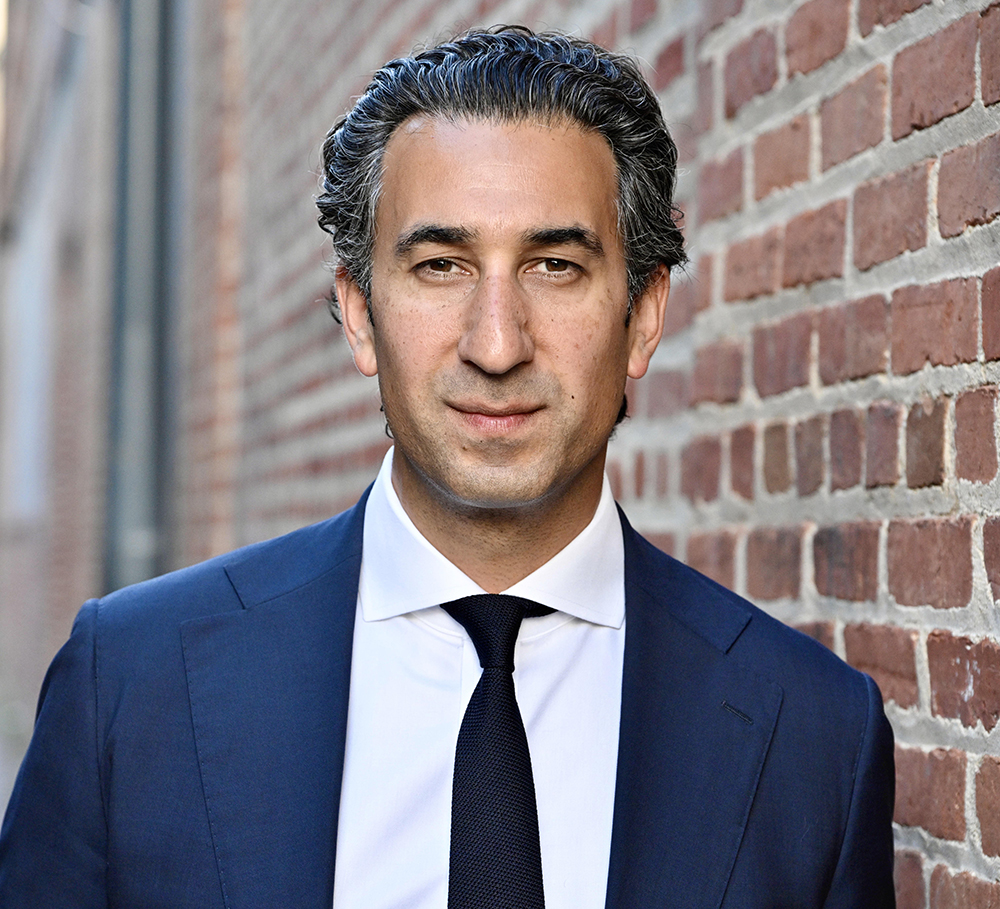
Karim Sadjadpour
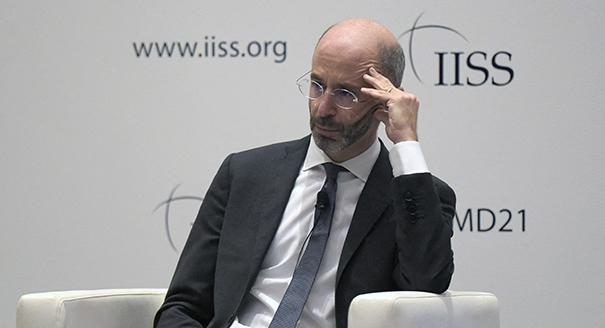
Disagreement between the United States and Iran over a revived nuclear accord may anchor volatile competition.

George Perkovich
A regular survey of experts on matters relating to Middle Eastern and North African politics and security.

Michael Young
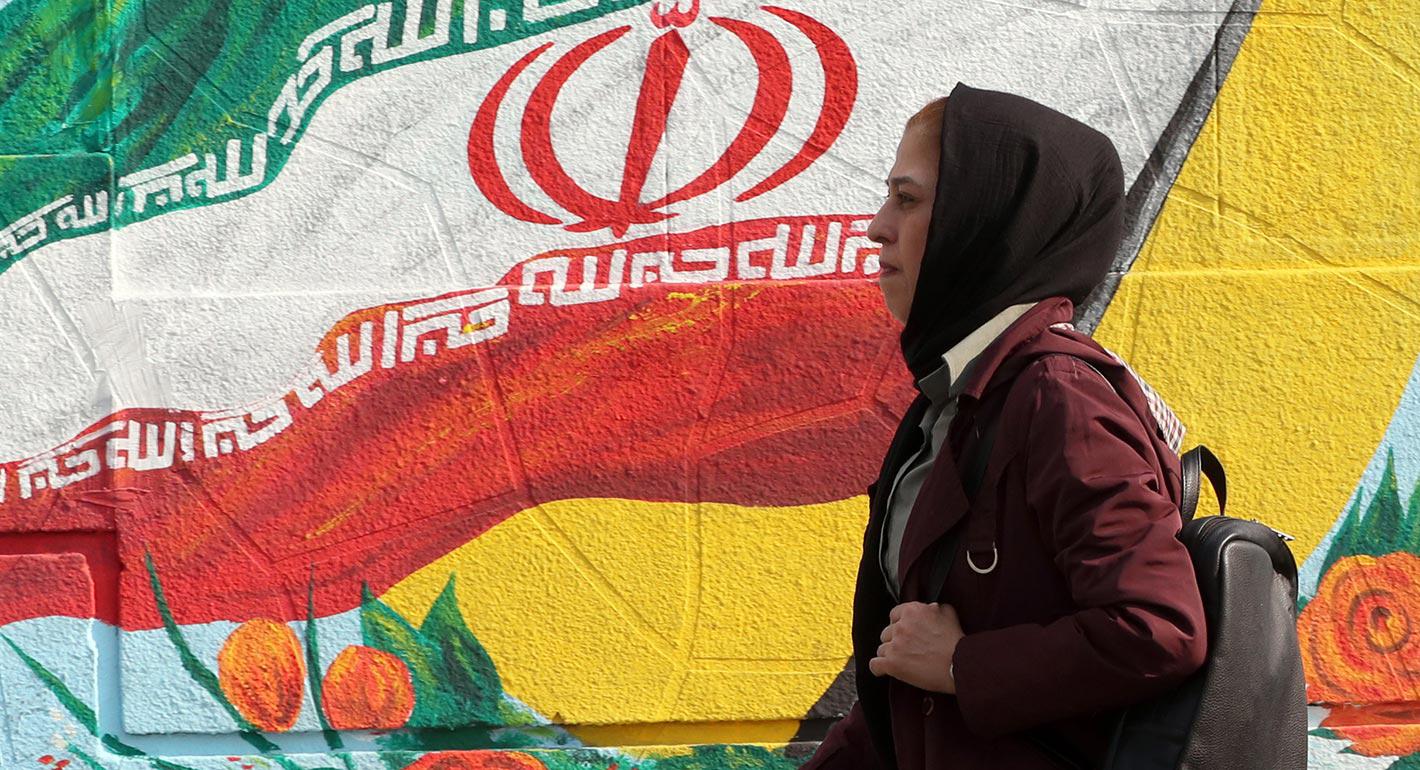
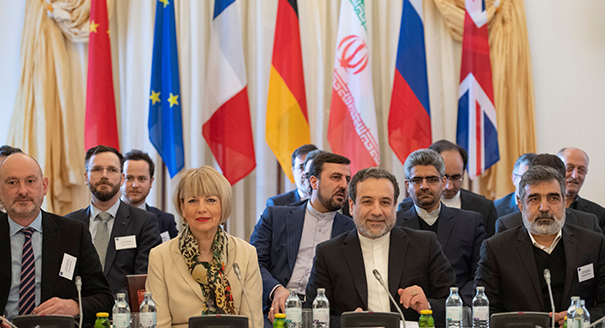
The British, French, and German foreign ministers have formally accused Iran of breaking the terms of the 2015 Iran nuclear deal, a step that could lead to sanctions. Are the Europeans preparing to pull the plug?
Jarrett Blanc
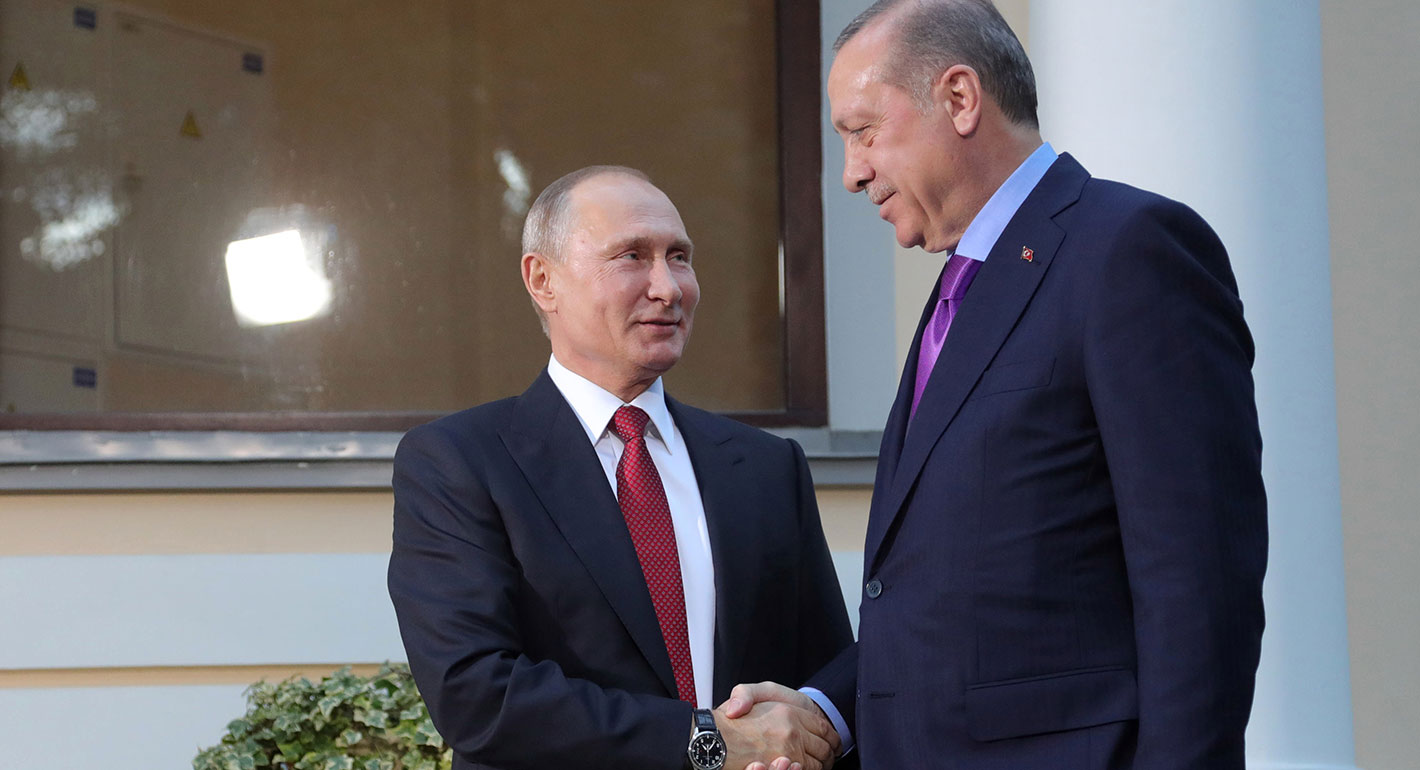
Although Turkey is not likely to pursue a nuclear weapons program, it is expanding its nuclear industry by partnering with Russia.

Mark Hibbs