• Research
  • Diwan
  • About
  • Experts
Carnegie Middle East logoCarnegie lettermark logo
PalestineSyria
{
  "authors": [
    "Pekka Sutela"
  ],
  "type": "other",
  "centerAffiliationAll": "",
  "centers": [
    "Carnegie Endowment for International Peace"
  ],
  "collections": [],
  "englishNewsletterAll": "",
  "nonEnglishNewsletterAll": "",
  "primaryCenter": "Carnegie Endowment for International Peace",
  "programAffiliation": "",
  "programs": [],
  "projects": [],
  "regions": [
    "Western Europe"
  ],
  "topics": [
    "Economy"
  ]
}
REQUIRED IMAGE

REQUIRED IMAGE

Other

Debt in Finland

Unless a major crisis erupts in Europe, Finland’s fiscal prudency and solid banks might well satisfy the markets.

Link Copied
By Pekka Sutela
Published on Dec 7, 2011
Is Finland worried that the crisis will affect its own debt ranking?
Pekka Sutela
Traditionally, Finland has been very conservative when it comes to debt. After both World War I and the Great Depression, the country took great pride in being the only debtor that repaid its debts to the United States—even with a heavy domestic cost. The wisdom of the policy can be questioned but it remains a basis of self-identification.

Today, Finland remains one of the few AAA rated countries in Europe. Most Finns find the recent increase in debt-to-GDP ratio to over 50 percent both shameful and dangerous. For several years, the difference between ten-year bond interest rates between Finland and Germany was negligible, sometimes even negative. And Finland was able to borrow at slightly better rates than Germany.

Read more

This fall, the interest rate margin between the countries has risen from about 0.2 to almost 0.6 percentage points. Over the long term, Finland is thus now seen as slightly more risky than Germany. The rise is not a major one and the risk premium still remains very small relative to what many European countries have. In the short run, it is not regarded as a particularly worrisome fact, rather as a symptom of what might happen. Also, due to cash in the treasury, as matters now stand, Finland has no need to enter bond markets for several months.

Two problems stand out. The current rainbow government, with six parties from right to left, is strong in the parliament but may lack internal cohesion when difficult decisions need to be made. Expenditure cuts are needed to send a signal to markets, and a convincing policy plan on the fiscal pressures of an aging population is still missing. But still, unless a major crisis erupts in Europe, Finland’s fiscal prudency and solid banks might well satisfy the markets.
Pekka Sutela
Former Nonresident Senior Associate, Russia and Eurasia Program
EconomyWestern Europe

Carnegie does not take institutional positions on public policy issues; the views represented herein are those of the author(s) and do not necessarily reflect the views of Carnegie, its staff, or its trustees.
More Work from Malcolm H. Kerr Carnegie Middle East Center

  • Commentary
    Diwan
    Unpacking Lebanon’s Gap Law

    In an interview, Ishac Diwan looks at the merits and flaws in the draft legislation distributing losses from the financial collapse.
      Michael Young
  • Commentary
    Diwan
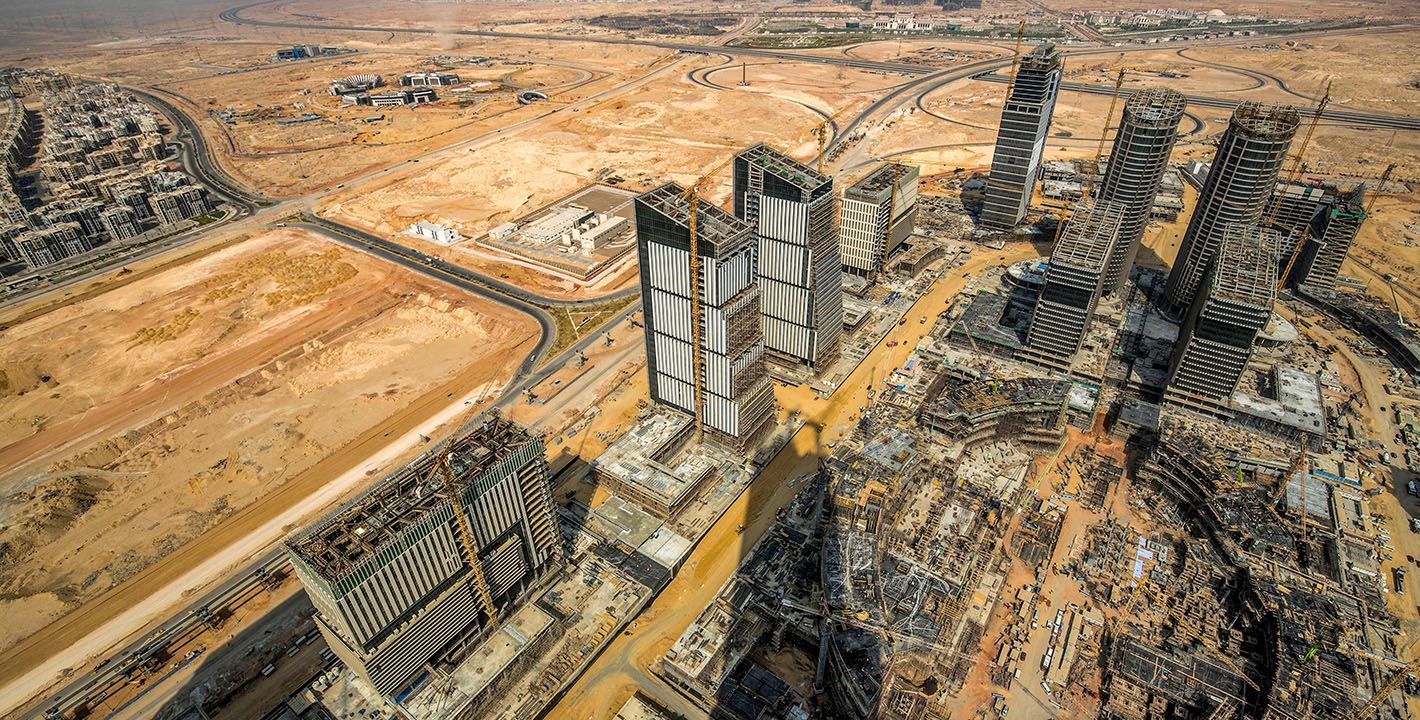
    Has Sisi Found a Competent Military Entrepreneur?

    Mustaqbal Misr has expanded its portfolio with remarkable speed, but a lack of transparency remains.

      Yezid Sayigh
  • Research
    Arab Diaspora Business Communities in Egypt

    Arab diaspora business communities in Egypt often mirror the same systemic challenges facing Egyptian businesses.

      • +4

      Nur Arafeh, Yezid Sayigh, Qaboul al-Absi, …

  • Article
    Saudi Arabia in Africa: Sound Economic and Geopolitical Strategy, or Resource Exploitation?

    Largely characterized thus far by a single-minded focus on extractivism, Riyadh must commit to greater equitability in its approach to investment and development deals with Sudan, Ethiopia, and Eritrea.

      Hesham Alghannam
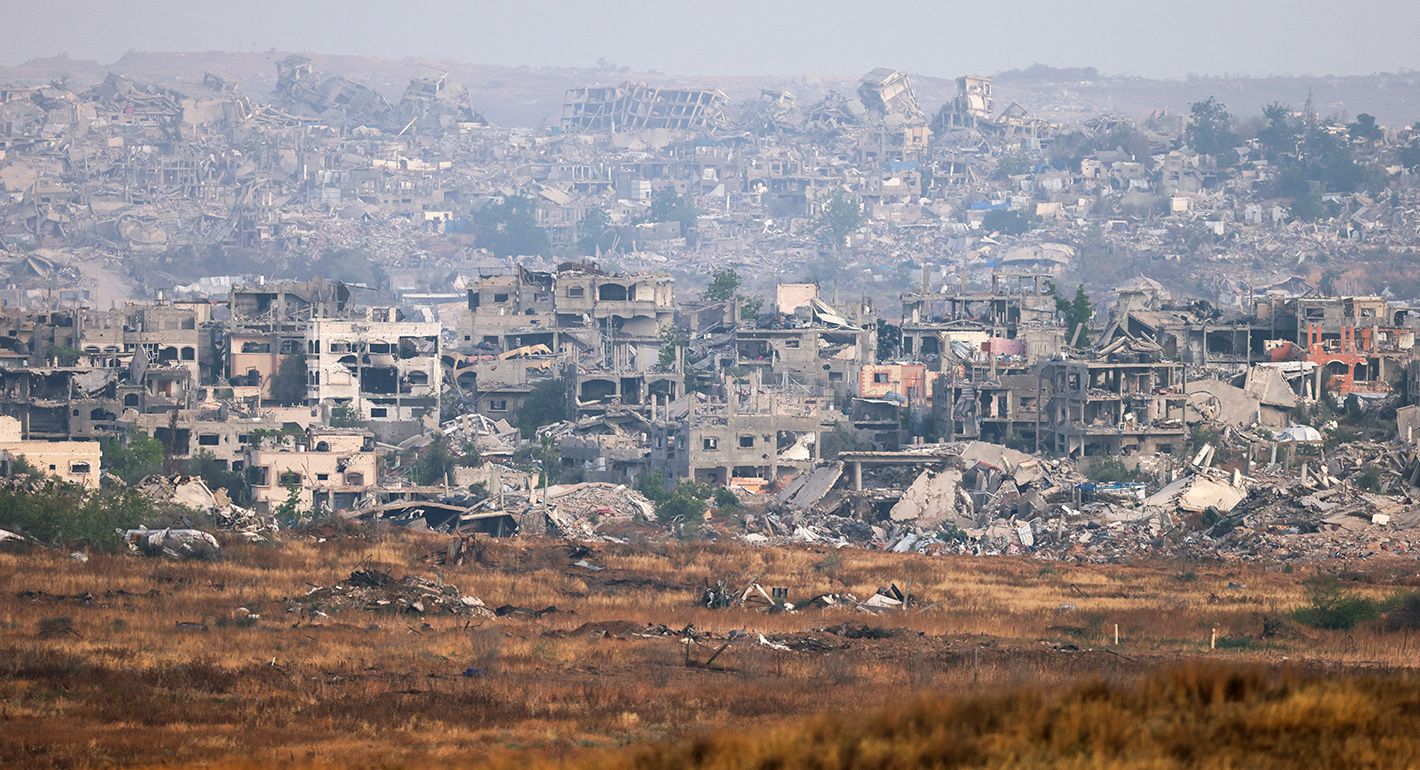
  • A picture taken from a position at the Israeli border with the Gaza Strip shows the destruction due to Israeli bombardment in the besieged Palestinian territory on May 18, 2025
    Article
    Destruction, Disempowerment, and Dispossession: Disaster Capitalism and the Postwar Plans for Gaza

    Once Israel’s war in the territory is brought to an end, the foundational principles guiding reconstruction should be Palestinian self-determination, local agency, and sovereignty.

      Nur Arafeh, Mandy Turner

Get more news and analysis from
Malcolm H. Kerr Carnegie Middle East Center
Carnegie Middle East logo, white
  • Research
  • Diwan
  • About
  • Experts
  • Projects
  • Events
  • Contact
  • Careers
  • Privacy
  • For Media
Get more news and analysis from
Malcolm H. Kerr Carnegie Middle East Center
© 2026 Carnegie Endowment for International Peace. All rights reserved.