

Commentary
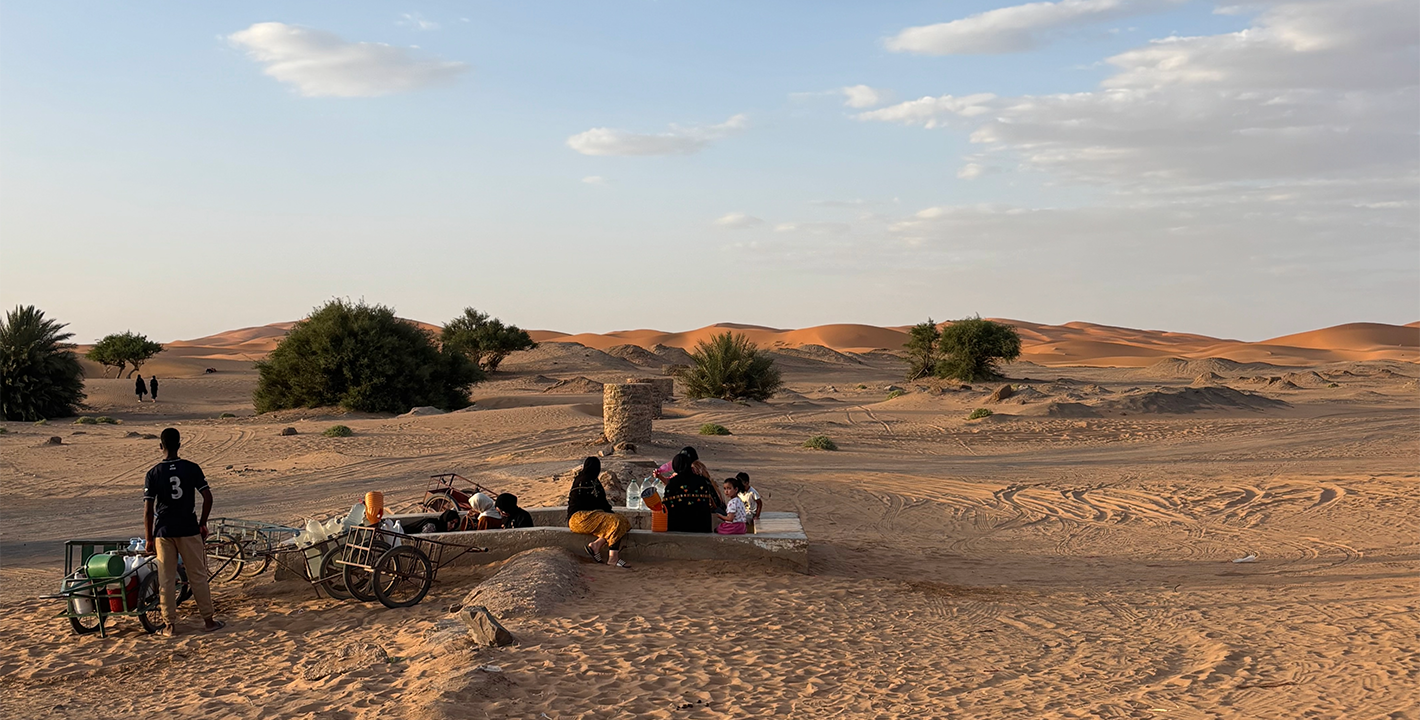
The burden of environmental degradation is felt not only through physical labor but also emotional and social loss.
Yasmine Zarhloule, Ella Williams
{
  "authors": [
    "David Livingston",
    "Peter Hughes"
  ],
  "type": "other",
  "centerAffiliationAll": "",
  "centers": [
    "Carnegie Endowment for International Peace"
  ],
  "collections": [],
  "englishNewsletterAll": "",
  "nonEnglishNewsletterAll": "",
  "primaryCenter": "Carnegie Endowment for International Peace",
  "programAffiliation": "",
  "programs": [
    "Sustainability, Climate, and Geopolitics"
  ],
  "projects": [],
  "regions": [
    "North America"
  ],
  "topics": [
    "Climate Change"
  ]
}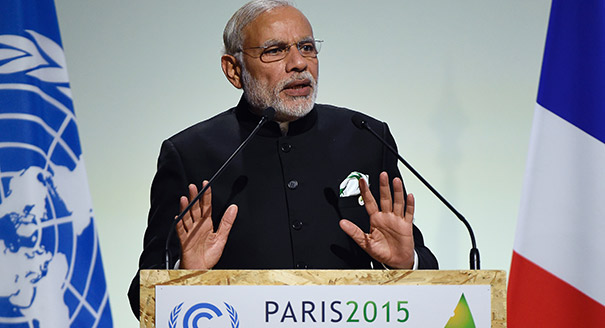
What are the implications of the COP21 outcomes for corporate stakeholders?
Source: Institute for Corporate Responsibility and Sustainability
At the 2015 United Nations Climate Conference in Paris, world leaders, UN agencies, NGOs, and intergovernmental organisations gathered with the aim of achieving a legally binding and universal agreement on climate and a goal of keeping global warming below the threshold of 2°C.
This webinar will explore the outcomes of the Climate Conference, giving listeners:
This webinar was hosted by the Institute of Corporate Responsibility and Sustainability.
This webinar is behind a paywall, but please contact ICRS at stephanie.attal-juncqua@carnstone.com for free access.
Carnegie does not take institutional positions on public policy issues; the views represented herein are those of the author(s) and do not necessarily reflect the views of Carnegie, its staff, or its trustees.
The burden of environmental degradation is felt not only through physical labor but also emotional and social loss.

Yasmine Zarhloule, Ella Williams
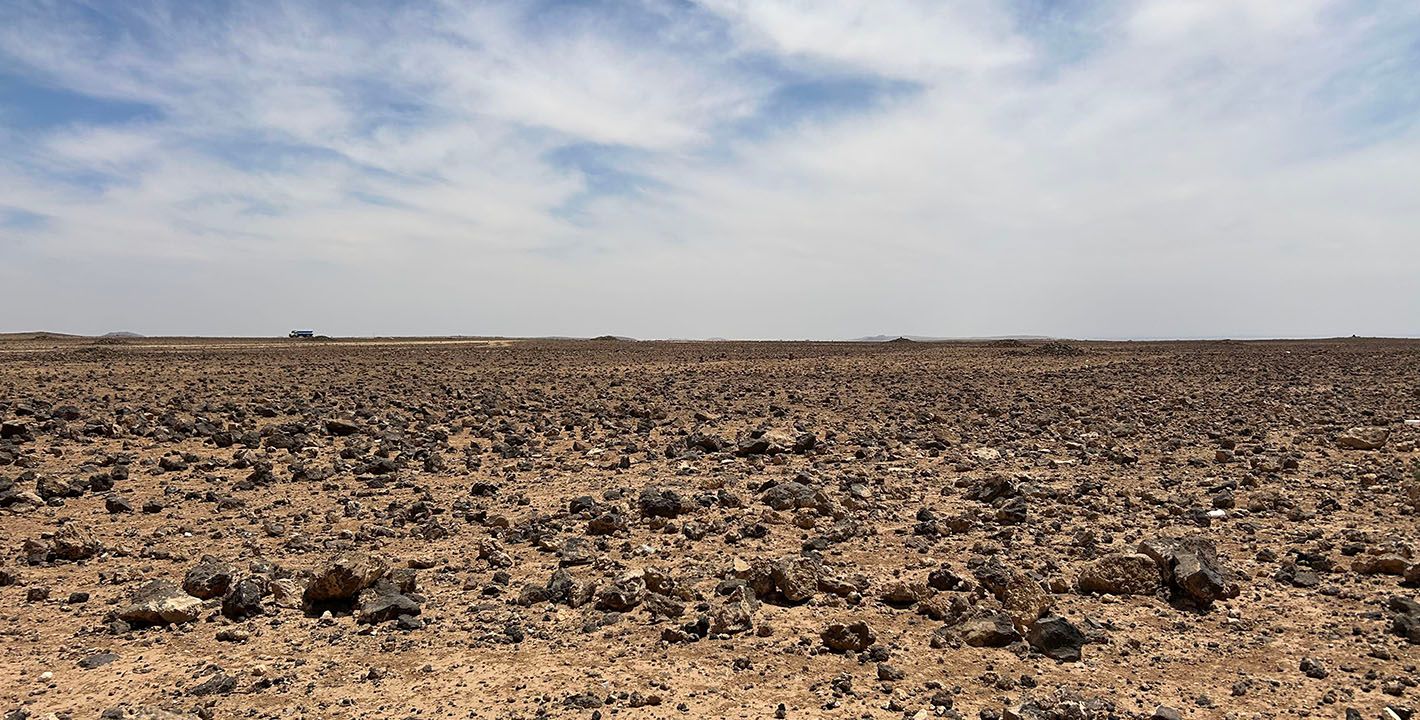
For settled descendants of nomadic or seminomadic communities on Jordan’s periphery, the future looks uncertain as government employment is declining, natural resources are dwindling, temperatures are rising, and traditional cross-border ties are restricted.

Armenak Tokmajyan, Laith Qerbaa
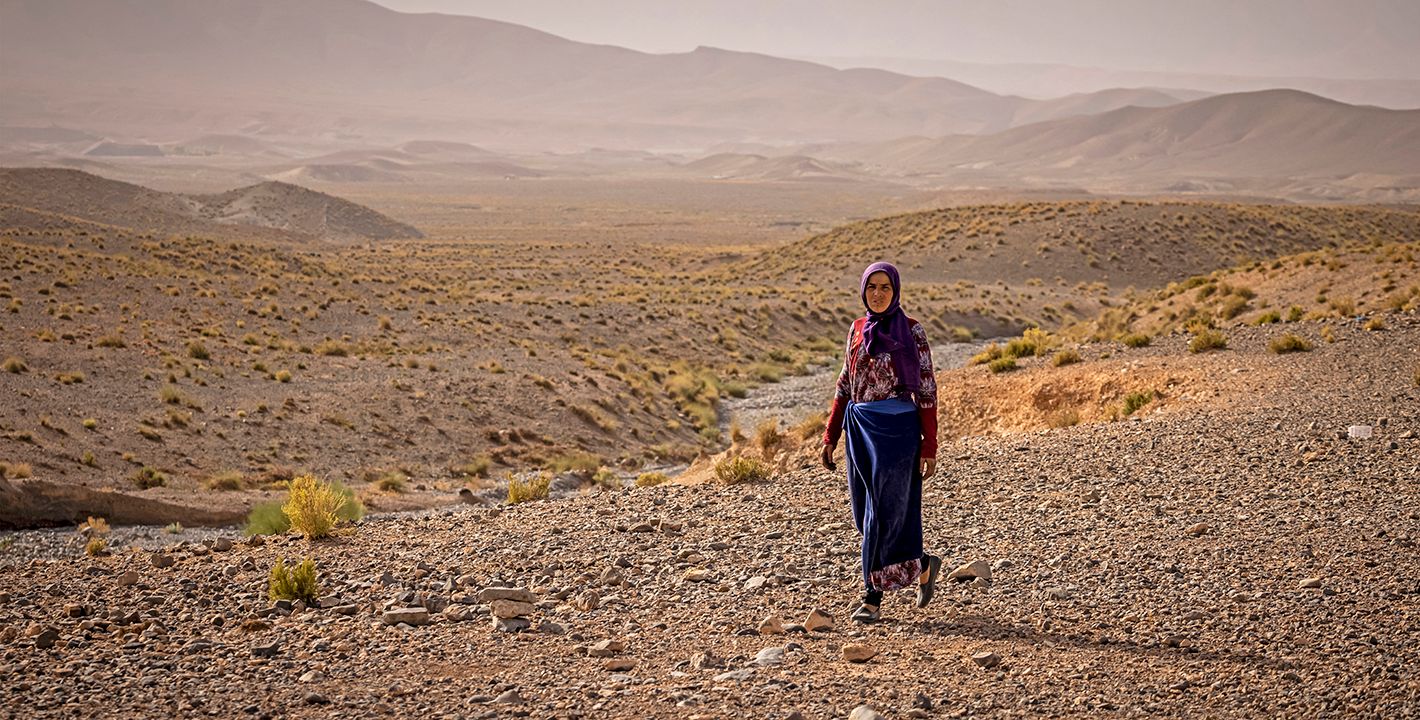
For the traditionally nomadic Amazigh pastoralists in the Draa-Tafilalet region, environmental change has exacerbated long-standing inequities, forcing the community to adapt, which has laid bare the blind spots of state-centered climate policy frameworks.
Yasmine Zarhloule, Ella Williams
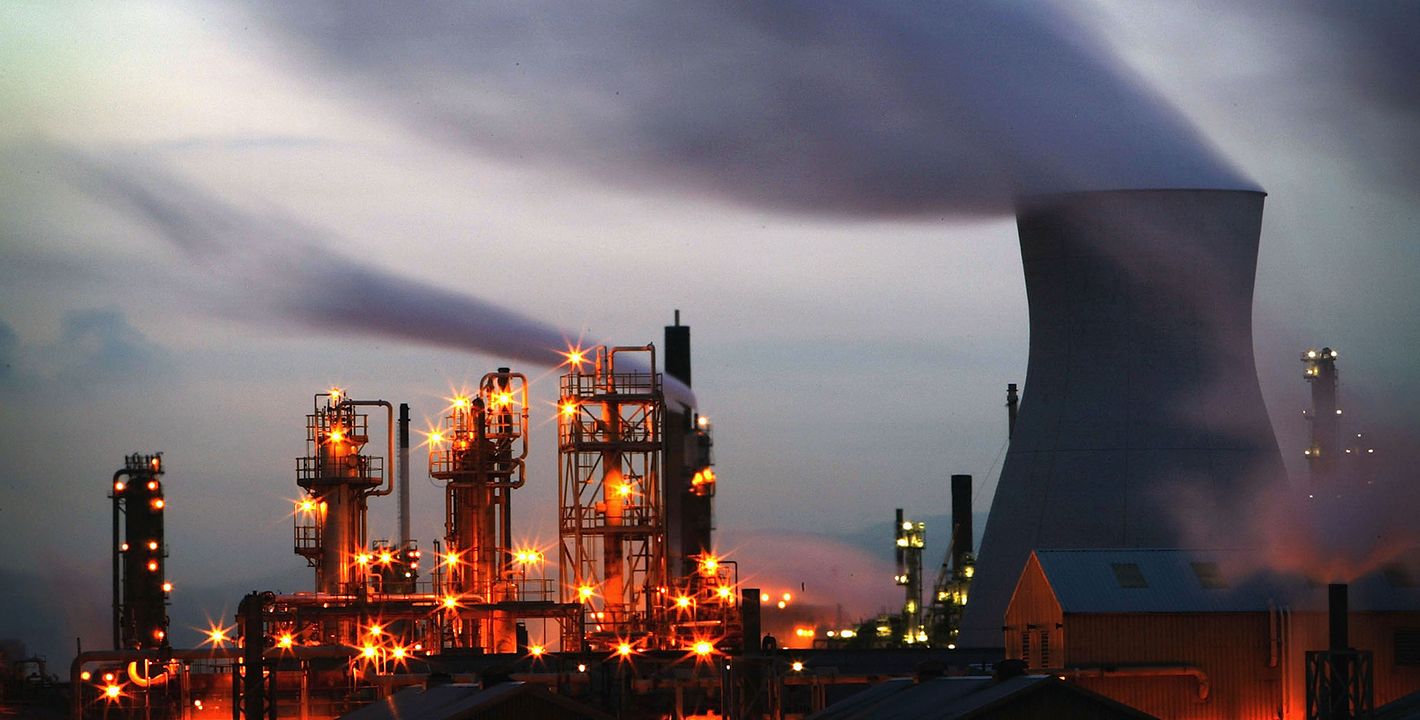
In an interview, Adam Hanieh looks at heavyweights past and present.

Yezid Sayigh
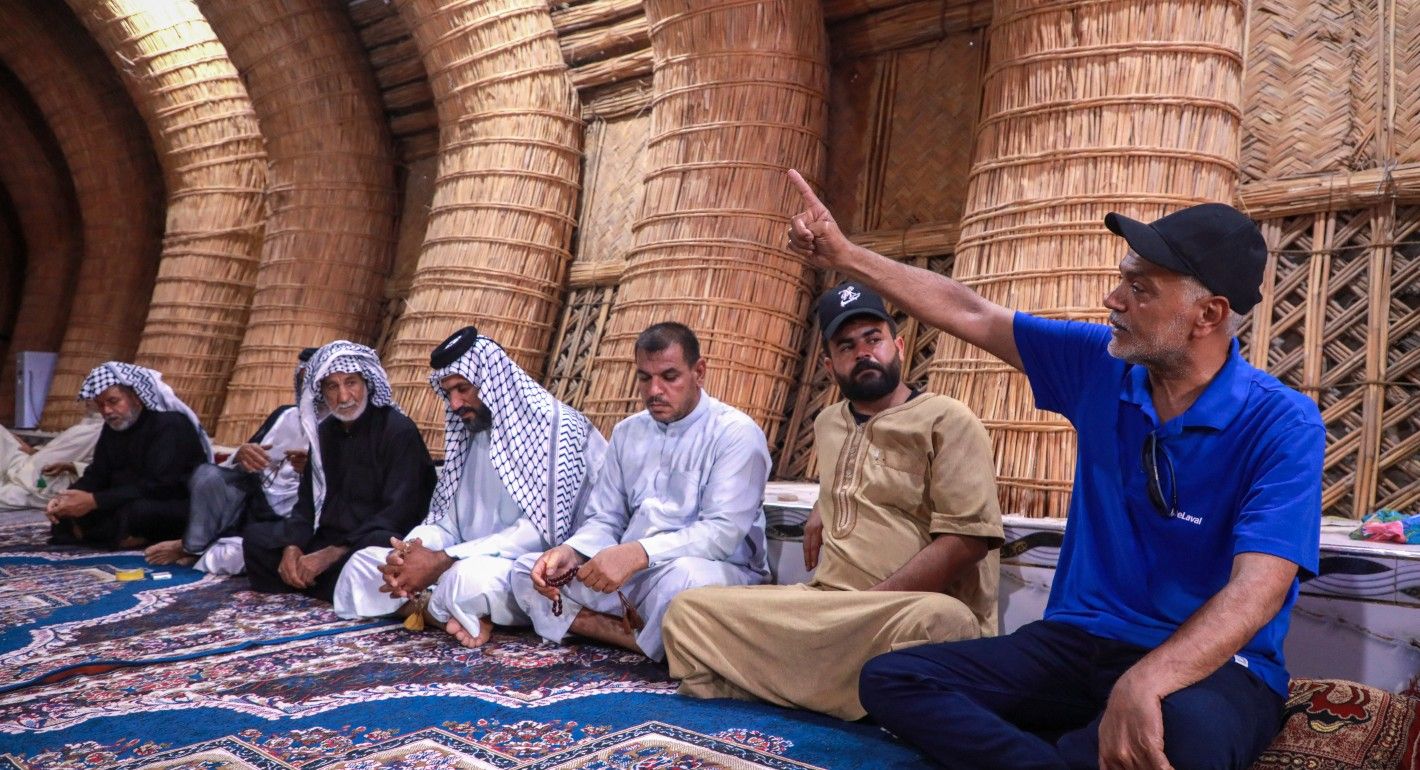
In fragmented political contexts, climate activism is a way to contest both ecological harm and the structures of violence and neglect that allow it to persist.

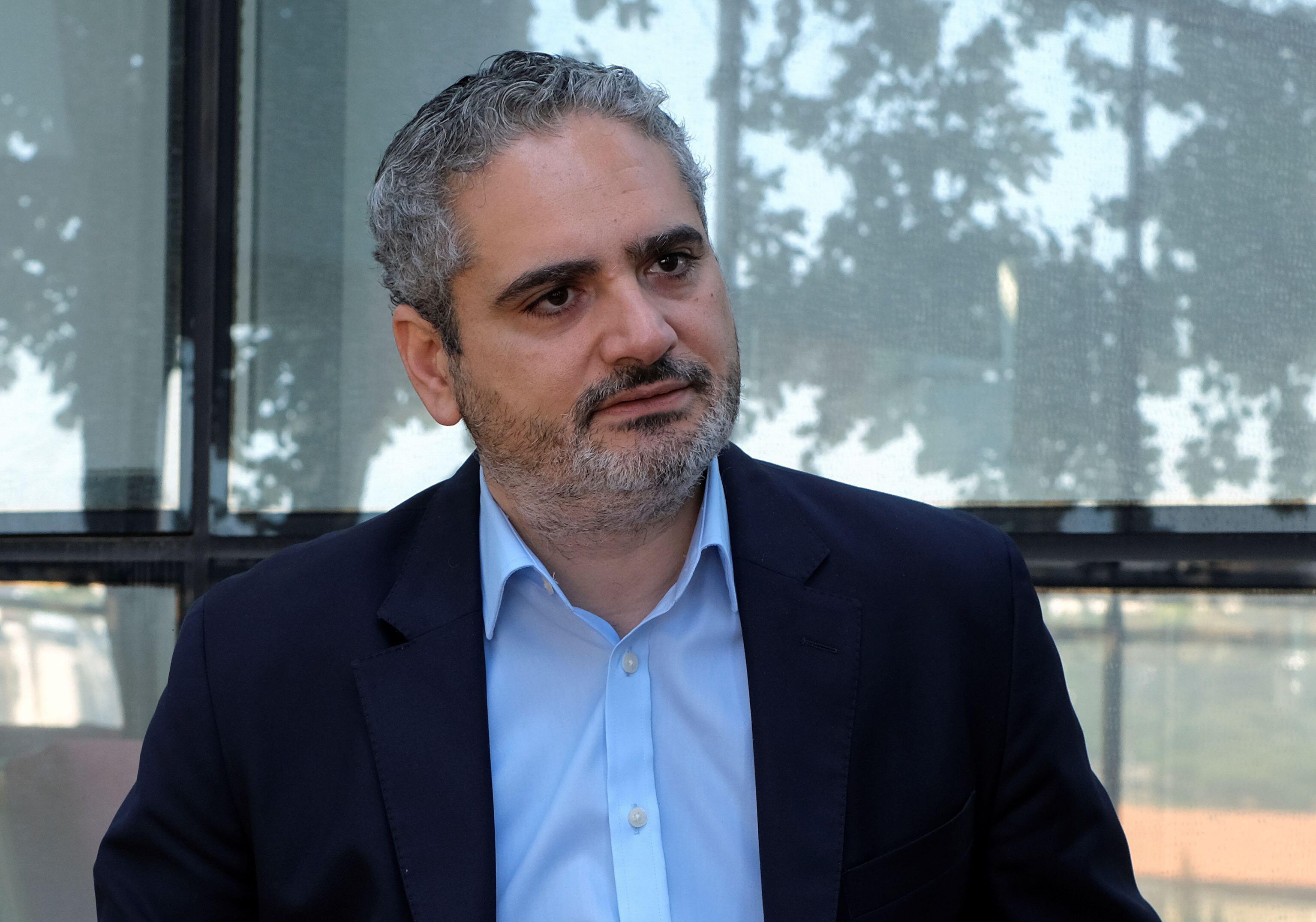
Issam Kayssi, Mohanad Hage Ali