

Commentary
In an interview, Ishac Diwan looks at the merits and flaws in the draft legislation distributing losses from the financial collapse.
Michael Young
{
  "authors": [
    "Zainab Usman",
    "Juliette Ovadia"
  ],
  "type": "commentary",
  "centerAffiliationAll": "",
  "centers": [
    "Carnegie Endowment for International Peace"
  ],
  "collections": [
    "Coronavirus",
    "Chart of the Month"
  ],
  "englishNewsletterAll": "",
  "nonEnglishNewsletterAll": "",
  "primaryCenter": "Carnegie Endowment for International Peace",
  "programAffiliation": "",
  "programs": [
    "Africa"
  ],
  "projects": [],
  "regions": [
    "Southern, Eastern, and Western Africa"
  ],
  "topics": [
    "Economy"
  ]
}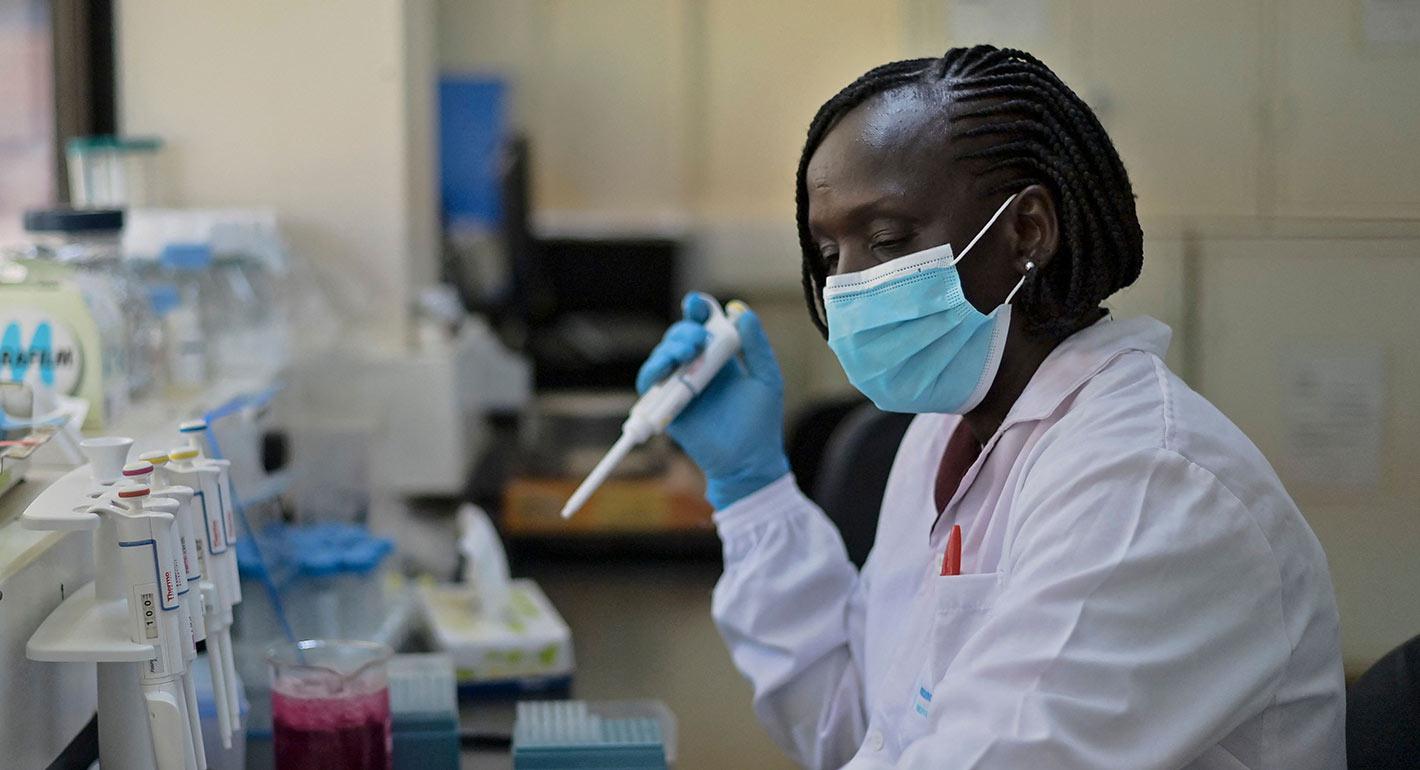
Efforts are being made to ramp up production of COVID-19 vaccines in Africa to address the continent’s low rate of vaccination. As of September 2021, there are at least twelve COVID-19 production facilities set up or in the pipeline across six African countries.
More than a year into the coronavirus pandemic, the African continent has fully vaccinated only 3 percent of its 1.2 billion people. This vaccination rate lags far behind other parts of the world, including Europe (nearly 50 percent), North America (44 percent), Asia (32 percent), and South America (33 percent). At this rate, it appears that neither the African Union’s goal of 60 percent vaccination by 2023 nor the global vaccine distribution mechanism COVAX’s goal of 20 percent by 2022 will be reached in time.
A major reason for the low vaccination rate in Africa is the lack of available supplies. Africa manufactures less than one percent of all vaccines administered on the continent. Absent local vaccine production, African countries relying on COVAX for doses have faced severe supply shortages. With manufacturers privileging wealthy countries’ purchasing agreements and India’s export restrictions on the Covishield vaccine, the UN-backed vaccine mechanism has struggled with insufficient financing, production issues, and delivery delays. Countries attempting to strike bilateral funding deals have few options: vaccine manufacturers in Europe and North America are not accepting orders for supplies in 2021, according to Strive Masiyiwa, AU Special Envoy and Coordinator of AVATT.
Efforts are being made to ramp up production of COVID-19 vaccines on the African continent. As of September 2021, there are at least twelve COVID-19 production facilities set up or in the pipeline across six African countries (see figure). African COVID-19 vaccine manufacturing in the coming year could range from Pfizer-BioNTech and Johnson & Johnson vaccines to Russia’s Sputnik V and China’s Sinovac vaccines.

In South Africa, the U.S. International Development Finance Corporation, along with European partners, announced a 600 million euro ($710 million) financing package for Aspen Pharmacare. Aspen’s facility has already produced millions of doses and will “fill-and-finish” (i.e. package imported vaccine substance) around 500 million Johnson & Johnson doses by the end of 2022. South Africa’s Biovac Institute has also agreed to accelerate fill-and-finish Pfizer vaccine manufacturing in Cape Town from 2022. In Senegal, the government—with support from the United States and Europe—is building a $200 million COVID-19 vaccine manufacturing facility with the Fondation Institut Pasteur de Dakar. This facility would represent the first on the continent to actually manufacture the substance of vaccines in parallel with fill-and-finish. Starting in November 2021, the Egyptian government will produce Chinese Sinovac at a new Vacsera facility outside Cairo, with a planned capacity of 1 billion vaccines annually. And with two agreements for drug substance manufacturing and fill-and-finish of Russia’s Sputnik V vaccine, Egypt may soon join Senegal in reducing Africa’s dependency on vaccine imports.
The challenges of accessing sufficient vaccine supplies are a wake-up call for Africa to scale up local vaccine production for the long term. In April 2021, the African Union declared its intention to accelerate local vaccine production to meet 60 percent of Africa’s routine immunization needs by 2040. Simultaneously, the World Health Organization established an mRNA vaccine technology transfer hub and the African Development Bank committed to creating two vaccine technology transfer platforms. In June 2021, the World Trade Organization director expressed interest in creating regional vaccine manufacturing hubs in South Africa, Senegal, Rwanda, or Nigeria; by late August 2021—with support from the EU Commission—BioNTech announced plans to build mRNA vaccine manufacturing facilities in Rwanda and Senegal.
Still, developments in Africa’s COVID-19 vaccine manufacturing landscape remain oriented toward expanding fill-and-finish capacity at the expense of vaccine-substance manufacturing and technology transfer. To ensure that Africa is able to secure vaccines for a range of diseases, the continent will require sustained commitment from governments, regional coordination by the African Union, and consistent financing on research and development.
Carnegie does not take institutional positions on public policy issues; the views represented herein are those of the author(s) and do not necessarily reflect the views of Carnegie, its staff, or its trustees.
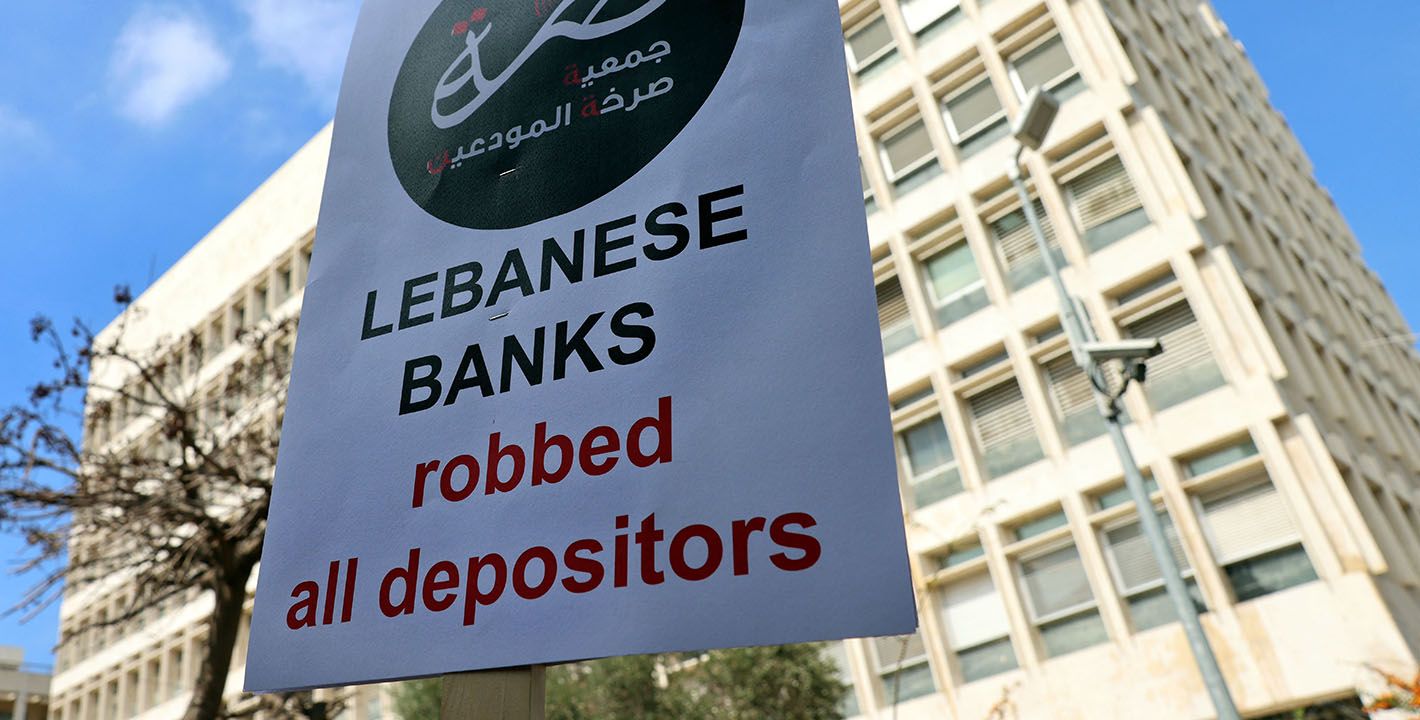
In an interview, Ishac Diwan looks at the merits and flaws in the draft legislation distributing losses from the financial collapse.

Michael Young
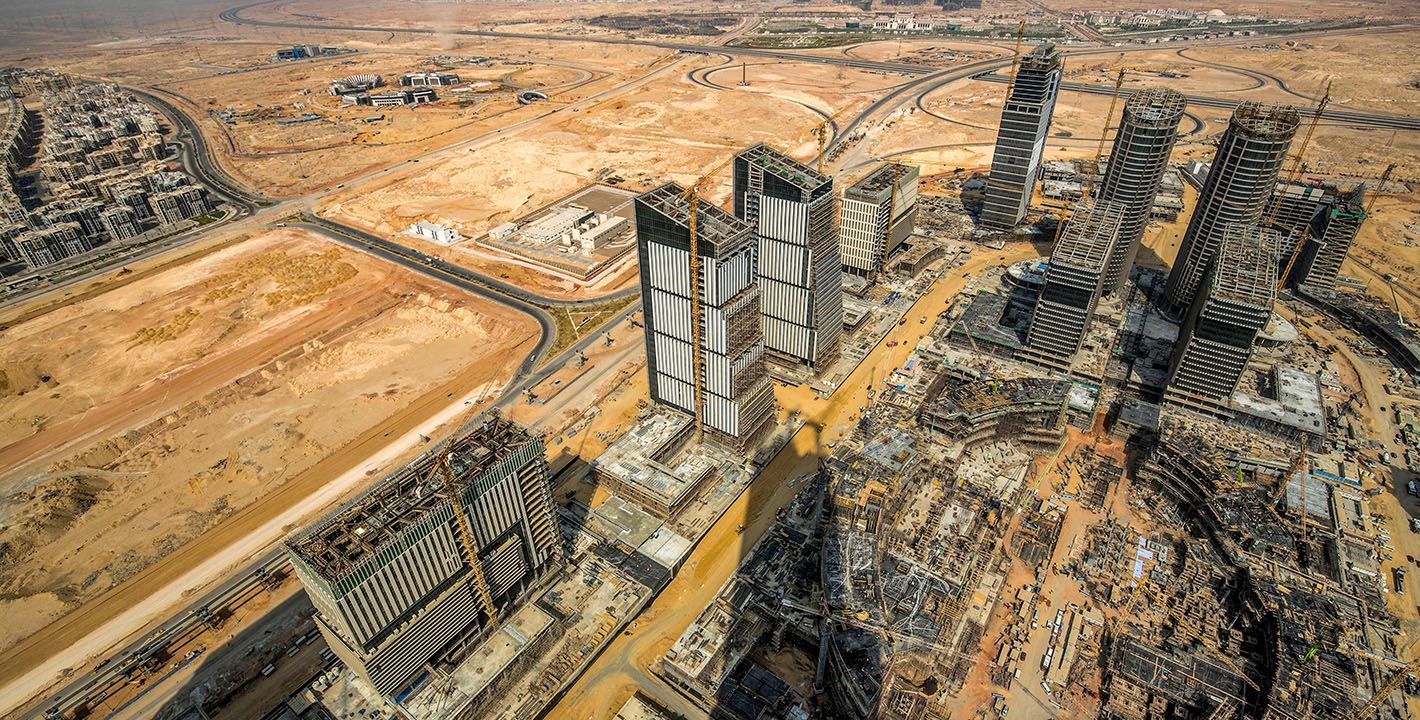
Mustaqbal Misr has expanded its portfolio with remarkable speed, but a lack of transparency remains.

Yezid Sayigh

Arab diaspora business communities in Egypt often mirror the same systemic challenges facing Egyptian businesses.

Nur Arafeh, Yezid Sayigh, Qaboul al-Absi, …
Largely characterized thus far by a single-minded focus on extractivism, Riyadh must commit to greater equitability in its approach to investment and development deals with Sudan, Ethiopia, and Eritrea.

Hesham Alghannam
The Moroccan-Algerian rivalry is playing itself out in ties with Burkina Faso, Niger, and Mali.

Yasmine Zarhloule