

Commentary
The country’s youthful protest movement is seeking economic improvement, social justice, and just a little hope.
Yasmine Zarhloule
Source: Getty
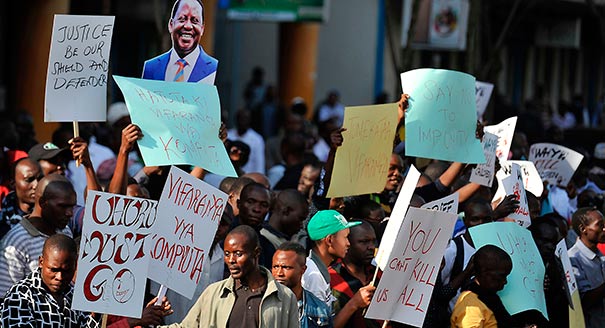
The disputed 2017 elections intensified tensions between Kenya’s civil society and its political institutions, and new activists were empowered to keep their leaders in check.
This publication is from Carnegie’s Civic Research Network.
Civic activism in Kenya has shifted into a higher gear in the last six months. This burst of activity reflects activists’ key role in monitoring the country’s protracted 2017 presidential campaign, which pitted incumbent Uhuru Kenyatta against long-time opposition leader Raila Odinga. The government of Kenyatta, who eventually won after ballots had to be recast, responded to allegations of electoral irregularities with a renewed assault on civil society. These events and many Kenyans’ continued desire for fair elections have pushed civil society organizations in new, more challenging directions. More political, legal-based, and often individualistic forms of activism have taken root as activists seek to defend themselves from government attacks.
Throughout the contentious 2017 presidential campaign, Odinga accused Kenyatta of attempting to rig the elections, and the race was marred by occasional outbursts of violence. Most notably, Christopher Msando, an Independent Electoral and Boundaries Commission (IEBC) official responsible for developing the country’s new voting system, was found seemingly murdered in late July 2017, just over a week before the vote. Odinga alleged fraud days later, immediately after the electoral commission announced the results of the initial vote, and he ultimately filed a suit in court. Thanks in part to pressure from civil society, Kenya’s Supreme Court nullified these initial election results, citing irregularities at some poll locations and a failure to follow procedure and submit proper paperwork while reporting results. Consequently, the election had to be re-run in October 2017. Odinga’s opposition party, the National Super Alliance (NASA) coalition, boycotted the October election. When the votes were tallied, Kenyatta was again declared the winner, and this time the IEBC validated and the Supreme Court upheld the result.
Prior to Kenya’s 2017 elections, civic electoral monitoring mostly took the form of well-established old-school activism. Civil society groups sought accreditation from the official electoral body to monitor the elections and pursued nonconfrontational approaches vis-à-vis the state. One example was the local Election Observer Group (ELOG), an organization that generally avoided strong, direct confrontation with the government and refrained from litigation on electoral irregularities.
In 2017, many civic activists’ engagement with Kenya’s elections changed. They became much more critical of the government and various state institutions, accusing them of being directly complicit in electoral fraud. A wider divide has opened up between pro-regime groups and progressive umbrella groups seeking to check the incumbent Kenyatta regime.
Moreover, the rule of law has become a more important tool for new civic activism in Kenya. Activists opened formal judicial cases against alleged government attempts to manipulate the election results.
Unlike in the past, individuals, rather than traditional NGOs, were at the forefront of these legal cases, a change that can partly be attributed to the 2010 constitution’s bill of rights. Civic activists have taken advantage of this trend and turned to litigation to compel the electoral body and the government to take certain actions or to block certain government activities through court injunctions. One case filed by three human rights activists and NGO leaders—Maina Kiai, Khelef Khalifa, and Tirop Kitur—would eventually form part of the benchmark that led the Supreme Court to nullify the original August election results.
In addition to legal measures, some activists have also begun to engage directly in the political sphere by running for seats in the parliament. For instance, Boniface Mwangi, a journalist and youth activist, contested the Starehe constituency in Nairobi, and Okiya Omtatah, a veteran human rights and anticorruption activist, ran for the senate seat in Busia County. Neither won. Nevertheless, these forays into electoral politics stood in contrast to NGOs’ past preference for keeping to the civic sphere and working in tandem with established opposition parties.
Emergent civic groups adopted a new set of tactics. While ELOG focused primarily on traditional election monitoring, for example, a coalition of civil society groups called Kura Yangu Sauti Yangu adopted a broader, more confrontational approach. These new groups were less willing than the older NGOs to limit themselves to supporting the government’s promised electoral reforms, and they sought to engage with a wider range of citizens, especially through social media. This increased the pressure on the government.
The diverse tactics employed by the various civic actors led to different positions on the elections. ELOG—along with other African and international observers—judged the original August 2017 presidential election as largely free and fair. Most of the newer civic groups insisted it was not.
This new upswing of civic activism was impactful in some respects. After all, the Supreme Court nullified Kenyatta’s victory in the August election and called for the election to be re-run. Yet a brief hope that civic activism had made a decisive breakthrough seemed to be dashed when Kenyatta emerged victorious again. Nevertheless, after the election was re-run, civil society groups unveiled a new umbrella group called We the People as a forum to challenge the validity of the elections. It proposed a one-year transition period to allow political divisions to heal and insisted that a new electoral agency should be put in place to oversee subsequent elections, as the IEBC lacked independence in the eyes of many.
The state’s response to the renewed activism has been harsh. The state unleashed government agents to intimidate and harass civic bodies that were deemed to have the potential of challenging the IEBC’s declared election results. Security officers attached to the Kenya Revenue Authority raided the offices of two civic bodies, AfriCOG and the Kenya Human Rights Commission, on trumped-up accusations. The government claimed that the two organizations had defaulted on tax remittances. They went to court and got a reprieve; the government gave them time to regularize the so-called tax anomalies. In November 2017, the state’s NGO coordination board tried to ban the operations of Kura Yangu Sauti Yangu and We the People, claiming that they were running illegal bank accounts. According to media reports, the board accused the director of the Kenya Human Rights Commission of receiving at least 36 million Kenyan shillings (approximately $350,000) from the George Soros Foundation to help try to oust the incumbent government. Despite this state intimidation, these two groups continued to criticize the government for electoral manipulation.
In short, the fraught 2017 electoral process intensified tensions between Kenyan civil society and the country’s political and state institutions, even as it empowered a new wave of activists determined to keep their leaders in check. New activist groups have ratcheted up the pressure on the Kenyatta government and sharpened their criticism of its perceived electoral indiscretions. State authorities, in turn, have become more hostile to parts of civil society. While Kenyatta ultimately retained power, civil society groups’ growing experience using the legal system to challenge state authorities establishes a new and significant precedent. Social media also became highly influential, pushing the government into a corner and more clearly revealing the extent of its abuse of power. Despite the likelihood of further government targeting, a more combative and creative cast of Kenyan civil society actors is taking shape.
Adams Oloo is a senior lecturer in the Department of Political Science at the University of Nairobi in Kenya. He is a member of Carnegie’s Civic Research Network.
Carnegie does not take institutional positions on public policy issues; the views represented herein are those of the author(s) and do not necessarily reflect the views of Carnegie, its staff, or its trustees.
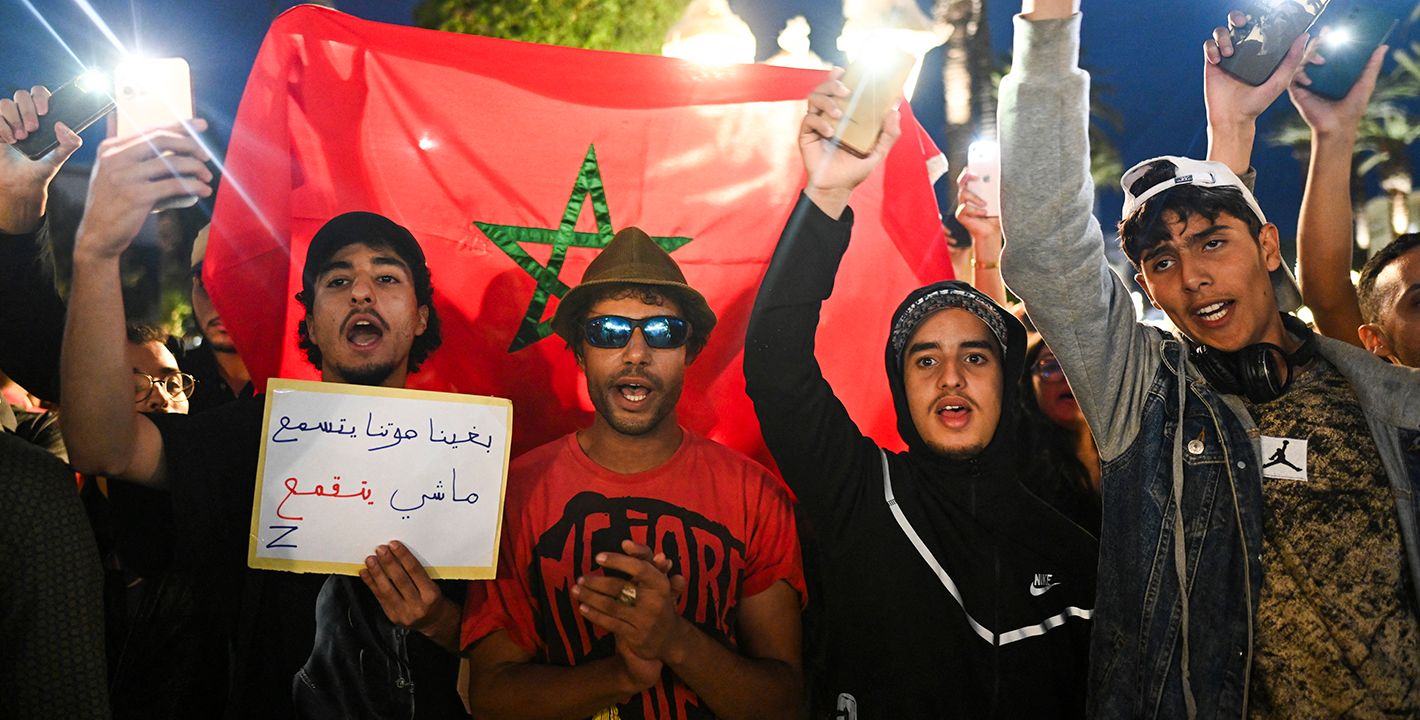
The country’s youthful protest movement is seeking economic improvement, social justice, and just a little hope.

Yasmine Zarhloule
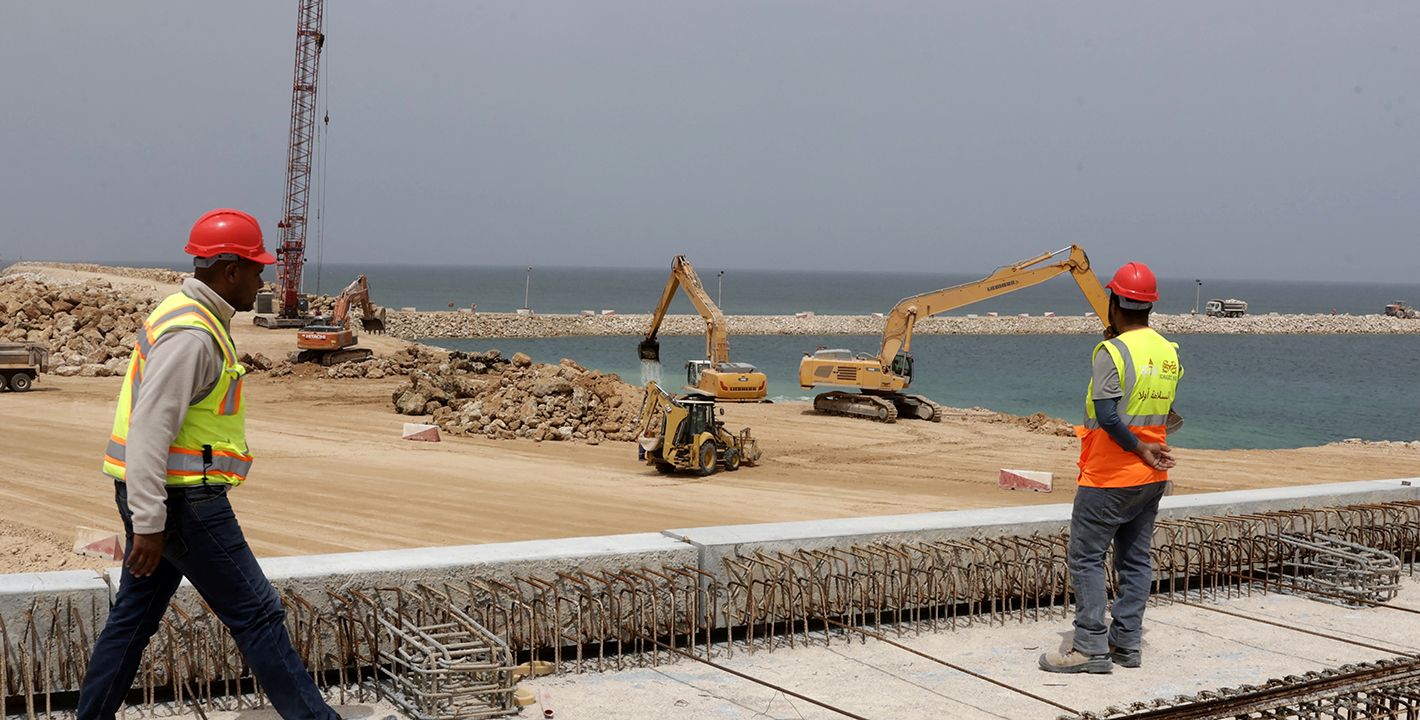
The Moroccan-Algerian rivalry is playing itself out in ties with Burkina Faso, Niger, and Mali.
Yasmine Zarhloule
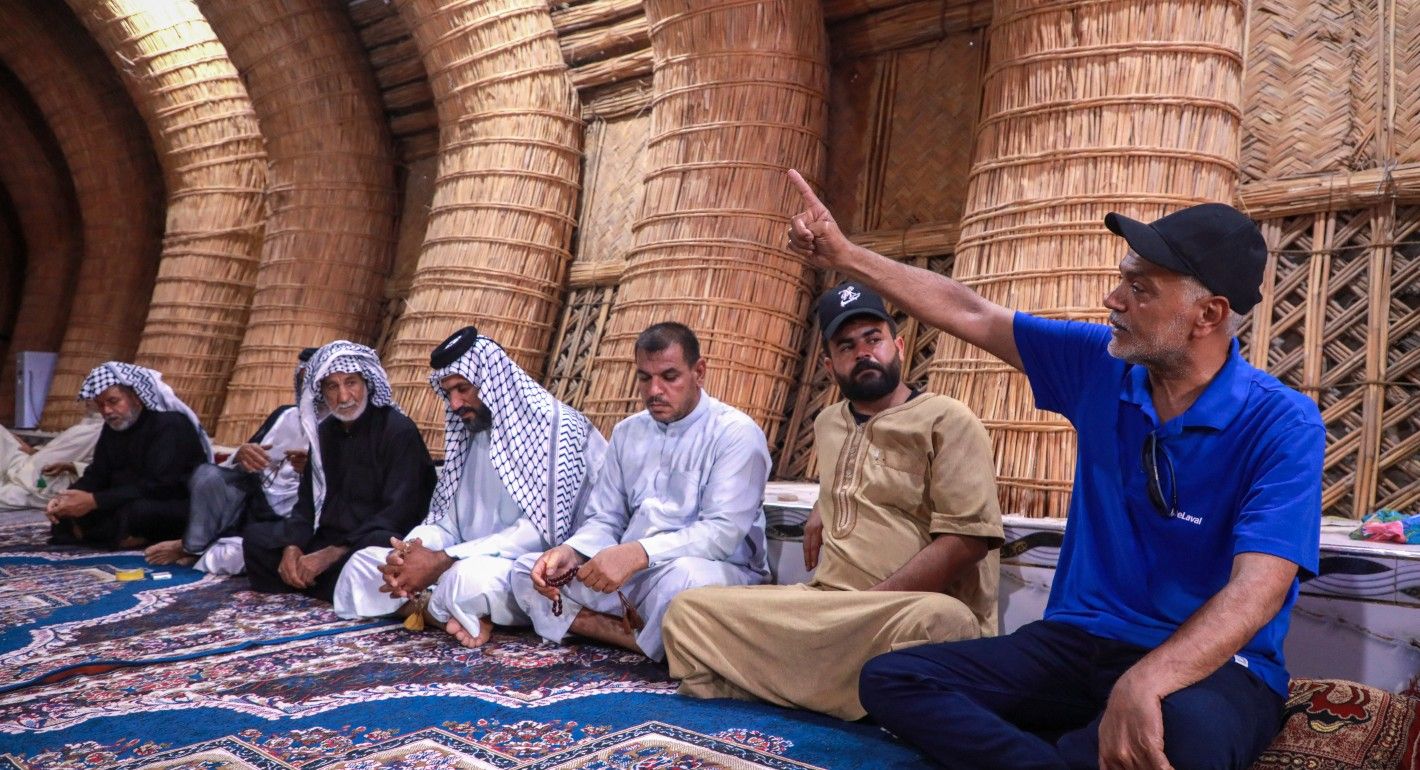
In fragmented political contexts, climate activism is a way to contest both ecological harm and the structures of violence and neglect that allow it to persist.
Issam Kayssi, Mohanad Hage Ali
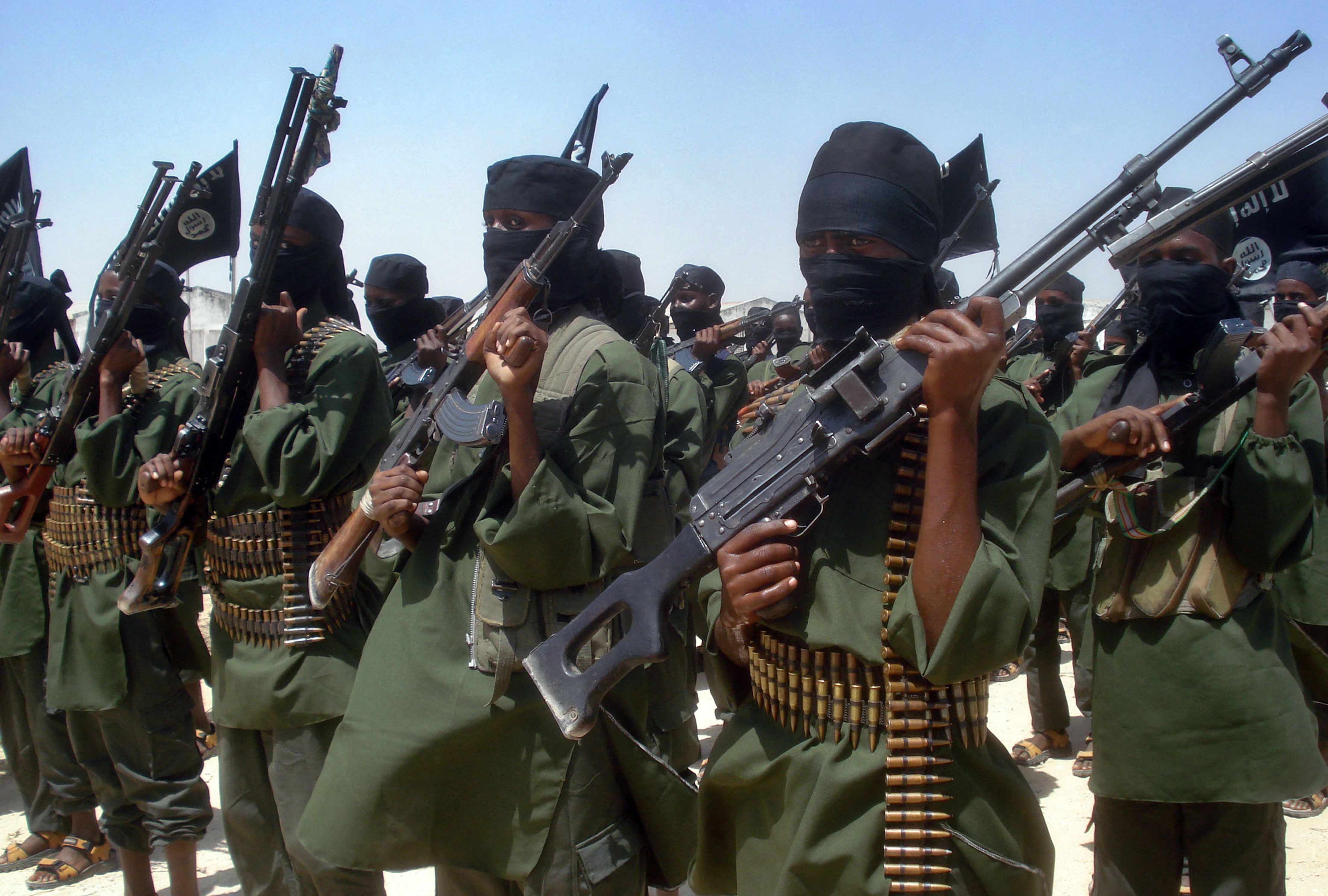
The Yemeni group, like its main backer Iran, has established contacts with al-Shabab and the Islamic State in Somalia, showing how pragmatism prevails when geopolitical goals demand it, and all sides share an enmity for the United States and Israel.
Ibrahim Jalal, Adnan al-Jabarni
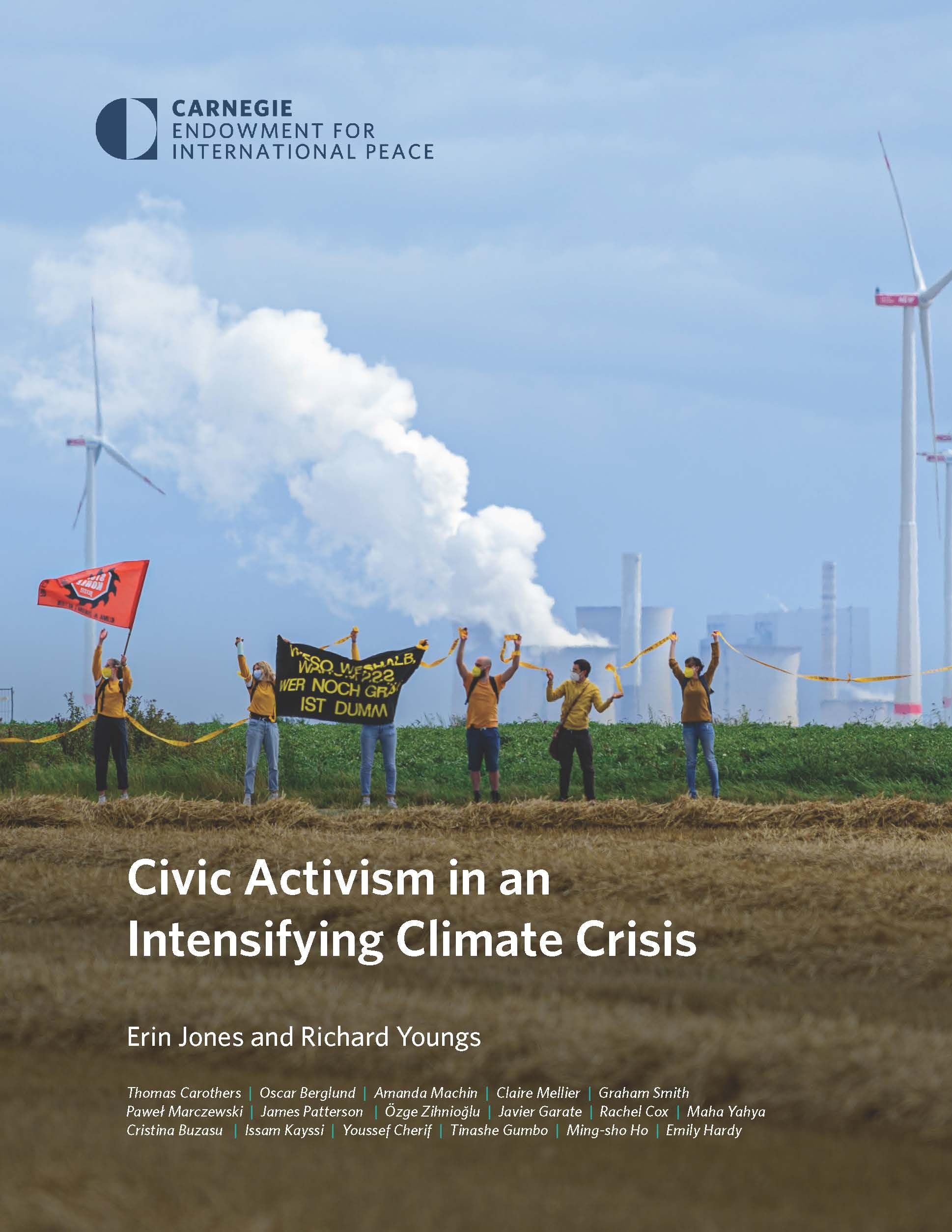
To address the deepening climate crisis, climate activism is employing a wider variety of tactics and aiming at a broader set of goals. In response, the movement faces stronger repression and civic backlash against climate action.

Erin Jones, Richard Youngs