

{
  "authors": [],
  "type": "event",
  "centerAffiliationAll": "",
  "centers": [
    "Carnegie Endowment for International Peace",
    "Carnegie Europe",
    "Carnegie Russia Eurasia Center"
  ],
  "collections": [
    "Europe’s Eastern Neighborhood"
  ],
  "englishNewsletterAll": "",
  "nonEnglishNewsletterAll": "",
  "primaryCenter": "Carnegie Endowment for International Peace",
  "programAffiliation": "",
  "programs": [],
  "projects": [],
  "regions": [
    "Russia",
    "Europe"
  ],
  "topics": [
    "Foreign Policy"
  ]
}
EU-Russia Forum
Tue, June 7th, 2011
Brussels
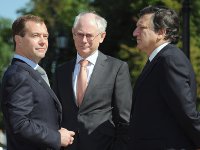
Too often, debate on the relationship between Europe and Russia is driven by events—including elections, changes in leadership, and summits—which may provide important policy openings but do not always allow for thoughtful consideration of the long-term factors that shape the relationship. The Second Annual Carnegie EU-Russia Forum, co-hosted with the European Commission Bureau of European Policy Advisers (BEPA) featured Russia experts from Moscow, the United States, and Brussels analyze the political, social, and economic realities of the bilateral relationship.
Carnegie India does not take institutional positions on public policy issues; the views represented herein are those of the author(s) and do not necessarily reflect the views of Carnegie, its staff, or its trustees.