

Article
Egypt’s vulnerability to climate change is compounded by its economic struggles, making it difficult to adequately fund climate resilience and sustainability efforts.
Selma Khalil, Amr Hamzawy
{
  "authors": [
    "Amr Hamzawy",
    "Sarah Yerkes",
    "Frederic Wehrey",
    "Aisha Al-Sarihi",
    "Selma Khalil"
  ],
  "type": "event",
  "centerAffiliationAll": "dc",
  "centers": [
    "Carnegie Endowment for International Peace"
  ],
  "collections": [
    "Climate Change, Vulnerability, and Governance in the Middle East and North Africa"
  ],
  "englishNewsletterAll": "menaTransitions",
  "nonEnglishNewsletterAll": "",
  "primaryCenter": "Carnegie Endowment for International Peace",
  "programAffiliation": "MEP",
  "programs": [
    "Middle East"
  ],
  "projects": [],
  "regions": [
    "Middle East",
    "North Africa"
  ],
  "topics": [
    "Climate Change"
  ]
}
Wed, April 9th, 2025
Live Online
Invalid video URL
The ripple effects of climate change in the Middle East and North Africa, a region heavily reliant on climate-sensitive sectors and challenged by longstanding political and socioeconomic crises, can no longer be treated as a luxury that governments can ignore. In the new publication, Climate Resilience in the Middle East and North Africa: Navigating Challenges, Empowering Communities, and Transforming Governance, scholars from the Carnegie Middle East Program and outside experts aim to bridge knowledge and policy gaps between climate change, socioeconomic vulnerabilities, governance and stakeholder capacities.
To launch the compendium, Amr Hamzawy, senior fellow and director of the Carnegie Middle East Program, will be joined by Carnegie Middle East Program senior fellows Sarah Yerkes and Fred Wehrey, along with Aisha Al-Sarihi, non-resident fellow at the Middle East Council on Global Affairs, and Selma Khalil, MAIR-MBA Candidate at Johns Hopkins University Paul H. Nitze School of Advanced International Studies and INSEAD. The discussion will cover youth climate action in North Africa, the climate vulnerability-governance nexus in Morocco, climate adaptation and green energy transition in the Gulf, and climate finance and governance in Egypt.
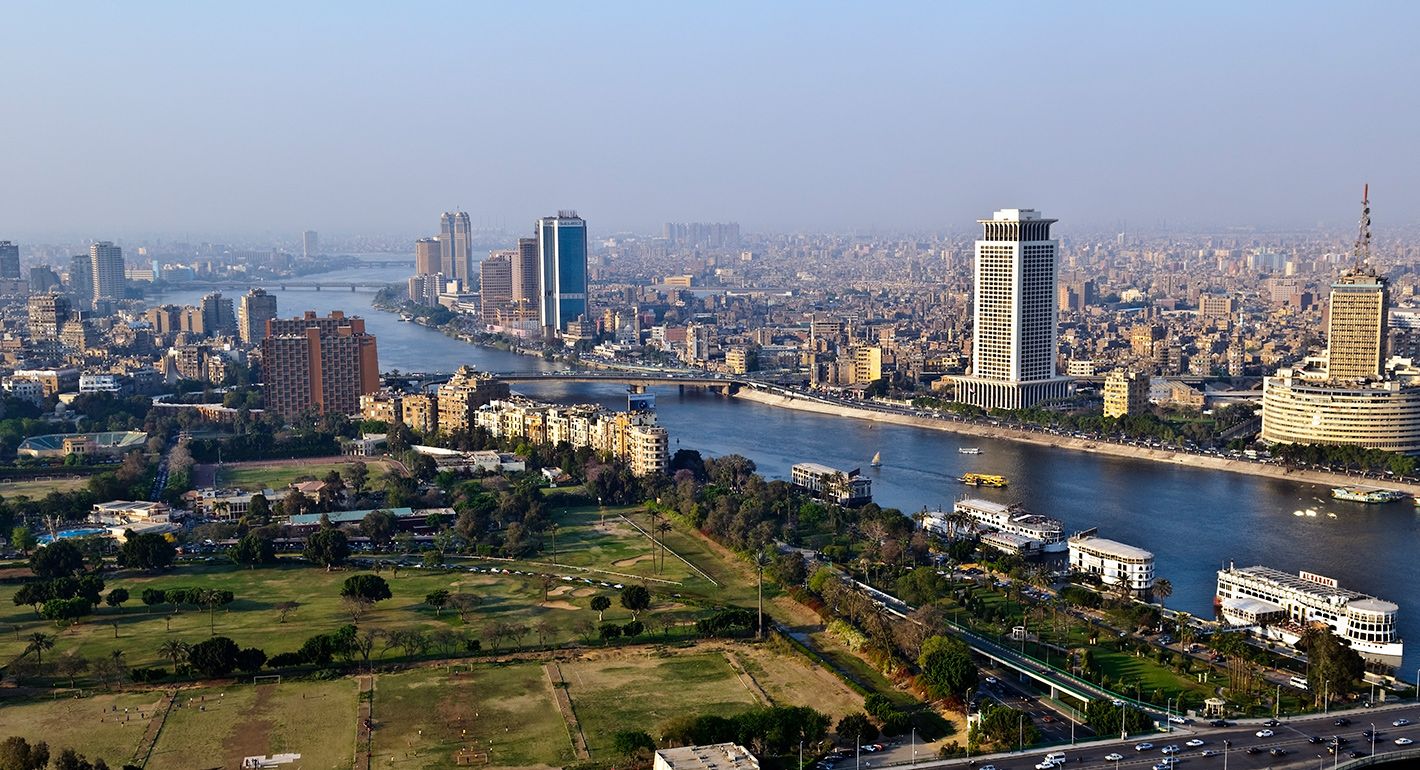
Egypt’s vulnerability to climate change is compounded by its economic struggles, making it difficult to adequately fund climate resilience and sustainability efforts.

Selma Khalil, Amr Hamzawy
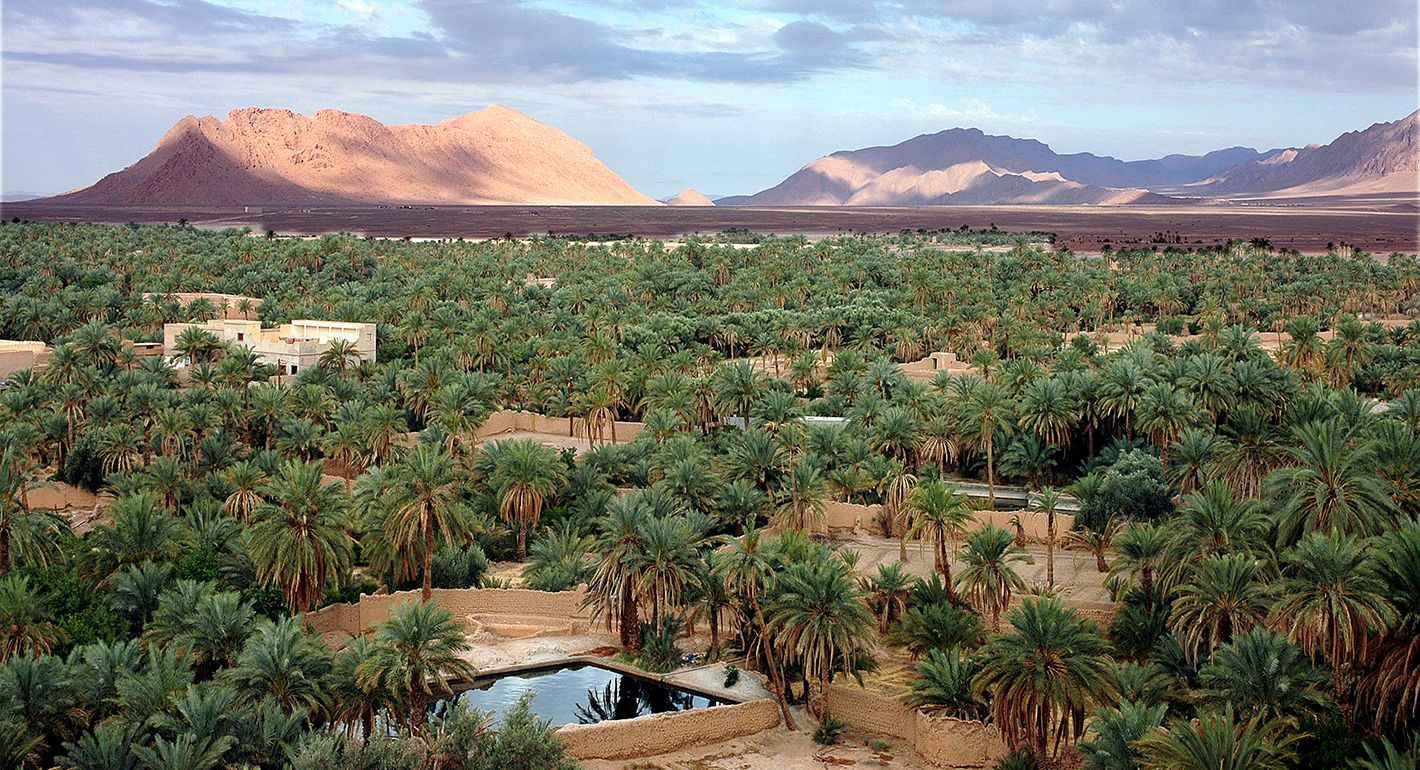
The Moroccan government has set forth an ambitious agenda to harness its renewable energy potential. But effective climate adaptation requires a greater inclusion of independent grassroots actors.
Frederic Wehrey, Andrew Bonney
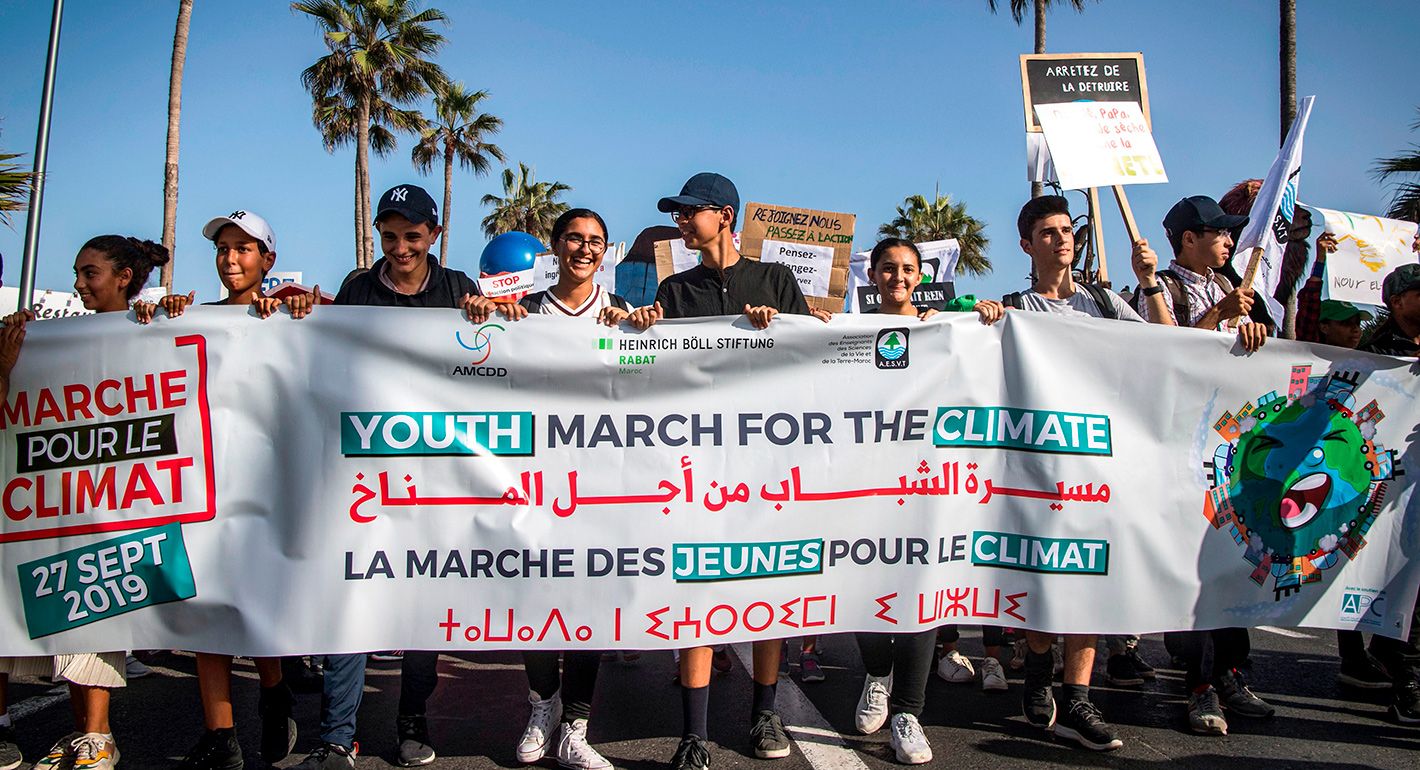
Governments’ climate efforts in North Africa are likely to fail if they ignore youth voices. Despite limited resources and restrictive legal and political frameworks, Egypt, Morocco, and Tunisia have still managed to engage youth.

Sarah Yerkes, Saad Uakkas
Carnegie India does not take institutional positions on public policy issues; the views represented herein are those of the author(s) and do not necessarily reflect the views of Carnegie, its staff, or its trustees.
Director, Middle East Program
Amr Hamzawy is a senior fellow and the director of the Carnegie Middle East Program. His research and writings focus on Egypt’s and other middle powers’ involvement in regional security in the Middle East, particularly through collective diplomacy and multilateral conflict resolution
Senior Fellow, Middle East Program
Sarah Yerkes is a senior fellow in Carnegie’s Middle East Program, where her research focuses on Tunisia’s political, economic, and security developments as well as state-society relations in the Middle East and North Africa.
Senior Fellow, Middle East Program
Frederic Wehrey is a senior fellow in the Middle East Program at the Carnegie Endowment for International Peace, where his research focuses on governance, conflict, and security in Libya, North Africa, and the Persian Gulf.
Aisha Al-Sarihi
Non-resident fellow, Middle East Council on Global Affairs and Arab Gulf States Institute in Washington
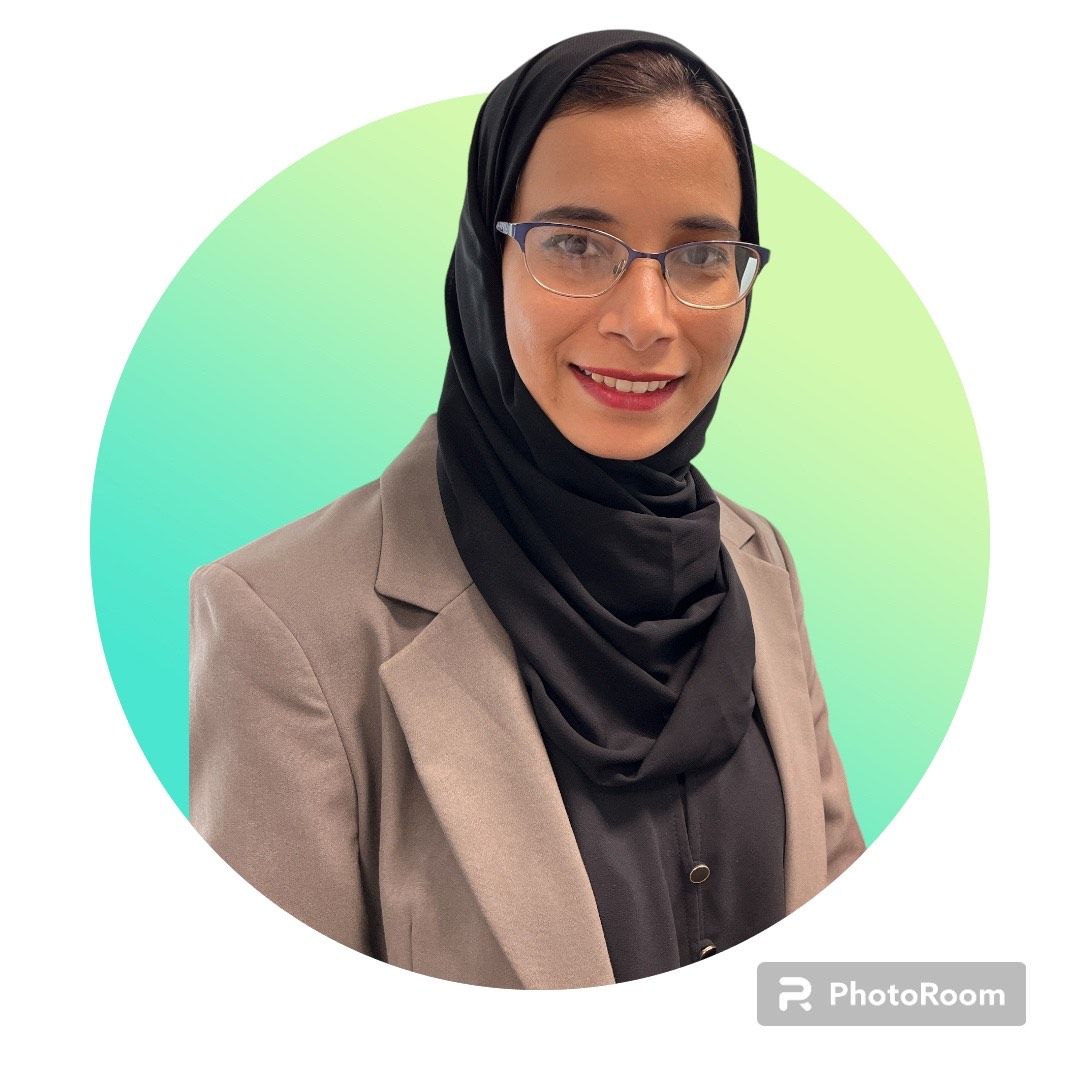
Dr. Aisha Al-Sarihi is a political scientist with over a decade of research expertise in the policy, politics and governance of climate change and energy transition with a specific focus on the Gulf Arab states. Dr. Al-Sarihi is currently a non-resident fellow at both the Middle East Council on Global Affairs and the Arab Gulf States Institute in Washington.
Selma Khalil
Joint MBA-MA candidate, INSEAD and Johns Hopkins University Paul H. Nitze School of Advanced International Studies
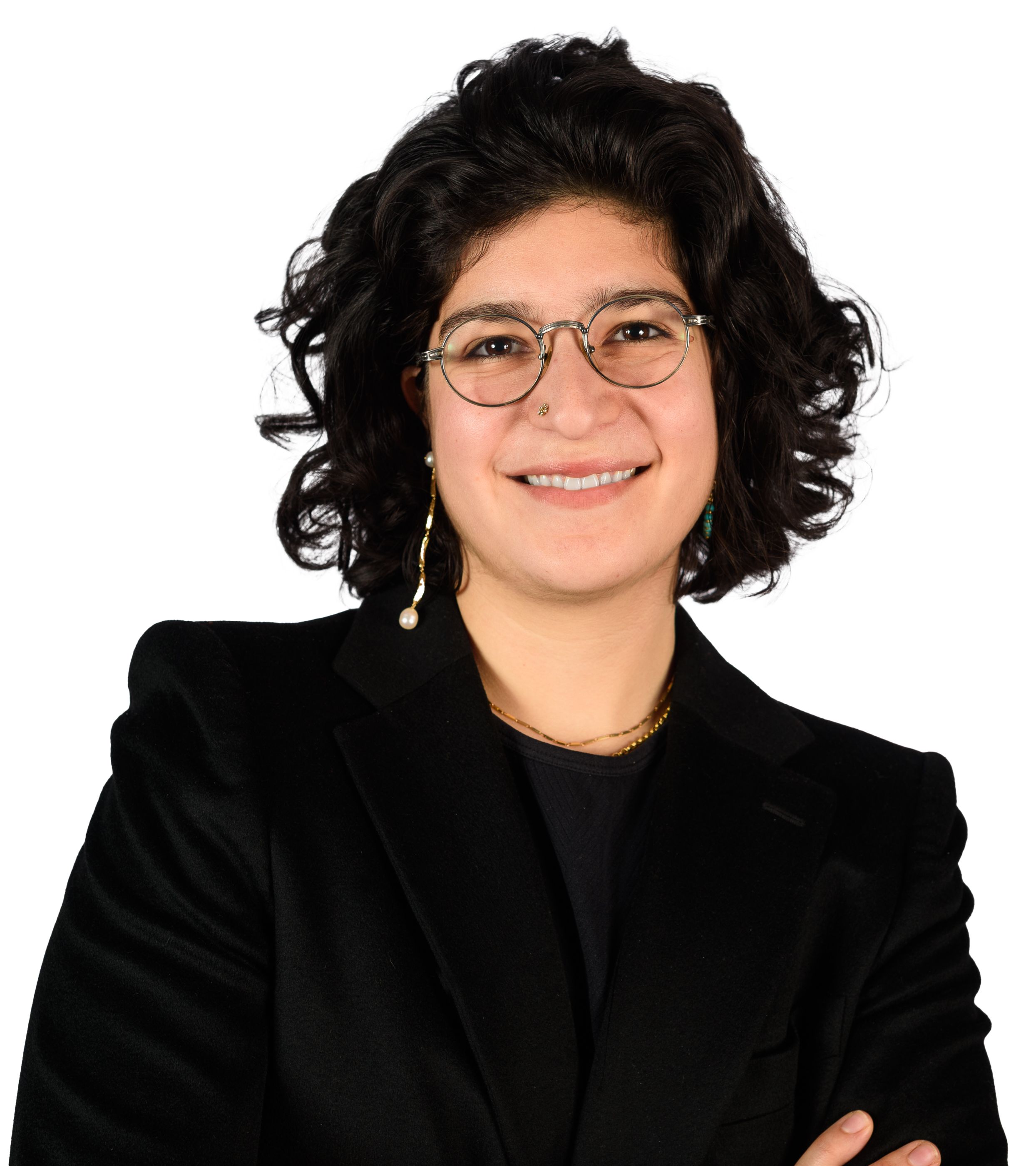
Selma Khalil is a dual-degree MBA-MA candidate at INSEAD & Johns Hopkins Paul H. Nitze School of Advanced International Studies specializing in economic development, climate finance, and sustainable infrastructure, with a particular interest in leveraging financing solutions and policy strategies to accelerate decarbonization.