

{
  "authors": [
    "Marwan Muasher",
    "Maha Yahya",
    "Yezid Sayigh",
    "Bader  Al-Saif",
    "Dina  Esfandiary"
  ],
  "type": "event",
  "centerAffiliationAll": "",
  "centers": [
    "Malcolm H. Kerr Carnegie Middle East Center"
  ],
  "englishNewsletterAll": "",
  "nonEnglishNewsletterAll": "",
  "primaryCenter": "Malcolm H. Kerr Carnegie Middle East Center",
  "programAffiliation": "",
  "regions": [
    "Iran",
    "Middle East"
  ],
  "topics": [
    "Military",
    "Security",
    "Economy"
  ]
}
The Iran War and the Middle East
Fri, March 27th, 2026
Live Online
Invalid video URL
Since late February 2026, the Middle East has been shaken by an unprecedented escalation following direct military confrontation between the United States and Israel, on one hand, and Iran, on the other. The conflict has rapidly expanded across multiple fronts, with missile exchanges, airstrikes on military and infrastructure targets, and growing tensions involving regional actors. The repercussions are being felt well beyond the immediate battlefield, raising concerns about regional stability, economic disruption, and the risk of a prolonged war.
As governments across the region assess the implications of this confrontation, perspectives from the Middle East are critical to understanding how the conflict is being interpreted locally and how it may reshape regional dynamics. The crisis has already intensified debates across Arab countries about security, deterrence, and political alignments, while placing new pressures on countries navigating the risks of escalation.
To examine these developments, The Malcolm H. Kerr Carnegie Middle East Center will host a panel discussion on Friday, March 27, at 4:00 PM Beirut time (UTC+2).
The panel will feature Marwan Muasher, vice president for studies at the Carnegie Endowment for International Peace; and Maha Yahya, director at the Malcolm H. Kerr Carnegie Middle East Center; Dina Esfandiary, Middle East geoeconomics lead for Bloomberg Economics; and Bader Al-Saif, assistant professor of history at Kuwait University.
The event will be held in English and moderated by Yezid Sayigh, senior fellow at the Malcolm H. Kerr Carnegie Middle East Center.
Viewers are invited to submit questions via the live chat feature on Facebook and YouTube.
For more information, please contact Najwa Yassine at najwa.yassine@carnegie-mec.org.
Carnegie India does not take institutional positions on public policy issues; the views represented herein are those of the author(s) and do not necessarily reflect the views of Carnegie, its staff, or its trustees.
Event Speakers
Vice President for Studies

Marwan Muasher is vice president for studies at Carnegie, where he oversees research in Washington and Beirut on the Middle East. Muasher served as foreign minister (2002–2004) and deputy prime minister (2004–2005) of Jordan, and his career has spanned the areas of diplomacy, development, civil society, and communications.
Director, Malcolm H. Kerr Carnegie Middle East Center

Maha Yahya is director of the Malcolm H. Kerr Carnegie Middle East Center, where her research focuses on citizenship, pluralism, and social justice in the aftermath of the Arab uprisings.
Senior Fellow, Malcolm H. Kerr Carnegie Middle East Center

Yezid Sayigh is a senior fellow at the Malcolm H. Kerr Carnegie Middle East Center in Beirut, where he leads the program on Civil-Military Relations in Arab States (CMRAS). His work focuses on the comparative political and economic roles of Arab armed forces, the impact of war on states and societies, the politics of postconflict reconstruction and security sector transformation in Arab transitions, and authoritarian resurgence.
Bader Al-Saif
Assistant Professor of History, Kuwait University
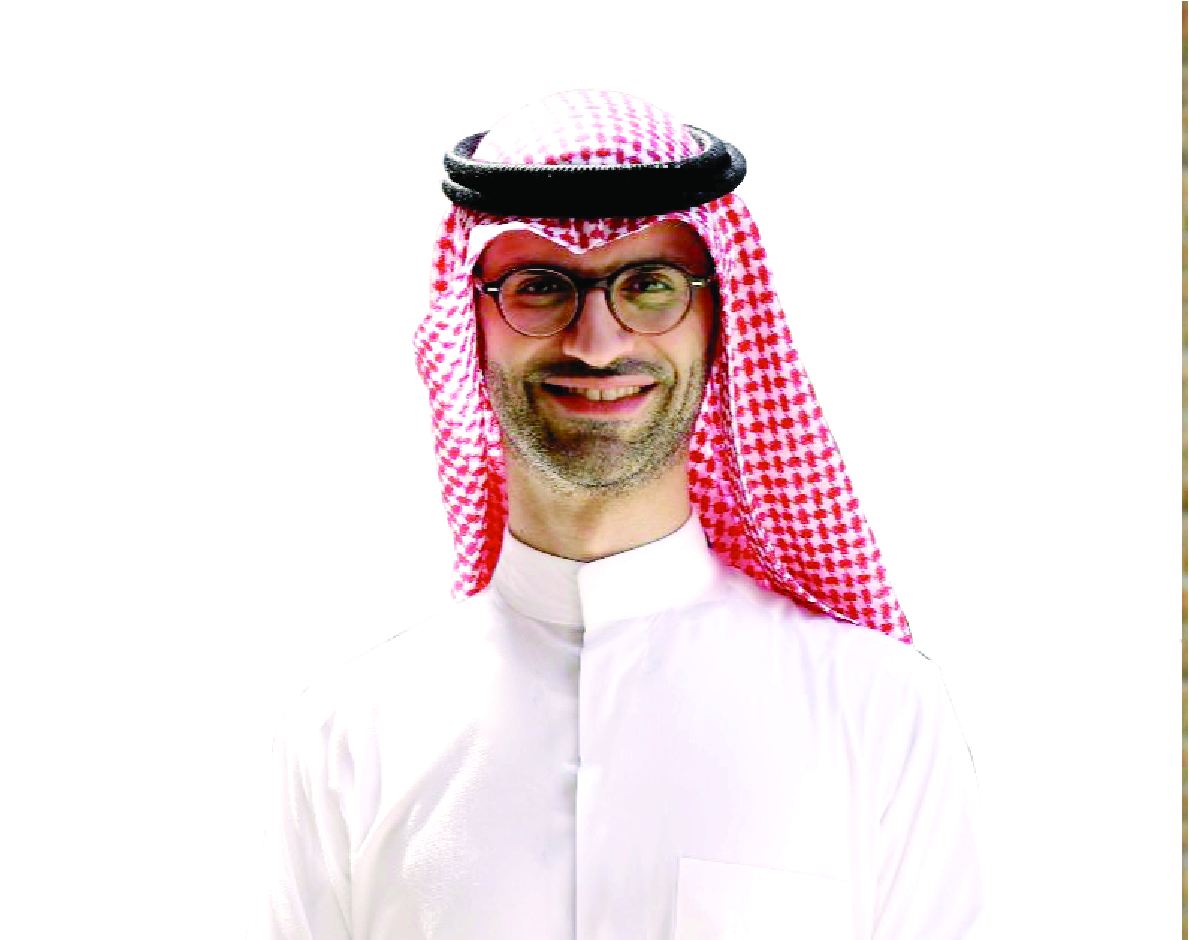
Bader Al-Saif is an assistant professor of history at Kuwait University, and a non-resident fellow at Chatham House and the Arab Gulf States Institute in Washington.
Dina Esfandiary
Middle East Geoeconomics Lead, Bloomberg Economics
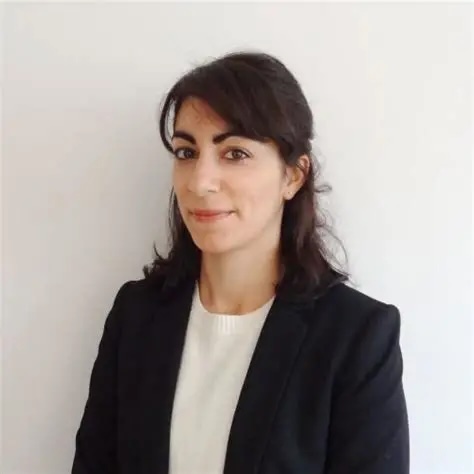
Dr. Dina Esfandiary is the Middle East lead at Bloomberg Geoeconomics. Previously, she served as a senior advisor on the Middle East and North Africa at the International Crisis Group, a fellow in the Middle East department at The Century Foundation, and a research fellow in the International Security Program at Harvard Kennedy School’s Belfer Center for Science and International Affairs. She has also worked in the Non-Proliferation and Disarmament Programme at the International Institute for Strategic Studies in London.