

{
  "authors": [
    "Jenny Keroack",
    "John  Balbus",
    "Joe McCannon",
    "Lauren Jensen",
    "Leonardo Martinez-Diaz",
    "Noah Gordon",
    "Ariel Wittenberg"
  ],
  "type": "event",
  "centerAffiliationAll": "dc",
  "centers": [
    "Carnegie Endowment for International Peace"
  ],
  "englishNewsletterAll": "ctw",
  "nonEnglishNewsletterAll": "",
  "primaryCenter": "Carnegie Endowment for International Peace",
  "programAffiliation": "SCP",
  "programs": [
    "Sustainability, Climate, and Geopolitics"
  ],
  "regions": [
    "United States"
  ],
  "topics": [
    "Climate Change",
    "Foreign Policy"
  ]
}
The Future of Climate-Health Policy: Lessons from the U.S. Experience
Thu, April 23rd, 2026
Carnegie Endowment for International Peace and Live Online
Invalid video URL
The climate crisis is also a health crisis. Whether from the chronic effects of inhaling wildfire smoke or the immediate impact of deadly storms, the most vulnerable Americans bear the greatest burden. At the same time, climate risks put an extra burden on healthcare providers—which are themselves major contributors to climate change, driving over 8 percent of U.S. emissions—and introduce significant new costs for the healthcare system, insurers, and consumers. This is the climate-health nexus.
The U.S. federal government has previously worked to address climate change as a public health crisis, especially through the founding of the Office of Climate Change and Health Equity (OCCHE) within the Department of Health and Human Services (HHS) in 2021. However, the Trump administration has eliminated this office and other HHS agencies, derailing programs intended to make the health sector more resilient and sustainable, and help citizens deal with record temperatures.
The Carnegie Endowment’s Sustainability, Climate, and Geopolitics Program invites you for the launch of a new report, “Advancing Climate Health for Vulnerable Groups in the U.S.: Looking Back and Looking Ahead.” Written by a group of veteran climate-health experts from OCCHE, the report reviews climate-health policy from the early 2020s and make recommendations for future action, not only in the United States but as a lesson to countries around the world, modeling how American initiatives picked up global best practices.
Join Carnegie scholars Leonardo Martinez-Diaz and Noah Gordon as well as authors Joe McCannon, John Balbus, Jenny Keroack, and Lauren Jensen, as they examine lessons learned and what comes next for climate and health. Following the remarks on stage, the event will become an open discussion with the audience on the future of climate-health policy. Bring your questions and comments!
DC Climate Week is not responsible for this event. It is organized by the organizing group, and being listed on the DCCW calendar is not an endorsement of content or partners.
Carnegie India does not take institutional positions on public policy issues; the views represented herein are those of the author(s) and do not necessarily reflect the views of Carnegie, its staff, or its trustees.
Event Speakers
Jenny Keroack
Director of Climate Solutions, Health Care Without Harm
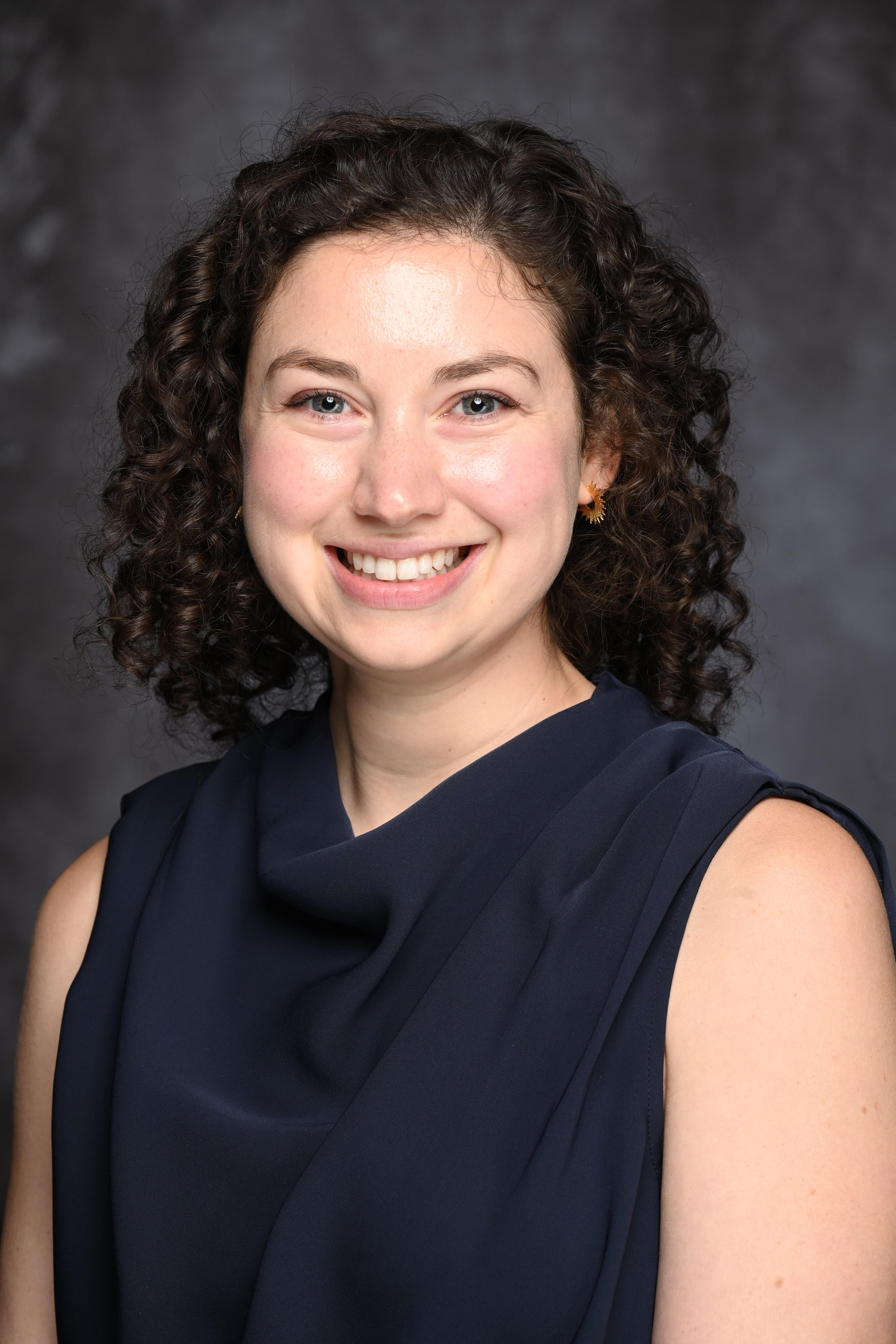
Jenny Keroack, MPH is the Director of Climate Solutions at Health Care Without Harm, where she works to advance sustainability and climate resilience across the health sector. Jenny previously served as a policy advisor to the Secretary of the Department of Health and Human Services (HHS), senior policy advisor in the HHS Office of Climate Change and Health Equity, and Medicare policy analyst at the Centers for Medicare & Medicaid Services (CMS).
John Balbus
Principal, Climate Care Consulting, LLC
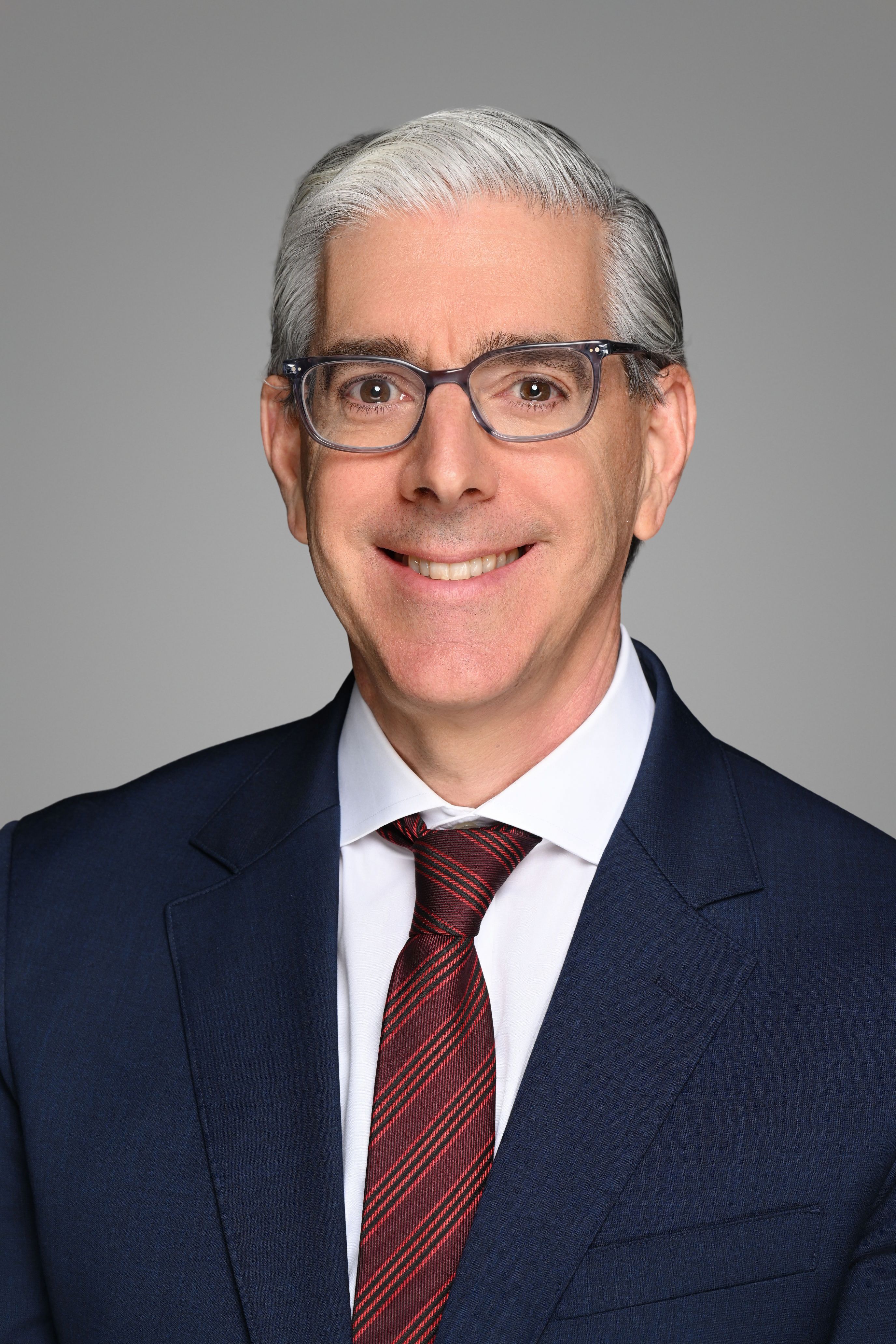
John Balbus is the Principal of Climate Care Consulting, LLC and former HHS Deputy Assistant Secretary for Climate Change and Health Equity. Trained as a physician, he has devoted his professional career to understanding and addressing the health implications of climate change. He established and directed the HHS Office of Climate Change and Health Equity after serving twelve years as Senior Advisor for Public Health at the National Institute for Environmental Health Sciences. He was elected to the National Academy of Medicine in 2021.
Joe McCannon
Executive Fellow, Higher Ambition Leadership Alliance

Joe McCannon is Executive Fellow at the Higher Ambition Leadership Alliance. His work focuses on large-scale systems improvement and collective action, mainly in the areas of healthcare and climate change. He served in the Obama Administration as Senior Advisor to the Administrator at CMS, and during the Biden Administration in the Council on Environmental Quality in the Executive Office of the President and in the Office of Climate Change and Health Equity at HHS. He was previously Vice President at the Institute for Healthcare Improvement and founding CEO of the Billions Institute.
Lauren Jensen
Assistant Director, The Cooperative at Mass General Brigham
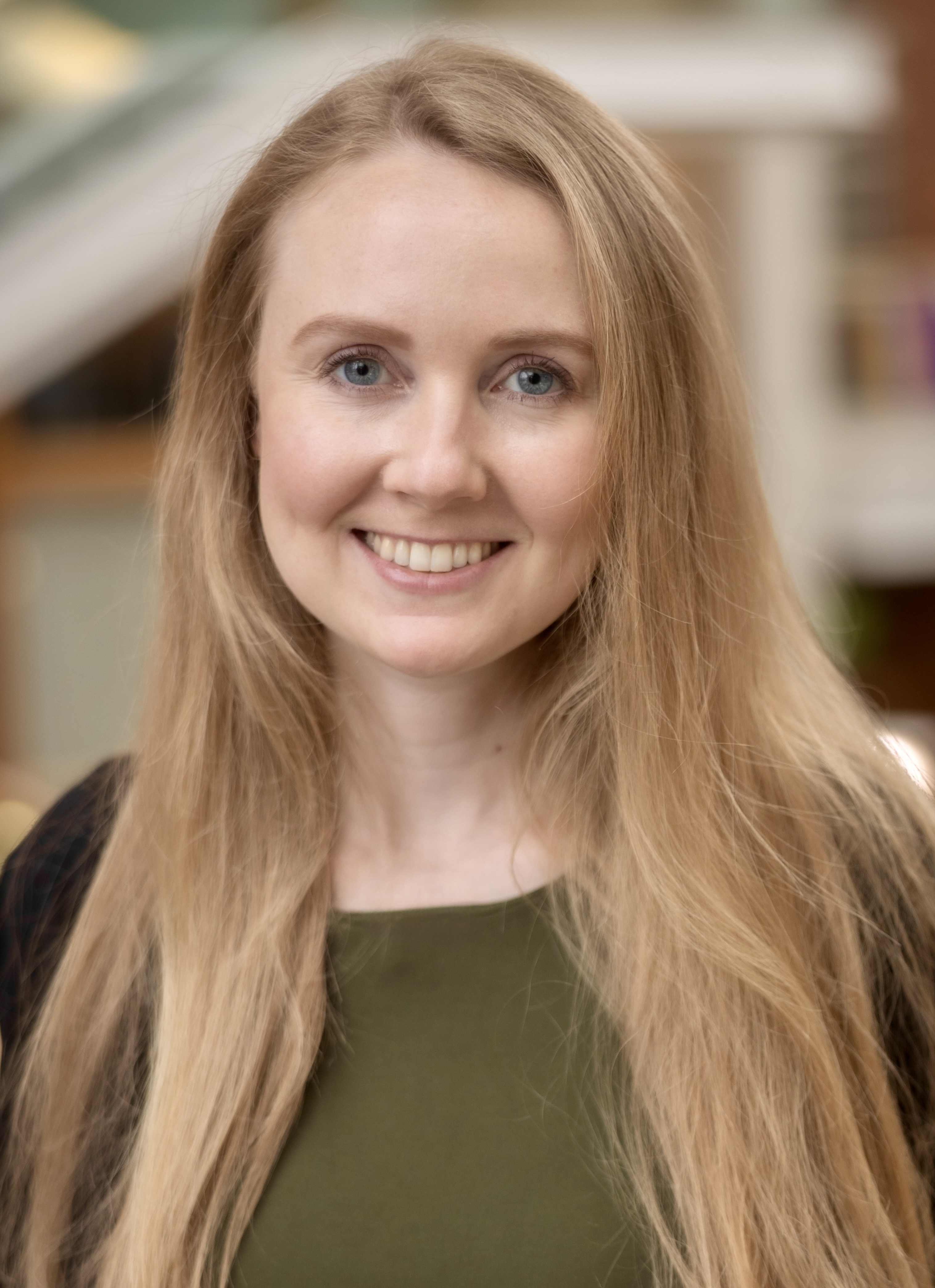
Lauren Jensen, MPH, MCRP is the Assistant Director of The Cooperative at Mass General Brigham, where she works on building new ways of delivering integrated healthcare to help patients stay healthy and resilient in the face of accelerating environmental threats. Lauren previously served as a Public Health Analyst at the HHS Office of Climate Change and Health Equity.
Senior Fellow and Director, Sustainability, Climate, and Geopolitics Program

Leonardo Martinez-Diaz is senior fellow and director of the Sustainability, Climate, and Geopolitics Program at the Carnegie Endowment for International Peace. His fields of expertise include climate politics and diplomacy, climate finance, and mitigating and managing the risks of climate change to economies and communities.
Fellow, Sustainability, Climate, and Geopolitics Program and Fellow, Europe Program
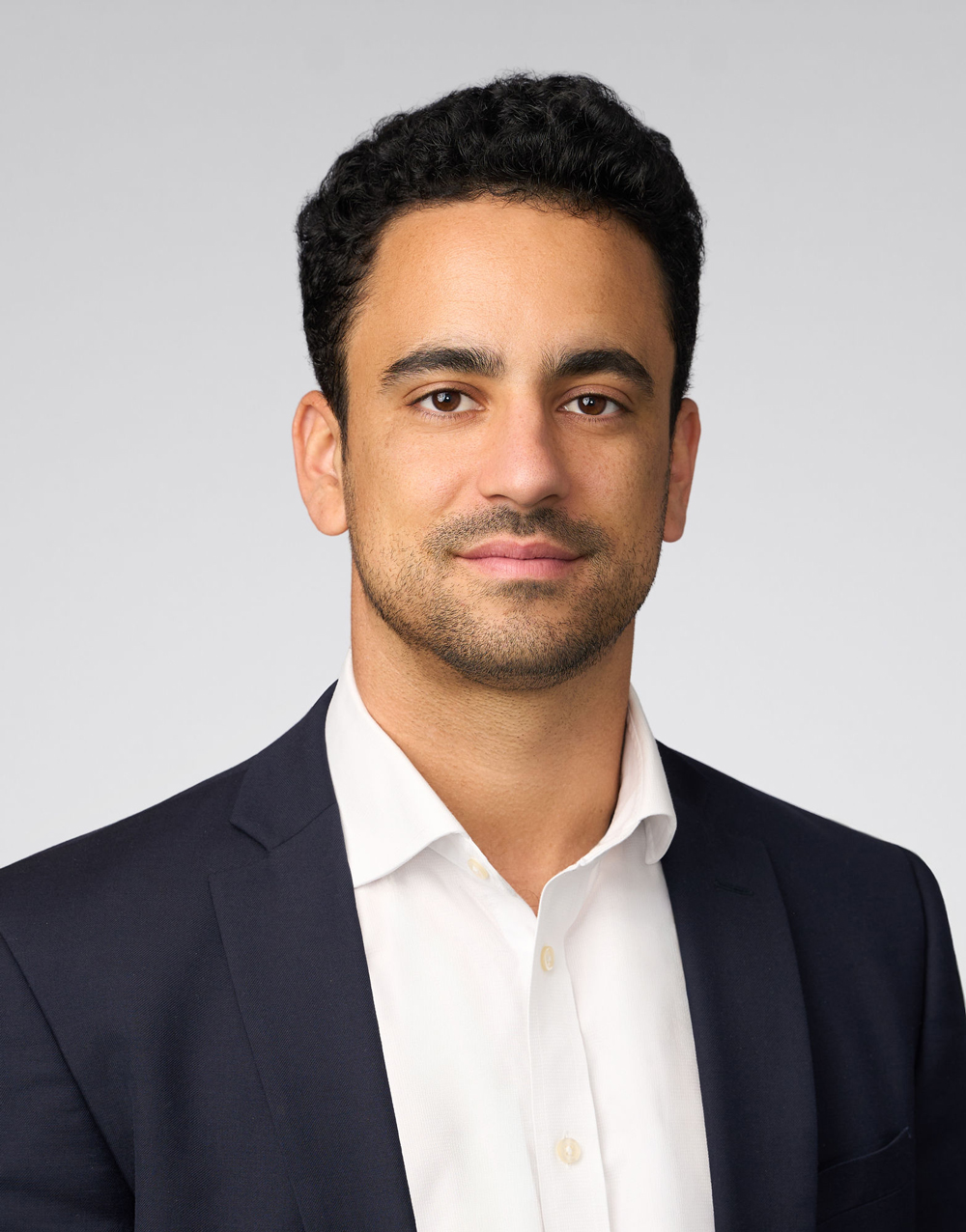
Noah J. Gordon is a fellow in the Sustainability, Climate, and Geopolitics Program at the Carnegie Endowment for International Peace in Washington, DC.
Ariel Wittenberg
Reporter, POLITICO’s E&E News
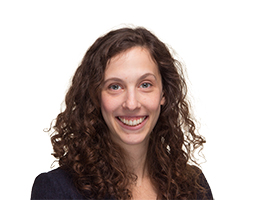
Ariel Wittenberg is a public health reporter at POLITICO's E&E News, covering topics from the health impacts of heat exposure to toxic chemicals. She formerly covered water and transportation and defense for E&E News and worked previously for The Standard-Times in New Bedford, Mass., where her coverage focused on the offshore wind industry and toxic waste. Her reporting for E&E News has been recognized by the National Association of Science Writers, the Society of Environmental Journalists and the Society of Professional Journalists.