

In The Media
Mr. David Bosco
{
  "authors": [
    "David Bosco"
  ],
  "type": "legacyinthemedia",
  "centerAffiliationAll": "",
  "centers": [
    "Carnegie Endowment for International Peace"
  ],
  "collections": [],
  "englishNewsletterAll": "",
  "nonEnglishNewsletterAll": "",
  "primaryCenter": "Carnegie Endowment for International Peace",
  "programAffiliation": "",
  "programs": [],
  "projects": [],
  "regions": [
    "Afghanistan"
  ],
  "topics": []
}
REQUIRED IMAGE
Source: Washington Post
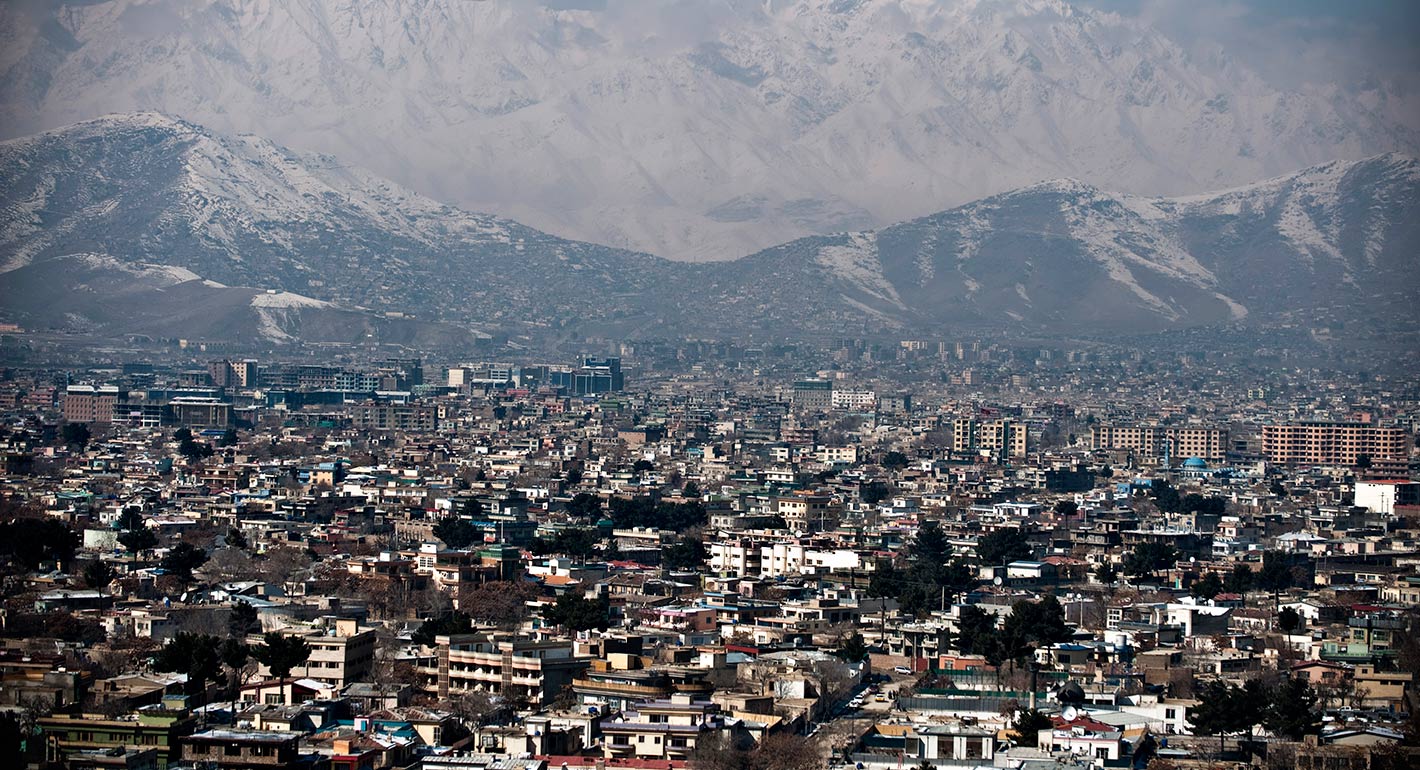
Kabul, the capital of Afghanistan, is one of the few places where it can be said that Europe is pulling its weight in today's most important nation-building missions. About 7,000 peacekeepers -- mainly from Europe -- patrol the bustling city, and they have made it an oasis of calm in a turbulent country. A recent bomb at the office of a U.S. security contractor was one of the few serious attacks the city has suffered in the past few months. Unfortunately, Kabul is the exception to an increasingly shameful record of Europeans abdicating security responsibilities.
The peacekeeping effort in Afghanistan sheds light on Europe's performance -- or lack of it -- because it is a case where the principal objections to America's "war on terror" do not apply. The military campaign to unseat the Taliban was an exercise in self-defense rather than preemption, and the war bore an international stamp of approval in the form of a U.N. Security Council resolution. After the Taliban's defeat, the United States helped arrange a broad international conference in Bonn to chart the country's future. In short, Afghanistan was done right.
And for a brief moment it seemed that Europe would rise to the occasion. NATO made Afghanistan its first significant operation outside Europe and later announced that it would expand the peacekeeping force beyond Kabul, a goal endorsed by the Security Council. But that energy has dissipated. NATO's Istanbul summit in June was a humiliating display that called to mind the days of European hand-wringing in the Balkans between 1992 and 1995. NATO Secretary General Jaap de Hoop Scheffer went cap in hand to the organization's member states and returned with precious little. It took weeks of effort just to get a few helicopters for the mission.
Afghanistan has been left with peacekeeping done on the cheap. Major European powers such as France, Italy, Turkey and Spain have coughed up only a few hundred troops each for duty in the country. The Germans have been more generous, but even their contingent tops out at just 2,000 troops. The Afghanistan Research and Evaluation Unit, a Kabul-based think tank, calculated that the Afghanistan mission (including the U.S. troops under separate command) is orders of magnitude weaker than recent missions to Kosovo, Bosnia, Haiti and East Timor. In Kosovo there was one international soldier for every 50 citizens; in Afghanistan there is one peacekeeper for every 1,000 Afghans. These paltry contributions come even as the peacekeeping mission in Bosnia has shrunk from 50,000 troops in 1995 to just over 7,000 today.
The consequences of the security vacuum are being felt primarily in the provinces outside Kabul, where warlords still resort to arms, and aid groups and voter registration officials face frequent threats. Recent incidents even prompted one representative of U.N. employees to suggest that the organization consider evacuating the country. In the wake of a recent bombing in the eastern province of Paktia, international aid and reconstruction workers are hunkering down ever more tightly in their Kabul compounds.
The Europeans can justifiably claim that the United States has sent confused signals on Afghanistan. The Bush team's initial coolness to nation-building slowed the momentum created by the Taliban's rapid fall. Until recently the United States has focused on al Qaeda and Taliban remnants and kept its GIs away from providing general security, a posture that has no doubt discouraged other states from venturing far from their bases.
But at some point the European excuses wear thin. The United States has almost 120,000 troops in Iraq and close to 20,000 in Afghanistan hunting extremists. In this setting of sustained sacrifice, the European states should be able to cobble together more than 7,000 soldiers for a credible Afghan peacekeeping force. The hard truth is that European political leaders have not had the courage to seek to convince their skeptical publics of the need for a commitment to Afghanistan. At the same time, few European governments have invested adequately in their militaries, which are still structured for territorial defense and have trouble operating far from home for extended periods.
Unless European leaders are dissembling, they understand the significance of the transition underway in Afghanistan. They understand that failure will have strategic consequences for the West and terrible human consequences for the Afghan people. Disturbing enough on its own, Europe's performance in Afghanistan has even darker implications: It suggests that the hands-off policy in Iraq may be little more than military impotence and political weakness masquerading as principle.

Former Senior Editor, Foreign Policy
David Bosco joined FP in 2004 as a senior editor responsible for commissioning and editing reviews, feature articles, and essays. Prior to joining FP, he was an attorney at the law firm of Cleary, Gottlieb, Steen & Hamilton with a focus on international arbitration, litigation, and antitrust matters. Previously, he researched judicial reform in Chile as a Fulbright Scholar.
Recent Work
Mr. David Bosco
Carnegie India does not take institutional positions on public policy issues; the views represented herein are those of the author(s) and do not necessarily reflect the views of Carnegie, its staff, or its trustees.
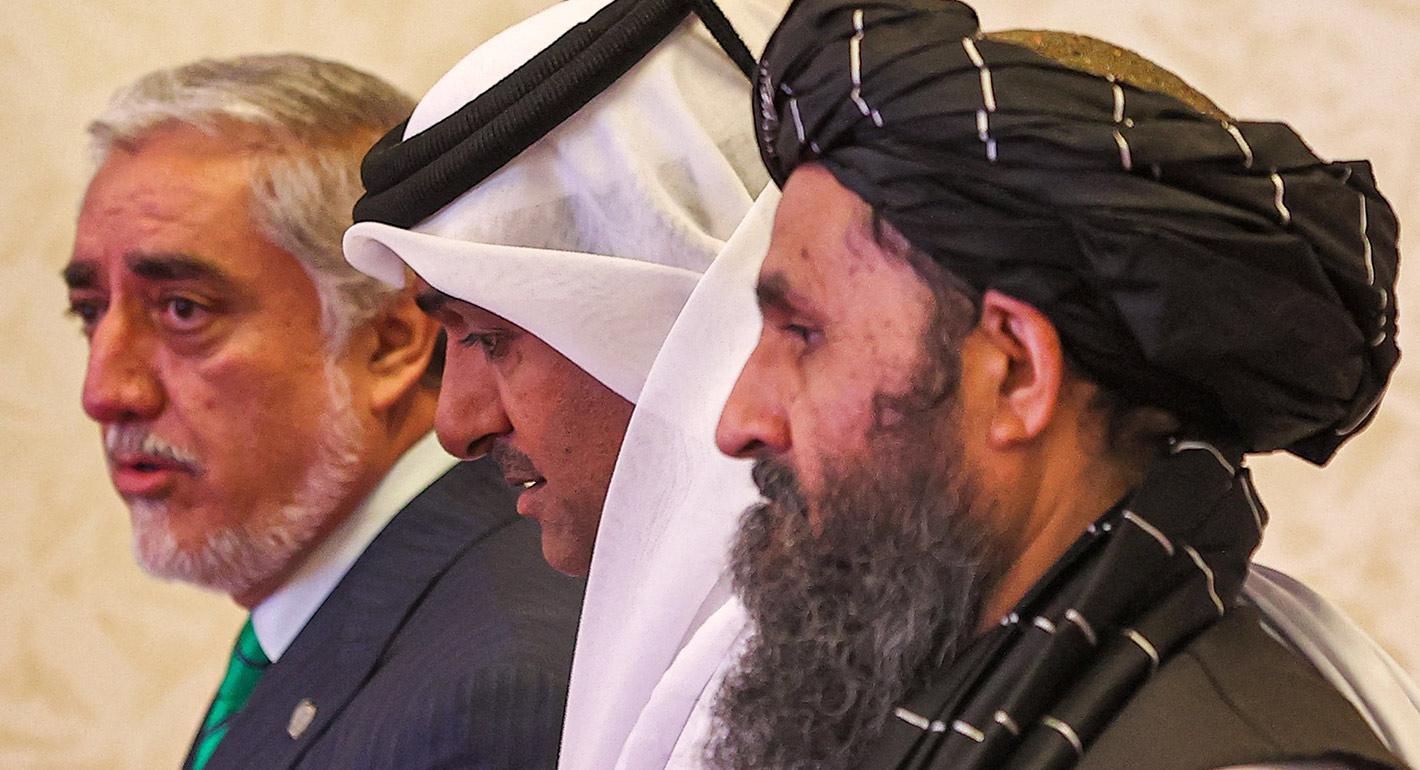
Despite slick rhetoric from Taliban spokespeople, Afghanistan’s future under its new rulers is likely to be messy and uncertain.

Rudra Chaudhuri
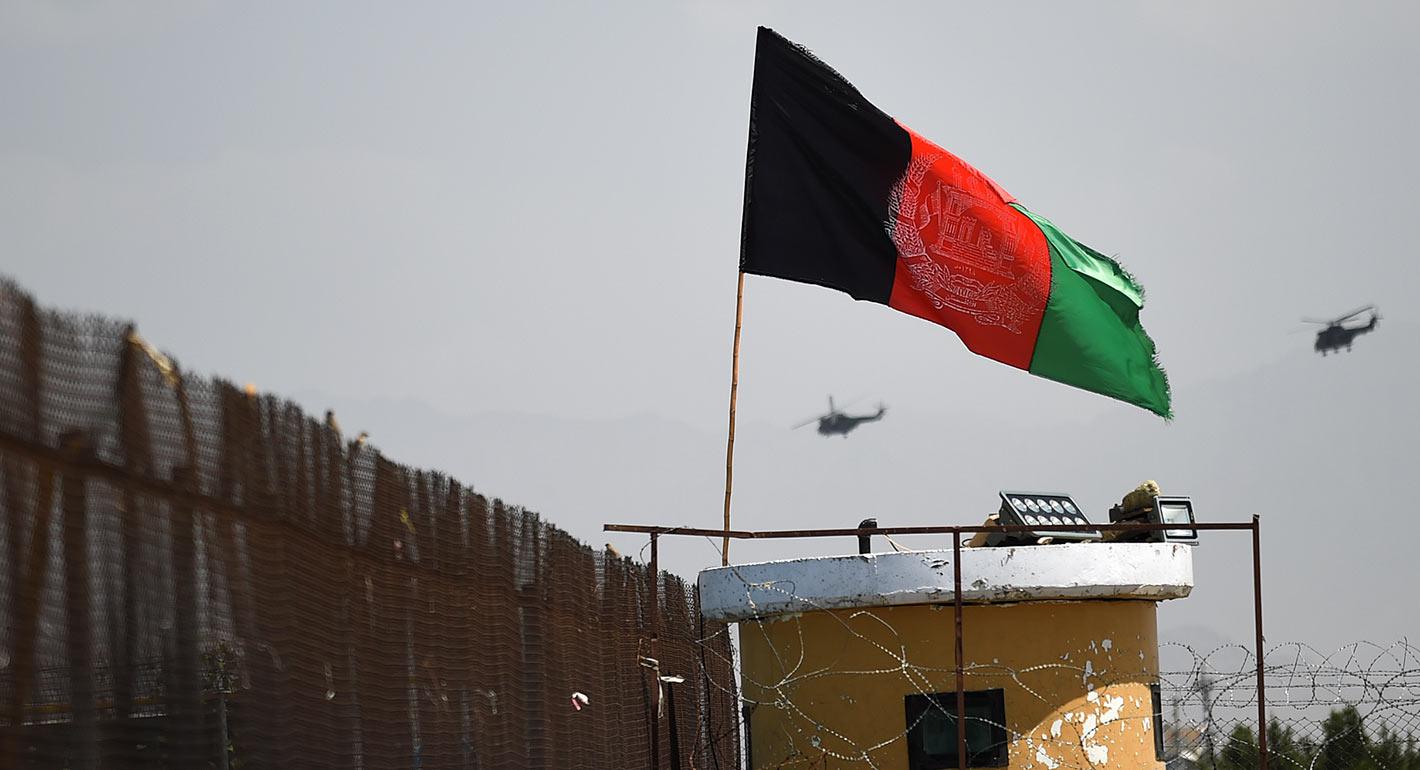
With the United States set to leave Afghanistan, India’s involvement there may be at risk. India needs to update its priorities to prepare for this change.
Rudra Chaudhuri, Shreyas Shende
In South Asia, the coronavirus pandemic is at once a public health crisis, an economic crisis, and a humanitarian crisis.

Rhea Menon, Srinath Raghavan
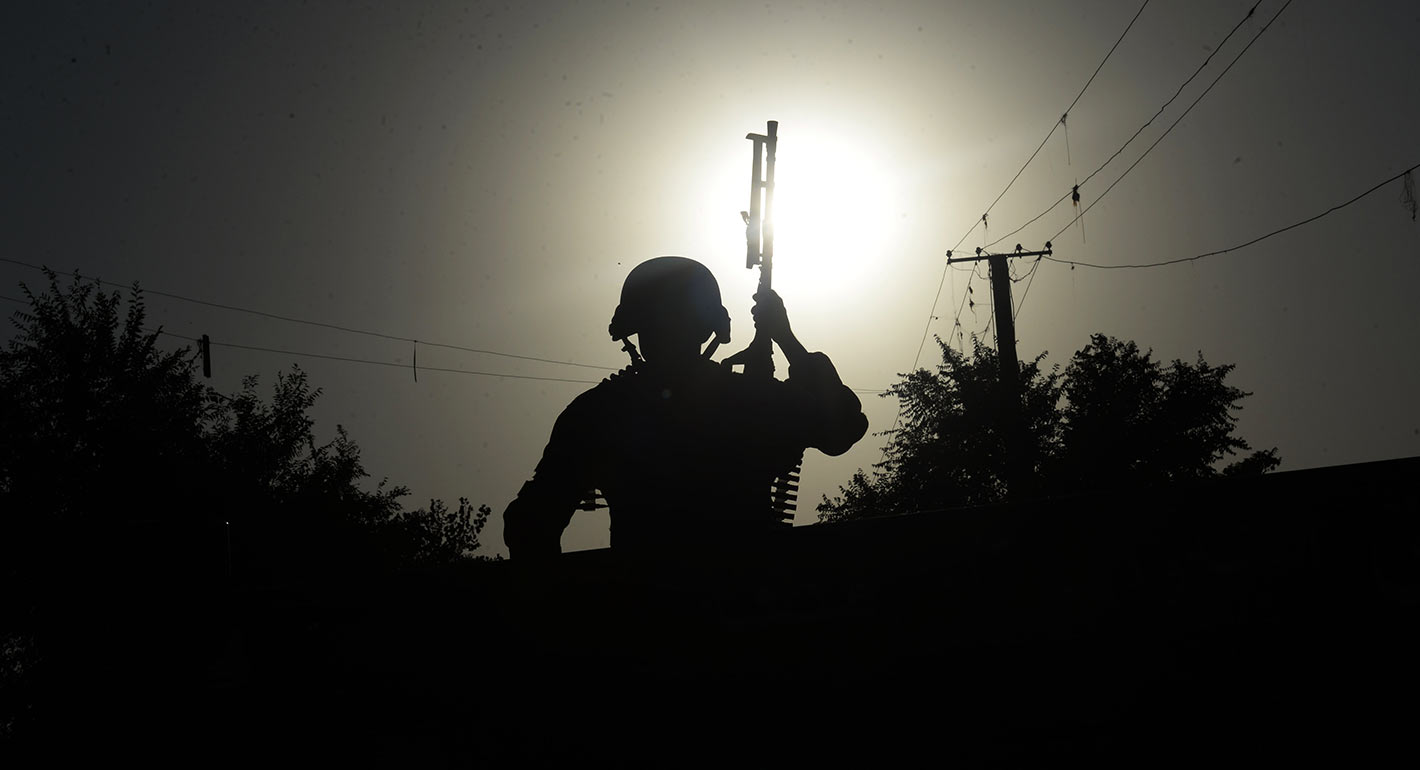
In a joint statement issued after the consultations, America, Russia, and China outlined agreement on a set of broad parameters for promoting peace in Afghanistan.
C. Raja Mohan
If the United States effectively uses its considerable residual leverage in Afghanistan, Pakistan does not try and turn Afghanistan into a weak protectorate, and the Taliban does not overreach inside Afghanistan, there is reason for optimism.
C. Raja Mohan