

In The Media
Josh Kurlantzick
{
  "authors": [
    "Josh Kurlantzick"
  ],
  "type": "legacyinthemedia",
  "centerAffiliationAll": "dc",
  "centers": [
    "Carnegie Endowment for International Peace"
  ],
  "collections": [],
  "englishNewsletterAll": "asia",
  "nonEnglishNewsletterAll": "",
  "primaryCenter": "Carnegie Endowment for International Peace",
  "programAffiliation": "AP",
  "programs": [
    "Asia"
  ],
  "projects": [],
  "regions": [
    "China",
    "Central Asia"
  ],
  "topics": [
    "Military",
    "Foreign Policy"
  ]
}
Source: Getty
Hu Jintao’s recent visit to Australia was in stark contrast to President Bush’s visit, just a few days earlier. Where Bush was greeted with protests in a country which has been a staunch U.S. ally, Hu toured Australia like a hero. Josh Kurlantzick explains the difference in an article in Commentary.
Source: Commentary

But on his visit three years ago, the President was in for an unpleasant surprise. Thousands of protesters filled the streets in Sydney and Canberra, scuffling with police and staging mock trials of the American president. Inside the Australian parliament, Bush's remarks were interrupted by heckling senators, who had to be escorted from the chamber. His speech done, he was met outside by another chorus of booing critics.
The tumult surrounding Bush's visit was especially notable because, just days later, Australia would offer a vastly different welcome to another president--Hu Jintao of China. Hu toured Australia like a hero. Few protested China's human-rights record. In parliament, no one disturbed his windy paean to the future of Australia-China ties. Foreign Minister Alexander Downer spoke words of fulsome praise. Before Hu left, the two nations had signed a framework for a future free-trade deal.
This article was originally published in Commentary, October 2006. To see the full article, please click here.

Former Visiting Scholar, China Program
A special correspondent for The New Republic, a columnist for Time, and a senior correspondent for The American Prospect, Kurlantzick assesses China’s relationship with the developing world, including Southeast Asia, Africa, and Latin America.
Recent Work
Josh Kurlantzick
Carnegie India does not take institutional positions on public policy issues; the views represented herein are those of the author(s) and do not necessarily reflect the views of Carnegie, its staff, or its trustees.
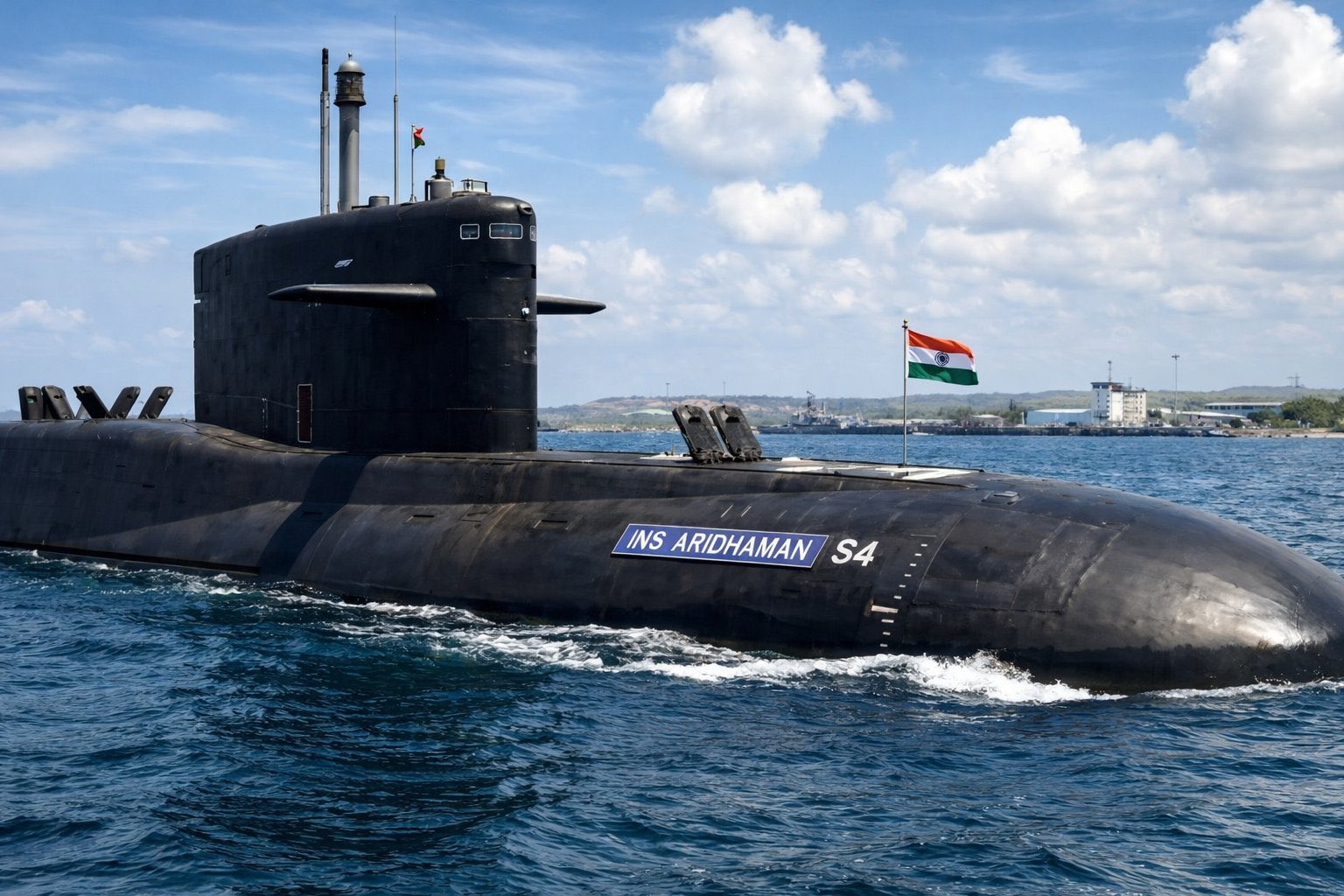
The induction of INS Aridhaman, which features several technological enhancements, now gives India the third nuclear ballistic missile submarine to ensure continuous at-sea deterrent.

Dinakar Peri

This piece examines India’s response to U.S. sanctions and tariffs, specifically assessing the immediate market consequences, such as alterations in import costs, and the broader strategic implications for India’s energy security and foreign policy orientation.

Vrinda Sahai

This paper examines the evolution of India-China economic ties from 2005 to 2025. It explores the impact of global events, bilateral political ties, and domestic policies on distinct spheres of the economic relationship.

Santosh Pai
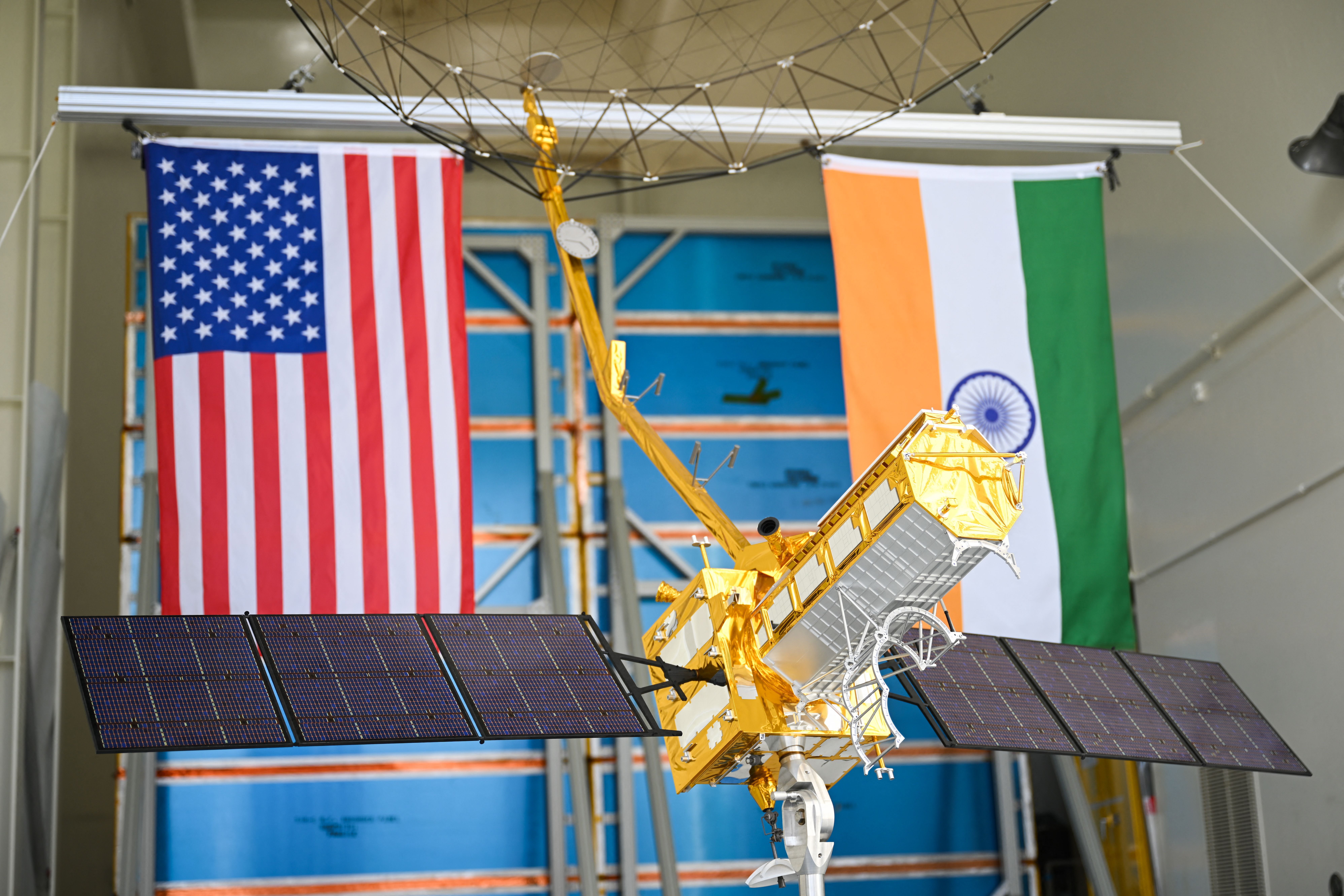
On July 30, 2025, the United States announced 25 percent tariffs on Indian goods. While diplomatic tensions simmered on the trade front, a cosmic calm prevailed at the Sriharikota launch range. Officials from NASA and ISRO were preparing to launch an engineering marvel into space—the NASA-ISRO Synthetic Aperture Radar (NISAR), marking a significant milestone in the India-U.S. bilateral partnership.

Tejas Bharadwaj
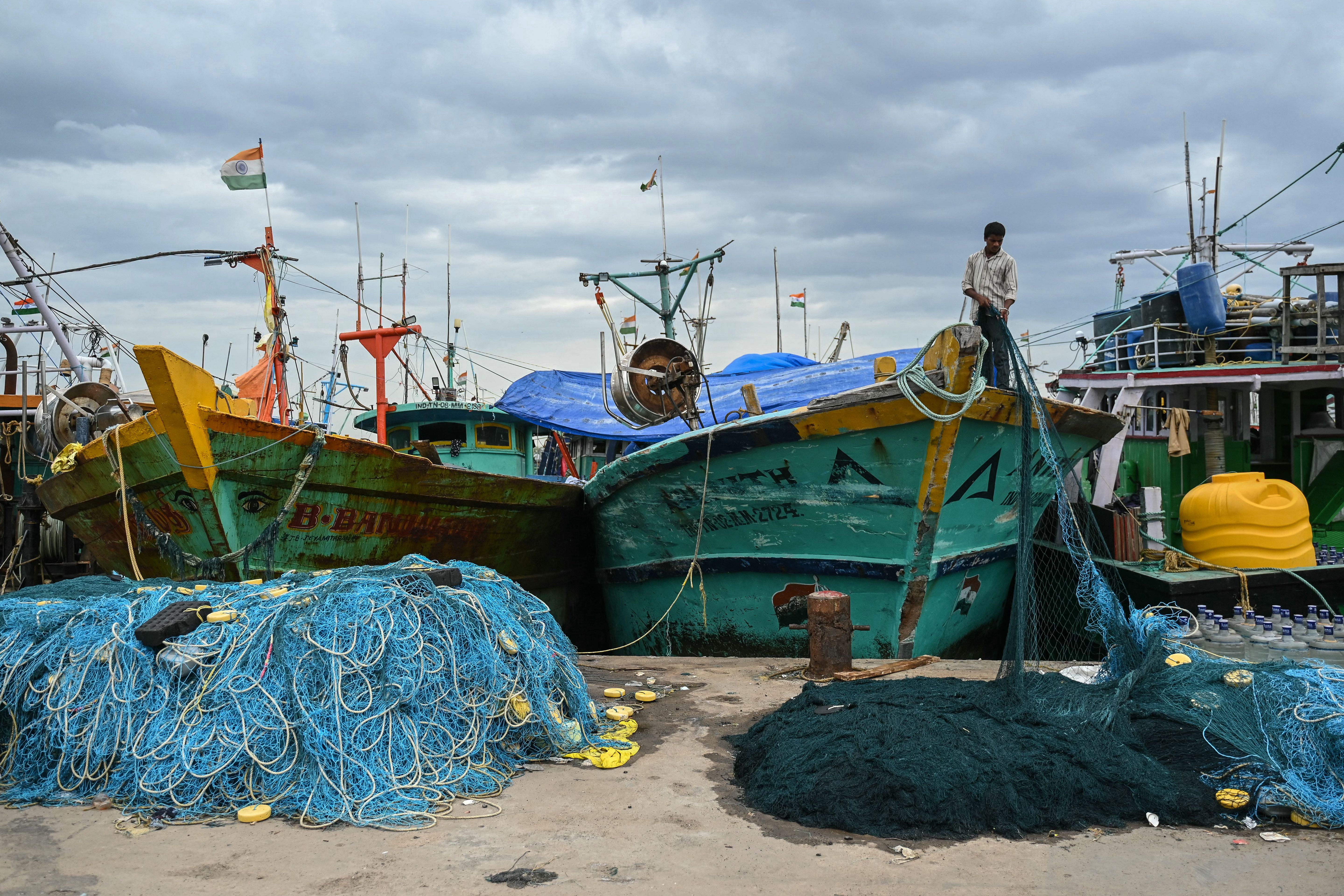
This article examines the scale and impact of Chinese IUU fishing operations globally and identifies the nature of the challenge posed by IUU fishing in the Indian Ocean Region (IOR). It also investigates why existing maritime law and international frameworks have struggled to address this growing threat.


Ajay Kumar, Charukeshi Bhatt